Why Do Dogs Like Peanut Butter So Much? The Science Explained
Open a jar of peanut butter anywhere in the house, and within seconds you'll likely have a dog at your feet, nose twitching, eyes locked on the jar like it's the most important object in the room.
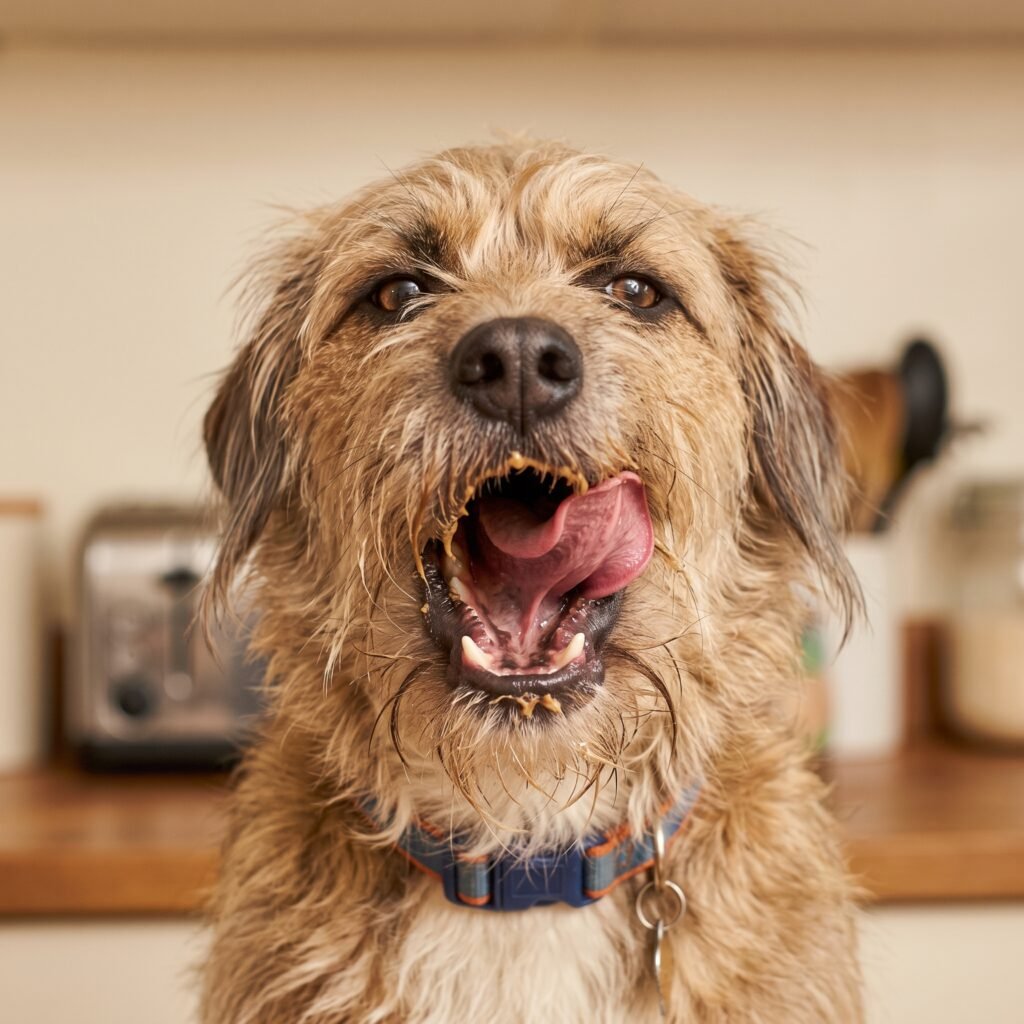
It’s one of the most universal dog behaviors out there, and it raises a genuinely interesting question: why do dogs like peanut butter so much, when so many other foods barely get a second glance?
This isn’t just a cute coincidence or a quirky personality trait shared by a few food-obsessed pups. There’s real biology, evolutionary history, and sensory science behind this near-universal obsession. Understanding why do dogs like peanut butter can also help you use it more effectively — whether you’re hiding a pill inside it, stuffing a puzzle toy, or simply rewarding good behavior during training.
In this guide, we’ll dig into the actual reasons behind this love affair, from smell and taste receptors to texture, fat content, and even the role peanut butter plays in training psychology. We’ll also cover safety considerations every owner should know, since not all peanut butter is created equal when it comes to canine health.
Table of Contents
- Why Do Dogs Like Peanut Butter? The Short Answer
- The Smell Factor: A Dog’s Nose Knows
- Taste Buds and Fat Cravings
- Texture: Why the “Stickiness” Matters
- Evolutionary Roots of High-Calorie Food Preference
- Is It Just Peanut Butter, or Any Nut Butter?
- The Psychology of Peanut Butter in Training
- Why Peanut Butter Works So Well for Pills and Vet Visits
- Nutritional Breakdown: What’s Actually in Peanut Butter
- Is Peanut Butter Actually Good for Dogs?
- The Xylitol Danger Every Owner Must Know
- How Much Peanut Butter Is Safe to Give a Dog?
- Best Ways to Use Peanut Butter With Your Dog
- Dogs With Peanut Allergies: What to Watch For
- Choosing the Right Peanut Butter for Your Dog
- FAQ: Why Do Dogs Like Peanut Butter
- Conclusion
Why Do Dogs Like Peanut Butter? The Short Answer
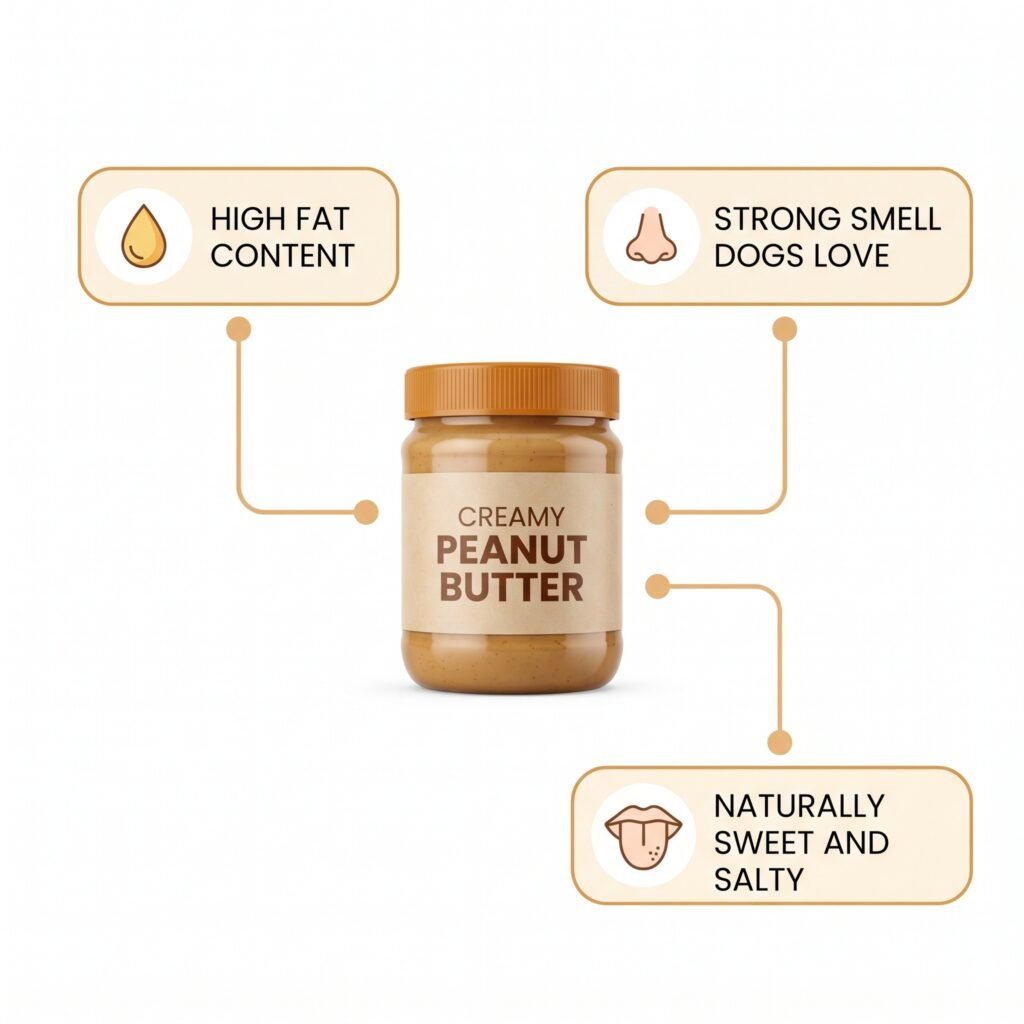
At its core, dogs love peanut butter because it hits nearly every sensory preference they’re biologically wired to respond to: a strong smell, high fat content, concentrated calories, and a texture that lingers in the mouth far longer than most treats.
If you’ve ever wondered why do dogs like peanut butter specifically — more than, say, a piece of plain chicken or a regular kibble treat — the answer is that peanut butter combines multiple appeal factors at once, rather than relying on just one. It’s not simply about taste; it’s about smell intensity, fat density, and a sticky, slow-release texture that keeps a dog engaged far longer than a quick bite of most other foods.
This combination is exactly why peanut butter has become such a popular training tool, medication-hiding trick, and enrichment-toy filler among dog owners and trainers alike.
The Smell Factor: A Dog’s Nose Knows
If you want to understand why do dogs like peanut butter, you have to start with their nose. Dogs experience the world primarily through scent, and their sense of smell is dramatically more powerful and nuanced than a human’s.
Why Smell Matters More Than Taste for Dogs
- Dogs have significantly more scent receptors than humans, allowing them to detect and distinguish far more individual odor compounds
- A large portion of a dog’s brain is dedicated to processing olfactory information, compared to a much smaller portion in the human brain
- Strong-smelling foods naturally trigger a stronger interest and appetite response in dogs
Peanut butter has an intensely concentrated, oily aroma that travels easily and lingers strongly — exactly the kind of scent profile that grabs a dog’s attention almost instantly. Combine that with the fact that peanuts themselves contain natural oils that carry scent particularly well, and you get a food that announces itself from across the room.
This is one of the biggest reasons why do dogs like peanut butter so consistently across breeds, ages, and individual personalities — the appeal starts before a single lick even happens.
Taste Buds and Fat Cravings
While smell gets a dog’s attention first, taste and fat content seal the deal — and this is a big piece of the puzzle when explaining why do dogs like peanut butter so consistently. Dogs, like most mammals, have a strong natural preference for fat-dense foods, and peanut butter delivers fat in a concentrated, easily accessible form.
Why Fat Is So Appealing to Dogs
- Fat is calorie-dense, meaning it provides a lot of energy in a small amount of food
- Historically, calorie-dense foods were valuable and relatively scarce in the wild, making a preference for fat an evolutionary advantage
- Fat enhances flavor perception, making fatty foods taste richer and more satisfying
Peanut butter’s fat content (primarily from natural plant oils within the peanuts) gives it a rich, smooth mouthfeel that dogs find highly rewarding. This is part of the answer when people ask why do dogs like peanut butter more than, say, a plain vegetable or low-fat treat — the fat content itself is doing a lot of the persuasive work.
Sweetness Also Plays a Role
Dogs can detect sweetness, unlike cats, and many peanut butter products contain a natural underlying sweetness from the peanuts themselves (and sometimes added sugar, which we’ll address later in the safety section). This subtle sweetness adds another layer of appeal on top of the fat and aroma.
Texture: Why the “Stickiness” Matters
Beyond smell and taste, texture plays a surprisingly large role in why do dogs like peanut butter so much more than many other treats.
The Texture Advantage
- Slow to consume: Unlike a treat that’s gone in one bite, peanut butter requires extended licking and chewing, extending the enjoyable experience
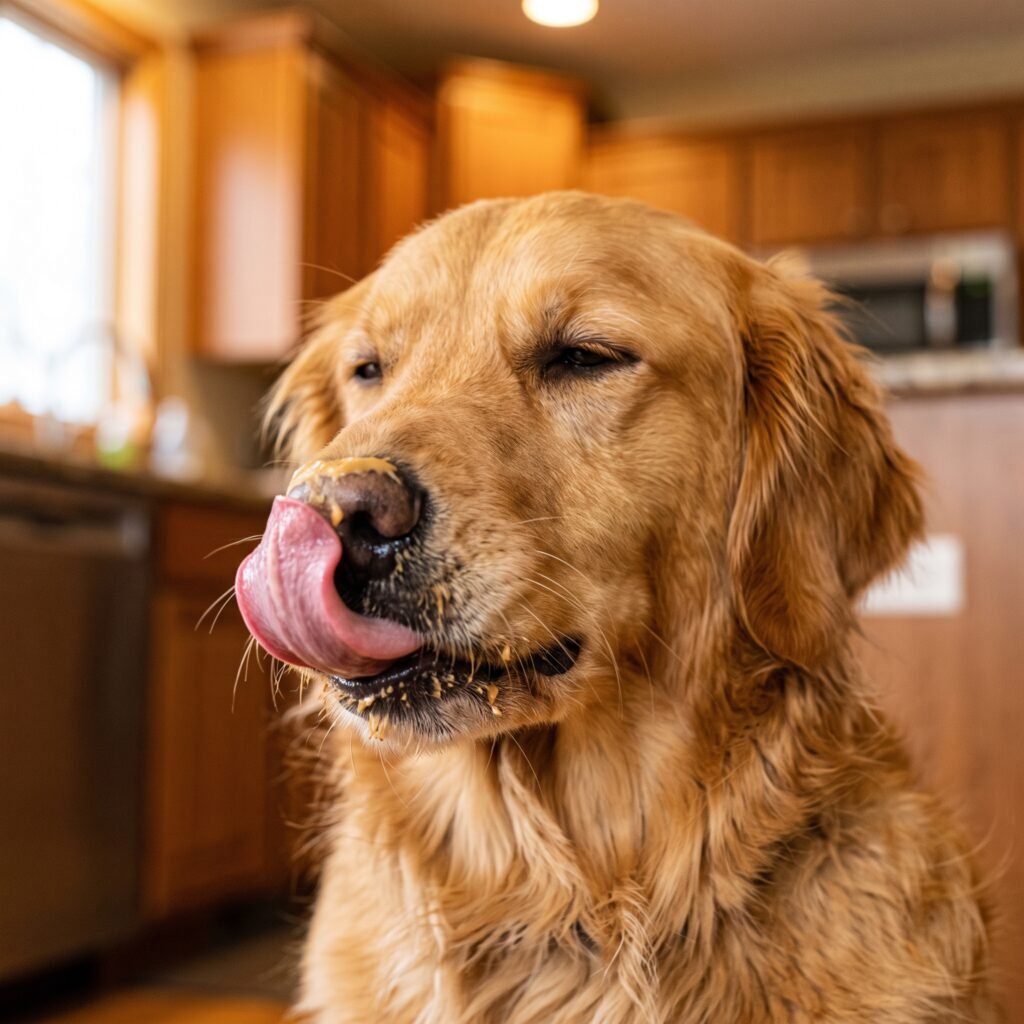
- Mouth-coating sensation: The sticky texture clings to the roof of the mouth and teeth, prolonging the flavor and scent experience
- Engaging for enrichment: This same stickiness is exactly why peanut butter works so well stuffed inside puzzle toys — it takes real effort to extract, keeping a dog mentally engaged for much longer than a quick snack would
This extended engagement is a major reason why do dogs like peanut butter specifically as opposed to treats that disappear in a single bite. The experience lasts longer, which reinforces the positive association even more strongly in a dog’s mind.
Evolutionary Roots of High-Calorie Food Preference
To really understand why do dogs like peanut butter, it helps to zoom out and look at canine evolutionary history more broadly.
Dogs descended from wolves, and wolves evolved as opportunistic survivors that needed to take advantage of calorie-dense food sources whenever they appeared, since food availability in the wild was often unpredictable. This evolutionary pressure favored animals with a strong drive toward fat- and calorie-rich foods, since those foods provided the best chance of survival during lean periods.
How This Translates to Modern Dogs
- Even well-fed modern dogs retain ancestral instincts that prioritize high-fat, high-calorie foods
- This instinct doesn’t disappear just because food is now reliably available every day
- Foods like peanut butter essentially “trigger” this deep-seated evolutionary preference, regardless of whether the dog actually needs the extra calories
This is part of the deeper answer to why do dogs like peanut butter — it’s tapping into instincts that have been reinforced over thousands of years of canine evolution, not just a simple preference learned during a dog’s individual lifetime.
Is It Just Peanut Butter, or Any Nut Butter?
A common follow-up question, once you understand why do dogs like peanut butter, is whether that same appeal would transfer to other nut butters as well.
How Other Nut Butters Compare
- Almond butter: Generally safe in small amounts, similar fat and protein profile, though less commonly used due to higher cost
- Cashew butter: Also generally safe, though typically higher in fat than peanut butter
- Sunflower seed butter: A common allergy-friendly alternative, often appealing for similar smell and texture reasons
- Macadamia nut butter: Should be avoided entirely, as macadamia nuts are toxic to dogs
In most cases, the same core appeal factors — strong smell, fat content, and sticky texture — apply across nut and seed butters generally, not just peanut butter specifically. However, peanut butter remains the most widely used and tested option, largely due to its affordability, wide availability, and long track record of safety when chosen carefully (more on that in the safety sections below).
The Psychology of Peanut Butter in Training
Trainers have long relied on peanut butter as a high-value reward, and understanding why do dogs like peanut butter so much from a behavioral psychology standpoint adds another layer to this discussion.
Why Trainers Reach for Peanut Butter
- High motivational value: Because dogs find it so rewarding, it works exceptionally well for reinforcing difficult or unfamiliar behaviors
- Easy to dispense in small amounts: A small lick or smear delivers a big reward without overfeeding
- Useful for sustained-duration tasks: Smearing peanut butter on a surface can keep a dog occupied and stationary, useful for grooming, nail trims, or bath time
This combination of high reward value and practical dispensing flexibility is exactly why peanut butter has become a staple training and management tool, far beyond just being an occasional treat.
Why Peanut Butter Works So Well for Pills and Vet Visits
If you’ve ever needed to give your dog medication, you’ve probably already discovered one of peanut butter’s most practical uses: disguising pills that would otherwise be difficult to administer.
Why This Trick Works So Reliably
- The strong smell and taste overwhelm the often bitter or unpleasant flavor of medication
- The sticky texture helps coat and conceal pills more effectively than drier treats
- Dogs are often so focused on the peanut butter itself that they swallow the hidden pill without noticing
Veterinarians frequently recommend this method specifically because of how effectively peanut butter masks medication, making it one of the most practical real-world applications of understanding why do dogs like peanut butter so much in the first place.
Nutritional Breakdown: What’s Actually in Peanut Butter
Understanding the nutritional content helps explain why do dogs like peanut butter even further, while also setting up the safety discussion that follows.
Typical Nutritional Components
- Protein: A moderate source, contributing to the savory appeal
- Fat: The primary driver of palatability and calorie density
- Natural sugars: Present in small amounts, contributing to mild sweetness
- Vitamins and minerals: Including vitamin E, niacin, and small amounts of B vitamins
- Fiber: Present in modest amounts, depending on the specific product
This nutritional profile is part of why peanut butter isn’t just appealing — it also offers some genuine nutritional value in moderation, unlike purely artificial-flavored treats that provide taste appeal without much nutritional substance behind it.
Is Peanut Butter Actually Good for Dogs?
Given that we now understand why do dogs like peanut butter so much, it’s worth asking the natural follow-up: is it actually a healthy choice, or simply an indulgence best kept occasional?
The Honest Answer
In moderation, peanut butter can be a reasonably healthy treat for most dogs. It offers protein, healthy fats, and a few beneficial vitamins. However, it’s also calorie-dense, meaning overfeeding can contribute to unwanted weight gain over time.
When Peanut Butter Is a Good Choice
- As an occasional high-value training reward
- As a way to disguise medication
- As a puzzle-toy filler for mental enrichment
- As a small, controlled treat alongside a balanced diet
When to Be More Cautious
- Dogs with obesity or weight management concerns
- Dogs with pancreatitis or a history of fat-sensitive digestive issues
- Dogs on a strict veterinary therapeutic diet
As with most treats, moderation and context matter more than the food itself being inherently “good” or “bad.”
The Xylitol Danger Every Owner Must Know
This is, without question, the most important safety section in this entire guide, and every dog owner should read it carefully before reaching for any peanut butter jar.
What Is Xylitol?
Xylitol is a sugar substitute used in many “sugar-free” or “diet” peanut butter products, as well as in other foods, candies, and even some oral care products. While it’s safe for human consumption, xylitol is highly toxic to dogs, even in very small amounts.
Why Xylitol Is So Dangerous for Dogs
- It causes a rapid and dangerous insulin release in dogs, leading to a sudden, severe drop in blood sugar
- This can occur extremely quickly, sometimes within 30 minutes of ingestion
- In larger amounts, xylitol can also cause acute liver failure in dogs
- Symptoms can include vomiting, weakness, loss of coordination, seizures, and in severe cases, can be life-threatening
How to Protect Your Dog
- Always check the ingredient label before giving your dog any peanut butter, every single time, even with brands you’ve used before, since formulations can change
- Avoid any product labeled “sugar-free” or “diet” unless you’ve explicitly confirmed it does not contain xylitol
- Choose plain, traditional peanut butter with no artificial sweeteners as the safest standard option
- Store xylitol-containing products well out of reach, since dogs can sometimes access jars or packaging independently
If you suspect your dog has ingested any product containing xylitol, contact your veterinarian or an emergency animal poison control service immediately, as this is considered a true medical emergency requiring prompt treatment.
How Much Peanut Butter Is Safe to Give a Dog?
Assuming you’ve chosen a safe, xylitol-free product, portion control still matters due to peanut butter’s calorie density.
General Moderation Guidelines
- Small dogs (under 20 lbs): No more than 1 teaspoon, a few times per week
- Medium dogs (20–50 lbs): Up to 1 tablespoon, a few times per week
- Large dogs (50+ lbs): Up to 2 tablespoons, a few times per week
These are general starting guidelines rather than strict medical rules, and ideal amounts can vary based on your dog’s overall diet, activity level, and any existing health conditions. As a broader principle, treats of any kind — including peanut butter — should make up no more than roughly 10% of a dog’s total daily caloric intake, according to common veterinary feeding guidance.
Best Ways to Use Peanut Butter With Your Dog
Now that you fully understand why do dogs like peanut butter and how to use it safely, here are the most practical, popular applications.
Top Uses for Peanut Butter
- Puzzle toy filler — smear inside enrichment toys for extended mental stimulation
- Pill disguising — coat medication in a small amount to encourage easy swallowing
- Frozen treats — freeze peanut butter inside a toy or in small portions for a longer-lasting warm-weather treat
- Training rewards — use small licks or smears as high-value reinforcement during difficult training sessions
- Nail trim and grooming distraction — smear on a lick mat or surface to keep your dog occupied and calm during otherwise stressful grooming tasks
- Homemade treat recipes — many dog-safe baked treat recipes use peanut butter as a base ingredient for flavor and binding
These uses highlight just how versatile peanut butter is beyond simply being a treat — it’s a genuinely useful tool across training, enrichment, medical care, and grooming.
Dogs With Peanut Allergies: What to Watch For
While less common than some other food allergies, peanut allergies in dogs do exist and are worth understanding before introducing peanut butter for the first time — an important caveat to the broader discussion of why do dogs like peanut butter so universally.
Signs of a Possible Peanut Allergy
- Itching or skin irritation shortly after eating
- Hives or facial swelling
- Vomiting or diarrhea
- Excessive licking of paws or face
- In rare, severe cases, difficulty breathing (a medical emergency requiring immediate veterinary attention)
How to Safely Introduce Peanut Butter for the First Time
- Offer a very small amount initially
- Watch closely for any reaction over the following 24 hours
- If no issues appear, gradually increase to a normal portion size over subsequent uses
- If any concerning symptoms appear, discontinue use and consult your veterinarian
Most dogs tolerate peanut butter extremely well, but a cautious first introduction is always the safer approach, especially for puppies or dogs with a known history of food sensitivities.
Choosing the Right Peanut Butter for Your Dog
Not all peanut butter products are created equal, and now that you know why do dogs like peanut butter so much, choosing carefully makes a real difference in both safety and overall quality.
What to Look For
- Xylitol-free, confirmed directly on the ingredient label
- No added sugar or minimal added sugar
- Simple ingredient list — ideally just peanuts, possibly with a small amount of salt
- No artificial preservatives or flavoring
- Smooth or crunchy, based on your dog’s preference and any chewing or dental considerations
Dog-Specific vs. Human Peanut Butter
Many brands now offer peanut butter specifically formulated and marketed for dogs. These products are generally safe and convenient, often guaranteed xylitol-free, though standard plain human peanut butter without xylitol or added sugar is typically just as safe and often more affordable per ounce.
FAQ: Why Do Dogs Like Peanut Butter
1. Why do dogs like peanut butter so much compared to other treats?
Dogs like peanut butter because it combines a strong, appealing aroma, high fat content, and a sticky texture that extends the eating experience — appealing to a dog’s powerful sense of smell and natural preference for calorie-dense foods all at once.
2. Is peanut butter actually good for dogs, or just something they like?
Both, in moderation. Peanut butter offers protein, healthy fats, and some vitamins, making it a reasonably healthy treat when fed in appropriate amounts and chosen carefully to avoid xylitol or excess added sugar.
3. Why do dogs like peanut butter more than other nut butters?
It’s not necessarily unique to peanut butter specifically — other nut and seed butters often appeal to dogs for similar reasons (smell, fat, texture). Peanut butter is simply the most widely available, affordable, and commonly used option, which is why it’s become the default choice for most owners.
4. Can all dogs safely eat peanut butter?
Most dogs can, as long as the product doesn’t contain xylitol and is given in moderate amounts. Dogs with peanut allergies, pancreatitis, or specific dietary restrictions should avoid it or consult a veterinarian first.
5. Why do dogs like peanut butter so much during training specifically?
Its strong smell and rich taste make it an exceptionally high-value reward, which helps reinforce difficult or unfamiliar behaviors more effectively than lower-value treats. Its sticky texture also allows for small, controlled amounts that won’t overfeed your dog during frequent training reps.
6. What’s the biggest danger associated with feeding dogs peanut butter?
The most serious risk is xylitol, an artificial sweetener found in some sugar-free peanut butter products that is highly toxic to dogs, even in small amounts. Always check the ingredient label carefully before feeding any peanut butter product.
7. How often can I give my dog peanut butter?
A few times per week in appropriate, size-based portions is generally considered reasonable for most healthy dogs, provided peanut butter doesn’t replace a significant portion of their balanced daily diet.
Conclusion
So, why do dogs like peanut butter so universally? It comes down to a powerful combination of biology and instinct: an intensely appealing smell that dogs are uniquely equipped to detect, a rich fat content that taps into deep evolutionary food preferences, and a sticky, slow-release texture that extends the enjoyment far longer than most other treats.
Here’s what to remember from this guide:
- Why do dogs like peanut butter? It boils down to smell intensity, fat content, sweetness, and texture working together
- Evolutionary instincts toward calorie-dense food explain part of the deep-rooted appeal
- Peanut butter is genuinely useful for training, medication, enrichment, and grooming — not just a fun treat
- Xylitol is a serious danger and must always be ruled out before feeding any peanut butter product
- Moderation and portion control matter due to peanut butter’s calorie density, even with safe, xylitol-free products
Understanding why do dogs like peanut butter isn’t just a fun bit of trivia — it’s genuinely useful knowledge that can help you train more effectively, manage vet visits more smoothly, and make smarter, safer choices the next time you reach for the jar. Just remember to always double-check the label, keep portions sensible, and enjoy watching your dog’s unmistakable enthusiasm the next time peanut butter makes an appearance.
If this guide was helpful, check out our companion article on the best dog-safe human foods to share from your kitchen, or our deeper breakdown of foods and ingredients that are toxic to dogs, to round out your household food-safety knowledge.