
Do Labrador Retrievers Shed? How Much, Why, and What to Expect
Before you bring home one of the most popular dog breeds in the world, there's one practical question worth answering honestly:
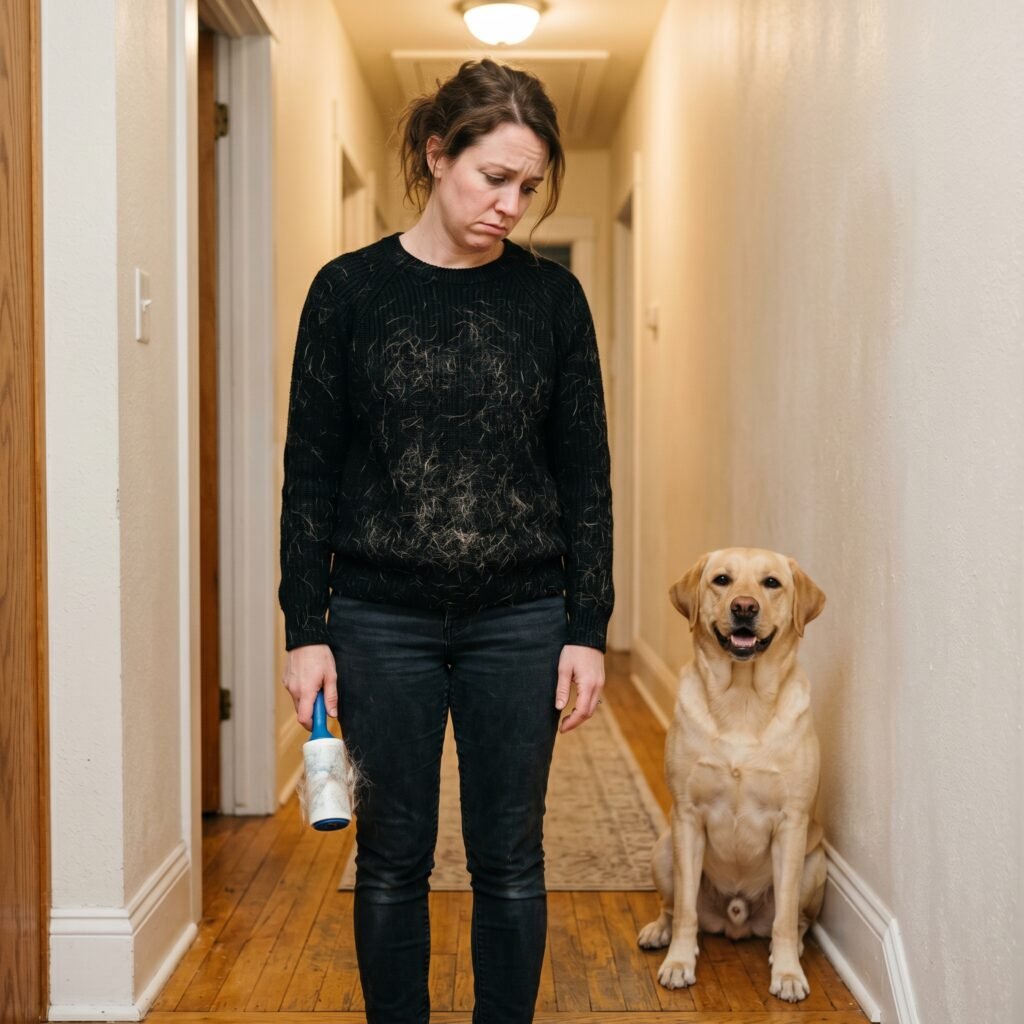
do Labrador Retrievers shed? The short answer is yes, significantly — but the longer answer involves understanding exactly how much, when it gets worse, and what you can realistically do about it.
Labrador Retrievers consistently rank among the most beloved family dogs, thanks to their friendly temperament, trainability, and versatility as companions, service dogs, and hunting partners. But that popularity comes with a tradeoff that doesn’t always make it into the glowing breed descriptions: a coat that sheds heavily, consistently, and year-round.
This guide takes a closer, more data-driven look at Labrador shedding than most overviews you’ll find. We’ll cover exactly how much do Labrador Retrievers shed compared to other breeds, what drives shedding intensity, whether coat color changes anything, and the specific tools and routines that make the biggest measurable difference. If you’re trying to decide whether this breed fits your lifestyle — or you already own one and want to get shedding under control — this is the guide to bookmark.
Table of Contents
- Do Labrador Retrievers Shed? Quick Answer
- Do Labrador Retrievers Shed a Lot? Putting It in Context
- How Much Do Labrador Retrievers Shed, Exactly?
- The Science Behind the Double Coat
- Shedding Cycle Breakdown by Month
- Do Black Labrador Retrievers Shed More Than Other Colors?
- Labrador Retriever Shedding vs. Other Popular Breeds
- Factors That Increase Shedding Beyond Normal Levels
- The Real Cost of Owning a Heavy Shedder
- Grooming Routine That Actually Reduces Shedding
- Tools Worth Buying vs. Tools That Don’t Help Much
- Diet’s Role in Shedding Volume
- When Shedding Signals a Health Problem
- Is a Labrador Retriever Still Worth It Despite the Shedding?
- FAQ: Do Labrador Retrievers Shed?
- Conclusion
Do Labrador Retrievers Shed? Quick Answer
Yes. Labrador Retrievers shed consistently throughout the year, with two notably heavier shedding periods during seasonal coat transitions in spring and fall. This is completely normal and expected for the breed — not a sign of poor health or improper care.
If you’re asking do Labrador retriever shed because you’re considering adoption, it’s worth treating this as a confirmed lifestyle factor rather than a maybe. Nearly every Lab owner reports loose hair on furniture, clothing, floors, and in vehicles as a routine part of daily life, not an occasional surprise.
Do Labrador Retrievers Shed a Lot? Putting It in Context
“A lot” is relative, so let’s give this question some real context instead of a vague answer.
Compared to single-coated or low-shedding breeds, Labrador Retrievers shed considerably more. Compared to other heavy-shedding double-coated breeds, Labs sit firmly in the same tier — heavy, but not the most extreme example out there.
Where Labradors Fall on the Shedding Spectrum
- Low shedders: Poodles, Bichon Frises, Portuguese Water Dogs
- Moderate shedders: Beagles, Cocker Spaniels, Boxers
- Heavy shedders: Labrador Retrievers, Golden Retrievers, German Shepherds
- Extreme shedders: Siberian Huskies, Akitas, Saint Bernards
So yes — do Labrador Retrievers shed a lot is a fair characterization, but it’s also useful to know they’re not uniquely high-maintenance in this category. Several other extremely popular family breeds shed just as much, which is part of why pet hair management has become such a normalized part of dog ownership for so many households.
How Much Do Labrador Retrievers Shed, Exactly?
This is where most articles get vague, so let’s get specific. While exact shedding volume varies by individual dog, coat thickness, season, and overall health, here’s a realistic picture based on common grooming and veterinary observations.
Daily Baseline Shedding
Outside of seasonal coat blows, a healthy adult Labrador typically sheds a noticeable, steady amount of loose hair daily — enough that most owners need to vacuum multiple times per week just to maintain a reasonably hair-free home.
Seasonal Shedding Spikes
During spring and fall coat transitions, shedding volume increases dramatically, often visibly multiplying compared to baseline shedding. Many owners describe this period as their Lab “blowing” its coat, with visibly larger amounts of loose undercoat coming out during brushing sessions, sometimes producing what looks like enough loose hair to fill a small bag over the course of a week.
Quantifying the Difference With Brushing
A simple way to understand the seasonal spike: a single thorough brushing session during peak shedding season can remove several times more loose hair than the same brushing session would during a low-shedding month like January. This is precisely why grooming frequency needs to flex with the season rather than staying fixed year-round.
The Science Behind the Double Coat
To understand why Labrador Retriever shedding is so substantial, it helps to look at the actual structure of their coat, which was purpose-built for function rather than low maintenance.
Two Distinct Coat Layers
- Outer guard coat: Short, dense, slightly coarse, and water-resistant — built to repel cold water during retrieving work
- Undercoat: Soft, thick, and insulating — designed to trap warm air close to the skin in cold conditions
This dual-layer system reflects the breed’s working origins as a cold-water retriever, originally used to fetch waterfowl in harsh, often freezing conditions. The undercoat in particular is the primary driver of seasonal shedding, since it grows in dense ahead of colder months and is shed out heavily as temperatures rise.
Why Short Hair Doesn’t Mean Low Shedding
A common misconception is that short-haired breeds shed less than long-haired ones. With Labradors, this assumption falls apart quickly — their hair may be short, but the sheer density of the double coat means total shed volume can rival or exceed that of some longer-haired breeds.
Shedding Cycle Breakdown by Month
If you want to plan around shedding rather than be caught off guard, here’s a general month-by-month expectation for most Labrador Retrievers.
- January–February: Lower baseline shedding, winter coat fully established
- March–April: Spring coat blow begins, shedding increases sharply
- May: Peak spring shedding, often the heaviest period of the year
- June–August: Shedding settles into a lighter summer baseline
- September–October: Fall coat blow begins as winter undercoat starts growing in
- November: Secondary shedding spike as the lighter summer coat transitions out
- December: Shedding tapers back toward winter baseline levels
Indoor climate control can blur these seasonal lines somewhat, since dogs living primarily indoors with consistent heating and air conditioning don’t experience outdoor temperature shifts as sharply — sometimes resulting in more evenly distributed shedding throughout the year rather than dramatic seasonal spikes.
Do Black Labrador Retrievers Shed More Than Other Colors?
This is one of the most frequently asked questions, and the science here is refreshingly clear: do black Labrador Retrievers shed more than yellow or chocolate Labs? No — coat color has no measurable effect on shedding volume, frequency, or coat density.
All three standard Labrador coat colors — black, yellow, and chocolate — share identical double-coat genetics. Color is governed by separate pigment genes entirely unrelated to the genes controlling coat structure, density, or shedding cycles.
Why Black Labs Seem to Shed More
- Visual contrast: Black hair stands out dramatically against light carpets, furniture, and clothing
- Photographic visibility: Black hair often appears more obvious in photos and videos shared online, reinforcing the perception
- Confirmation bias: Owners who already expect heavy shedding from a black coat may notice and remember it more
In reality, a black Lab and a yellow Lab living in identical conditions, eating the same diet, and getting the same exercise will shed essentially the same amount of hair — it’s simply far more visually obvious on light surfaces with the black coat.
Labrador Retriever Shedding vs. Other Popular Breeds
To give you a clearer comparative picture, here’s how Labrador Retriever shedding stacks up against other commonly considered family breeds.
| Breed | Coat Type | Shedding Level | Notes |
|---|---|---|---|
| Labrador Retriever | Double coat | Heavy | Year-round + 2 seasonal spikes |
| Golden Retriever | Double coat | Heavy | Similar pattern, longer hair visibility |
| German Shepherd | Double coat | Heavy-Extreme | Often considered slightly heavier than Labs |
| Poodle | Single, curly coat | Minimal | Popular hypoallergenic alternative |
| Beagle | Single, short coat | Moderate | Less seasonal variation |
| Siberian Husky | Double coat | Extreme | Among the heaviest shedders of any breed |
This comparison makes one thing clear: if you’re specifically trying to avoid heavy shedding, a Labrador Retriever likely isn’t the right fit regardless of which specific concern brought you here — color, season, or volume. But compared to true extreme shedders like Huskies, Labs are manageable with the right routine, just not low-maintenance.
Factors That Increase Shedding Beyond Normal Levels
While baseline shedding is simply part of Labrador ownership, certain factors can push shedding noticeably higher than what’s typical for the breed.
Common Contributing Factors
- Stress or anxiety — significant changes in routine or environment can trigger temporary excess shedding
- Poor-quality diet — inadequate protein or essential fatty acids can weaken coat health
- Infrequent bathing — dead undercoat hair that isn’t regularly loosened tends to shed out more visibly over time
- Underlying allergies — environmental or food allergies often manifest as increased shedding alongside skin irritation
- Hormonal changes — including those related to thyroid function, pregnancy, or recent spaying/neutering
- Parasites — fleas or mites can trigger excessive shedding alongside other visible skin issues
If your Labrador’s shedding seems to have increased dramatically and suddenly, outside of the expected seasonal pattern, it’s worth considering whether one of these factors might be at play rather than assuming it’s simply “normal Lab shedding.”
The Real Cost of Owning a Heavy Shedder
Beyond the biology, it’s worth being honest about the practical, everyday impact of heavy shedding — because this is exactly what many prospective owners underestimate before bringing a Lab home.
What Heavy Shedding Actually Looks Like Day-to-Day
- Vacuuming several times per week, not just occasionally
- Lint rollers and pet hair removers becoming a near-permanent fixture near doors and in vehicles
- Dark clothing requiring more frequent washing or simply being avoided altogether around the house
- Furniture, especially fabric upholstery, accumulating visible hair within days of cleaning
- Periodic investment in grooming tools, professional grooming sessions, or a quality pet vacuum
None of this is meant to discourage Labrador ownership — it’s meant to set realistic expectations so the shedding doesn’t come as an unwelcome surprise a few months in. Most long-term Lab owners adapt their routines fairly quickly and stop viewing it as a major inconvenience after the adjustment period.
Grooming Routine That Actually Reduces Shedding
The good news: while you can’t eliminate shedding, a consistent grooming routine makes a measurable, noticeable difference in how much hair ends up in your home versus in the trash or vacuum canister.
Recommended Brushing Frequency
- Peak shedding season (spring/fall): 4–5 times per week
- Off-peak season (summer/winter): 2–3 times per week
Step-by-Step Deshedding Routine
- Start with a slicker brush to remove surface debris and loose topcoat hair
- Follow with an undercoat rake or deshedding tool to pull out loose undercoat hair that a regular brush can’t reach
- Bathe every 4–6 weeks using a deshedding shampoo formulated for double-coated breeds
- Use a high-velocity dryer (if available) after bathing to blow out additional loose undercoat hair
- Finish with a final brush-through once the coat is fully dry
Consistency matters more than intensity here. A shorter, more frequent grooming routine generally outperforms occasional, longer sessions, since it prevents loose hair from building up and shedding out naturally throughout your home between grooming days.
Tools Worth Buying vs. Tools That Don’t Help Much
Not every grooming tool delivers equal value for Labrador owners specifically. Here’s an honest breakdown.
Worth the Investment
- Undercoat rake — specifically designed to reach the dense undercoat that drives most shedding
- Deshedding tool with a blade-style edge — effective at removing loose undercoat without damaging the topcoat
- A pet-specific vacuum with strong suction and a brush attachment designed for embedded hair
- Rubber curry brush for bath time, which helps loosen dead hair while the coat is wet
Often Overhyped or Less Effective
- Standard bristle brushes alone — generally too gentle to reach the undercoat effectively
- Furminator-style tools used excessively — effective, but overuse can occasionally irritate skin if not used properly; moderation matters
- Shedding-prevention supplements promising dramatic results — coat-support supplements can help overall coat health, but no supplement eliminates a double coat’s natural shedding cycle entirely
Diet’s Role in Shedding Volume
While diet won’t stop normal shedding, it does influence overall coat health, and a poor diet can make shedding worse than it needs to be.
Coat-Supporting Nutritional Factors
- High-quality animal protein as the primary ingredient supports healthy hair growth and strength
- Omega-3 and Omega-6 fatty acids (commonly from fish oil) support skin health and coat shine, potentially reducing excess breakage
- Zinc and biotin contribute to healthy hair follicle function
- Proper hydration also plays a supporting role in overall skin and coat condition
If you’re noticing a duller coat alongside heavier-than-usual shedding, it’s worth reviewing your current dog food’s ingredient quality, or discussing a coat-support supplement with your veterinarian before assuming it’s purely seasonal.
When Shedding Signals a Health Problem
Normal seasonal shedding is expected, but certain patterns are worth flagging to your veterinarian rather than dismissing as routine.
Warning Signs Worth Investigating
- Bald patches or noticeably thinning areas rather than even, all-over shedding
- Accompanying redness, scratching, or visible skin irritation
- Shedding that seems dramatically disproportionate to the season
- A sudden change in coat texture, becoming brittle, dry, or unusually oily
- Shedding accompanied by other symptoms like lethargy, weight changes, or appetite shifts
These signs can point toward allergies, parasites, hormonal imbalances, or skin infections — all treatable conditions, but ones that benefit from early veterinary attention rather than home remedies alone.
Is a Labrador Retriever Still Worth It Despite the Shedding?
For the overwhelming majority of Lab owners, the answer is a confident yes. Shedding is a genuine, ongoing maintenance factor, but it’s rarely cited as a reason owners regret choosing the breed.
What Owners Say Makes the Tradeoff Worth It
- Exceptional temperament with children and other pets
- High trainability and eagerness to please
- Versatility across family life, working roles, and outdoor activity
- Strong loyalty and affectionate, people-oriented personality
- Long-standing reputation as one of the most reliable, well-rounded family breeds available
Choosing a Labrador Retriever means accepting that vacuuming becomes a more frequent household task — but for most families, a slightly hairier home is an easy tradeoff for one of the most consistently good-natured dog breeds in existence.
FAQ: Do Labrador Retrievers Shed?
1. Do Labrador Retrievers shed a lot?
Yes. Labrador Retrievers are considered heavy, consistent shedders due to their double coat, with significantly increased shedding during spring and fall seasonal coat transitions.
2. How much do Labrador Retrievers shed compared to other breeds?
Labs shed considerably more than single-coated or low-shedding breeds like Poodles, but roughly comparable to other heavy-shedding double-coated breeds like Golden Retrievers. They shed less than extreme shedders like Siberian Huskies.
3. Do black Labrador Retrievers shed more than yellow or chocolate Labs?
No. Coat color has no effect on shedding volume. Black Labs may simply appear to shed more because dark hair is far more visible against light-colored furniture, flooring, and clothing.
4. Does a Labrador retriever shed year-round or only seasonally?
Both. Labrador Retrievers shed a steady, lighter amount year-round, with two heavier seasonal shedding spikes — typically in spring and fall — as the undercoat transitions for changing weather.
5. What’s the best way to reduce Labrador Retriever shedding at home?
Consistent brushing with an undercoat rake or deshedding tool, regular bathing with a deshedding shampoo, and frequent vacuuming are the most effective ways to manage shedding. Brushing frequency should increase during seasonal coat blows.
6. Can diet affect how much a Labrador Retriever sheds?
Diet won’t eliminate normal seasonal shedding, but poor nutrition can contribute to a duller, weaker coat and potentially increased shedding. High-quality protein and omega fatty acids support overall coat health.
7. Is excessive shedding in a Labrador Retriever ever a sign of a health issue?
Yes, in certain cases. Sudden, disproportionate shedding, bald patches, or shedding accompanied by skin irritation can indicate allergies, parasites, hormonal imbalances, or other underlying health conditions worth discussing with a veterinarian.
Conclusion
So, do Labrador Retrievers shed? Without a doubt — and understanding exactly how much, when, and why puts you in a much stronger position to manage it effectively rather than being caught off guard.
Here’s what to take away from this guide:
- Do Labrador Retrievers shed a lot compared to many other breeds? Yes, they sit firmly in the heavy-shedding category, though not at the extreme end of the spectrum.
- How much do Labrador Retrievers shed varies by season, with spring and fall coat blows producing dramatically more loose hair than the baseline rate.
- Coat color makes no real difference — black, yellow, and chocolate Labs all shed at essentially the same rate.
- A consistent grooming routine, using the right tools, makes a measurable difference in how much hair ends up in your home.
- Sudden or disproportionate shedding outside normal patterns deserves a veterinary check rather than being dismissed automatically.
Shedding is simply part of the package with this breed — but for the millions of households that choose Labrador Retrievers every year, it remains one of the easiest tradeoffs to accept in exchange for one of the most loyal, affectionate, and genuinely easygoing companion breeds available today.
If you’re still weighing your options, check out our companion guide on the best low-shedding breeds for allergy-sensitive households, or our deeper breakdown of Labrador Retriever exercise, training, and lifestyle needs to round out your research before bringing one home.