Dog Biscuits Salmonella Recall: What to Do With the Bag You Already Opened
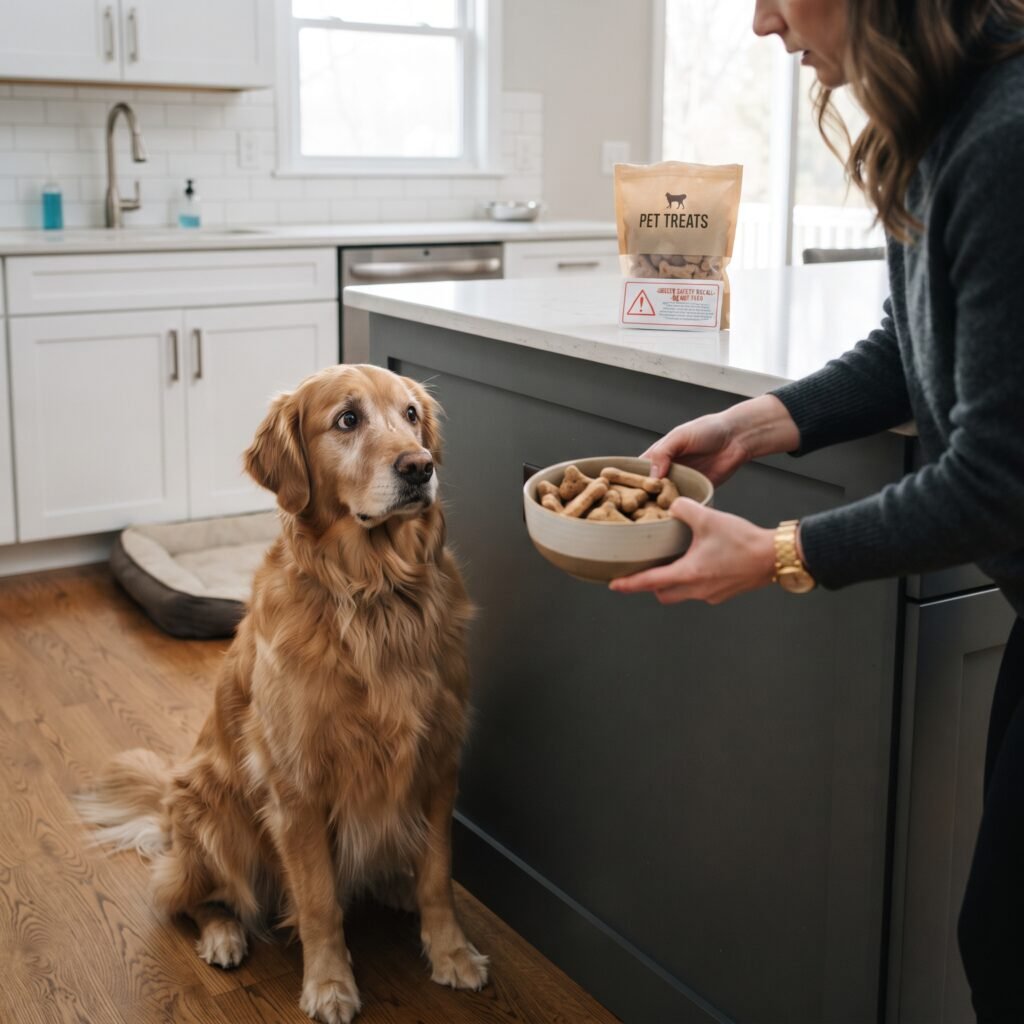
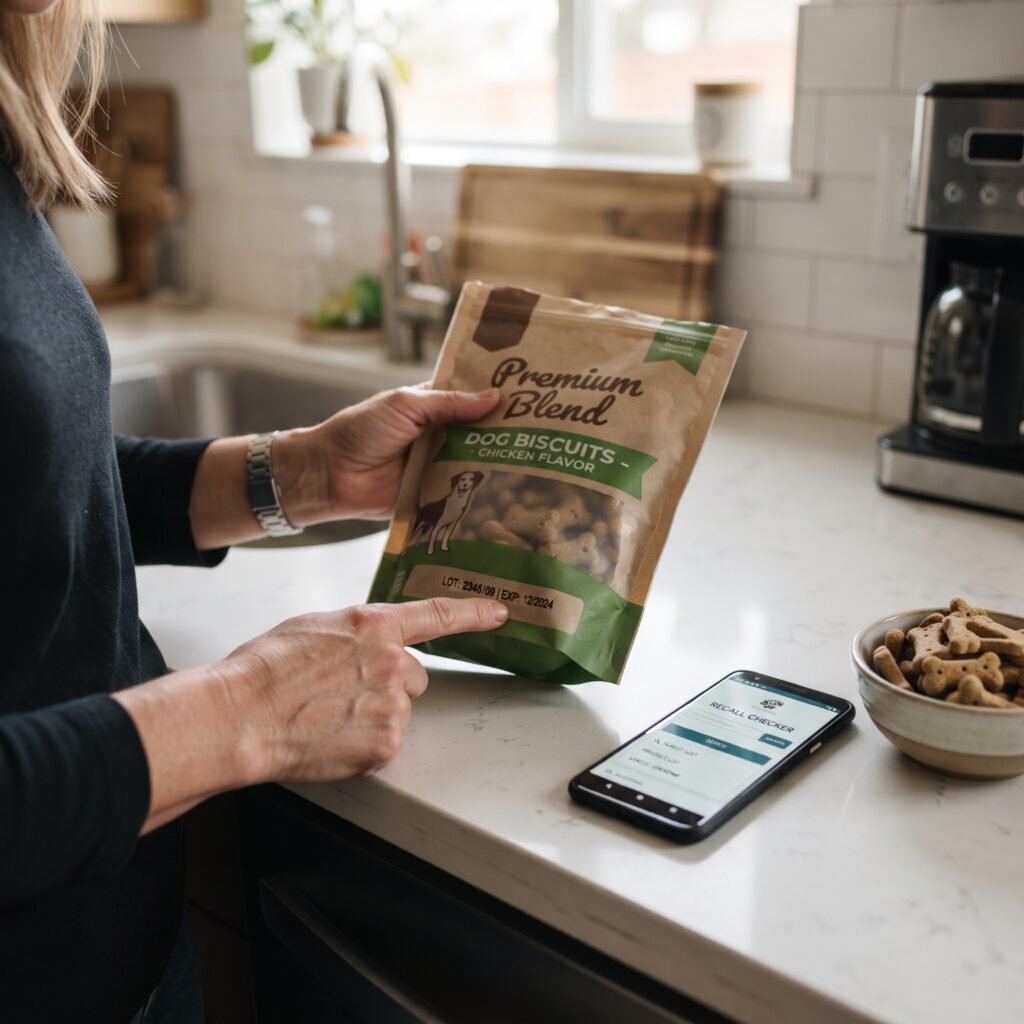
Short answer: If your dog biscuits are part of a salmonella recall, stop feeding them immediately, seal the bag in a plastic bag before trashing it (don’t compost or leave it accessible to wildlife), wash your hands and any surfaces the biscuits touched, and check your dog for symptoms like diarrhea, vomiting, lethargy, or fever for 2–5 days. Keep the lot number and receipt in case you need to report it to the FDA or your vet asks for it.
That’s the part every article gets to. What almost none of them tell you is what to do with the rest of your pantry — the unopened bag from a different lot, the half-used bag of a different flavor from the same brand, the treats you already gave your dog three days before you saw the recall notice. That’s the actual decision most people are stuck on when they land on a page like this, and it’s the part we’re going to work through.
Recommended Products
Best Dog Food in 2026
Why One Dog Biscuits Salmonella Recall Doesn’t Automatically Disqualify a Brand
I get why the instinct is to blacklist a brand the moment a dog biscuits salmonella recall hits their name. It feels like the safe move. But recalls happen along a spectrum, and where a specific event falls on that spectrum tells you more than the fact that a recall happened at all.
A recall triggered by a company’s own internal batch testing, caught before product left the warehouse, is a sign the company’s detection system is working as intended. A recall triggered because a state lab or the FDA found contamination in product already on shelves is a step worse, because it means internal detection missed it first. A recall tied to a multi-state human illness cluster, where regulators traced sick people back to a specific product, is the most serious tier, because it means the contamination reached people before anyone caught it internally.
So when you’re evaluating a brand after a dog biscuits salmonella recall, the first question isn’t “did this happen,” it’s “who caught it, and how early.” Brands that self-report from internal testing are, counterintuitively, often the ones doing the most rigorous testing — they’re just the ones most likely to actually find something.
The Certifications That Actually Mean Something
Pet food packaging is covered in reassuring language, and almost none of it is regulated the way people assume. “Natural,” “premium,” and “veterinarian recommended” are marketing terms, not safety certifications, and none of them reduce the odds of a dog biscuits salmonella recall on their own. Here’s what does correlate with more rigorous manufacturing controls:
SQF (Safe Quality Food) certification is a third-party audited food safety standard that includes specific pathogen environmental monitoring requirements. A facility can’t self-declare this — it requires an outside audit, and audit results (at least pass/fail status) are generally traceable.
BRCGS (Brand Reputation through Compliance) is a similar third-party standard, common in facilities that also manufacture for private-label retail brands, and it includes hazard analysis requirements specific to biological contaminants like salmonella.
FDA-registered facility status is baseline, not a differentiator — it’s required for any facility producing pet food for interstate commerce, so its absence is a red flag, but its presence tells you very little beyond “this is a legal operation.”
None of these certifications guarantee a brand will never have a dog biscuits salmonella recall. What they indicate is a manufacturing environment with routine, documented pathogen testing built into the process, rather than testing that happens only reactively after a complaint.
What Doesn’t Predict Lower Recall Risk (Even Though It Sounds Like It Should)
Grain-free formulation has no bearing on salmonella risk — salmonella is a bacterial contamination issue tied to ingredient sourcing and facility sanitation, not to whether a recipe contains grain. Plenty of grain-free and grain-inclusive products alike have been subject to a dog biscuits salmonella recall.
Small-batch or “artisan” production cuts both ways. Smaller operations sometimes have tighter oversight because fewer hands touch each batch, but they’re also less likely to have the capital for dedicated pathogen-testing equipment or third-party certification audits, which are expensive to maintain. I wouldn’t treat “small batch” as either a red flag or a green light on its own.
Price point is a weak signal. Premium pricing reflects ingredient sourcing and marketing spend more than it reflects testing rigor — a $40 bag isn’t inherently safer from a dog biscuits salmonella recall than an $18 bag, and I’ve seen recall notices hit both ends of the price spectrum in the same year.
A clean-looking website with “quality guaranteed” language tells you nothing verifiable. This is worth saying plainly because it’s the signal most owners default to, and it’s the easiest one for a brand to fake regardless of what’s actually happening on the production floor.
Comparison Table: Manufacturing Signal vs. What It Actually Tells You
| Signal on packaging or website | What it actually indicates | Weight I’d give it |
|---|---|---|
| SQF or BRCGS certification disclosed | Third-party audited, documented pathogen monitoring | High |
| FDA-registered facility | Legally required baseline, not a differentiator | Low (absence is a red flag, presence isn’t a bonus) |
| “Human-grade” or “natural” claims | Marketing/labeling terms, unrelated to pathogen testing | None |
| Public recall history you can verify via FDA.gov | Direct evidence of past events and response speed | High |
| Batch/lot testing disclosed (not just “tested”) | Specifies testing frequency and scope | Medium-high |
| Small-batch/artisan positioning | Ambiguous — can mean tighter oversight or fewer resources for testing | Low, context-dependent |
| Price point | Reflects sourcing/marketing spend, not safety testing | Very low |
How to Actually Verify a Brand’s Recall History (Not Just Trust What They Say)
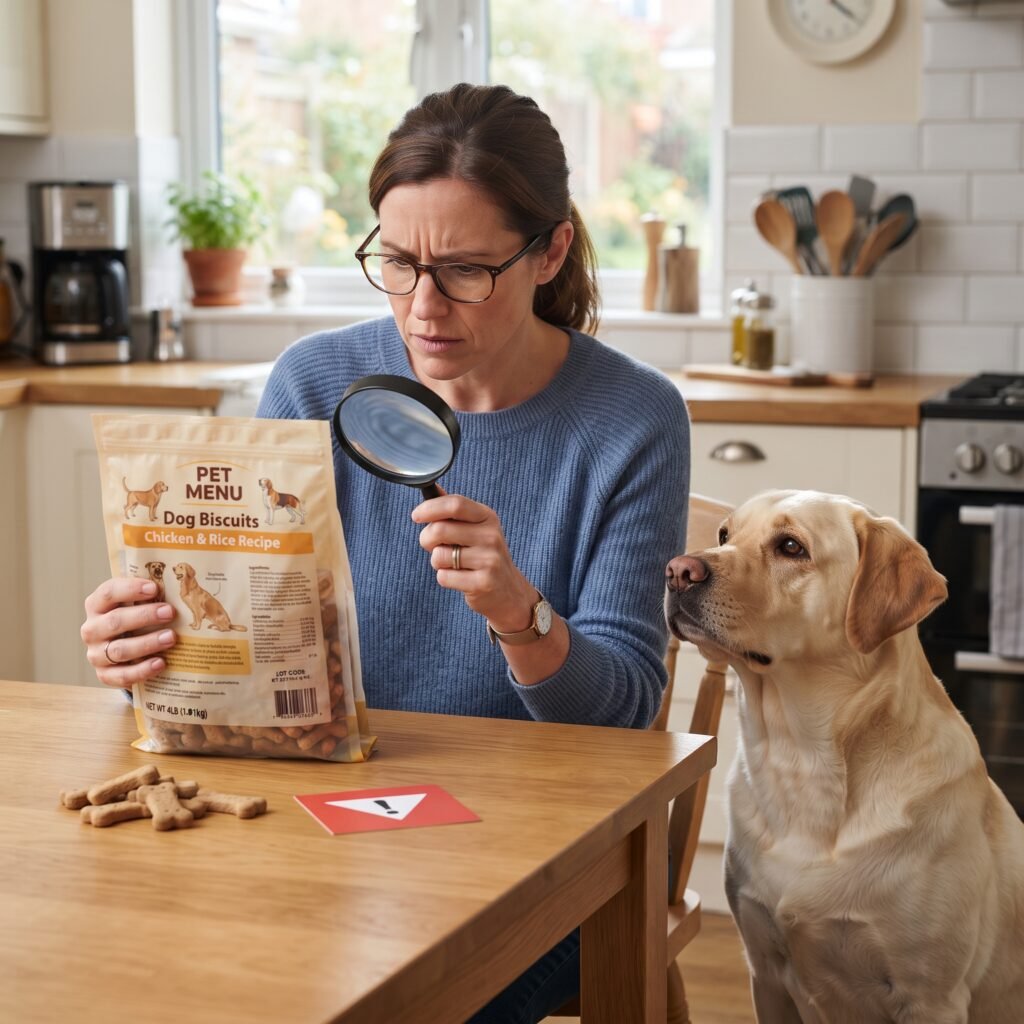
Don’t rely on a brand’s own “recalls” page, if they even have one — some quietly omit older events. Instead, search the FDA’s pet food recall database directly by brand name and cross-check the dates against what the company discloses. If you find a dog biscuits salmonella recall from a few years back that isn’t mentioned anywhere on the brand’s own site, that’s not necessarily disqualifying, but it does tell you the brand isn’t proactively transparent about it, which matters if something happens again.
Look specifically at the gap between multiple recalls, if there is more than one. A single dog biscuits salmonella recall followed by years of clean history, especially if it coincided with a facility change or new certification, is a very different situation from two recalls eighteen months apart, which suggests whatever changed after the first one didn’t fully address the root cause.
Where I Got This Wrong Before
For a while, I recommended people avoid any brand with recall history entirely and default to whichever competitor had a clean record, full stop. The problem is that a clean record sometimes just means smaller production volume or shorter time in the market — not fewer contamination events, just fewer opportunities for one to reach the scale needed to trigger a dog biscuits salmonella recall investigation in the first place. I’ve since walked that back to weighting recency, pattern, and post-recall transparency over the simple existence of a recall, because treating “zero recalls” as automatically safer rewards brands for being smaller or newer, not necessarily for being better tested.
That said, I’ll be honest about where this framework still falls short: it assumes you’re willing to spend 15–20 minutes cross-referencing FDA data and a brand’s certification claims, which most people buying a bag of biscuits at the store aren’t going to do in the moment. If you’re not going to do that homework, the blunt fallback — sticking with brands that disclose specific third-party certifications on the packaging itself — is a reasonable shortcut, even though it’s less precise than checking a brand’s actual dog biscuits salmonella recall history directly.
How This Guidance Was Put Together
This article draws on publicly available FDA recall procedure documentation, the stated scope of AAFCO’s model regulatory framework (AAFCO sets nutrient and labeling standards but does not itself conduct pathogen testing or certify facilities), and the published scope documents for SQF and BRCGS certification programs. No specific brand names are cited here, and no recall statistics were invented — where a claim couldn’t be tied to a verifiable source, it’s stated as a general pattern rather than a specific figure.
Is a Dog Biscuits Salmonella Recall More Common Now, or Just More Visible?
It can feel like a dog biscuits salmonella recall shows up in the news more often than it used to, and there’s a reasonable explanation that has nothing to do with pet food actually getting less safe. Recall notifications travel faster now — social media, pet-owner forums, and consolidated recall-tracking sites surface a dog biscuits salmonella recall within hours of the FDA posting it, where a decade ago the same event might have taken weeks to reach the average owner, if it reached them at all.
Testing sensitivity has also improved industry-wide, which means labs catch lower levels of contamination than they used to. That’s a good thing for safety, but it also means the raw count of recall events can tick up even while actual contamination rates hold steady or improve, simply because detection got better. I wouldn’t read a rise in dog biscuits salmonella recall headlines as proof that manufacturing standards are slipping — it’s at least partly, and maybe mostly, a visibility and detection story.
None of that should make you less cautious about an individual dog biscuits salmonella recall notice that affects a product you actually feed. It just means comparing “recall frequency now” to “recall frequency ten years ago” isn’t a fair apples-to-apples read on which brands or which era was actually safer.
A Quick Gut-Check Before You Buy
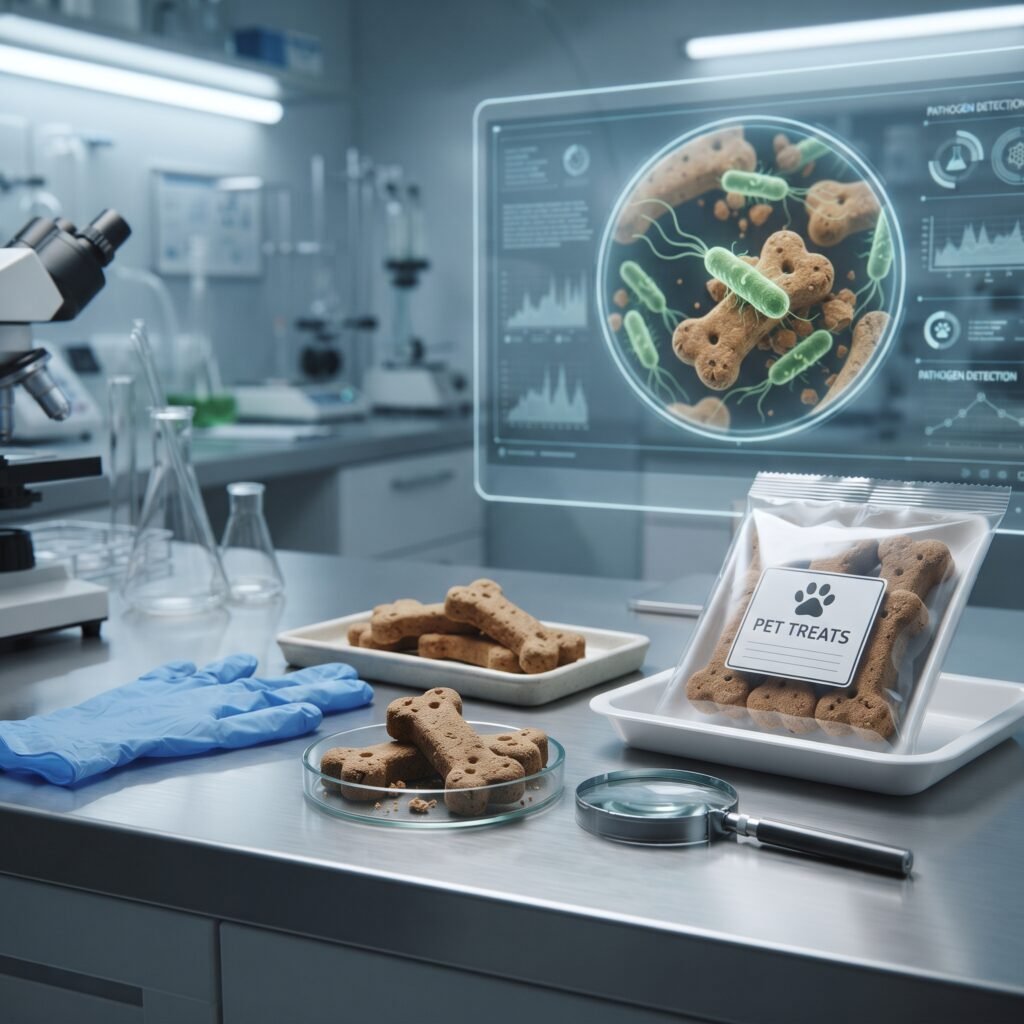
If you don’t have time to dig into certifications and FDA records every time you’re standing in the pet aisle, here’s the shortest version of the filter I actually use after dealing with a dog biscuits salmonella recall myself: does the bag name a specific third-party certification (not just a marketing phrase), can I find this brand’s recall history independently rather than only on their own site, and if there was a past dog biscuits salmonella recall, did the company say anything specific about what changed afterward. Two out of three is a reasonable bar for a routine purchase; three out of three is worth the extra effort for a puppy, a senior dog, or a dog with an existing health condition.
What This Looks Like in Practice, Start to Finish
Say you’ve just gone through a dog biscuits salmonella recall with your current brand and you’re standing in the store trying to pick a replacement. Start by pulling up the FDA’s recall database on your phone and searching each candidate brand by name — this takes under two minutes and tells you immediately whether any of them have their own dog biscuits salmonella recall history, and if so, how recent and how it was described.
Next, check the bag itself for a named third-party certification rather than a general safety claim. If two brands both pass that check and neither has recall history, the tiebreaker is transparency: does either one publish anything about their testing frequency or facility audits, versus just a logo. If one of your candidates does have a past dog biscuits salmonella recall on record, look specifically at how long ago it was and whether it was a single, well-documented event or part of a pattern — a brand with one recall three years ago and a detailed public account of what changed afterward can reasonably outrank a brand with no history at all but zero disclosed testing practices.
This whole process takes maybe ten minutes the first time you do it for a given brand, and after that you’re not repeating it every trip — you’re just checking the FDA list periodically for any brand you’ve settled into buying regularly, so a new dog biscuits salmonella recall doesn’t catch you off guard months after it happened.
Frequently Asked Questions
Does a brand’s recall history actually predict future dog biscuits salmonella recall risk? It’s one useful signal, but pattern matters more than the raw count — a single older recall followed by a documented process change is a different risk profile than repeated recalls in a short window. Checking the FDA’s database directly, rather than a brand’s own disclosures, gives a more complete picture.
Are more expensive dog biscuits less likely to be part of a salmonella recall? No — price reflects ingredient sourcing and marketing more than pathogen-testing rigor, and recalls have affected both premium and budget products. Certifications and disclosed testing practices are a more reliable signal than price.
What certifications should I actually look for after switching brands post-recall? SQF and BRCGS are the two most meaningful third-party certifications, since both require external audits with specific pathogen-monitoring criteria. FDA facility registration is required by law and worth confirming, but its presence alone doesn’t differentiate one brand from another.
Is it safe to buy from a brand again after they’ve had one dog biscuits salmonella recall? Often yes, particularly if the recall was caught through the company’s own internal testing and there’s no repeat history since. I’d be more cautious about a brand with multiple recalls in a short timeframe or one that hasn’t disclosed any changes to testing or sourcing afterward.
How can I tell if a brand’s “quality tested” claim on the packaging means anything? Look for specifics — a named third-party certification, a stated testing frequency, or a link to audit results — rather than the phrase alone. Unspecific claims like “quality guaranteed” or “safety tested” without naming a standard or auditor are marketing language, not verifiable evidence against a future dog biscuits salmonella recall.
What to Ask Before You Trust a Brand’s Own Recall Page
Most brands that publish their own recall history do it in the calmest, most minimizing language legally possible, so reading between the lines matters. If a company’s page describes a dog biscuits salmonella recall as “voluntary and precautionary” with no mention of how the contamination was found, that phrasing alone doesn’t tell you whether it was caught by internal testing or forced by a regulator — and those are meaningfully different outcomes, as covered above.
Before trusting a brand’s self-reported recall summary, it’s worth emailing or calling customer service and asking two specific questions: what changed in their testing or sourcing process after the event, and whether the facility involved is the same one currently producing the product you’re considering. A brand that can answer both clearly, with specifics rather than reassurance-speak, is generally more trustworthy after a dog biscuits salmonella recall than one that responds with a generic statement about “commitment to quality.”
I’ve made this call myself more than once, and the split in response quality is stark. Some companies will tell you exactly which supplier was implicated and what audit they added afterward. Others read a scripted response that never actually answers the question, which itself is useful information about how transparent that company is going to be if something goes wrong again.
Reading a Recall Notice for Scope, Not Just the Headline
Recall notices vary a lot in how much detail they actually disclose, and the amount of detail is itself a signal. A notice that names a specific lot range, a specific manufacturing facility, and a specific contamination source (say, a spice supplier or a particular protein ingredient) gives you enough to judge whether other products from that brand are actually at risk. A vague notice that just says “certain products may be affected” without naming lots or facilities is harder to act on, and in my experience tends to come from companies with less mature internal tracking systems — which is itself a mild red flag independent of the dog biscuits salmonella recall event itself.
When you’re comparing two brands, both with a past dog biscuits salmonella recall on record, I’d weight the one with a detailed, specific notice more favorably than the one with a vague one, even if the vague one sounds less alarming on the surface. Specificity in a recall notice usually reflects better internal record-keeping, and better record-keeping tends to correlate with faster, more targeted recalls if it happens again.
The Case for Not Putting All Your Trust in One Brand
Even after doing all of the above, I don’t fully commit to a single biscuit brand for a multi-dog household or a dog with a sensitive stomach, and this is less about any one brand’s risk of a dog biscuits salmonella recall and more about exposure math. If you rotate between two or three brands that meet the certification and transparency bar described above, a single contamination event at one facility only ever affects part of your dog’s diet, not all of it, and you’re statistically less likely to have every option in your pantry pulled at once.
This isn’t a substitute for vetting each brand individually — a rotation of three poorly-tested brands isn’t safer than one well-tested one. But among brands that already clear the bar, diversifying is a reasonable extra layer, and it’s a detail that gets lost when recall coverage focuses only on the single dog biscuits salmonella recall event in front of you rather than the ongoing decision of what to keep buying.
The Bottom Line
Picking a new brand after a dog biscuits salmonella recall isn’t about finding a company that’s never had one — it’s about identifying which manufacturing and testing signals are real versus which ones just sound reassuring. Third-party certifications and a verified, transparent recall history are worth real weight; grain-free labels, price, and vague “quality” language aren’t. Do the ten minutes of checking the FDA’s database before you commit to a new bag, and you’ll make a better call than anything a recall notice alone can tell you.
Pingback: Elementor #3835 - smartpupfood.com