Taste of the Wild Dog Food: Is Appalachian Valley Right for a Small Dog?
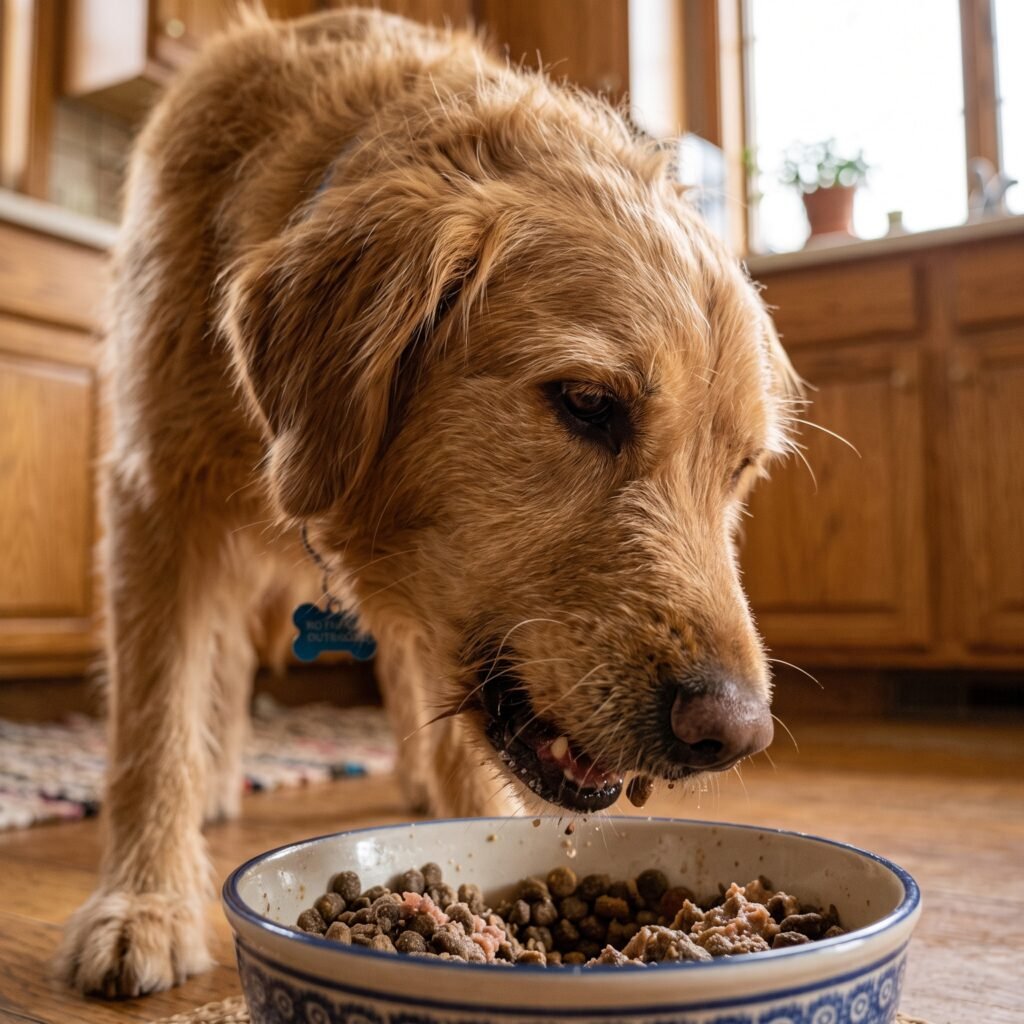
Quick answer: Taste of the Wild dog food is a mid-premium, protein-forward brand made by Diamond Pet Foods. Its Appalachian Valley Small Breed recipe uses venison and lamb meal as primary proteins with a legume-heavy grain-free base. It’s a solid nutritional match for most healthy small dogs, but owners of breeds prone to heart issues should know what’s actually in the bag before choosing it over TOTW’s grain-inclusive lines..
Why Appalachian Valley Isn’t a No-Brainer Pick for Every Small Dog
Taste of the wild dog food built its reputation on “ancestral” ingredient lists — bison, venison, roasted duck — and that reputation carries real weight with owners tired of corn-and-soy fillers. But the moment you flip the bag over on the Appalachian Valley Small Breed recipe, you run into a decision that’s more complicated than “grain-free good, grain bad.”
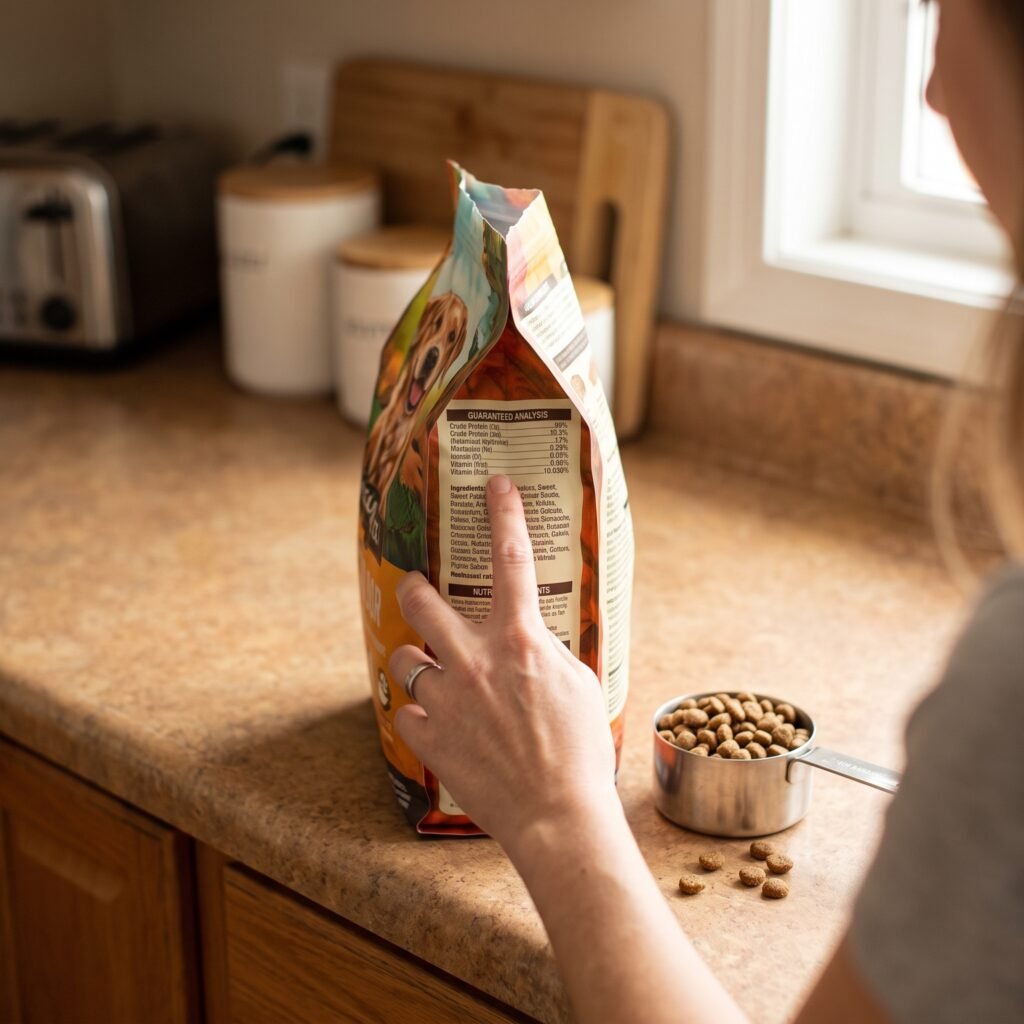
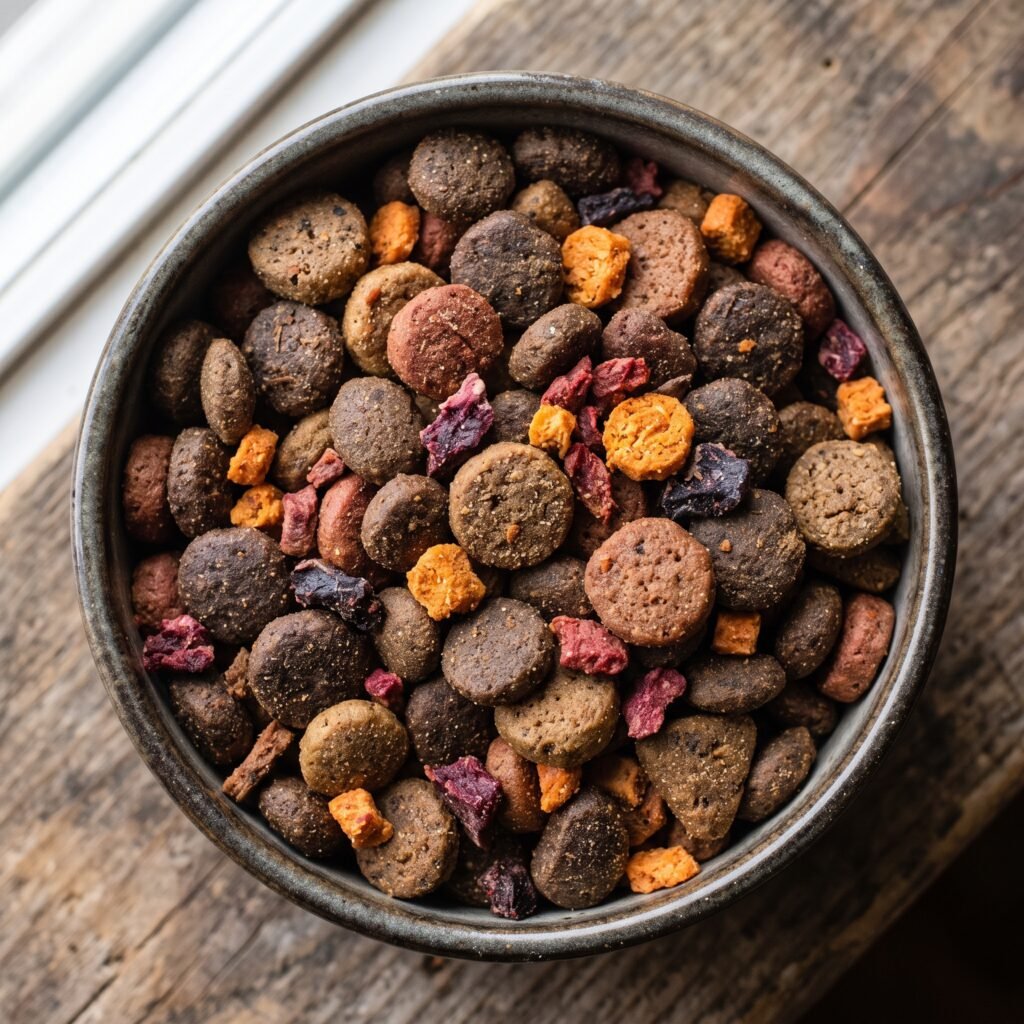
The ingredient panel reads: venison, lamb meal, garbanzo beans, peas, lentils, pea protein, canola oil, egg product, duck meal, pea flour, tomato pomace, followed by a long list of fermentation products and chelated minerals. Count the legume forms in that first ten: garbanzo beans, peas, lentils, pea protein, and pea flour — five separate pulse ingredients doing a lot of the formulation’s structural work. Amazon
That matters because of a specific, well-documented FDA thread that most taste of the wild dog food reviews skip entirely or oversimplify.
What the FDA Actually Found About Legume-Heavy Grain-Free Diets
In 2018, the FDA’s Center for Veterinary Medicine began investigating case reports of nonhereditary canine dilated cardiomyopathy (DCM) linked to certain dog foods, many labeled grain-free, that contained a high proportion of peas, lentils, other legume seeds or pulses, and potatoes as main ingredients. Critically, the adverse event reports involved breeds not typically genetically prone to the disease — meaning the concern wasn’t limited to Dobermans and Great Danes, the classic DCM breeds. FDAFDA
By 2019, the FDA had concluded that the potential association between diet and DCM was a complex scientific issue likely to involve multiple factors, not a simple one-ingredient cause. The data behind that caution is worth sitting with: over 90% of reported DCM cases involved grain-free diets, and 93% of reported diets contained peas and/or lentils, according to FDA figures. At the same time, DCM was also reported in dogs eating grain-inclusive, raw, novel-protein, vegetarian, and vegan diets from numerous manufacturers, and the agency has not recommended any food recalls and is not advising dietary changes across the board. Bestie Paws + 3
By late 2022, the FDA stated the reports did not supply sufficient data to establish a causal relationship with any specific product, and said it would not release further public updates unless meaningful new scientific information emerged. That’s not an exoneration and it’s not a conviction. It’s an open file. nutrition rvn
Here’s the detail most articles bury: most reported cases involved extended feeding of the same high-legume formula for one to several years, not weeks, and reporting surged immediately after the investigation went public — a known pattern in adverse-event tracking once awareness rises. That doesn’t dismiss the concern, but it does mean panic-switching foods after one bag isn’t the rational response either way. PetSmartPetSmart
So Should a Small Breed Owner Worry About Appalachian Valley Specifically?
This is where size actually matters, and where I’ve had to walk real clients through the same math. Small and toy breeds are underrepresented in the DCM case reports relative to their share of the pet population — most of the alarming reports involved medium-to-large dogs, and hereditary DCM itself is a large-breed problem. That doesn’t mean small dogs are immune to diet-related cardiac stress, but it does mean the risk calculus for a 12-pound Yorkie eating Appalachian Valley isn’t identical to the risk calculus for a 70-pound Lab on a similar formula.
Where I’ve seen this go wrong in practice: an owner with a small dog that already has a diagnosed or suspected cardiac murmur switches to Appalachian Valley purely because it’s “grain-free and premium,” without connecting the legume density to the exact FDA concern above. That’s the one scenario where I’d actively steer someone toward a different taste of the wild dog food recipe — specifically one of the brand’s ancient-grain lines, which drop the pea-and-lentil load significantly by reintroducing sorghum, millet, or oats as structural carbohydrates.
Where it goes right: a healthy small dog with no cardiac history, no family history of the disease, and a vet who’s comfortable with grain-free feeding. In that case, Appalachian Valley’s protein and fat profile is genuinely well-suited to an active small dog’s energy needs, and the legume-DCM link, while real as an open question, hasn’t been shown to be a small-breed-specific hazard.
I’ll say the thing most brand-adjacent reviews won’t: Appalachian Valley is not a good match for a dog with a sensitive stomach that also reacts to legumes. I worked through a case with a reader whose 9-pound Chihuahua mix did fine on protein and fat but developed loose stool that resolved only after switching off a pea-forward formula entirely — not just this one, but the category. If your dog has shown any legume sensitivity on a prior food, this recipe’s five separate pea and lentil derivatives make it a poor test case, regardless of how good the venison sourcing is.
Taste of the Wild Appalachian Valley: Guaranteed Analysis
| Nutrient | Guaranteed Minimum/Maximum |
|---|---|
| Crude Protein | 32.0% min |
| Crude Fat | 18.0% min |
| Crude Fiber | 4.0% max |
| Moisture | 10.0% max |
| Omega-6 Fatty Acids | 2.8% min |
| Omega-3 Fatty Acids | 0.3% min |
| Taurine | 0.12% min |
These figures come directly from the product’s guaranteed analysis panel. The taurine inclusion is worth noting on its own — taurine deficiency is a separate, better-understood cause of DCM in some breeds, and formulas that guarantee a taurine minimum are addressing that specific risk pathway directly, distinct from the legume question above.
Comparing Appalachian Valley to TOTW’s Grain-Inclusive Options
| Recipe | Base Carb Source | Protein % | Legume Position | Best For |
|---|---|---|---|---|
| Appalachian Valley (Small Breed) | Peas, lentils, garbanzo beans | 32% | Ingredients 3–6 | Healthy small dogs, no cardiac history |
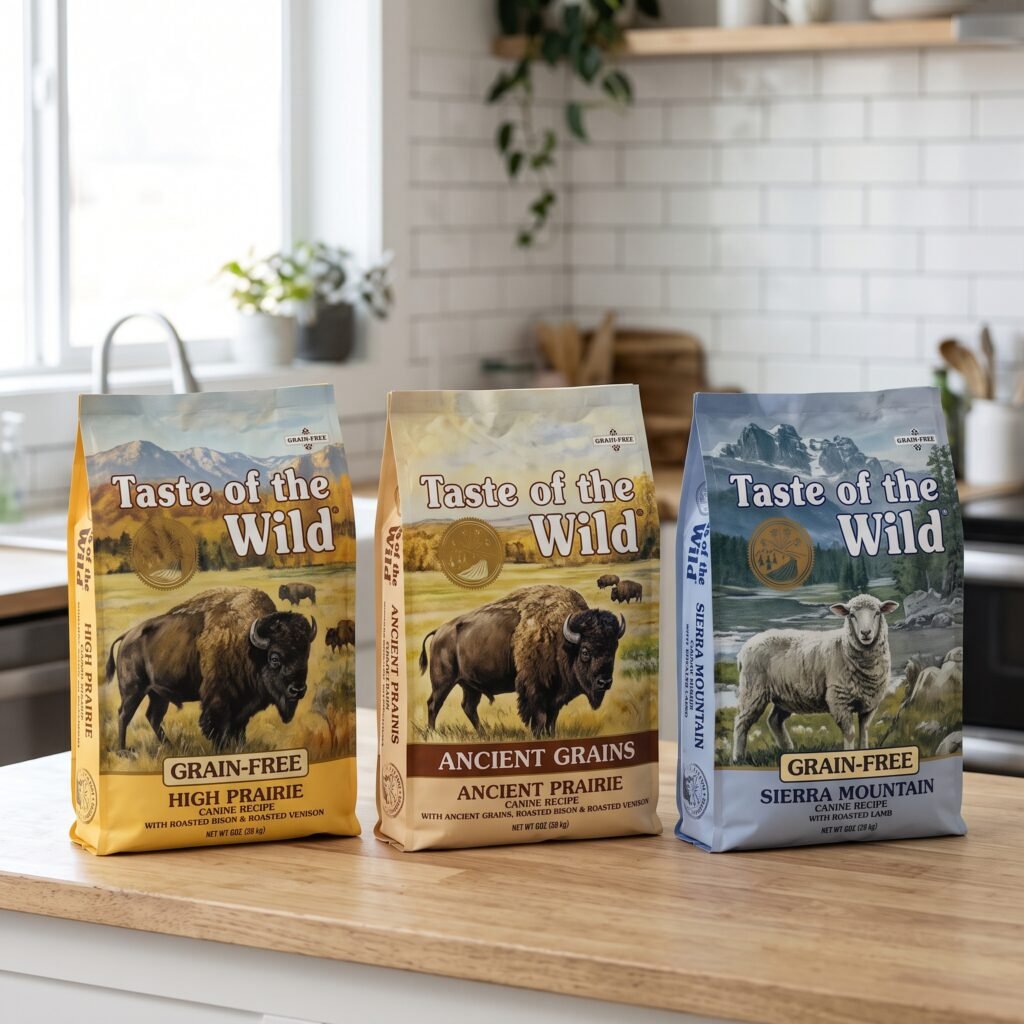
| Ancient Prairie (Bison/Venison, Ancient Grains) | Sorghum, millet | ~32% | Minimal/absent from top 10 | Small dogs with cardiac caution or legume sensitivity |
| High Prairie Puppy | Peas, lentils | ~28% | Present, lower proportion | Growing small/medium puppies |
This table is the practical takeaway: if the DCM question gives you pause, taste of the wild dog food still has you covered — you don’t have to leave the brand, just shift lines.
Is Taste of the Wild Good Dog Food? What the Recall History Tells You
Answering “is taste of the wild good dog food” honestly means looking past marketing copy at the safety record. Taste of the Wild has had one recall, in May 2012, due to potential salmonella contamination, tied to a broader Diamond Pet Foods manufacturing issue that also sickened people handling the contaminated product across multiple states. There have been no further recalls in the years since, and the brand has stayed off the FDA’s active recall list through 2024–2026 reporting. Wag! Dog Walking + 2
The brand has also faced civil litigation rather than recalls: a 2018 class action alleged undisclosed heavy metals, pesticides, acrylamide, and BPA in the food. Lawsuits alleging contamination are not the same as a confirmed, agency-verified recall, and it’s worth being precise about that distinction rather than treating every taste of the wild dog food reviews thread’s mention of “lawsuits” as equivalent to “recalled product.” Wag! Dog Walking
Methodology note: This assessment was built by cross-referencing the current Appalachian Valley ingredient panel and guaranteed analysis against AAFCO’s published Dog Food Nutrient Profiles, checking the FDA’s recall database and DCM investigation pages directly rather than relying on secondhand summaries, and comparing legume placement across TOTW’s own product line.
FAQ
Is taste of the wild dog food good for small breeds specifically?
Yes, for most healthy small dogs — Appalachian Valley is formulated with a smaller kibble size and high protein-to-portion ratio suited to small-breed metabolisms. It’s a better fit for dogs without cardiac risk factors or legume sensitivity.
Is taste of the wild dog food grain-free across the whole line?
No. Taste of the Wild offers both grain-free and ancient-grain formulas, so owners concerned about the legume-DCM question can stay with the brand while switching lines. Petsense
Does taste of the wild dog food cause DCM in dogs?
No causal link has been established for this or any specific brand. The FDA has flagged legume-heavy grain-free formulas broadly as an area of ongoing, inconclusive investigation, not condemned any single product.
What do taste of the wild dog food reviews say about recalls?
Most credible reviews confirm a single 2012 salmonella recall with no repeat incidents since, though the brand has faced separate lawsuits over ingredient-disclosure claims that didn’t result in recalls.
Is taste of the wild dog food review consensus positive overall?
Generally yes — reviewers consistently praise ingredient quality and protein sourcing while flagging the recall history and legume-DCM question as the two points warranting a closer look before buying.
Conclusion
Taste of the wild dog food, and Appalachian Valley specifically, is a legitimately good option for the right small dog — not a universal yes. The real decision isn’t “is taste of the wild dog food good dog food” in the abstract; it’s whether your specific dog’s cardiac history and digestive tolerance line up with a legume-forward grain-free formula, or whether one of the brand’s ancient-grain recipes is the smarter starting point. Check the ingredient panel, not just the marketing, before you commit to a bag.