
Best Meat for Dogs: A Complete Protein Guide for Every Dog
If you've ever stood in the pet food aisle trying to make sense of the protein options on the label, you're not alone.

The question of best meat for dogs comes up constantly among dog owners — whether you’re buying commercial kibble, building a fresh-food diet, or simply trying to decide what to toss your dog from the dinner table. With chicken, beef, salmon, turkey, lamb, duck, venison, and a dozen more options available, the choices can feel overwhelming.
The honest answer from veterinary nutritionists: there’s no single best meat for dog food that applies universally. Every protein brings something different to the table, and the smartest approach involves understanding what each one offers, then matching that to your specific dog’s needs, sensitivities, and life stage. That’s exactly what this guide breaks down — so you can make a genuinely informed decision rather than simply grabbing whatever’s on sale.
Whether you’re trying to understand what meat is best for dogs with allergies, figure out the best meats for dogs who need to lose weight, or simply learn what separates a high-quality protein source from a low-quality one, you’ll find the full picture here.
Table of Contents
- Why Protein Is So Critical in a Dog’s Diet
- What Makes a Meat High Quality?
- Chicken: The Most Popular Best Meat for Dog Food
- Beef: Best Meat for Active and High-Energy Dogs
- Turkey: Best Lean Meat for Dogs Needing Weight Control
- Salmon and Fish: Best Meat for Dogs’ Skin and Coat
- Lamb: Best Meat for Dogs With Sensitivities
- Duck: A Novel Best Meat for Picky or Allergic Dogs
- Venison and Rabbit: Best Meats for Dogs With Severe Sensitivities
- Pork: An Underrated Option
- Organ Meats: Why They Deserve a Place in the Bowl
- Best Meat for Dogs by Life Stage
- Best Meats for Dogs by Health Condition
- Protein Comparison Table: Best Meats for Dogs at a Glance
- Rotational Feeding: Why Variety Matters
- What to Look for on a Dog Food Label
- FAQ: Best Meat for Dogs
- Conclusion
Why Protein Is So Critical in a Dog’s Diet
Before diving into which specific protein qualifies as the best meat for dogs, it helps to understand why meat matters so much in canine nutrition in the first place.
Dogs are biologically adapted for meat-based diets. Their digestive systems feature a highly acidic stomach environment and a shorter small intestine specifically suited to breaking down and absorbing animal proteins efficiently. Meat provides:
- Complete protein containing all essential amino acids dogs can’t produce on their own
- B vitamins supporting energy metabolism and nervous system function
- Iron and zinc supporting red blood cell production and immune function
- Selenium supporting thyroid health and antioxidant defense
- Natural fats providing dense, sustained energy
The Kennel Club notes that active dogs should receive food with a guaranteed minimum protein level of around 26% or higher to support the increased protein turnover that comes with regular physical exertion. Less active dogs can do well with somewhat lower protein levels, provided quality remains high.
This is why understanding the best meat for dog food formulas isn’t just trivia — it directly affects your dog’s energy, muscle condition, immune function, and long-term health.
What Makes a Meat High Quality?
Not all protein is created equal, even within the same animal species. Several factors determine whether a meat source counts as genuinely high quality.
Key Quality Indicators
- Named animal protein first — the ingredient list should specify the animal: chicken, beef, lamb, salmon — not simply “meat” or “animal protein”
- Whole muscle meat vs. meat meal — whole meat is higher moisture but also less processed; meat meal is more concentrated but varies widely in quality
- Bioavailability — how efficiently the dog’s body can absorb and use the protein, which varies between sources
- Fat content relative to your dog’s needs — higher fat meats suit active or underweight dogs; leaner meats suit seniors or dogs managing weight
- Sourcing transparency — knowing where the meat comes from reflects overall quality standards
With these criteria in mind, let’s examine each major protein and what makes it a strong or situational choice as the best meat for dogs.
Chicken: The Most Popular Best Meat for Dog Food
Chicken is the most widely used protein in commercial dog food, and for good reason. When asking what meat is best for dogs as an everyday baseline, chicken ranks among the top answers across veterinary and nutritional sources.
Why Chicken Stands Out
- Highest digestibility among common meat sources — easier on the digestive system than red meats
- Complete amino acid profile, providing all nine essential amino acids in a single source
- Naturally high in B vitamins including B6 and B3, supporting energy metabolism and cardiovascular health
- Rich in selenium, supporting immune and thyroid function
- Glucosamine content, naturally supporting joint health without supplementation
- Lean protein — particularly in breast meat, making it ideal for weight management
- High palatability — most dogs enjoy chicken readily, making it a reliable base for picky eaters or new dietary transitions
When Chicken Might Not Be the Best Meat for Dogs
Chicken is also one of the most common protein allergens in dogs. If your dog shows signs of food sensitivity — chronic itching, ear infections, or digestive upset — chicken is often among the first proteins a veterinarian recommends eliminating to identify the trigger. For allergy-prone dogs, rotating away from chicken periodically or choosing a novel protein altogether may be more appropriate.
Beef: Best Meat for Active and High-Energy Dogs
For dogs with higher energy demands — working breeds, active sporting dogs, or dogs that simply run hard every day — best meat for dogs conversations frequently point toward beef.
Beef’s Key Nutritional Advantages
- Iron-dense — beef provides more bioavailable iron than poultry, supporting oxygen transport and sustained energy
- Complete amino acid profile, including all 10 essential amino acids supporting muscle repair and immune function
- Higher fat content than poultry — beneficial for active dogs needing calorie density, though worth monitoring in less active dogs
- Rich in zinc supporting immune function and coat health
- Excellent palatability — many dogs find beef highly motivating, making it a good choice for picky eaters
Grass-fed beef specifically offers a more favorable omega-3 to omega-6 ratio than conventionally raised beef, which supports reduced systemic inflammation over time. When choosing best meat for dog food formulas, grass-fed beef or clearly sourced beef from reputable suppliers reflects a meaningful quality step up from vague “beef” ingredient listings.
Like chicken, beef is a relatively common allergen — if your dog develops sensitivity to it, one of the novel proteins later in this guide may be the better long-term protein foundation.

Turkey: Best Lean Meat for Dogs Needing Weight Control
Turkey occupies a valuable middle ground between chicken and beef — leaner than beef, slightly richer in flavor than plain chicken, and meaningfully lower in fat than many other protein sources. For dogs managing weight or those needing a lower-calorie protein option, what meat is best for dogs who are overweight often lands on turkey.
Turkey’s Nutritional Profile
- High protein-to-fat ratio — delivers substantial protein with considerably less fat than beef or lamb
- Rich in essential amino acids supporting muscle maintenance even during caloric restriction
- Good source of B vitamins including B12 and niacin
- Lower allergen risk than chicken — useful as an alternative for dogs that have developed chicken sensitivity
- Highly digestible — similar to chicken in terms of stomach tolerance
The AKC notes turkey as a recommended protein for dogs and specifically for overweight or less active individuals who need nutritional support without excess calorie loading.
Salmon and Fish: Best Meat for Dogs’ Skin and Coat
When the question shifts to what meat is best for dogs with skin issues, coat dullness, or chronic inflammation, fish — and salmon specifically — becomes the most consistently recommended answer by veterinary nutritionists.
Why Fish Is Uniquely Valuable
Unlike red meats and poultry, fish delivers its protein alongside highly bioavailable EPA and DHA omega-3 fatty acids — the same anti-inflammatory fatty acids that drive the most significant coat, skin, and joint health benefits in canine nutrition.
Specific Benefits of Fish-Based Proteins
- Omega-3 fatty acids (EPA and DHA) directly reduce systemic inflammation, supporting skin barrier function, joint comfort, and cardiovascular health
- Highly digestible protein — particularly beneficial for dogs with sensitive digestive systems or poultry allergies
- Low allergen risk — fish is generally less commonly associated with food sensitivities than chicken or beef
- Supports brain development — DHA is critical for puppies and aging senior dogs alike
- Natural appeal — most dogs respond enthusiastically to the strong smell and flavor
When considering best meats for dogs with allergies, dry skin, or inflammatory conditions, fish represents one of the strongest functional protein choices available. Salmon, whitefish, and sardines are the most commonly used varieties in quality commercial formulas.
Lamb: Best Meat for Dogs With Sensitivities
For dogs that have developed reactions to more common proteins like chicken or beef, lamb is frequently the first recommended alternative — making it a strong contender as best meat for dogs with moderate food sensitivities.
Why Lamb Works Well for Sensitive Dogs
- Novel protein relative to common allergens — dogs that haven’t been exposed to lamb repeatedly are less likely to have developed a sensitivity to it
- Rich in essential fatty acids providing energy alongside protein
- Good source of zinc, iron, and B12 supporting overall metabolic function
- Highly palatable — many dogs find lamb’s richer flavor more appealing than plain poultry, useful for encouraging eating in dogs with reduced appetite
- Moderate fat content — higher than turkey or chicken breast, but lower than some cuts of beef
Lamb is often found in limited-ingredient formulas specifically designed for digestive sensitivities, where keeping the protein source single and novel reduces the likelihood of triggering an allergic response.
Duck: A Novel Best Meat for Picky or Allergic Dogs
Duck is one of the more underutilized proteins in standard dog diets, which is actually one of its greatest advantages as a best meat for dogs category choice — its novelty means most dogs haven’t developed a sensitivity to it.
Duck’s Nutritional Contributions
- Highly palatable — the richer, gamier flavor profile appeals to many picky eaters who turn up their noses at chicken or plain turkey
- Novel protein — low existing-exposure risk for most dogs, making it useful in elimination diets
- Complete amino acid profile supporting muscle maintenance
- Digestible and tolerated well by dogs with poultry sensitivities (though dogs allergic specifically to poultry proteins broadly should consult a vet before trying duck)
- Higher fat content than turkey — worth noting for dogs managing weight
As best meat for dog food formulas become increasingly diverse, duck has moved from specialty product to mainstream ingredient in premium lines — reflecting both its palatability and its value as a rotation protein.
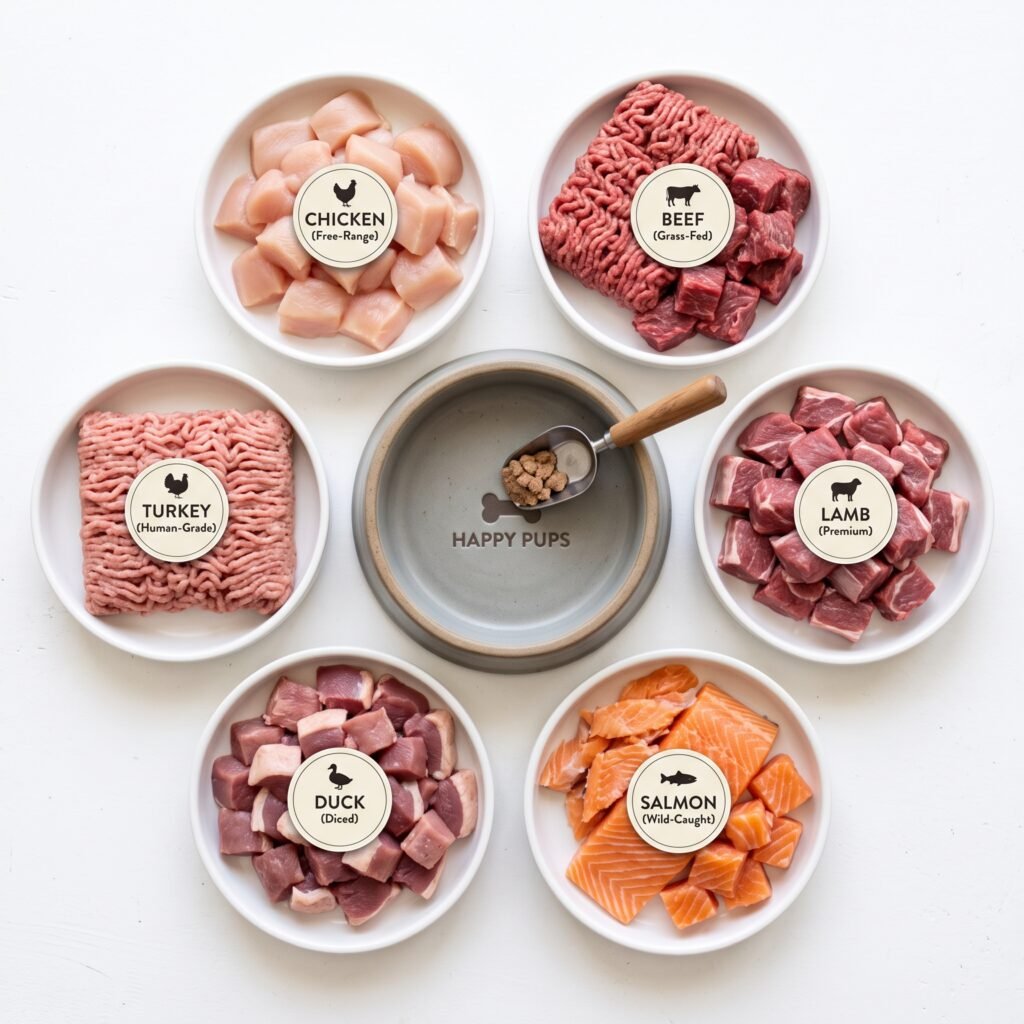
Venison and Rabbit: Best Meats for Dogs With Severe Sensitivities
For dogs with significant multi-protein food allergies or those undergoing a veterinarian-supervised elimination diet, venison and rabbit represent the best meats for dogs who have run out of common protein options.
Why These Proteins Are Recommended for Severe Sensitivity Cases
- True novel proteins — most dogs in Western countries have had minimal or no prior exposure to venison or rabbit, making these the lowest-risk choices for a genuinely clean elimination trial
- Lean, nutrient-dense profiles — venison in particular is rich in iron, zinc, and B vitamins while remaining lower in fat than beef
- Highly digestible — both proteins are well-tolerated even by dogs with historically sensitive digestive systems
- Full amino acid profiles supporting muscle maintenance despite the unusual protein source
The main practical consideration is cost and availability — venison and rabbit-based formulas are typically more expensive than chicken or beef options, and they’re less commonly stocked in standard retail locations. They’re best approached as therapeutic proteins for specific medical situations rather than everyday dietary choices for healthy dogs without protein sensitivities.
Pork: An Underrated Option
Pork is often overlooked in the best meat for dogs conversation despite offering real nutritional value as a canine protein source.
Pork’s Practical Advantages
- Novel enough to work for some sensitized dogs — pork is less commonly used than chicken or beef, so dogs that have developed reactions to those proteins sometimes tolerate pork well
- Naturally low in sodium — useful for dogs with certain cardiovascular health considerations
- High palatability — the flavor tends to appeal strongly to most dogs
- Good source of beneficial amino acids and fats supporting energy and satiety
Pork should always be fully cooked before feeding to dogs, and processed pork products (bacon, ham, sausage) should be avoided due to high sodium and seasoning content.
Organ Meats: Why They Deserve a Place in the Bowl
No guide to the best meat for dog food is complete without addressing organ meats, which are nutritionally distinct from muscle meat and often overlooked.
Key Organ Meats and Their Benefits
- Liver — one of the most nutrient-dense foods available, rich in vitamin A, iron, B vitamins, and CoQ10. Should be fed in moderation due to concentrated vitamin A content
- Heart — technically a muscle meat but rich in taurine and CoQ10, supporting cardiovascular health
- Kidney — good source of B vitamins and iron with a lower vitamin A concentration than liver
- Lung — lower nutrient density than other organs but still a useful lean protein addition
Organ meats work best as a percentage of a broader diet rather than as a primary protein source. A commonly referenced raw-feeding guideline suggests organ meats making up roughly 10% of the total diet, with liver specifically kept to around 5% to avoid vitamin A accumulation over time.
Best Meat for Dogs by Life Stage
What meat is best for dogs depends significantly on where they are in their life journey.
Puppies
Puppies need protein to build muscle, bone, and organ tissue during rapid growth phases. The best meats for dogs at this stage prioritize digestibility and complete amino acid profiles — chicken, turkey, and fish are typically recommended as starting proteins. Their high digestibility reduces the strain on a still-developing digestive system.
Adult Dogs
Adult dogs in good health have the most flexibility. This is the stage where rotational feeding — cycling through chicken, beef, salmon, turkey, and others — delivers the broadest nutritional coverage. Best meat for dogs in adulthood is ultimately the protein your dog digests well, maintains healthy weight on, and finds palatable consistently.
Senior Dogs
Senior dogs often benefit from leaner proteins (turkey, fish, chicken) to manage weight while still meeting protein needs for muscle maintenance. Fish becomes especially valuable at this stage for its anti-inflammatory omega-3 content, which supports joint comfort in aging dogs. The best meat for dog food targeting seniors should combine quality protein with joint-supportive nutrients.
Dogs in Weight Management
Lean proteins are clearly the best meats for dogs managing obesity — turkey, white fish, and skinless chicken breast deliver substantial protein with the lowest fat-to-protein ratios in the common protein category.
Best Meats for Dogs by Health Condition
| Health Condition | Recommended Proteins | Rationale |
|---|---|---|
| Skin allergies | Salmon, whitefish, venison | Omega-3s reduce inflammation; novel proteins avoid triggers |
| Weight management | Turkey, whitefish, chicken breast | Lean, high-protein, lower calorie density |
| Joint issues | Salmon, sardines, fish-based proteins | EPA and DHA directly support anti-inflammatory response |
| Food sensitivities | Duck, lamb, venison, rabbit | Novel proteins reduce existing sensitization risk |
| Active/working dogs | Beef, lamb | Higher fat and calorie density support sustained output |
| Digestive sensitivity | Chicken, turkey, fish | High digestibility reduces gastrointestinal stress |
| Senior dogs | Fish, lean chicken, turkey | Lean protein + omega-3 support for aging joints and brain |
Protein Comparison Table: Best Meats for Dogs at a Glance
| Protein | Fat Level | Best For | Allergen Risk |
|---|---|---|---|
| Chicken | Low | General use, digestion, weight | Moderate-High |
| Beef | Medium-High | Active dogs, picky eaters | Moderate |
| Turkey | Low | Weight management, lean nutrition | Low |
| Salmon | Low-Medium | Skin, coat, inflammation | Low |
| Lamb | Medium | Sensitivity, palatability | Low-Medium |
| Duck | Medium-High | Picky eaters, novel protein | Low |
| Venison | Low | Severe sensitivities, elimination diets | Very Low |
| Rabbit | Low | Novel protein, sensitive systems | Very Low |
| Pork | Medium | Novelty, palatability | Low |
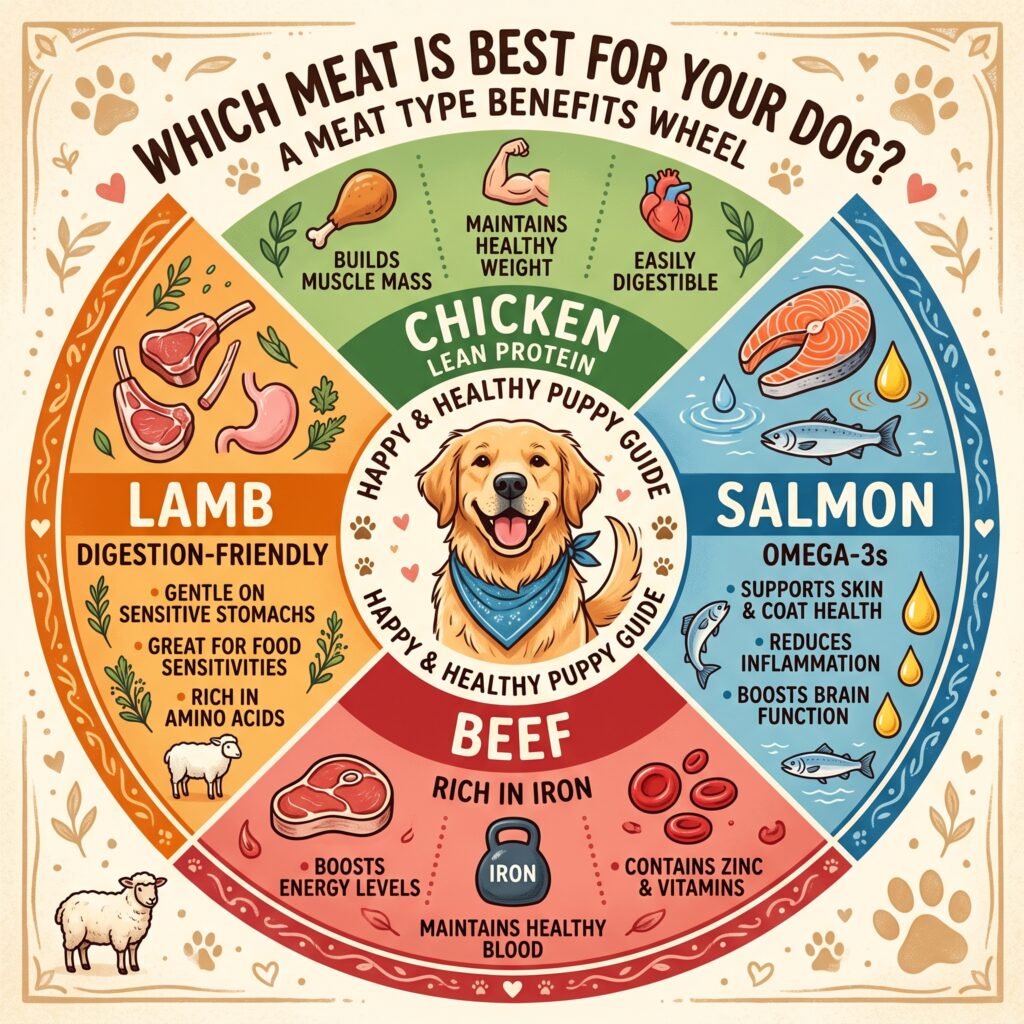
Rotational Feeding: Why Variety Matters
One of the most consistent recommendations in canine nutrition circles — and a key answer to the question of what meat is best for dogs long-term — is that no single protein should be fed exclusively and indefinitely.
Why Rotation Is Recommended
- Maximizes nutrient diversity — different meats offer different vitamins, minerals, amino acid ratios, and fatty acid profiles, so rotating captures benefits no single protein delivers alone
- Reduces allergy risk — repeatedly exposing a dog to one protein dramatically increases the chance of developing a sensitivity to it over time
- Supports gut microbiome diversity — varied protein inputs support a broader range of beneficial gut bacteria
- Prevents food boredom — many dogs respond with renewed enthusiasm when their diet rotates, which supports consistent eating habits
A practical rotation schedule might cycle through two to four proteins across several months — for example, a few months of chicken-based food, then a transition to salmon or turkey, then lamb — transitioning gradually each time to avoid digestive upset.
What to Look for on a Dog Food Label
Understanding the best meats for dogs is only half the answer — you also need to know how to find genuinely high-quality versions of those proteins in a finished product.
Label Evaluation Checklist
- Named protein in the first ingredient position — “chicken,” “beef,” “salmon” rather than “meat meal” or “animal protein”
- No vague by-product descriptions — “chicken by-product meal” varies widely in quality; named organ meats like “chicken liver” are acceptable but should be specified
- AAFCO nutritional adequacy statement — confirms the food meets complete and balanced standards for your dog’s life stage
- Minimal filler ingredients — corn, soy, or wheat shouldn’t appear above the named protein on the list
- No artificial colors, flavors, or chemical preservatives — natural tocopherols (vitamin E) are the preferred preservation method in quality formulas
FAQ: Best Meat for Dogs
1. What meat is best for dogs overall?
There is no single best meat for dogs across all situations. Chicken offers the highest digestibility and broad palatability; beef suits active dogs needing calorie density; salmon provides unmatched omega-3 benefits. The best approach is matching protein to your dog’s individual needs rather than picking one universal answer.
2. What is the best meat for dog food labels to list first?
When evaluating any product, the best meat for dog food labels should name the specific animal protein in the first position — such as “chicken,” “beef,” or “salmon” — rather than using vague terms like “meat” or “animal protein.”
3. What are the best meats for dogs with allergies?
For dogs with food sensitivities, the best meats for dogs are novel proteins — those the dog hasn’t been repeatedly exposed to. Venison, rabbit, duck, and fish are the most commonly recommended options for allergic dogs, with venison and rabbit reserved for severe multi-protein sensitivities.
4. Is beef or chicken the best meat for dogs?
Both are strong choices for different situations. Chicken is the best meat for dogs prioritizing digestibility, lean nutrition, or weight management. Beef is the best meat for dog food formulas targeting active, high-energy dogs needing greater calorie and iron density.
5. What is the best meat for dogs with sensitive stomachs?
Chicken, turkey, and fish rank as the best meats for dogs with sensitive digestive systems, due to their high digestibility and lean fat profiles that are less likely to trigger gastrointestinal upset.
6. Should I rotate proteins for my dog?
Yes. Rotational feeding is widely recommended by canine nutritionists as a way to maximize nutrient diversity, reduce allergen sensitization risk, and keep the diet engaging. Cycling through several of the best meats for dogs over the course of a year is more beneficial than feeding a single protein indefinitely.
7. What is the healthiest meat for senior dogs?
Fish — particularly salmon and sardines — is frequently cited as one of the best meats for dogs in their senior years, providing lean protein alongside EPA and DHA omega-3 fatty acids that support aging joints, brain function, and skin health simultaneously.
Conclusion
Best meat for dogs isn’t a question with a single, universal answer — and that’s actually good news, because it means you have a wide range of genuinely strong options to work with depending on your dog’s specific needs.
Here’s what to take away from this guide:
- Chicken is the best meat for dog food as an everyday baseline — high digestibility, complete amino acids, and wide palatability
- Beef is the best meat for dogs that are active, high-energy, or need greater calorie density
- Turkey is the best meat for dogs managing weight or needing a lean, low-fat protein option
- Salmon and fish are the best meats for dogs with skin, coat, or inflammatory concerns thanks to their omega-3 content
- Lamb, duck, venison, and rabbit are the best meats for dogs with sensitivities, allergies, or requiring a novel protein source
- Rotating proteins is the most effective long-term strategy for healthy dogs without specific restrictions
- What meat is best for dogs ultimately depends on individual factors — age, activity level, health history, and sensitivities — making veterinary input especially valuable when designing a long-term nutrition plan
Whether you’re evaluating commercial kibble, building a fresh-food diet, or simply choosing the right topper for your dog’s bowl, understanding exactly what meat is best for dogs in each situation gives you the foundation to make genuinely informed, nutritionally sound decisions for your dog every time you fill the bowl.