
Dog Food With Chia Seeds: Benefits, Safety, and the Best Ways to Feed Them
Walk into any specialty pet store or scroll through a premium pet food brand's website, and you'll increasingly notice dog food with chia seeds listed among the ingredients.
What was once a niche human health trend has now made its way firmly into the canine nutrition space, and for genuinely good reasons rooted in the seeds’ impressive nutritional profile.
But is dog food with chia seeds actually worth seeking out, or is it another marketing buzzword dressed up as a health benefit? And if you’re considering adding chia seeds to your dog’s existing diet yourself, rather than buying a pre-formulated product, what do you actually need to know to do it safely?
This guide answers all of it. We’ll break down exactly what makes dog food with chia seeds nutritionally different from standard formulas, the specific health benefits the seeds bring to a canine diet, the real risks worth understanding, how to feed them safely, and how to find or build the best possible dog food with chia seeds option for your specific dog. Whether you’re comparison-shopping finished products or simply looking to add chia to your dog’s bowl, this is where to start.
Table of Contents
- What Are Chia Seeds and Why Are They in Dog Food Now?
- Is Dog Food With Chia Seeds Actually Safe?
- Nutritional Profile of Chia Seeds for Dogs
- Top Health Benefits of Dog Food With Chia Seeds
- Omega-3 Fatty Acids: Why Chia Seeds Stand Out
- Fiber and Digestive Health Benefits
- Coat, Skin, and Joint Benefits
- Risks to Know Before Feeding Dog Food With Chia Seeds
- Dry vs. Soaked Chia Seeds in Dog Food
- How Much Chia Seeds Should Be in Dog Food?
- How to Add Chia Seeds to Your Dog’s Existing Food
- What to Look for When Buying Dog Food With Chia Seeds
- Dog Food With Chia Seeds by Life Stage
- Chia Seeds vs. Other Seeds and Superfoods in Dog Food
- FAQ: Dog Food With Chia Seeds
- Conclusionb
What Are Chia Seeds and Why Are They in Dog Food Now?
Chia seeds come from Salvia hispanica, a flowering plant in the mint family native to southern Mexico and Central America. They’re small — roughly two millimeters across — but nutritionally extraordinary, packing a dense concentration of fiber, omega-3 fatty acids, protein, calcium, magnesium, and antioxidants into one of the most calorie-efficient forms available.
For humans, chia seeds have been a well-established superfood for over a decade. The canine nutrition world has caught up more recently, with a growing number of brands now formulating dog food with chia seeds specifically because of how well those same nutritional benefits translate to canine biology.
Dog food with chia seeds is increasingly appearing across several product formats including premium dry kibble, freeze-dried raw, fresh-cooked, and air-dried formulas. The ingredient has gone from a novelty addition to a mainstream differentiator among nutrition-focused pet food brands, largely because informed pet owners are specifically seeking it out.
Is Dog Food With Chia Seeds Actually Safe?
This is the first question any responsible pet owner should ask, and the answer from veterinary sources is clear: yes, dog food with chia seeds is safe for most healthy dogs when prepared appropriately and fed in reasonable amounts.
Unlike some other human superfoods that are harmful to dogs (grapes, macadamia nuts, xylitol-containing products), chia seeds themselves are non-toxic to dogs. They’re rated as safe in veterinary toxicology references and ASPCA guidance, provided they’re given in appropriate portions and ideally soaked or mixed into wet food rather than fed dry.
Dog food with chia seeds from a reputable commercial brand has already handled preparation and portion considerations by design, which is one reason buying a finished dog food with chia seeds product is often simpler than adding loose chia seeds yourself — though both approaches work when done correctly.
Nutritional Profile of Chia Seeds for Dogs
To understand why dog food with chia seeds offers real nutritional advantages, it helps to look at what chia seeds actually contain and how each component maps to canine health needs.
Key Nutrients Per Ounce of Chia Seeds
- Fiber: Approximately 10 grams per ounce — one of the highest fiber concentrations available in a single food
- Omega-3 fatty acids (ALA): Roughly 5 grams per ounce
- Protein: Around 4–5 grams per ounce
- Calcium: More than whole milk by weight
- Magnesium: Higher than most comparable seeds
- Iron: More than raw spinach by comparable weight
- Antioxidants: Including quercetin and chlorogenic acid, which help neutralize cell-damaging free radicals
This density of nutrients relative to calorie content is exactly why dog food with chia seeds is considered nutritionally premium compared to formulas that rely on starch-heavy fillers as secondary ingredients.
Top Health Benefits of Dog Food With Chia Seeds
Here’s where the real case for dog food with chia seeds becomes most concrete. These aren’t vague wellness claims — they’re specific, mechanism-backed benefits tied to the seed’s actual nutrient content.
Summary of Key Benefits
- Improved digestive regularity and gut health
- Coat shine, reduced shedding, and skin hydration support
- Anti-inflammatory effects from omega-3 fatty acids
- Blood sugar regulation through slow-release fiber
- Joint health support, particularly valuable for active or aging dogs
- Antioxidant protection supporting immune function
- Natural hydration support due to the seeds’ remarkable water-absorbing capacity
Each of these benefits is covered in more detail in the sections below, since understanding the mechanism behind them helps you evaluate whether dog food with chia seeds is the right upgrade for your specific dog’s needs.
Omega-3 Fatty Acids: Why Chia Seeds Stand Out
One of the most significant reasons to choose dog food with chia seeds over standard formulas is the plant-based omega-3 fatty acid content. Chia seeds are among the richest plant sources of ALA (alpha-linolenic acid), a type of omega-3 that plays a role in inflammation control, cardiovascular health, and coat condition.
Why This Matters in Dog Nutrition
Many standard kibble formulas rely on fish oil or fish meal as the primary omega-3 source. While fish-derived omega-3s (EPA and DHA) are highly bioavailable, they also come with supply chain variability and quality concerns depending on the source. Dog food with chia seeds offers a complementary or alternative plant-based omega-3 source that doesn’t depend on fish sourcing.
Important Nuance: ALA vs. EPA/DHA
It’s worth knowing that the ALA in chia seeds must be converted by the dog’s body into EPA and DHA to be fully utilized at the cellular level, and this conversion rate in dogs is relatively limited. This doesn’t make dog food with chia seeds less valuable — it simply means chia-sourced omega-3s work best as part of a broader balanced formula rather than as the sole omega-3 source in a dog’s diet.
Fiber and Digestive Health Benefits
If there’s one nutrient category where dog food with chia seeds truly shines above most competitors, it’s fiber.
Chia seeds contain both soluble and insoluble fiber — a combination that supports digestive health in two complementary ways:
- Soluble fiber dissolves in water and slows digestion, which helps regulate blood sugar, supports feelings of fullness, and feeds beneficial gut bacteria
- Insoluble fiber adds bulk to stool, supporting regular bowel movements and reducing the risk of constipation
For dogs prone to loose stools, constipation, or irregular digestion, dog food with chia seeds can offer a meaningful, food-first approach to improving gut function without requiring pharmaceutical intervention or probiotic supplements alongside the base diet.
Blood Sugar Regulation
The same slow-digestion effect of soluble fiber that supports gut health also contributes to steadier blood sugar levels after meals — potentially beneficial for dogs prone to post-meal energy crashes or those being managed for early metabolic concerns.
Coat, Skin, and Joint Benefits
Beyond digestion, dog food with chia seeds is frequently chosen by owners specifically for visible improvements in coat and skin condition — and these benefits are grounded in real nutritional mechanisms rather than just marketing.
Coat and Skin
- Omega-3 fatty acids in chia seeds support the skin’s natural moisture barrier, reducing dryness and flakiness
- Linoleic acid (an omega-6 also present in chia seeds) supports ceramide production, a lipid that helps the skin retain moisture and reduce dander
- Regular feeding of dog food with chia seeds over weeks or months is often associated with a noticeably shinier, more resilient coat — an effect many owners specifically report when switching to formulas containing this ingredient
Joint Support
For active dogs, working breeds, or senior dogs experiencing joint stiffness, the anti-inflammatory properties of chia’s omega-3 fatty acids can contribute to improved comfort and mobility over time. Dog food with chia seeds isn’t a replacement for targeted joint supplements like glucosamine and chondroitin, but it adds a complementary anti-inflammatory nutritional layer that supports joint health as part of a complete diet.
Risks to Know Before Feeding Dog Food With Chia Seeds
No ingredient is without nuance, and dog food with chia seeds is no exception. Here are the legitimate risks worth understanding before adding chia seeds to your dog’s diet.
Key Risk: Expansion in Water
Chia seeds can absorb up to ten times their own weight in liquid. When dry seeds are consumed without adequate hydration, they can swell inside the digestive tract and create a risk of discomfort, blockage, or in rare cases, a more serious obstruction — particularly in smaller dogs or dogs that don’t drink much water.
This is the most important practical consideration with dog food with chia seeds: commercially prepared formulas typically account for this by incorporating seeds into a properly hydrated food matrix, but if you’re adding loose chia seeds to your dog’s bowl yourself, soaking them first is essential.
Other Risks to Monitor
- Overfeeding: Even a healthy ingredient becomes problematic in excess. Too many chia seeds can cause gas, bloating, loose stools, or diarrhea
- Individual sensitivities: While uncommon, some dogs may respond to chia seeds with digestive upset even in modest amounts, particularly when introduced too quickly
- Not appropriate for all medical conditions: Dogs on specific therapeutic diets, or with fat-sensitive conditions like pancreatitis, should only have dog food with chia seeds introduced after veterinary guidance
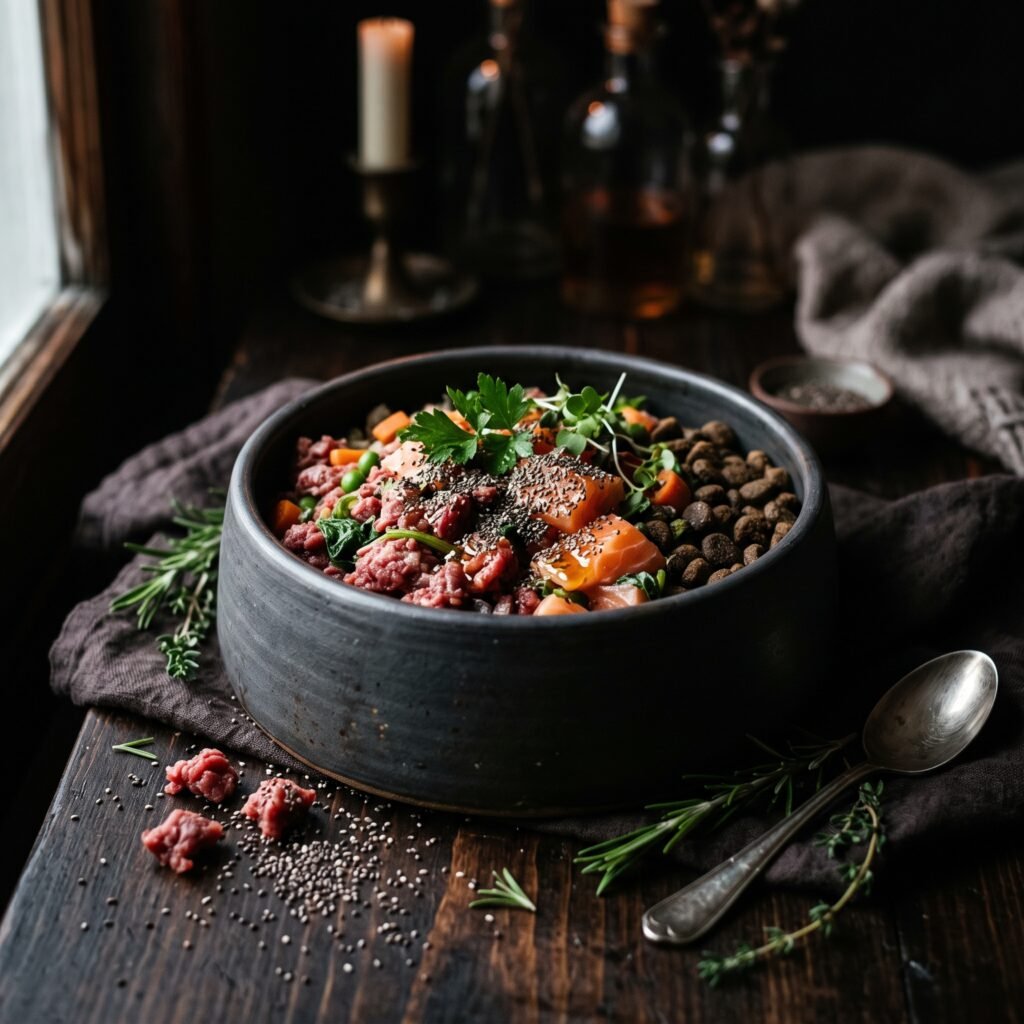
Dry vs. Soaked Chia Seeds in Dog Food
This distinction matters both for homemade additions and for evaluating finished commercial products.
Commercial Dog Food With Chia Seeds
In a properly formulated commercial dog food with chia seeds, the moisture content of the food itself (particularly in wet, fresh, or freeze-dried formats) typically prevents dry-seed expansion from being a significant concern, since the seeds absorb available moisture during manufacturing or rehydration rather than inside your dog’s digestive tract.
Adding Chia Seeds to Your Dog’s Food at Home
If you’re adding chia seeds to an existing dry kibble, the standard recommendation is:
- Measure the appropriate portion for your dog’s size
- Soak the seeds in water for at least 10–15 minutes until they become gelatinous
- Stir the soaked seeds into your dog’s regular food or wet food topper
- Introduce gradually over 7–10 days, starting with a smaller amount than the target portion
This preparation approach applies whether you’re supplementing a standard kibble with chia, or using a dog food with chia seeds product in a powder or topper format rather than an already-hydrated finished food.
How Much Chia Seeds Should Be in Dog Food?
Whether you’re evaluating the chia content of a finished commercial product or adding seeds yourself, portion context matters.
General Daily Guidelines for Adding Chia Seeds
- Small dogs (under 20 lbs): Up to ¼ teaspoon of soaked chia seeds per day
- Medium dogs (20–50 lbs): ½ to 1 teaspoon of soaked chia seeds per day
- Large dogs (50+ lbs): 1 to 2 teaspoons of soaked chia seeds per day
These are general starting guidelines rather than strict medical thresholds. Begin with less than the target amount and work up gradually over the first week or two while monitoring your dog’s digestion and stool consistency.
In finished dog food with chia seeds products, the brand has already incorporated appropriate amounts by design — the ingredient will typically appear partway down the ingredient list rather than as a primary component, reflecting its role as a functional addition rather than a primary protein or calorie source.
How to Add Chia Seeds to Your Dog’s Existing Food
If you prefer to supplement your current food rather than switching to a new dog food with chia seeds product entirely, here’s the safest, most practical approach.
Step-by-Step Process
- Choose plain, unseasoned chia seeds with no added flavorings, sweeteners, or coatings
- Measure the appropriate portion for your dog’s size based on the guidelines above
- Soak in water for 10–15 minutes until fully gelatinous — they should look like small, slightly swollen gel capsules
- Mix thoroughly into your dog’s regular food — chia seeds have a very mild flavor, so most dogs won’t notice them at all
- Start with half the target portion for the first week, then increase gradually
- Watch closely for digestive changes during the introduction period
This approach gives your dog the functional benefits of dog food with chia seeds without requiring a full diet overhaul, and it works effectively alongside nearly any base food format — kibble, wet food, fresh-cooked, or raw.
What to Look for When Buying Dog Food With Chia Seeds
If you’re shopping for a finished commercial dog food with chia seeds rather than supplementing yourself, here’s how to evaluate what you’re actually buying.
Quality Checklist for Dog Food With Chia Seeds
- Named animal protein as the first ingredient — chia seeds are a supporting ingredient, not a protein source
- Chia seeds clearly listed on the ingredient panel (not hidden under vague “seed blend” language)
- Appropriate life-stage formulation — puppy, adult, or senior as relevant to your dog
- AAFCO nutritional adequacy statement — confirms the food meets complete and balanced standards
- No artificial colors, flavors, or preservatives
- Transparent sourcing — brands that disclose where their chia seeds come from tend to reflect higher overall quality standards
- Reasonable position on the ingredient list — chia should appear in the middle to lower portion of the list, reflecting appropriate inclusion levels rather than an excessive, potentially problematic amount
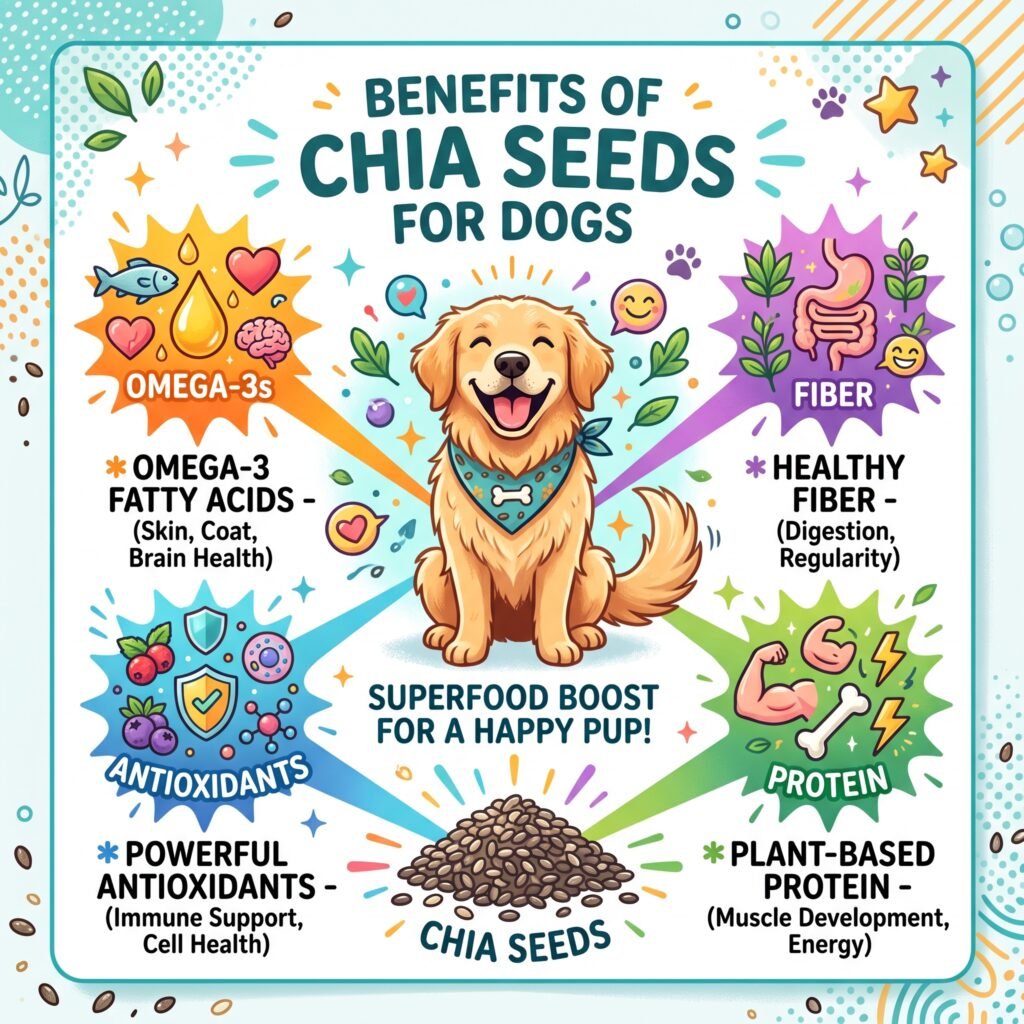
Dog Food With Chia Seeds by Life Stage
Not all dogs need the same chia seed intake, and different life stages have different priorities when it comes to this ingredient.
Puppies
Dog food with chia seeds can be appropriate for puppies, but the emphasis at this stage should still be on complete and balanced macro and micronutrient ratios for growth. Chia’s fiber content should be kept on the lower end for young puppies with sensitive developing digestive systems. Introduce gradually and watch stool quality closely.
Adult Dogs
This is where dog food with chia seeds tends to deliver the most consistent, visible benefits — improved coat condition, digestive regularity, and anti-inflammatory support for active breeds. Adult dogs generally tolerate chia seeds well and benefit most from sustained, regular inclusion in their diet.
Senior Dogs
Dog food with chia seeds can be particularly valuable for senior dogs, given chia’s anti-inflammatory properties and fiber benefits, both relevant for aging dogs with joint concerns or slower digestive systems. Keep portion sizes conservative and consult your vet if your senior dog has existing kidney, liver, or digestive conditions.
Chia Seeds vs. Other Seeds and Superfoods in Dog Food
How does dog food with chia seeds compare to other functional seed and superfood ingredients increasingly common in premium pet food?
| Ingredient | Key Benefit | Compared to Chia Seeds |
|---|---|---|
| Chia Seeds | Fiber, omega-3 (ALA), hydration | Strong all-rounder; excellent fiber |
| Flaxseed | Omega-3 (ALA), fiber | Similar omega-3 profile; lower water-absorbing benefit |
| Hemp Seeds | Omega-3, omega-6 balance | Slightly better ALA conversion; less fiber |
| Pumpkin Seeds | Digestive support, zinc | Good for gut health; lower omega-3 content |
| Sunflower Seeds | Vitamin E, healthy fat | Good for coat; less fiber and omega-3 than chia |
This comparison shows why dog food with chia seeds stands out as a genuinely multi-functional ingredient rather than a single-benefit addition — it delivers meaningful contributions across fiber, omega-3s, hydration support, and antioxidants simultaneously.
FAQ: Dog Food With Chia Seeds
1. Is dog food with chia seeds safe for all breeds?
Dog food with chia seeds is generally safe for most breeds when fed in appropriate amounts. Smaller dogs should receive smaller portions, and dogs with specific health conditions should have dog food with chia seeds introduced under veterinary guidance.
2. Can I add chia seeds directly to my dog’s kibble without buying a specific dog food with chia seeds product?
Yes. Adding soaked chia seeds to any existing dog food is a safe, effective way to achieve the same benefits without switching products. Just make sure to soak them first and introduce gradually.
3. How long does it take to see benefits from dog food with chia seeds?
Coat improvements from regular dog food with chia seeds feeding typically become noticeable within 4–8 weeks of consistent daily inclusion. Digestive benefits often appear sooner, sometimes within the first few days of introduction.
4. What’s the biggest risk with dog food with chia seeds?
The main risk is overfeeding or serving dry seeds without adequate hydration, which can cause digestive discomfort or, in rare cases, expansion-related blockage. Commercial dog food with chia seeds products largely manage this risk by design.
5. Is dog food with chia seeds appropriate for dogs with sensitive stomachs?
Dog food with chia seeds can actually benefit dogs with sensitive digestive systems through its fiber content — but it should be introduced very gradually in smaller initial amounts. If your dog has a diagnosed digestive condition, check with your veterinarian before adding dog food with chia seeds to their routine.
6. Does dog food with chia seeds replace the need for fish oil supplements?
Dog food with chia seeds provides plant-based omega-3s (ALA), which are beneficial but convert to EPA and DHA at a limited rate in dogs. If your dog specifically needs EPA and DHA supplementation — for joint conditions, for example — a fish oil supplement alongside dog food with chia seeds may still be recommended by your vet.
7. Are there any dogs that shouldn’t have dog food with chia seeds at all?
Dogs with fat-sensitive conditions like pancreatitis, those on strict therapeutic diets, or puppies under 8 weeks should either avoid or be very careful with dog food with chia seeds without direct veterinary guidance.
Conclusion
Dog food with chia seeds has earned its place in the premium pet nutrition space — not as a trend, but as a genuinely functional ingredient with a strong, mechanism-backed nutritional case behind it. The fiber content, plant-based omega-3s, antioxidants, and natural hydration support that make chia seeds a superfood for humans translate meaningfully and accurately to canine nutrition when used correctly.
Here’s what to take away:
- Dog food with chia seeds is safe for most healthy dogs when prepared and portioned appropriately
- The biggest practical consideration is always soaking dry chia seeds before adding them to food, to prevent expansion-related digestive issues
- Commercial dog food with chia seeds products typically handle preparation by design, making them a simpler option for owners who prefer not to supplement manually
- Key benefits of dog food with chia seeds include improved coat shine, better digestive regularity, anti-inflammatory support, and blood sugar stabilization
- Introduce gradually regardless of format — starting with smaller amounts and working up over 7–10 days gives your dog’s digestive system time to adjust
- Dog food with chia seeds works best as part of a complete, balanced diet rather than as a standalone fix for specific health concerns
Whether you choose a finished product or opt to supplement your dog’s current bowl with soaked chia seeds, dog food with chia seeds represents one of the more evidence-backed functional ingredient upgrades available in the current pet nutrition market — a small addition that, when used correctly, can make a real, visible difference in your dog’s overall health and wellbeing.
For more guidance, check out our companion article on the best functional superfoods in premium dog food formulas, or our deeper breakdown of omega-3 sources in canine nutrition and how to choose the right approach for your dog’s specific needs.