
Are Sardines Good for Dogs? A Complete Vet-Informed Guide
If you've ever opened a tin of sardines for yourself and wondered whether you could share a bite with your dog, you're not alone.

his is one of the most common questions pet owners ask, and the short answer is yes — sardines are good for dogs when fed correctly and in moderation. But the full answer is more nuanced, and understanding exactly how, when, and how much to feed will help you keep your dog safe while giving them all the nutritional benefits this small fish has to offer.
In this guide, we’ll break down everything you need to know about feeding sardines to your dog: the nutritional profile, the health benefits, potential risks, portion sizes, the best types to buy, and answers to the most frequently asked questions. By the end, you’ll have a clear, practical answer to the question, “are sardines good for dogs?
Quick Answer: Are Sardines Good for Dogs?
Yes, sardines are good for dogs. They are packed with omega-3 fatty acids, high-quality protein, vitamin D, vitamin B12, calcium, and coenzyme Q10 — all of which support your dog’s skin, coat, joints, heart, and immune system. Sardines are also low in mercury compared to larger fish, which makes them a safer choice than tuna or swordfish. That said, moderation and proper preparation matter, and not every sardine product on the shelf is appropriate for dogs.
Nutritional Breakdown: Why Sardines Are Good for Dogs
To understand why sardines are good for dogs, it helps to look at what’s actually inside this small, oily fish. A single sardine, whether fresh or canned in water, delivers an impressive amount of nutrition in a tiny package.
Omega-3 Fatty Acids
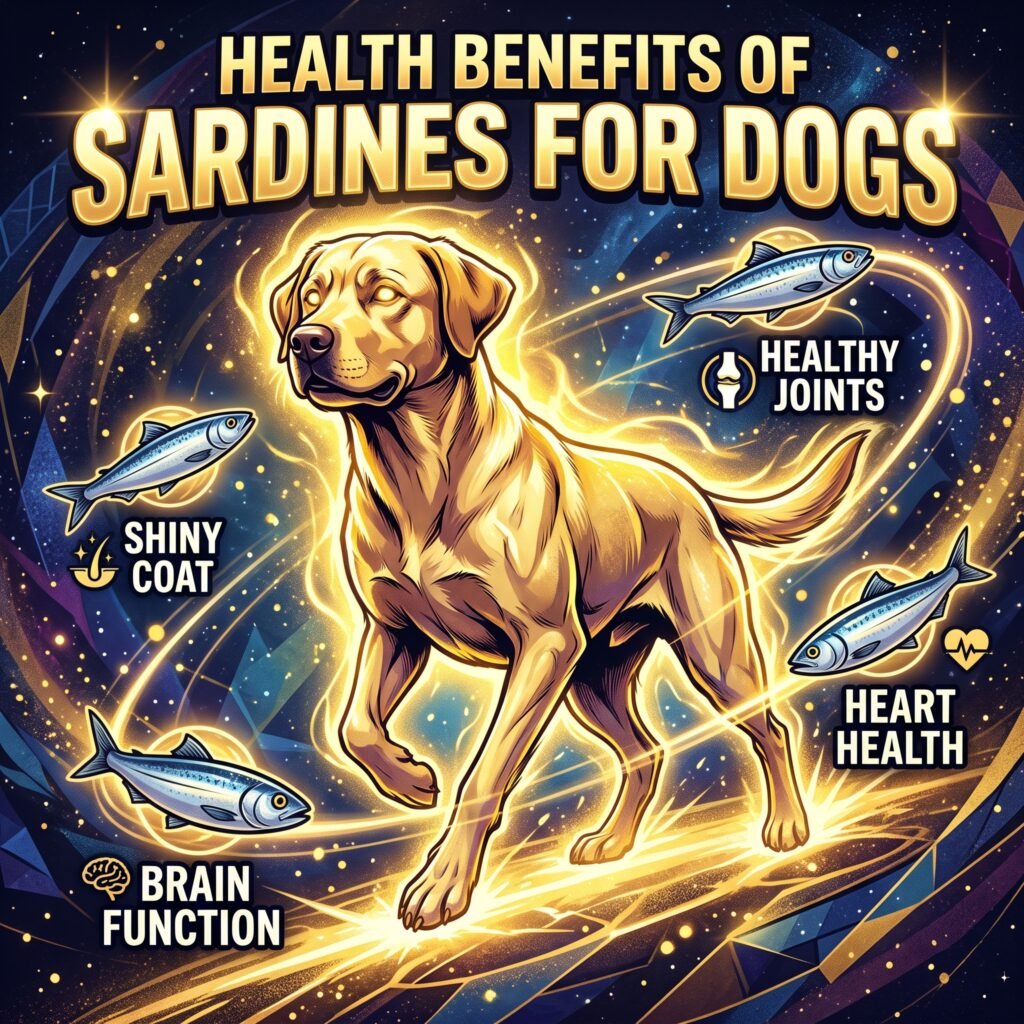
The biggest reason sardines are good for dogs is their omega-3 fatty acid content, specifically EPA and DHA. These fatty acids are known to:
- Reduce inflammation associated with arthritis and joint pain
- Support brain development in puppies and cognitive function in senior dogs
- Improve skin health and reduce itching or flaking
- Give the coat a glossy, healthy shine
- Support cardiovascular health by helping regulate blood pressure and cholesterol
Because omega-3s are essential fatty acids, meaning dogs cannot produce them on their own, getting them through diet is important — and this is one of the main reasons sardines are good for dogs of all ages.
High-Quality, Easily Digestible Protein
Sardines are also good for dogs because they provide a lean, complete source of animal protein. Protein supports muscle maintenance, tissue repair, and overall energy levels. Unlike some processed proteins, sardines are minimally processed and easy for most dogs to digest.
Vitamin D
Many dogs, especially those that don’t get much sun exposure or eat a limited commercial diet, can benefit from the vitamin D found in sardines. Vitamin D supports calcium absorption, bone health, and immune function, which is another reason sardines are good for dogs with mobility issues or growing puppies.
Vitamin B12
Vitamin B12 supports red blood cell production, neurological function, and metabolism. Sardines are naturally rich in B12, adding another layer to why sardines are good for dogs, particularly those recovering from illness or with digestive absorption issues.
Calcium and Phosphorus (When Bones Are Included)
When sardines are fed whole, including the small, soft bones, they provide a natural source of calcium and phosphorus. This is one more reason sardines are good for dogs on a raw or home-cooked diet that needs balanced minerals.

CoQ10
Coenzyme Q10 is an antioxidant that supports heart muscle function and cellular energy production. While present in smaller amounts, it’s another nutrient that reinforces the idea that sardines are good for dogs, especially aging dogs or those with early heart concerns (always under veterinary guidance).
Health Benefits of Feeding Sardines to Dogs
Now that we’ve covered the nutrition, let’s look at the practical, real-world benefits owners often notice. This is where the evidence really shows that sardines are good for dogs.
1. Improved Skin and Coat Health
Dogs with dry, flaky skin or a dull coat often improve noticeably when omega-3-rich foods like sardines are added to their diet. Many veterinarians recommend fish-based supplements or whole fish like sardines for dogs dealing with seasonal allergies or mild dermatitis.
2. Joint Support for Arthritic or Senior Dogs
Because sardines are good for dogs with joint stiffness, they are frequently recommended as a whole-food addition for senior dogs or breeds prone to hip dysplasia and arthritis. The anti-inflammatory properties of omega-3s can make a real difference in mobility and comfort over time.
3. Heart Health
The combination of omega-3 fatty acids and CoQ10 supports cardiovascular function, making sardines a smart addition for dogs at risk of or currently managing certain heart conditions (again, always in consultation with your vet).
4. Brain Development and Cognitive Function
DHA, one of the primary omega-3s in sardines, plays a critical role in brain development in puppies and may help slow cognitive decline in senior dogs. This is a lesser-known but important reason sardines are good for dogs across every life stage.
5. Immune System Support
The combination of vitamin D, B12, and protein helps maintain a well-functioning immune system, helping your dog fight off illness and recover more efficiently.
6. A Palatable Way to Encourage Picky Eaters
Sardines have a strong smell and taste that many dogs find irresistible. For picky eaters or dogs recovering from illness who have lost their appetite, a small amount of sardine mixed into their regular food can encourage them to eat.
How to Feed Sardines to Your Dog Safely
Knowing that sardines are good for dogs is only half the equation — feeding them correctly matters just as much.
Choose the Right Type
Not all sardines are created equal, and this is where many owners go wrong.
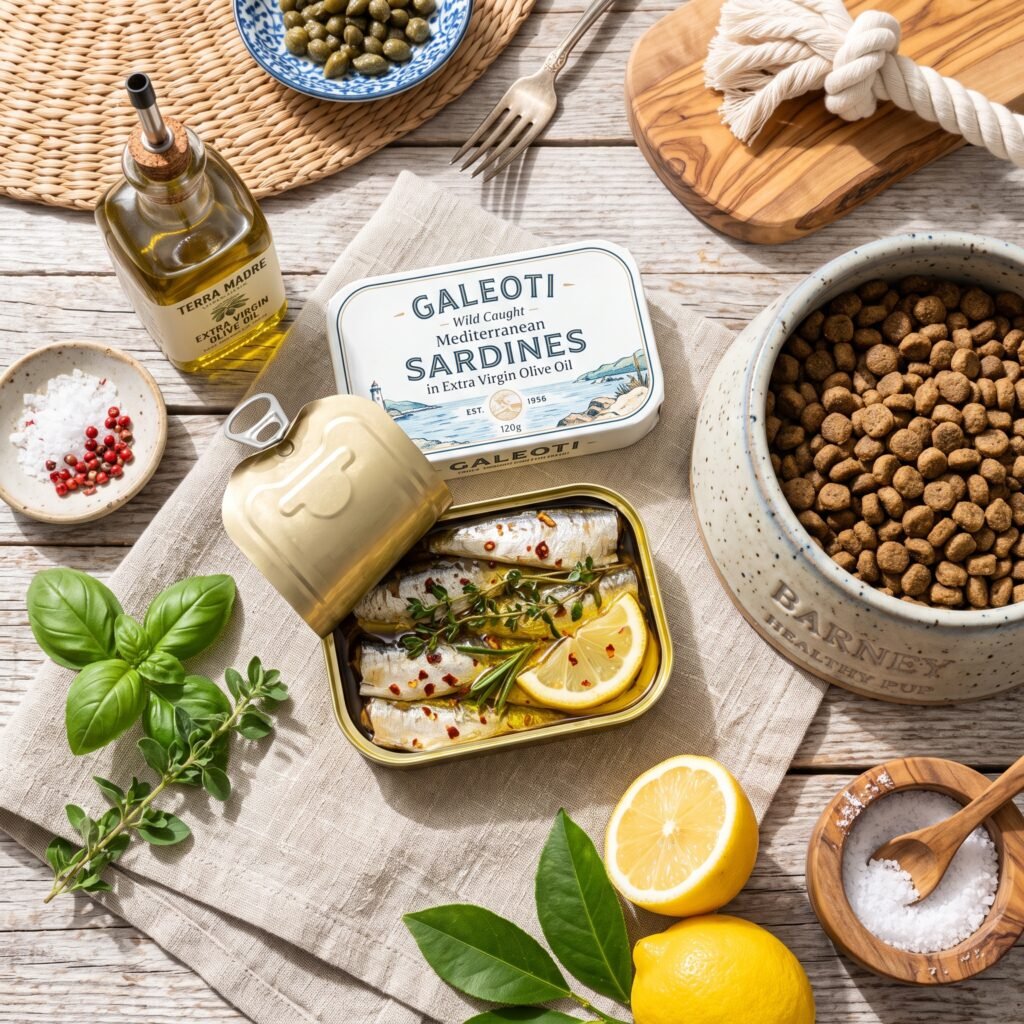
- Fresh sardines: Best option if available. Cook them lightly (steamed or boiled, no oil, salt, or seasoning) or serve raw if you’re confident about sourcing and freshness.
- Canned sardines in water: A convenient and safe option. Always choose ones with no added salt.
- Canned sardines in olive oil: Acceptable in small amounts, but the added oil increases calorie content and can cause digestive upset if overfed.
- Canned sardines in tomato sauce, mustard, or heavy brine: Avoid these. Added salt, sugar, onion, garlic, or spices can be harmful or even toxic to dogs.
Always check the label. The safest canned sardines for dogs are those packed in water with no salt added.
Portion Size
Even though sardines are good for dogs, portion control is essential because they are still relatively high in fat and sodium compared to a dog’s regular diet.
General guidelines:
- Small dogs (under 20 lbs): 1 small sardine, 1–2 times per week
- Medium dogs (20–50 lbs): 1–2 sardines, 2–3 times per week
- Large dogs (over 50 lbs): 2–3 sardines, 2–3 times per week
Sardines should never replace a balanced diet — they are a supplement or treat, not a meal replacement, and should make up no more than 10% of your dog’s daily caloric intake.
Preparation Tips
- Serve plain, without any added oil, salt, seasoning, garlic, or onion.
- Mash or chop the sardine and mix it into your dog’s regular food to make it easier to digest and less messy.
- If using canned sardines in oil, drain and rinse them first to reduce excess fat.
- Introduce sardines gradually, starting with a small piece, to watch for any allergic reaction or digestive upset.
Are Sardine Bones Safe for Dogs?
One question that often comes up alongside “are sardines good for dogs” is whether the bones are safe. The good news is that sardine bones are small, soft, and generally safe for dogs to eat because they haven’t been cooked to the point of hardening (as long as you’re not feeding fried or heavily processed sardines). In fact, these bones offer a natural source of calcium. However, always supervise your dog while they eat, especially if they tend to gulp their food quickly.
Potential Risks and Side Effects
While sardines are good for dogs overall, there are a few risks to be aware of so you can feed them responsibly.
Excess Sodium
Canned sardines, particularly those packed in brine or with added salt, can contain more sodium than a dog’s diet should include. Too much sodium can lead to excessive thirst, dehydration, or in severe cases, sodium ion poisoning. Always opt for low-sodium or no-salt-added varieties.
Weight Gain
Because sardines are relatively calorie-dense due to their fat content, overfeeding can contribute to weight gain, especially in smaller or less active dogs. Stick to recommended portions.
Digestive Upset
Introducing any new food, including sardines, too quickly or in large amounts can cause vomiting, diarrhea, or an upset stomach. Always start small.
Allergic Reactions
Although uncommon, some dogs may be allergic to fish. Watch for symptoms like itching, hives, swelling, or gastrointestinal distress after the first feeding, and stop immediately if you notice any of these signs.
Mercury and Heavy Metals
The good news here is that sardines are among the lowest-mercury fish available because they’re small and low on the food chain. This is part of why sardines are good for dogs compared to larger predatory fish like tuna, swordfish, or king mackerel, which accumulate much higher mercury levels.
Bone Choking Hazard in Large Chunks
While sardine bones are generally soft and safe, always cut or mash larger sardines into smaller pieces for small dogs or dogs that tend to swallow food without chewing thoroughly.
Which Dogs Should Avoid Sardines?
Even though sardines are good for dogs in most cases, there are exceptions:
- Dogs with fish allergies: Obviously, avoid sardines entirely if your dog has a known fish allergy.
- Dogs with pancreatitis: The fat content in sardines, especially those packed in oil, may aggravate pancreatitis. Consult your vet before feeding.
- Dogs on a low-sodium diet: Dogs with kidney disease or certain heart conditions may need to avoid the added sodium in canned varieties.
- Dogs with obesity: If your dog is overweight, factor sardines carefully into their overall calorie budget.
If your dog has any pre-existing health condition, it’s always best to check with your veterinarian before adding sardines or any new food to their diet.
Sardines vs. Other Fish for Dogs
You might be wondering how sardines compare to other popular fish options for dogs.
| Fish | Mercury Level | Omega-3 Content | Bones Safe? | Best For |
|---|---|---|---|---|
| Sardines | Very Low | High | Yes (soft) | Everyday supplementation |
| Salmon | Low-Moderate | Very High | No (must be removed) | Occasional treat, cooked only |
| Tuna | High | Moderate | No | Avoid frequent feeding |
| Mackerel | Low-Moderate | High | Sometimes | Occasional treat |
| Anchovies | Very Low | High | Yes (soft) | Similar benefits to sardines |
As the table shows, sardines are good for dogs specifically because they combine low mercury, high omega-3 content, and safe, soft bones — a combination that few other fish can match.
How Often Can You Feed Sardines to Dogs?
A common follow-up to “are sardines good for dogs” is how frequently they can be included in the diet. Most veterinarians agree that feeding sardines two to three times per week, in appropriate portions, is a safe and beneficial frequency for most healthy adult dogs. Daily feeding is generally not recommended due to the cumulative sodium and fat content, even with the healthiest varieties.
Frequently Asked Questions
Are sardines good for dogs with allergies? Yes, sardines are often good for dogs with environmental or skin allergies because the omega-3 fatty acids help reduce inflammation and improve skin barrier function. However, dogs with a specific fish allergy should avoid them.
Are sardines good for dogs with sensitive stomachs? In small, plain portions, sardines are generally good for dogs with sensitive stomachs because they’re easy to digest. Introduce slowly and avoid oil or seasoning to minimize the risk of upset.
Can puppies eat sardines? Yes, sardines are good for dogs of all ages, including puppies, as the omega-3s support brain and eye development. Feed very small portions appropriate to their size.
Are canned sardines good for dogs, or should I only feed fresh? Both can work. Canned sardines in water with no added salt are a convenient, safe option, while fresh sardines (cooked plainly) offer similar benefits without any processing.
How many sardines can a dog eat per week? Depending on size, most dogs can safely eat one to three sardines, two to three times per week, as part of a balanced diet.
Are sardines good for dogs with kidney disease? Dogs with kidney disease need a carefully controlled sodium and protein intake, so sardines should only be fed under direct veterinary guidance in this case.
Final Verdict: Are Sardines Good for Dogs?
So, are sardines good for dogs? Overall, yes — sardines are one of the healthiest whole-food additions you can make to your dog’s diet when fed in moderation and prepared properly. Their rich omega-3 content, high-quality protein, and low mercury levels make them a smart, natural way to support your dog’s skin, joints, heart, and brain health. Just remember to choose sardines packed in water with no added salt, keep portions appropriate to your dog’s size, and consult your veterinarian if your dog has any underlying health conditions.
When fed thoughtfully, sardines aren’t just good for dogs — they can be a genuinely valuable part of a long, healthy life.
Disclaimer: This article is for informational purposes only and is not a substitute for professional veterinary advice. Always consult your veterinarian before making changes to your dog’s diet.