Low Copper Dog Food: The Complete 2026 Guide to Protecting Your Dog's Liver Health
Discover the best low copper dog food options in 2026. Learn which foods low in copper for dogs are safest, vet-recommended recipes, and how to choose the right dog food with low copper for your pet's health.
What Is Low Copper Dog Food and Why Does It Matter?
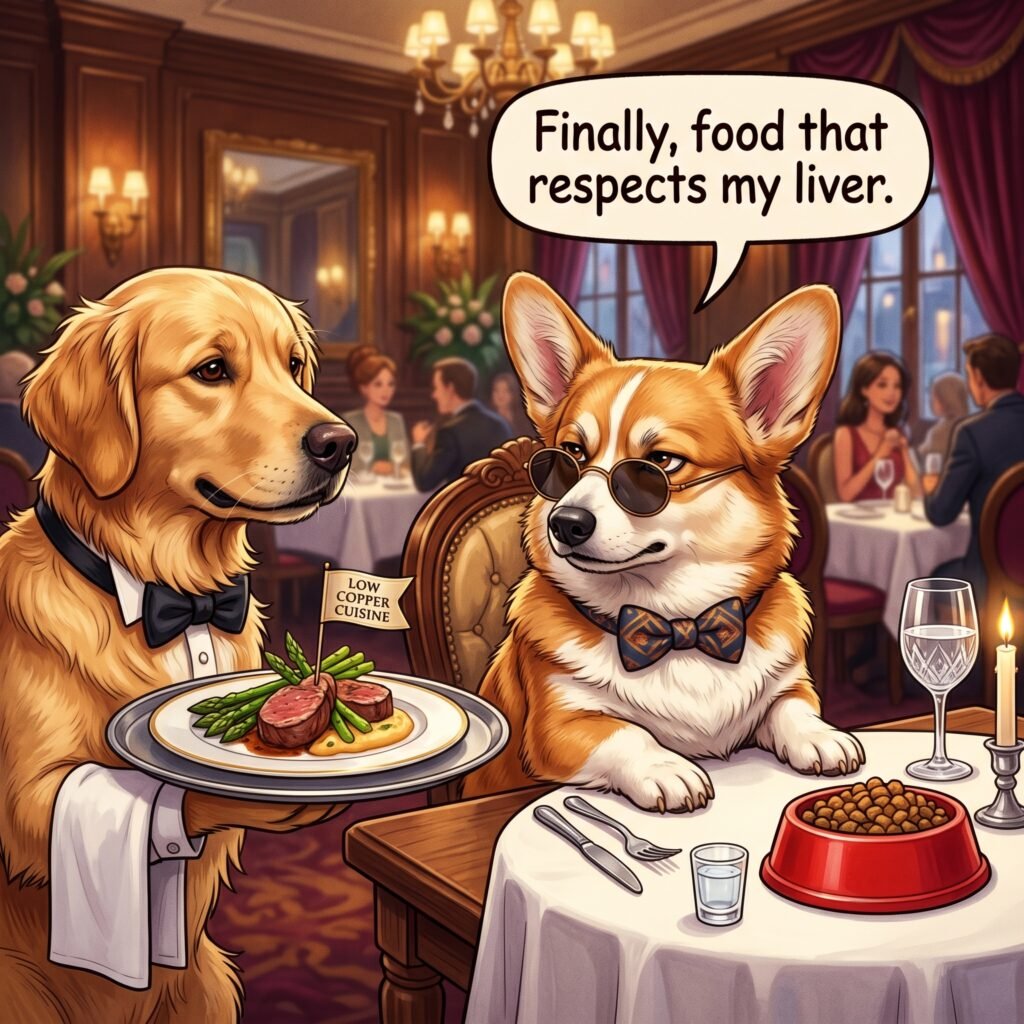
Low copper dog food is a specially formulated diet designed to limit the amount of copper your dog consumes through their daily meals. Copper is an essential mineral — your dog needs a small amount of it for red blood cell formation, nerve function, bone development, and immune health. However, for certain dogs, even normal dietary copper levels can become dangerously toxic over time.
When copper accumulates in the liver faster than the body can excrete it, a condition known as copper-associated hepatopathy (CAH) develops. Left untreated, this leads to chronic hepatitis, liver failure, and potentially death. Feeding a dog food with low copper is one of the most critical dietary interventions a pet owner can make when this condition is diagnosed — or when there is a hereditary predisposition to it.
In 2026, veterinary nutritionists are paying closer attention to copper levels in commercial pet food than ever before. Studies published in recent years found that copper concentrations in many mainstream dog foods have risen significantly compared to the 1990s. Some popular dry dog foods now contain copper at levels five to ten times higher than the minimum AAFCO (Association of American Feed Control Officials) requirement. This alarming trend makes choosing the best low copper dog food not just important for sick dogs — but a proactive health measure for at-risk breeds.
Understanding foods low in copper for dogs gives pet owners the power to protect their dogs before liver damage occurs. Whether your veterinarian has already prescribed a low-copper diet or you’re researching preventive options, this guide covers everything you need to know in 2026.
Table of Contents
- What Is Low Copper Dog Food and Why Does It Matter?
- Signs Your Dog May Need a Low Copper Diet
- Which Dog Breeds Need Dog Food With Low Copper?
- Top Ingredients in Foods Low in Copper for Dogs
- Best Low Copper Dog Food Brands in 2026
- How to Read a Dog Food Label for Copper Content
- Low Copper Dog Food Recipes You Can Make at Home
- Foods to Avoid: High-Copper Ingredients in Dog Food
- Vet-Approved Transition Tips
- Frequently Asked Questions
Signs Your Dog May Need a Low Copper Diet
Before diving into specific dog food with low copper, it’s important to recognize when your dog might need it. Copper storage disease progresses slowly and silently in most dogs, which is why many pet owners don’t realize there’s a problem until liver damage is already significant.
Early Warning Signs
- Lethargy and reduced energy — Your dog seems tired even after adequate rest
- Decreased appetite — Reluctance to eat or sudden food pickiness
- Vomiting and nausea — Occasional or recurrent episodes without an obvious cause
- Increased thirst and urination — Signs of liver stress affecting kidney function
- Mild jaundice — Slight yellowing of the eyes, gums, or skin
Advanced Symptoms
- Ascites (abdominal fluid accumulation) — A distended belly caused by liver failure
- Significant weight loss — Muscle wasting due to metabolic disruption
- Deep jaundice — Pronounced yellowing throughout the body
- Neurological symptoms — Confusion, circling, or seizures in severe cases
- Hemorrhage — Unexplained bruising or bleeding, as the liver can no longer produce clotting factors
If your dog shows any of these signs, consult your veterinarian immediately. Diagnosis typically involves blood panels checking liver enzymes (ALT, ALP), a bile acids test, and often a liver biopsy for definitive copper quantification. Once confirmed, switching to a low copper dog food becomes a cornerstone of the treatment plan.
Which Dog Breeds Need Dog Food With Low Copper?
Certain breeds carry genetic mutations that impair their ability to regulate copper excretion from the liver. For these dogs, switching to dog food with low copper is not optional — it’s a medical necessity.
High-Risk Breeds
Bedlington Terriers are the most well-studied breed affected by copper toxicosis. A defect in the COMMD1 gene (formerly MURR1) prevents normal copper transport, leading to severe accumulation. Nearly every Bedlington Terrier that lives long enough will develop some degree of copper liver disease.
Labrador Retrievers have emerged as one of the most commonly affected breeds due to their widespread popularity. Research published in 2022–2024 confirmed that Labs carry multiple genetic variants affecting copper metabolism, and the disease is now considered an epidemic within the breed.
Doberman Pinschers are predisposed to chronic active hepatitis linked to copper accumulation, often compounded by autoimmune factors.
Dalmatians, West Highland White Terriers, Skye Terriers, and Standard Poodles also appear in veterinary literature with elevated rates of copper-associated liver disease.
Moderate-Risk Breeds
- German Shepherds
- Cocker Spaniels
- English Springer Spaniels
- Keeshonds
- Shar-Peis
For all of these breeds, proactively choosing foods low in copper for dogs — even before symptoms appear — is a strategy increasingly recommended by board-certified veterinary internists and nutritionists in 2026.

Top Ingredients in Foods Low in Copper for Dogs
Not all protein sources and carbohydrates are equal when it comes to copper content. Understanding which ingredients are naturally low in copper helps you evaluate any dog food with low copper more confidently.
Low-Copper Protein Sources
Chicken (breast meat, skinless) is among the lowest copper proteins available. It provides excellent lean protein without contributing significantly to daily copper intake.
Turkey (white meat) is similarly low in copper and highly digestible. Many of the best low copper dog food formulas use turkey as a primary protein.
Egg whites are virtually copper-free and provide high biological value protein, making them an excellent addition to homemade or commercial formulas.
White fish (cod, tilapia, pollock) tend to be lower in copper than red meat and organ meats, though exact levels vary by species and source.
Low-Copper Carbohydrate Sources
White rice is one of the most copper-neutral carbohydrates available and is commonly used as a base in low copper dog food recipes for dogs with liver disease.
White potatoes and potato starch are also relatively low in copper and serve as easily digestible energy sources.
Tapioca is gaining popularity in grain-free low copper dog food options as a starchy binder with minimal copper contribution.
High-Copper Ingredients to Minimize
For reference, these ingredients are naturally copper-rich and should be limited or eliminated in a copper-restricted diet:
- Organ meats (liver, kidney, heart) — extremely high copper
- Lamb and duck — significantly higher than chicken or turkey
- Shellfish (crab, lobster, shrimp) — among the highest food sources of copper
- Legumes (lentils, chickpeas, soybeans) — moderate to high copper, depending on processing
- Whole grains (oats, wheat bran, buckwheat) — contribute meaningful copper loads
This is why identifying foods low in copper for dogs goes beyond just picking a bag labeled “liver formula” — you need to scrutinize every ingredient on the label.
Best Low Copper Dog Food Brands in 2026
The market for best low copper dog food has grown considerably as awareness of copper-associated hepatopathy has increased among veterinarians and pet owners alike. Here are the categories and types of products leading the space in 2026.
Prescription / Veterinary-Exclusive Formulas
Royal Canin Hepatic remains one of the most-prescribed diets for dogs with liver disease including copper hepatopathy. It is formulated specifically to reduce hepatic workload with controlled copper, protein, sodium, and phosphorus levels. Available in both dry and wet formats.
Hill’s Prescription Diet l/d (Liver Care) is another cornerstone veterinary formula. The l/d line is designed with reduced copper content combined with antioxidant support (Vitamin E, Vitamin C) to help protect liver cells from oxidative damage. It uses highly digestible ingredients to minimize metabolic stress.
Purina Pro Plan Veterinary Diets EN Gastroenteric is sometimes recommended for copper-sensitive dogs where digestibility is paramount, though it is not specifically copper-restricted. Your veterinarian can guide you based on your dog’s liver biopsy copper levels.
These prescription foods require a veterinarian’s authorization, ensuring the dietary change is part of a medically supervised plan.
Commercial Over-the-Counter Options
For dogs with mild copper sensitivity, hereditary predisposition (not yet diagnosed), or owners seeking preventive dog food with low copper, several OTC options are notable:
Farmina N&D Ancestral Grain Chicken and Pomegranate uses high-quality chicken and low-copper grain inclusions, avoiding organ-heavy recipes. The company provides detailed nutritional analyses on request.
Zignature Limited Ingredient Formulas (Turkey or Trout) are popular among owners managing copper levels because they avoid organ meats, legumes as primary ingredients, and use single-protein, limited-ingredient recipes that make copper tracking more straightforward.
Canidae Pure Limited Ingredient lines with chicken or turkey formulas also represent reasonable OTC options with simplified ingredient lists.
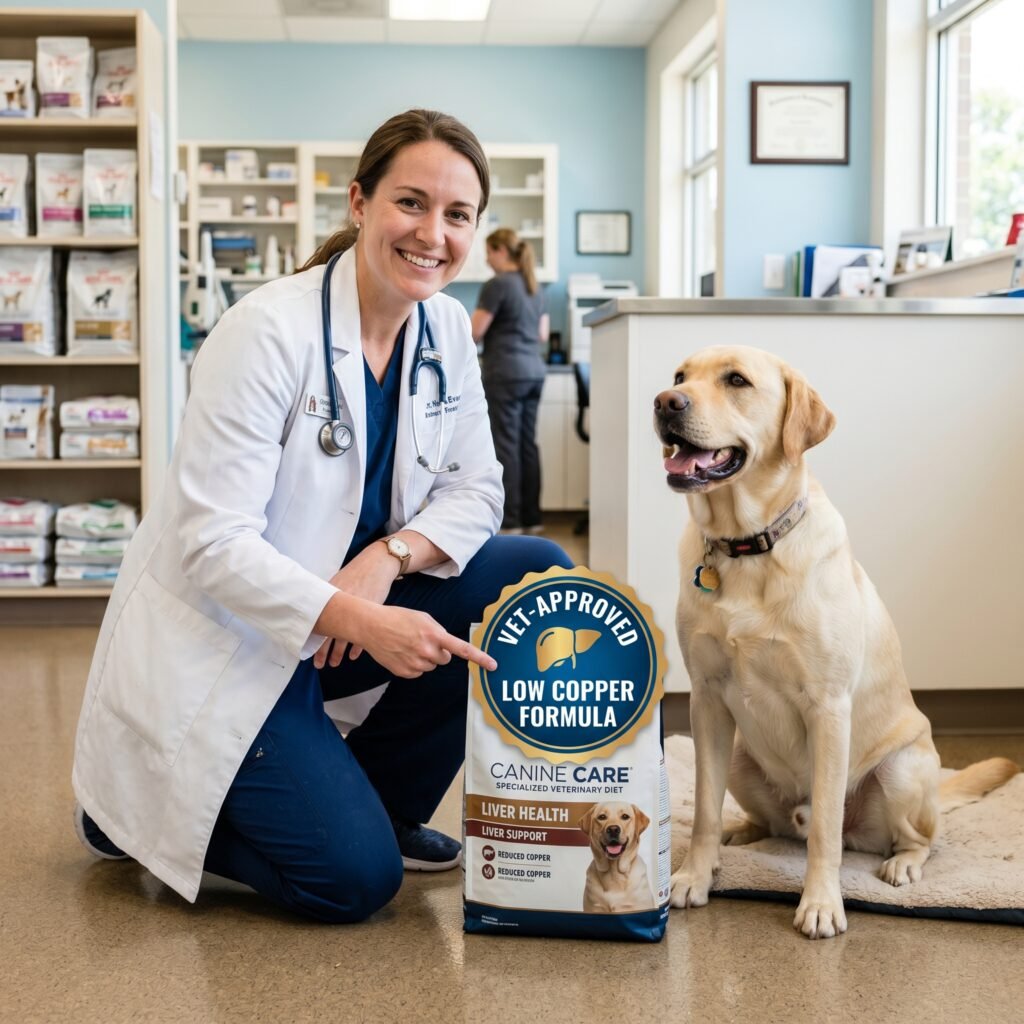
Important: Always verify copper content (listed as mg/kg on a dry matter basis) with your veterinarian before choosing any commercial best low copper dog food. AAFCO minimum is 7.3 mg/kg dry matter; therapeutic low-copper diets typically target below 15 mg/kg, with some protocols aiming for under 10 mg/kg.
How to Read a Dog Food Label for Copper Content
Selecting the right low copper dog food requires label literacy. Here’s a step-by-step approach to evaluating any formula.
Step 1: Find the Guaranteed Analysis
All commercially sold dog foods in the United States must include a Guaranteed Analysis panel. Look for copper listed in mg/kg. Some brands list this as “copper sulfate” in the ingredient list and as a specific amount in the guaranteed analysis.
Step 2: Convert to Dry Matter Basis
Labels report values “as fed,” which includes moisture. To compare products accurately, convert to dry matter basis (DMB):
Formula: (Copper mg/kg ÷ (100% − Moisture%)) × 100
For example, if a food shows 15 mg/kg copper and 10% moisture: 15 ÷ 0.90 = 16.7 mg/kg on a dry matter basis
Step 3: Check the Ingredient List for Red Flags
Scan for these copper-dense ingredients in the first ten listed:
- Liver, kidney, or heart of any species
- Duck, lamb, or venison
- Legumes (lentils, peas, chickpeas) listed in top 5
- Shellfish meal
- Oat bran or wheat germ
The higher an ingredient appears on the list, the more of it is in the food. A dog food with low copper should not have organ meats or shellfish prominently featured.
Step 4: Contact the Manufacturer
Responsible brands publish their complete mineral analysis or provide it on request. Ask specifically for copper in mg/kg on a dry matter basis. Reputable companies making the best low copper dog food will have this data readily available.
Step 5: Consult a Board-Certified Veterinary Nutritionist
For dogs with confirmed copper storage disease, do not rely solely on label reading. A veterinary nutritionist can calculate your dog’s precise copper intake based on body weight, disease stage, and concurrent treatments (such as chelation therapy with D-penicillamine or zinc supplementation).
Low Copper Dog Food Recipes You Can Make at Home
For dog owners who want full control over every ingredient, homemade low copper dog food recipes can be an excellent option — provided they are formulated with guidance from a veterinary nutritionist. The following recipes are illustrative starting points.
Disclaimer: Always consult your veterinarian or a board-certified veterinary nutritionist before switching to a homemade diet. Homemade diets must be properly balanced with appropriate vitamin and mineral supplementation to avoid nutritional deficiencies.
Recipe 1: Chicken and White Rice Low Copper Formula
Yield: Approximately 4 days of food for a 25–30 lb dog (adjust per your vet’s caloric recommendation)
Ingredients:
- 500g boneless, skinless chicken breast (no liver or organ meat)
- 300g cooked white rice (not brown rice — brown rice is higher in copper)
- 150g cooked sweet potato (peeled and boiled to reduce oxalates)
- 2 tablespoons cold-pressed sunflower oil
- Veterinary-prescribed mineral supplement (copper-free or low-copper formulation)
Preparation:
- Boil chicken breast until fully cooked (no seasoning). Allow to cool and shred finely.
- Cook white rice in plain water. Do not add salt or butter.
- Peel, cube, and boil sweet potato until soft. Mash or cube depending on your dog’s preference.
- Combine all ingredients in a large mixing bowl. Add sunflower oil for essential fatty acids.
- Add your veterinarian-prescribed supplement as directed.
- Portion into daily servings, refrigerate for up to 4 days, or freeze individual portions.
This is one of the most commonly recommended low copper dog food recipes by veterinary nutritionists because chicken breast and white rice are among the most copper-neutral ingredients available.
Recipe 2: Turkey and Potato Low Copper Blend
Ingredients:
- 450g ground turkey (93% lean — avoid dark meat and giblets)
- 250g boiled white potatoes (peeled)
- 100g zucchini (cooked)
- 1 tablespoon flaxseed oil
- Low-copper veterinary supplement
Preparation:
- Brown ground turkey in a non-stick pan with no oil or seasoning. Drain excess fat.
- Boil peeled, cubed potatoes until soft. Do not use the skin, which is higher in copper.
- Steam or boil zucchini until tender.
- Combine all ingredients, add flaxseed oil for omega-3 fatty acids.
- Mix in supplement per veterinary instructions.
- Store as above.
Turkey-based low copper dog food recipes are popular because turkey white meat is naturally lower in copper than beef, pork, or lamb, and the simple ingredient list makes monitoring easy.
Recipe 3: White Fish and Rice Low Copper Diet
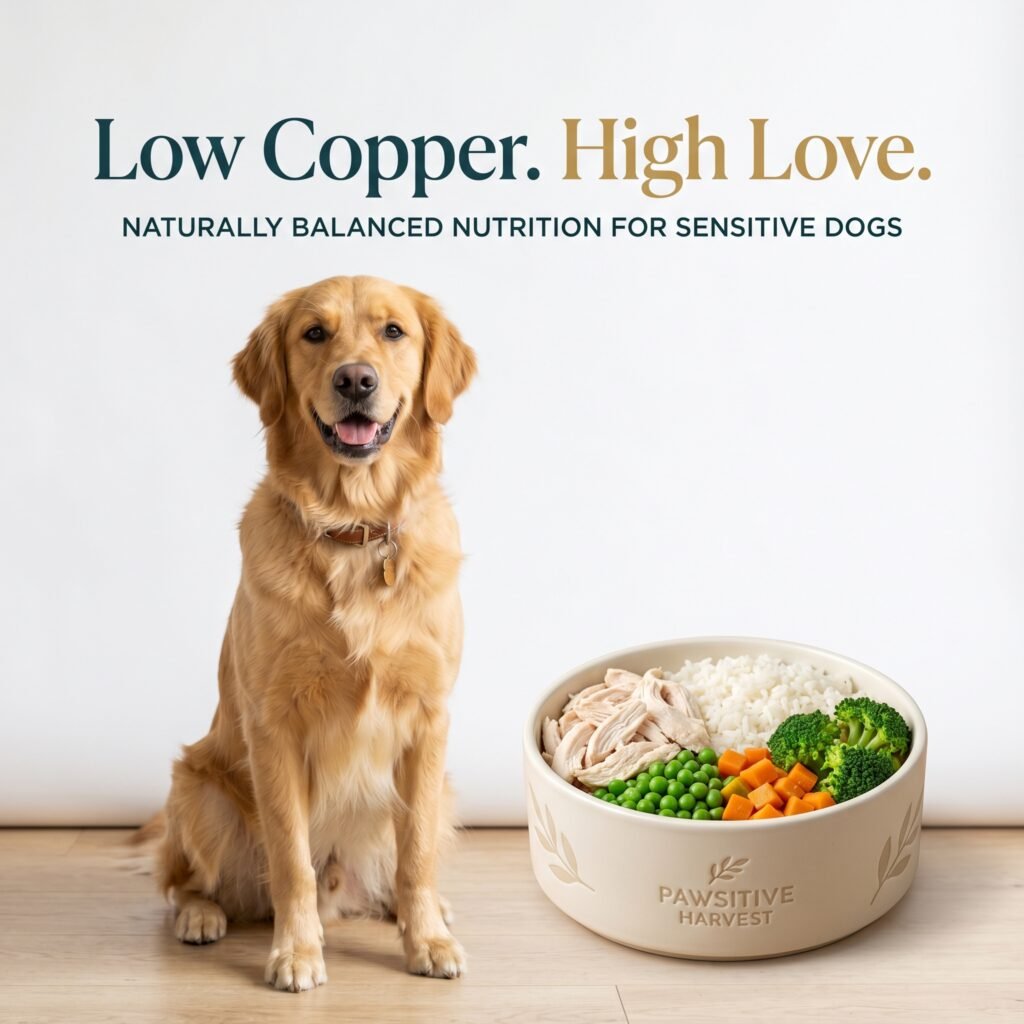
Ingredients:
- 400g cod or tilapia fillets (no shell-on fish or shellfish)
- 300g cooked white rice
- 100g cooked green beans (fresh or frozen, not canned with salt)
- 2 tablespoons olive oil
- Copper-free veterinary supplement
Preparation:
- Bake or poach fish fillets with no seasoning until fully cooked. Remove all bones.
- Flake fish into small pieces suitable for your dog’s size.
- Cook rice as above.
- Cook green beans until soft (boiling briefly reduces mineral content).
- Combine, add olive oil and supplement.
Fish-based low copper dog food recipes offer a change of protein that many copper-sensitive dogs tolerate well. Avoid high-copper fish like sardines and tuna in large quantities.
Foods to Avoid: High-Copper Ingredients in Dog Food
Knowing which foods low in copper for dogs to include is only half the equation. You must also be vigilant about what to exclude. Here is a comprehensive list of high-copper foods and ingredients to avoid:
Organ Meats Liver is by far the highest dietary source of copper for dogs. A single ounce of beef liver can contain over 4,000 mcg of copper — far exceeding a copper-restricted dog’s daily limit. Kidney, heart, and other organ meats are also dense copper sources. Many “premium” dog foods market themselves with organ-rich recipes, which makes them inappropriate as a dog food with low copper.
Red Meats Beef, lamb, venison, and bison contain significantly more copper than poultry. While not as extreme as organ meats, red meat proteins should generally be avoided or strictly limited in low copper dog food diets.
Shellfish Oysters, crab, lobster, and shrimp contain very high copper concentrations. Shellfish-based dog treats or foods should be eliminated entirely.
Legumes Soybeans, lentils, chickpeas, and black beans contain moderate to high levels of copper. Beyond copper content, there is ongoing veterinary debate (as of 2026, still not fully resolved) about legume-heavy grain-free diets and dilated cardiomyopathy (DCM) in dogs — another reason to approach legume-heavy formulas with caution.
Whole Grains Brown rice, oats, wheat bran, and buckwheat contribute more copper than refined grains. Switching from brown to white rice in homemade low copper dog food recipes is a small but meaningful change.
Copper-Fortified Supplements Read the label of any multi-vitamin or mineral supplement you give your dog. Many contain copper sulfate. For dogs on a low copper dog food protocol, only use supplements prescribed or approved by your veterinarian.
Vet-Approved Transition Tips
Switching your dog to a low copper dog food should be done gradually and under veterinary supervision. Here are evidence-based tips for a smooth and safe transition.
Transition Over 10–14 Days
Abrupt food changes can cause digestive upset, especially in dogs with compromised liver function. Use this schedule:
- Days 1–3: 75% old food, 25% new low copper food
- Days 4–6: 50% old food, 50% new food
- Days 7–9: 25% old food, 75% new food
- Days 10–14: 100% new low copper dog food
Monitor Liver Values
Once fully transitioned, your veterinarian will likely recheck liver enzymes (ALT, ALP) every 3–6 months to assess whether the dietary change is reducing copper accumulation. In moderate-to-severe cases, the diet is combined with chelation therapy or zinc supplementation to actively remove stored copper.
Eliminate All High-Copper Treats
This is an area many pet owners overlook. Treats, chews, and table scraps can significantly undermine a low copper dog food protocol. Liver treats, beef jerky, and organ-based chews should be replaced with low-copper alternatives like plain rice cakes, small pieces of boiled chicken, or commercially produced low-copper treats specifically formulated for liver disease.
Keep a Food Diary
Tracking everything your dog eats — including treats, supplements, and any “extras” — helps your veterinarian evaluate the overall copper load and refine the dietary plan. This is especially important when evaluating the effectiveness of low copper dog food recipes or commercial formulas.
Don’t Skip Follow-Up Appointments
Dietary management of copper storage disease is a long-term commitment. Regular veterinary monitoring ensures that the best low copper dog food for your dog is actually working — and allows early adjustment if liver values don’t improve as expected.
Frequently Asked Questions
How much copper should a dog with liver disease consume daily?
For dogs with copper-associated hepatopathy, most veterinary nutritionists recommend limiting dietary copper to below 1.5 mg per 1,000 kcal metabolizable energy (ME), or approximately 15 mg/kg on a dry matter basis — and often lower, at under 10 mg/kg, for severely affected dogs. Your veterinarian will provide a specific target based on your dog’s weight, caloric needs, and disease stage.
Is grain-free dog food automatically lower in copper?
No. This is a common misconception. Many grain-free dog food with low copper formulas replace grains with legumes (peas, lentils, chickpeas), which can be relatively high in copper. Grain-free does not equal low-copper. Always check the actual copper content regardless of grain status.
Can I add zinc to my dog’s food to help with copper?
Zinc supplementation is a recognized part of the medical management of copper storage disease because zinc competitively inhibits copper absorption. However, zinc dosing must be carefully calculated by a veterinarian. Too much zinc causes toxicity. Never supplement zinc without professional guidance.
Are there any natural supplements that help remove copper from the liver?
Some veterinarians recommend the antioxidant SAMe (S-adenosylmethionine) and milk thistle (silymarin) as liver-protective supplements alongside a low copper dog food diet. These do not remove stored copper but may reduce oxidative liver damage. Discuss with your vet before adding any supplement.
How do I know if my dog’s low copper food is working?
The primary measure of success is improvement in liver enzyme levels over several months. A liver biopsy performed 12–18 months after starting a low copper dog food protocol can confirm whether hepatic copper concentrations are declining. Clinical improvement (better energy, appetite, weight stabilization) is also a positive indicator but should be confirmed with bloodwork.
Can puppies eat low copper dog food?
Puppies have different nutritional needs than adult dogs, including higher copper requirements for development. A puppy from an at-risk breed should not be placed on a therapeutic low-copper diet without veterinary supervision. Instead, breeders of predisposed breeds (particularly Bedlington Terriers and Labrador Retrievers) are increasingly genetic testing puppies to identify those who may need early dietary management.
What is the difference between copper sulfate and copper proteinate in dog food?
Copper sulfate is an inorganic form of copper historically used in dog food. Copper proteinate (or organic copper chelate) is bound to amino acids and is more bioavailable — meaning more of it is absorbed from the gut. Ironically, the shift toward organic copper in premium dog foods may have contributed to rising copper-related liver disease by increasing absorption. When managing a dog on a low copper dog food diet, both forms should be minimized, but copper proteinate requires extra caution due to its higher bioavailability.
Conclusion: Making the Right Choice for Your Dog in 2026
Managing your dog’s copper intake is one of the most meaningful dietary decisions you can make for breeds predisposed to copper storage disease — or for any dog diagnosed with copper-associated hepatopathy. The landscape of low copper dog food options has improved dramatically, with better label transparency, more veterinary prescription formulas, and growing awareness among pet food manufacturers.
Whether you choose a prescription veterinary diet, an OTC commercial formula, or carefully crafted low copper dog food recipes prepared at home, the key principles remain consistent: prioritize low-copper proteins like chicken and turkey white meat, avoid organ meats and shellfish, use white rice or potato as carbohydrate bases, and always work in partnership with a veterinarian or board-certified nutritionist.
The best low copper dog food for your dog is ultimately the one that is nutritionally complete, palatable enough for your dog to eat consistently, and successfully reduces copper intake to a therapeutically meaningful level — confirmed by improving liver values over time.
By staying informed about foods low in copper for dogs, reading labels carefully, and maintaining regular veterinary monitoring, you give your dog the best possible chance at a long, liver-healthy life.
Last updated: May 2026. Always consult a licensed veterinarian before making significant changes to your dog’s diet, especially for dogs with confirmed liver disease.