
Best Puppy Food Recommendations by Veterinarians in 2026
Not sure what to feed your new puppy? These are the exact puppy food recommendations by veterinarians — covering top brands, what to look for on the label, and how to feed by breed and size.
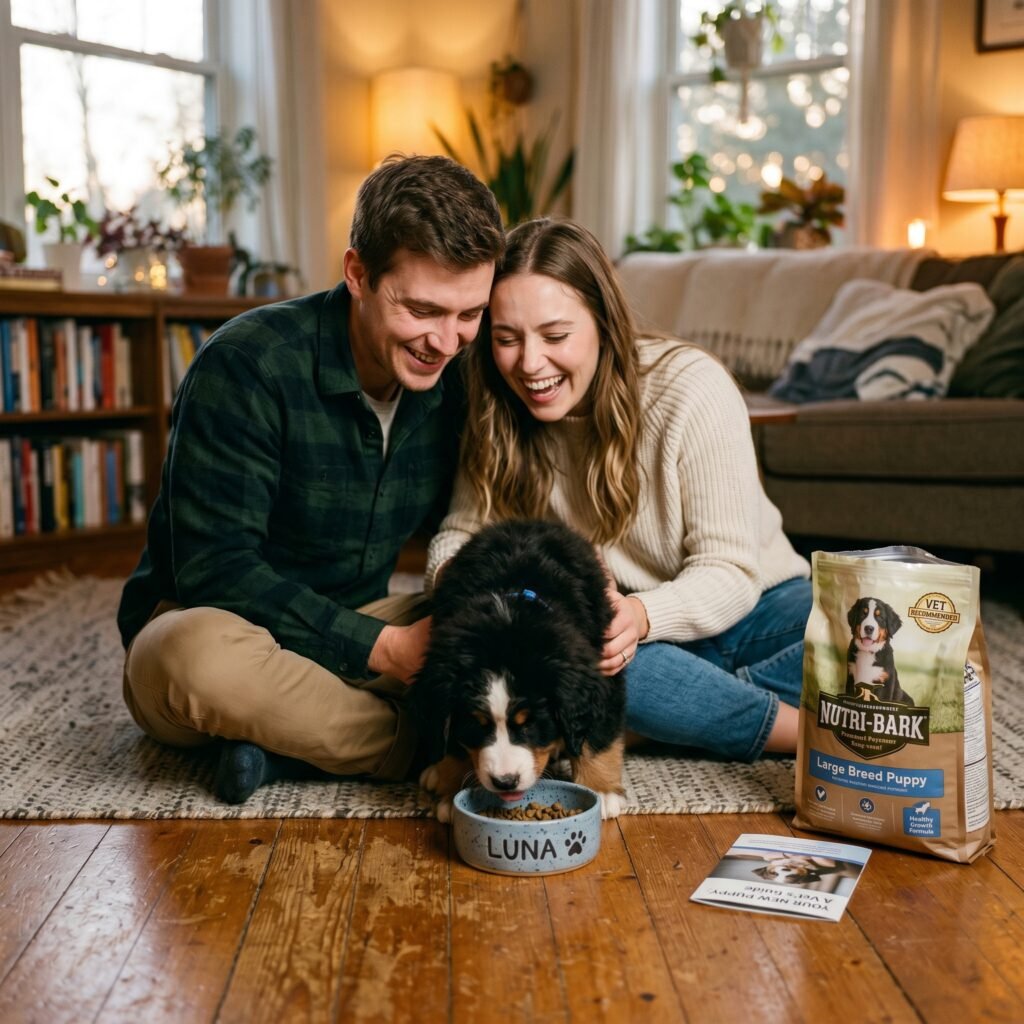
Bringing a new puppy home is one of life’s genuinely joyful experiences — and among the first and most consequential decisions you’ll make is what to feed them. The sheer number of products lining pet store shelves, the conflicting advice flooding social media, and the bold marketing claims on virtually every bag make it extremely difficult for first-time and experienced dog owners alike to separate genuinely good puppy food from elaborately packaged mediocrity. That’s precisely why puppy food recommendations by veterinarian experts carry so much weight — and why this guide draws exclusively on current veterinary consensus to give you the most trustworthy, actionable guidance available.
This comprehensive 2026 guide compiles the latest puppy food recommendations by veterinarian professionals from PetMD’s January 2026 vet panel, NBC Select’s expert review, Chewy’s veterinary panel (March 2026), Maplewood Veterinary Clinic’s December 2025 guide, Ponderosa Veterinary Clinic’s March 2026 recommendations, Healthline’s Dr. Vincent Tavella DVM review (March 2026), and Ask A Vet’s Dr. Duncan Houston BVSc nutrition guide — giving you a comprehensive, multi-source picture of what veterinarians actually recommend when you bring home a puppy in 2026.
Always consult your own veterinarian for personalized nutrition guidance specific to your puppy’s breed, size, and health status. This guide reflects current veterinary consensus and is intended as a comprehensive educational resource.
Why Puppies Need Different Food Than Adult Dogs
The foundation of every credible set of puppy food recommendations by veterinarian professionals is the same: puppies are emphatically not small adult dogs. As PetMD’s January 2026 vet-reviewed guide states directly: “Just like human babies, growing puppies have unique nutritional needs to make sure they’re getting all the support they need to grow and develop.” Understanding why those needs are different is essential for making good food choices.
During the first year of life, puppies undergo extraordinary physiological change — rapid bone mineralization, muscle development, organ maturation, brain and nervous system development, and immune system establishment all occurring simultaneously. The caloric and nutrient demands of this growth phase are significantly higher than adult maintenance requirements across virtually every dimension. A puppy eating adult dog food is receiving a formula calibrated for maintenance rather than growth — missing the elevated protein, calcium, phosphorus, DHA, and caloric density that their developing bodies need.
The consequences of inadequate puppy nutrition are not always immediately visible. Nutritional deficiencies in the puppy growth window can manifest as skeletal deformities, reduced immune function, suboptimal brain development, and increased predisposition to joint disease in adult life — outcomes that a more complete nutritional picture during puppyhood could have prevented or reduced. This is why puppy food recommendations by veterinarian professionals consistently emphasize starting puppies on the right food from the moment they begin eating solid food after weaning.
What Veterinarians Look for in a Puppy Food: The Non-Negotiable Criteria
When veterinarians evaluate puppy food and make recommendations, they apply a consistent set of scientific criteria. Understanding these criteria allows you to evaluate any food against the same standards that veterinary professionals use:
Criterion 1: AAFCO Growth Certification — The Most Important Label Check
Every credible set of puppy food recommendations by veterinarian experts starts with AAFCO compliance. The Association of American Feed Control Officials establishes the nutritional standards that define complete and balanced pet food in the United States. When evaluating puppy food, veterinarians specifically look for one of the following AAFCO statements on the label:
- “Formulated to meet AAFCO nutrient profiles for growth” — confirms the recipe was designed to meet minimum nutritional standards for puppies
- “Formulated to meet AAFCO nutrient profiles for all life stages, including growth of large breed puppies” — the more comprehensive statement covering all breeds and sizes
- “Animal feeding tests using AAFCO procedures substantiate that [brand] provides complete and balanced nutrition for growth” — the gold standard, confirming actual puppies were fed the formula and maintained adequate health during controlled feeding trials
Maplewood Veterinary Clinic’s December 2025 guide emphasizes that the feeding trial statement represents the highest standard: “These trials prove the food works in real puppies, not just on paper.” When two formulas meet AAFCO standards, the one with feeding trial substantiation has a meaningfully stronger quality credential. This is the single most important differentiator in any genuine puppy food recommendations by veterinarian assessment.
Criterion 2: Named Animal Protein as the First Ingredient
Veterinarians consistently recommend puppy foods where a named, specific animal protein — chicken, salmon, beef, lamb, turkey — is listed as the first ingredient. Protein is the most critical macronutrient for muscle development, immune function, and tissue growth in puppies. Formulas where grains, starches, or plant proteins appear before the first animal protein are providing less animal-sourced protein than the first-ingredient positioning suggests.
Criterion 3: DHA from Fish Oil for Brain and Eye Development
DHA (docosahexaenoic acid) — an omega-3 fatty acid found naturally in fish oil — is one of the most clinically validated nutrients for puppy brain and vision development. A 2023 study published in PMC (Rodrigues RBA et al.) specifically confirmed that DHA-concentrated fish oil supplementation enhances cognitive function in puppies. Healthline’s March 2026 vet review specifically notes that puppy formulas should include “clinically proven DHA, which supports healthy brain development during early learning and training.” Every quality set of puppy food recommendations by veterinarian professionals includes DHA from fish oil as a key label criterion.
Criterion 4: Appropriate Caloric Density Without Excess
Puppy food must be calorie-dense enough to fuel rapid growth — but not so calorie-dense that it promotes excessive weight gain that strains developing joints and skeletons. Dr. Duncan Houston BVSc’s Ask A Vet guide specifies that small breed puppies need approximately 40 kcal per pound of body weight daily, while large breed puppies need approximately 22.5 kcal per pound — reflecting the genuinely different growth rate management requirements across breed sizes. Puppy food recommendations by veterinarian for large breeds specifically emphasize controlled caloric density to prevent the accelerated growth that increases developmental orthopedic disease risk.
Criterion 5: Correct Calcium-to-Phosphorus Ratio
Aspen Animal Wellness’ vet-reviewed puppy guide specifies that the ideal calcium-to-phosphorus ratio in puppy food is approximately 1.2:1 — a precise mineral balance that supports healthy bone mineralization without the calcium excess that can disrupt skeletal development in large-breed puppies. Formulas marketed specifically as “Large Breed Puppy” are formulated with this ratio in mind, while standard “Puppy” formulas may have calcium levels optimized for smaller breeds that could be excessive for large-breed puppies.

Puppy Food Recommendations by Veterinarian: Top Brands for 2026
When veterinarians are asked — in surveys, in published guides, and in the examination room — which puppy food brands they recommend, three names appear at the top of virtually every list. As Maplewood Veterinary Clinic’s December 2025 guide states: “When you ask a veterinarian what they feed their own dogs, three names consistently rise to the top: Royal Canin, Hill’s Science Diet, and Purina Pro Plan.”
Hill’s Science Diet Puppy — Most Frequently Recommended Overall
Hill’s Science Diet tops more veterinary recommendation lists than any other brand across the 2025-2026 literature — and the reasons are consistent across every source. Chewy’s veterinary panel specifically states: “Hill’s brings decades of scientific research into formulating their foods and performs extensive in-house feeding trials, employing multiple full-time, board-certified veterinary nutritionists to oversee product development.” Panelist Tara Hansen, DVM is quoted: “For value and quality, this is an excellent choice for overall dog food.”
The Hill’s Science Diet Puppy formula features chicken as the primary protein, natural omega-3 fatty acids from fish oil for DHA, a blend of vitamin E and vitamin C for immune support, and a small kibble size appropriate for developing mouths. The formula is grain-inclusive — reflecting the veterinary consensus against grain-free diets for puppies without specific clinical indication. NBC Select’s vet expert panel specifically included Hill’s in their verified puppy food recommendations, noting its “natural omega-3 fatty acids from fish oil that work to support healthy brain and eye development.” As a key set of puppy food recommendations by veterinarian professionals, Hill’s earns the top position through research depth, feeding trial substantiation, and decades of clinical outcome evidence.
Royal Canin Puppy — Best for Breed and Size Specificity
Royal Canin earns its consistent position in puppy food recommendations by veterinarian professionals through a level of nutritional specificity that no other mainstream brand matches. As Maplewood Veterinary Clinic explains: “They understand that a 2-pound Yorkie puppy grows differently from a 100-pound Mastiff puppy.” The Royal Canin puppy line is organized by size category — X-Small, Small, Medium, Maxi, and Giant — and extends to breed-specific formulas for dozens of individual breeds including French Bulldogs, Golden Retrievers, Labrador Retrievers, and many others.
The kibble shapes in Royal Canin’s formulas are specifically engineered for different jaw structures — a level of design detail that reflects genuine understanding of how different breeds physically interact with their food. Chewy’s veterinary panelist Dr. Higgs specifically recommends Royal Canin for small breeds: “As a veterinarian and momma to four small dogs, I reach for this Royal Canin diet because it is highly palatable, and I know my pack will eat it due to the great taste. But I also take comfort knowing that they are getting excellent nutrition.” Ponderosa Veterinary Clinic’s March 2026 guide confirms that Royal Canin “offers the largest variety among the three brands” and is “widely recognized for its scientifically researched diets and consistent quality standards.”
Purina Pro Plan Puppy — Best for Palatability and Accessibility
Purina Pro Plan completes the veterinary consensus triumvirate for puppy food recommendations by veterinarian professionals, earning consistent high placement through a combination of demonstrated nutritional efficacy, exceptional palatability, and widely accessible pricing. As Maplewood Veterinary Clinic notes: “Backed by 90+ years of research, Purina Pro Plan delivers excellent nutrition at accessible prices. Their formulas contain real meat as the primary ingredient and include probiotics for digestive health.”
NBC Select’s expert panel specifically recommends the Purina Pro Plan Large Breed Puppy formula for dogs expected to exceed 50 pounds at maturity — noting its fish oil content for brain and visual development and its formulation to “help maintain a healthy development rate.” The inclusion of colostrum in Purina Pro Plan puppy formulas — a component of mother’s milk that contains immune factors that bridge the gap between nursing and solid food immunity — is specifically highlighted by Maplewood Veterinary Clinic as a meaningful functional addition that distinguishes their puppy formulas from competitors. The live probiotic cultures in Pro Plan formulas for digestive stability are additionally noted as a consistent advantage by multiple veterinary reviewers.
Eukanuba Puppy — Best for Bone and Joint Development
Eukanuba earns specific recognition in puppy food recommendations by veterinarian literature for its focus on optimal bone and muscle development — making it a particularly strong recommendation for large-breed puppies where skeletal development management is most critical. Maplewood Veterinary Clinic notes: “Their formulas include targeted levels of calcium and phosphorus, making them excellent choices for large-breed puppies prone to growth disorders.” The calcium-to-phosphorus ratio precision that defines Eukanuba’s large breed puppy formulas directly addresses the orthopedic development risk that makes large-breed-specific nutrition so important.
Iams Proactive Health Puppy — Best Budget-Accessible Option
For owners working within tighter budgets without wanting to compromise on nutritional quality, veterinary guidance consistently acknowledges Iams as a credible option in puppy food recommendations by veterinarian evaluations. NBC Select notes Iams’ dry puppy food is “highly rated” with a 4.7-star average from over 5,500 Amazon reviews, and that its formula is “rich in omega-3 to support mental and visual wellness in puppies.” Dr. Duncan Houston BVSc’s Ask A Vet guide includes Iams Proactive Health Puppy Large Breed specifically for its joint development support. While ingredient quality does not reach the research depth of Hill’s, Royal Canin, or Purina Pro Plan, Iams provides AAFCO-compliant nutrition at a price point that makes quality puppy feeding financially realistic for more households.

Breed Size Matters Most: Puppy Food by Size Category
One of the most important dimensions of any puppy food recommendations by veterinarian assessment is breed size — because the nutritional requirements, growth timelines, and associated health risks of small and large breed puppies are fundamentally different:
Small and Toy Breed Puppies (Expected Adult Weight Under 20 lbs)
Small breed puppies have faster metabolisms, higher energy requirements per pound of body weight, and shorter growth periods than large breeds. Veterinarians recommend small-breed-specific puppy formulas with smaller kibble sizes (appropriate for small jaws), higher caloric density per cup to meet elevated energy needs, and earlier transition to adult food — typically at 9 to 12 months for toy and small breeds. Royal Canin’s X-Small and Small puppy formats are specifically engineered for these dogs, with kibble shapes designed for smaller jaw structures and digestibility profiles calibrated for faster metabolic rates.
Medium Breed Puppies (Expected Adult Weight 20–50 lbs)
Medium breed puppies have the most flexibility in formula selection — the “standard” puppy formulas from Hill’s, Purina Pro Plan, and Royal Canin Medium are all well-suited to this size category. Growth periods typically complete between 12 and 14 months, at which point transition to adult food is appropriate.
Large and Giant Breed Puppies (Expected Adult Weight Over 50 lbs)
Large and giant breed puppies require the most careful nutritional management of any size category. Every authoritative set of puppy food recommendations by veterinarian for large breeds emphasizes these critical distinctions: large-breed-specific formulas control growth rate to protect developing skeletons, maintain appropriate calcium-to-phosphorus ratios (approximately 1.2:1), and manage caloric density to prevent the accelerated growth that increases hip dysplasia, elbow dysplasia, and OCD risk. Aspen Animal Wellness’ vet guide specifies calcium levels of approximately 1.2% as the target for large-breed puppy food. Large breeds typically continue puppy-specific formulas until 15 to 24 months — significantly longer than small and medium breeds. Hill’s Science Diet Large Breed Puppy, Purina Pro Plan Large Breed Puppy, and Eukanuba Large Breed Puppy are the three most consistently recommended large-breed puppy formulas across veterinary literature.
What Veterinarians Strongly Advise Against in Puppy Food
The veterinary consensus around puppy food recommendations by veterinarian professionals is not only about what to choose — it is equally emphatic about what to avoid. These are the most consistently cited recommendations to steer clear of:
Grain-Free Diets for Puppies Without Medical Indication
This is the single strongest and most consistent veterinary warning across all current puppy food recommendations by veterinarian sources. Maplewood Veterinary Clinic’s guide is explicit: “Current veterinary consensus suggests that unless your puppy has a diagnosed allergy to a specific grain — which is rare; most allergies are to proteins like chicken or beef — grain-inclusive diets are safer.” The FDA’s ongoing investigation into a potential link between legume-heavy grain-free diets and dilated cardiomyopathy means that grain-free puppy foods carry a risk that grain-inclusive alternatives do not. Unless your veterinarian has specifically diagnosed a grain allergy or intolerance, grain-inclusive puppy food is the standard recommendation from virtually every current veterinary source.
Generic “Boutique” Brands Without Research Infrastructure
Veterinarians consistently caution against small or boutique brands that lack the research teams, dedicated veterinary nutritionists, and feeding trial programs that define the top-recommended brands. As multiple sources note, board-certified veterinary nutritionists employed full-time by the brand — not consultants working part-time across dozens of brands — are a meaningful quality differentiator. Brands without this infrastructure are formulating puppy nutrition on paper rather than through the decades of research and clinical outcome data that justify trusting Hill’s, Royal Canin, and Purina Pro Plan with your puppy’s critical development period.
Adult Dog Food for Growing Puppies
Feeding adult dog food to a growing puppy is one of the most consequential and unfortunately common nutritional mistakes. Adult maintenance formulas are designed for metabolic maintenance — not growth. Protein, calcium, phosphorus, DHA, and overall caloric density in adult formulas are calibrated at levels appropriate for an adult dog’s maintenance needs — meaningfully below what puppy growth requires across most nutritional dimensions.
Free-Feeding (Leaving Food Available at All Times)
Dr. Duncan Houston BVSc’s Ask A Vet guide specifically warns against free-feeding as a puppy feeding practice — noting that controlled portion feeding based on the puppy’s weight and expected adult size allows owners to monitor intake, adjust for growth, and prevent the overconsumption that contributes to obesity and associated joint disease. Structured meal feeding also establishes healthy feeding habits that persist into adult life.

Puppy Feeding Schedule: From Weaning to Adult Food
Implementing the right feeding schedule alongside your chosen formula from your puppy food recommendations by veterinarian guide is essential for healthy development:
- 8 to 12 weeks: Three to four meals per day of puppy-specific formula, offered at consistent times. Puppies at this age have small stomachs and high metabolic demands — frequent small meals maintain blood glucose stability and energy throughout development
- 3 to 6 months: Three meals daily as stomach capacity increases. Transition from three to two meals at six months for most medium and large breeds
- 6 to 12 months (small breeds): Two meals daily, transitioning to adult food at 9 to 12 months when the puppy reaches approximately 90% of expected adult weight
- 6 to 18 months (medium breeds): Two meals daily, transitioning to adult food between 12 and 14 months
- 6 to 24 months (large and giant breeds): Two meals daily, maintaining large-breed puppy formula until 15 to 24 months — the later end of the range for giant breeds like Great Danes, Mastiffs, and Saint Bernards where skeletal development continues longest
- Transitioning to adult food: Always transition gradually over 7 to 10 days — mixing 25% new adult food with 75% puppy food initially, progressing to 50/50, then 75% adult food, then 100% adult food — to prevent digestive disruption at this dietary transition point
Frequently Asked Questions About Puppy Food Recommendations by Veterinarians
Why do veterinarians specifically recommend Hill’s, Royal Canin, and Purina Pro Plan?
These three brands share a set of research and quality infrastructure characteristics that distinguish them from the rest of the market: they employ full-time, board-certified veterinary nutritionists to formulate their diets; they conduct extensive AAFCO feeding trials that prove nutritional adequacy in real animals rather than just on paper; they have decades of clinical outcome data supporting their formulas; and they maintain dedicated research facilities that continuously refine their products based on current nutritional science. Puppy food recommendations by veterinarian professionals consistently converge on these brands not because of marketing relationships but because of demonstrated, verifiable nutritional science.
Is grain-free puppy food ever appropriate?
Only when specifically recommended by a veterinarian following a confirmed grain allergy or intolerance diagnosis. Grain allergies in dogs are significantly less common than protein allergies — the vast majority of food-allergic dogs react to chicken or beef, not grains. Without a specific diagnosis, the current veterinary consensus strongly recommends grain-inclusive puppy food given the ongoing FDA investigation into grain-free diets and DCM. This is one of the most consistent points across all current puppy food recommendations by veterinarian sources reviewed for this guide.
How much should I feed my puppy?
Daily feeding amounts depend on your puppy’s current weight, expected adult weight, age, and the caloric density of your chosen formula. Dr. Duncan Houston BVSc provides the following caloric benchmarks: small breed puppies approximately 40 kcal per pound of body weight daily; large breed puppies approximately 22.5 kcal per pound. Always start with the manufacturer’s feeding guidelines on the packaging, adjust based on your puppy’s body condition score at each veterinary visit, and use a kitchen scale for accurate portioning. Your veterinarian can provide personalized portion guidance at each wellness visit throughout the puppy growth period.
Can I give my puppy treats alongside their recommended puppy food?
Yes — but with important constraints. Veterinarians consistently recommend limiting treats to no more than 10% of your puppy’s total daily caloric intake to avoid disrupting the balanced nutritional profile of their formula. Choose treats appropriate for puppy-sized mouths, avoid any treats containing xylitol (extremely toxic to dogs), and factor treat calories into the daily total to prevent overfeeding. During training-intensive periods, use small, low-calorie training treats — or small pieces of the puppy’s regular kibble — rather than higher-calorie commercial treats to stay within the 10% limit while still reinforcing behavior effectively.
Final Thoughts: Following Veterinarian Puppy Food Guidance Pays Dividends for Life
The first year of your puppy’s life is the most nutritionally consequential period they will experience. The choices made during this growth window — what protein sources fuel their muscle development, whether DHA supports their brain architecture, whether calcium and phosphorus are balanced correctly for their size, whether caloric density matches their growth rate without excess — create a foundation that influences their joint health, immune function, cognitive development, and metabolic efficiency for their entire adult life.
Puppy food recommendations by veterinarian professionals represent the accumulated evidence of decades of nutritional research, clinical outcome observation, and feeding trial data — filtered through the practical experience of professionals who see the real-world consequences of good and poor puppy nutrition every day. Following that guidance — starting with an AAFCO-growth-certified formula from a brand with real research infrastructure, matching the formula to your puppy’s expected adult size, feeding structured meals on a consistent schedule, and transitioning to adult food at the appropriate developmental milestone — is one of the most meaningful investments you can make in your puppy’s long-term health.
Your puppy is counting on you to make this decision well. The veterinary profession is offering you the most current, most evidence-based guidance available to help you do exactly that.
Looking for more expert guides on puppy nutrition, breed-specific feeding advice, and detailed brand reviews? Browse our blog for comprehensive, vet-informed resources designed to help every dog owner make the most confident decisions for their puppy’s health from day one.