The Worst Dog Food Brands You Should Never Buy
Some of the most popular dog food brands to avoid are hiding fillers and recalled ingredients behind clean packaging. Find out which ones made the list — and what to feed instead.
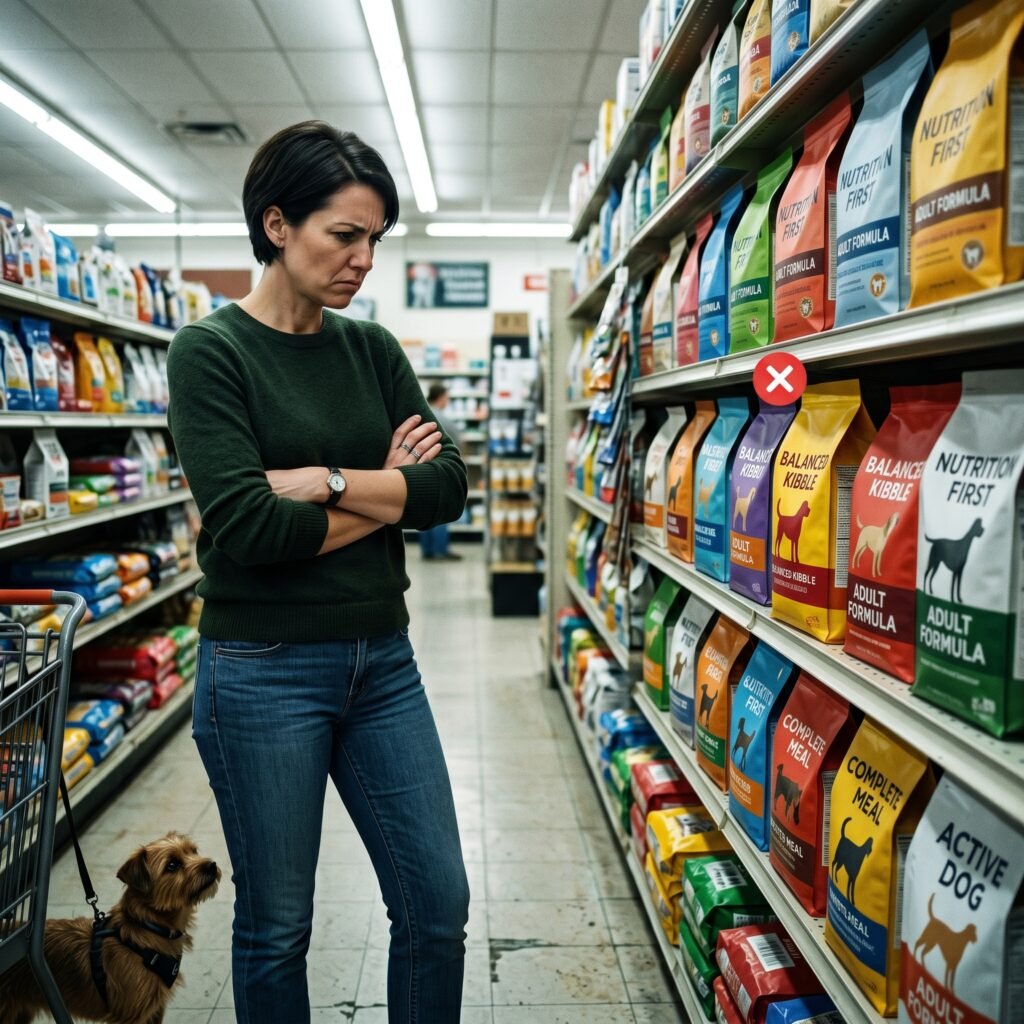
The pet food industry is worth over $50 billion annually in the United States alone — and not every brand competing for your dog’s bowl deserves to be there. While the majority of commercial dog foods meet minimum AAFCO nutritional standards, meeting minimum standards is not the same as being genuinely safe, nutritionally excellent, or honest in its ingredient sourcing. Knowing which dog food brands to avoid — and more importantly, knowing WHY and HOW to identify them — is one of the most valuable things you can learn as a dog owner in 2026.
This guide teaches you the complete, objective framework for identifying dog food brands to avoid: the specific ingredient red flags, the manufacturing quality indicators that separate trustworthy brands from risky ones, the recall patterns that reveal systemic quality control failures, the label deception tactics that disguise poor formulas as premium products, and the concrete steps you can take to verify any brand’s safety record before the next bag goes in your dog’s bowl. By the end, you’ll never need to rely solely on marketing claims or celebrity endorsements to evaluate what you’re feeding your dog.
Why Some Dog Food Brands Deserve to Be Avoided
Understanding dog food brands to avoid starts with understanding the fundamental gap between what dog food labels claim and what they actually contain. The FDA regulates pet food, but as Best Life 4 Pets’ September 2025 guide specifically notes: “The pet food industry isn’t as regulated as you might think, and some brands with household names have recall histories that would shock most dog owners.”
The gap between marketing language and nutritional reality exists for several concrete reasons:
- AAFCO compliance sets a floor, not a ceiling: A food that meets AAFCO minimum nutrient standards is legal to sell as “complete and balanced” — but minimum compliance leaves enormous room for poor-quality protein sources, high-glycemic fillers, artificial preservatives, and vague ingredient labeling. The brands worth avoiding often meet the minimum while failing at every quality metric above it
- Third-party manufacturing creates accountability gaps: Many brands that appear to be distinct companies actually share manufacturing facilities with dozens of other brands. When a third-party manufacturer has a quality control failure, the contamination affects every brand they produce — regardless of how premium any individual brand’s marketing appears
- Ingredient regulation is less strict than human food: Pet food can legally include ingredients rejected from the human food supply chain, vaguely identified protein sources, and chemical preservatives banned from human food in several countries. Without knowing what to look for, these inclusions are invisible to most buyers
- Marketing claims are largely unregulated: Terms like “natural,” “holistic,” “premium,” and “superfood” have no legal definition in pet food labeling. Any brand can use them regardless of what’s actually in the bag
Red Flag #1: Vague or Misleading Protein Sources
The ingredient list is the single most important tool for identifying dog food brands to avoid — and protein sourcing is where the most consequential quality differences reveal themselves. Here are the specific protein-related red flags that should raise immediate concern:
“Meat and Animal Derivatives” — The Most Concerning Protein Label
This ingredient designation — common in European pet food and increasingly appearing in imported brands — is one of the clearest markers of dog food brands to avoid. “Meat and animal derivatives” is a catch-all umbrella term that allows manufacturers to use any combination of animal species and any parts of those animals — and to vary that combination batch by batch based on whatever is cheapest at the time of production. You can feed this food consistently for months and have no reliable knowledge of what protein your dog is actually consuming. For dogs managing food allergies or sensitivities, this vagueness makes symptom management essentially impossible.
“Poultry Meal” or “Meat Meal” Without Species Identification
Among dry dog food brands to avoid, those relying on generic “poultry meal” or “meat meal” — without naming the specific animal species — use deliberate vagueness to hide variable ingredient sourcing. “Chicken meal” tells you the species, the processing method, and provides a specific protein source that can be verified. “Meat meal” tells you nothing except that some form of rendered animal material is included. The species variation that generic meal allows means the actual protein your dog eats may be inconsistent across different bags of the same product.
Plant Proteins Used to Artificially Inflate Protein Percentages
A sophisticated deception commonly found in dog food brands to avoid involves listing an impressive crude protein percentage on the guaranteed analysis — while using pea protein, soy protein concentrate, or potato protein as primary protein sources alongside minimal actual meat. These plant-based proteins count toward the reported protein percentage but deliver inferior amino acid profiles compared to animal proteins and are less biologically valuable for dogs. Always cross-reference the protein percentage with the first five ingredients — if plant proteins appear before or alongside the primary meat ingredient, the actual animal protein content is lower than the percentage suggests.
Red Flag #2: High-Risk Filler Ingredients
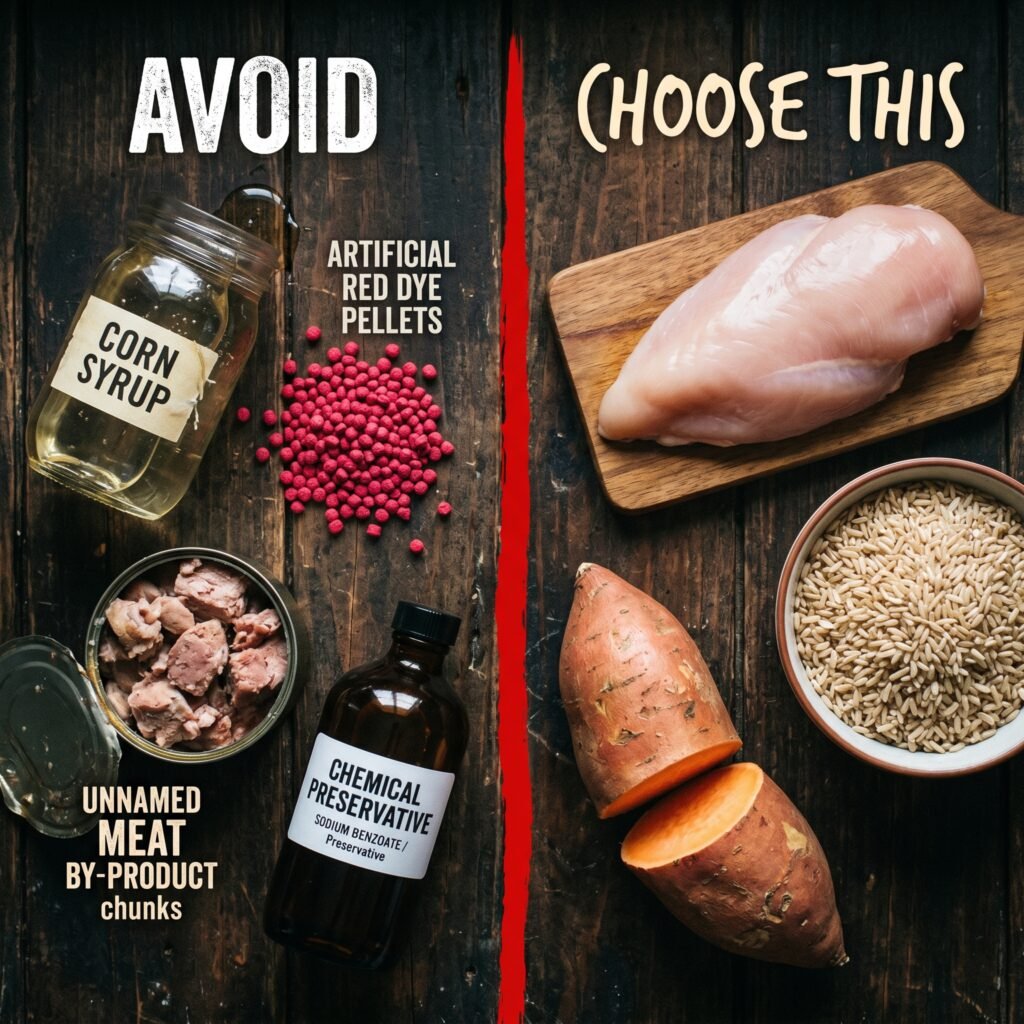
Certain ingredients function as economic fillers — adding bulk, calories, and weight to a product while contributing minimal nutritional value to your dog’s diet. Their presence in high quantities is a reliable indicator of dog food brands to avoid:
Corn Syrup and Added Sugars
The presence of corn syrup, cane molasses, caramel, or any form of added sugar in a dog food formula is a significant red flag. Dogs do not require dietary sugar, and its inclusion serves no nutritional purpose — it enhances palatability to mask inferior ingredient quality. Among brands of dog food to avoid in the budget tier, added sugars are particularly common in semi-moist or “tender” format products where texture is maintained chemically rather than through quality ingredients.
Propylene Glycol
Used as a humectant in some semi-moist dog foods to maintain soft texture, propylene glycol is a chemical preservative banned from cat food by the FDA — yet it remains legal in dog food. It is derived from petroleum and has no nutritional value. Its presence is a clear marker of one of the dry dog food brands to avoid for quality-conscious buyers.
BHA, BHT, and Ethoxyquin
These three synthetic preservatives are among the most commonly cited chemical additives that define dog food brands to avoid:
- BHA (Butylated Hydroxyanisole): Listed as a possible human carcinogen by the National Toxicology Program and banned from human food in several countries — yet still legal in US pet food
- BHT (Butylated Hydroxytoluene): Similarly flagged for potential health concerns with long-term exposure in multiple regulatory review processes
- Ethoxyquin: Originally developed as a pesticide and rubber stabilizer. The FDA receives more adverse event reports about ethoxyquin than any other pet food additive. While technically legal in pet food below certain concentration thresholds, many quality-conscious brands avoid it entirely as a precautionary standard
Quality brands use mixed tocopherols (vitamin E), rosemary extract, or ascorbic acid as natural preservatives instead — providing shelf stability without chemical preservative risk.
Excessive Grain Fractions as Fillers
Corn gluten meal, wheat middlings, brewer’s rice, and grain fermentation solubles are processing by-products that appear in many of the dog food brand to avoid examples in the budget category. These ingredients are legal but nutritionally poor — cheap by-products of grain processing that add bulk and calories without the fiber, vitamins, and minerals present in whole grain versions of the same ingredient. When these grain fractions appear in the first five to seven ingredients, they signal a cost-cutting formulation philosophy rather than a nutritional one.
Red Flag #3: Recall Patterns That Reveal Systemic Problems
A brand’s recall history is one of the most reliable objective indicators of whether it belongs among dog food brands to avoid. But recall history requires nuanced interpretation — not all recalls are equal, and not all brands with clean histories are equally safe. Here is how to read recall history intelligently:
Single Voluntary Recall vs. Repeated Recalls for the Same Reason
A brand that has experienced one voluntary recall in 20 years of production — particularly when initiated proactively before illness is reported — is in a fundamentally different risk category than a brand with three, four, or five recalls for similar issues across a shorter operating history. Repeat recalls for the same contamination type (Salmonella, Vitamin D excess, aflatoxin) indicate that the underlying manufacturing or sourcing vulnerability has not been genuinely corrected. This pattern is the most reliable predictor of future recalls among dog food brands to avoid.
The 2026 Recall Landscape: Categories of Highest Concern
Bestie Paws’ March 2026 comprehensive recall analysis identifies the primary contamination drivers in the current environment that define dog food brands to avoid in usa in the current period:
- Aflatoxin contamination: The 2025 harvest season produced unusually humid conditions for corn and wheat in key agricultural regions. Aflatoxin — a highly toxic mold byproduct that accumulates on stored grains in high-moisture conditions — has been the primary driver of mass-market kibble recalls in early 2026. Brands that rely heavily on corn and wheat as primary ingredients from bulk commodity suppliers carry elevated aflatoxin risk in this environment compared to brands using more diversified grain sourcing or grain-free carbohydrate alternatives
- Salmonella contamination: Raw and frozen raw pet foods account for disproportionate Salmonella recall activity — representing more than half of 2025’s total recalled pet food weight despite raw food constituting a small fraction of the overall market. This does not mean all raw food is dangerous, but it is a statistically significant risk pattern that buyers of raw format foods need to account for in their feeding decisions
- Vitamin D toxicity: Excess vitamin D — a fat-soluble nutrient that accumulates in organ tissue and causes renal failure at sufficient concentrations — has been a recurring recall driver. Both premium and budget brands have experienced Vitamin D-related recalls, typically traced to supplier errors in pre-mix formulation. Brands that conduct frequent batch testing for nutrient levels rather than relying entirely on supplier certificates of analysis catch these errors before product reaches consumers
- Foreign material contamination: Plastic fragments, metal particles, and other physical contaminants have appeared in recalls from multiple brands — almost always traced to manufacturing equipment failures in third-party production facilities. Brands that own and directly operate their manufacturing facilities have consistently demonstrated lower rates of this contamination type than brands using shared third-party manufacturing
Red Flag #4: Manufacturing and Transparency Warning Signs
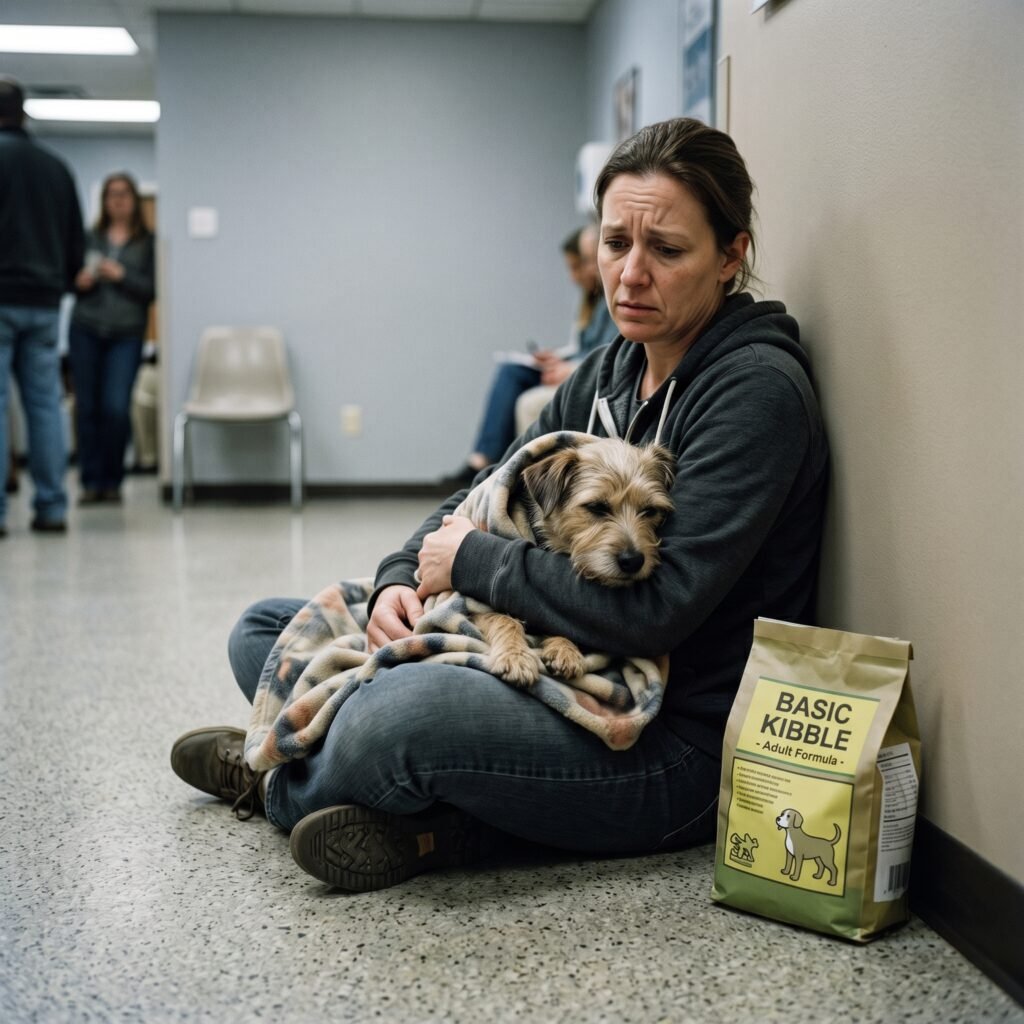
The manufacturing model behind a dog food brand is one of the strongest predictors of consistent quality — and therefore one of the most reliable indicators of dog food brands to avoid:
Unknown or Undisclosed Manufacturing Partners
When a brand cannot or will not disclose where its food is manufactured, this is a significant transparency gap. Many brands that experienced recalls did so because they shared manufacturing facilities with other brands — when contamination entered the shared facility, every brand produced there was affected simultaneously. Brands that own their own dedicated manufacturing facilities and are transparent about their location have a structurally lower multi-brand contamination risk.
No AAFCO Feeding Trial Statement
There are two AAFCO compliance statements that can appear on a dog food label — and they are not equivalent. “Formulated to meet AAFCO nutrient profiles” means the recipe was calculated on paper to meet minimum nutrient requirements. “Substantiated by AAFCO feeding trials” means actual dogs were fed the food under controlled conditions and maintained adequate health. The feeding trial standard is more rigorous — and among dog food brands to avoid, the absence of any feeding trial substantiation is a meaningful quality signal. The best brands subject their formulas to both nutritional analysis and feeding trial validation.
Ingredients Sourced from China Without Disclosure
Following the 2007 melamine contamination crisis — which killed thousands of dogs and cats in the US through Chinese wheat gluten and rice protein concentrate — ingredient sourcing transparency became a critical buyer concern. Brands that explicitly confirm no ingredients are sourced from China (like American Natural Premium, Fromm, and NutriSource/Pure Vita) provide a sourcing assurance that budget brands relying on the cheapest global commodity market cannot. While Chinese-sourced ingredients are legal and not uniformly unsafe, the lower regulatory oversight compared to US and Canadian agricultural standards represents an elevated risk factor worth acknowledging.
Red Flag #5: Label Deception Tactics
Several specific label manipulation techniques are commonly found on dog food brands to avoid — designed to create a false impression of quality that the actual ingredient panel contradicts:
Ingredient Splitting
This technique involves breaking a single filler ingredient into multiple smaller components — each of which appears lower on the ingredient list than the combined total would require. For example, “corn,” “corn gluten meal,” and “corn germ meal” appearing at positions 3, 4, and 6 on an ingredient panel are all corn. Combined, they would likely outweigh the named meat protein listed first — but split across three separate listings, each appears less significant than it is. This is a deliberate labeling strategy among dog food brands to avoid that uses regulation against the consumer’s ability to accurately evaluate what they’re buying.
Fresh Meat First, Meal Later
Listing “fresh chicken” as the first ingredient sounds premium — and it is, in isolation. However, fresh chicken contains approximately 70% water by weight. After processing, the actual dry protein contribution of that fresh chicken is far lower than the positioning suggests. Meanwhile, “chicken meal” — a concentrated dry protein that appears lower in the ingredient list — may contribute far more actual protein to the finished formula. This sequencing is used by some brands to create a premium appearance through ingredient panel positioning without delivering premium protein density. Quality labels include both fresh meat AND named meal to indicate genuine protein commitment.
“Natural Flavor” as a Mystery Ingredient
“Natural flavor” is a legal FDA designation that covers an enormous range of substances — including rendered animal parts, fermentation products, and various chemical derivatives of natural origins. Its presence in a formula tells you essentially nothing about what it actually is. Among dog food brands to avoid that use this designation prominently, “natural flavor” frequently functions as a palatability enhancer masking the lack of appealing real ingredient quality in the actual protein sources.
How to Verify Any Brand’s Safety Record: The 5-Minute Check
Rather than maintaining a static list of dog food brands to avoid — which changes as recalls are issued and resolved — developing the habit of checking any brand’s current status takes under five minutes and gives you real-time safety information that no printed guide can provide:
- Check Dog Food Advisor’s recall database: dogfoodadvisor.com/dog-food-recalls maintains a searchable, continuously updated database of all FDA-documented pet food recalls. Search your brand name directly — any listed results appear immediately. Sign up for their free email recall alerts to receive notification of any future events affecting brands you feed
- Search the FDA recall database directly: fda.gov/animal-veterinary/safety-health/recalls-withdrawals provides the primary regulatory source for all animal food safety actions. This is the most authoritative source for current recall status
- Check PetRecalls.com: An independent tracking service that aggregates FDA recall data and provides additional context on recall severity classification (Class I being the FDA’s most serious level)
- Search “[Brand Name] recall” on Google: Set the date filter to “Past year” — this surfaces any recent safety incidents, adverse event reports, or regulatory actions that may not yet have resulted in formal recalls but represent emerging concerns worth knowing about
- Verify the AAFCO feeding trial statement on the label: The difference between “formulated to meet” and “substantiated by AAFCO feeding trials” is a meaningful quality signal visible on every bag. This single check takes 10 seconds and immediately differentiates paper compliance from tested nutritional adequacy
What Genuinely Safe Dog Food Looks Like: The Positive Checklist
Understanding dog food brands to avoid is most useful when paired with understanding what genuinely trustworthy brands consistently demonstrate. iHeartDogs’ research on brands that have never been recalled through 2026 identifies the following shared characteristics of the safest brands in the market:
- Own or tightly control their manufacturing facilities: Brands with dedicated, in-house production have direct oversight over quality at every step — no shared facility contamination risk, no third-party quality control gaps
- Conduct batch testing independent of supplier certifications: The safest brands test finished product in independent laboratories for nutrients, contaminants, and pathogens — not only relying on supplier-provided certificates of analysis that may not reflect actual batch content
- Named animal proteins in top positions with no species ambiguity: “Deboned chicken” or “salmon meal” rather than “poultry,” “meat,” or “animal derivatives”
- Natural preservation without BHA, BHT, or ethoxyquin: Mixed tocopherols, rosemary extract, or ascorbic acid rather than synthetic chemical preservatives
- Transparent sourcing disclosures: Brands that proactively disclose ingredient countries of origin and manufacturing locations — not just when asked, but as a standard communications practice
- AAFCO feeding trial certification: The highest standard of nutritional validation — actual dogs, actual feeding, actual health outcome measurement
- Demonstrated regulatory responsiveness: Brands that respond quickly to quality concerns, proactively initiate recalls before regulatory pressure, and communicate transparently with consumers about corrective actions have fundamentally different quality cultures than brands that minimize or deflect
Frequently Asked Questions About Dog Food Brands to Avoid
Are expensive dog food brands always safer than cheap ones?
No. Price is not a reliable indicator of safety or quality. Some of the most recalled brands in US pet food history have been positioned as premium products with premium price tags. The indicators described in this guide — manufacturing model, ingredient transparency, recall history pattern, AAFCO feeding trial status — are more reliable safety predictors than price alone. Conversely, some very affordable brands from manufacturers that own their facilities and conduct rigorous batch testing have maintained clean safety records for decades.
How many recalls make a brand worth avoiding?
Context matters more than count. One voluntary recall in 30 years of production — particularly for an isolated supplier error — is a very different risk signal than three recalls in five years for the same contamination type. Look for patterns: does the brand recall frequently? For the same reason repeatedly? With inadequate public response or delayed notification? These patterns are the true indicators of dog food brands to avoid based on systemic quality failures rather than isolated incidents.
Can I trust “natural” or “holistic” labeling on dog food?
No. Neither “natural” nor “holistic” has any regulated definition in US pet food labeling. Any brand can use these terms regardless of ingredient quality, manufacturing standards, or safety record. They are marketing claims with no enforced meaning. Always evaluate the actual ingredient panel, guaranteed analysis, AAFCO statement, and recall history rather than relying on descriptor terms that exist outside regulatory enforcement.
What should I do immediately if I discover my dog’s food has been recalled?
Stop feeding the recalled product immediately — even if your dog appears healthy. Many recall-level contaminants (fat-soluble vitamins, heavy metals, and bacterial toxins) cause cumulative rather than immediate harm. Check the specific lot number and best-by date against the recall notice to confirm your specific bag is affected. Save all packaging — do not return or discard the bag until you have documented the lot code, UPC, and best-by date. Call your veterinarian if your dog has shown any GI symptoms, lethargy, changes in thirst or urination, or coat changes in the past 30 days. Report the incident to the FDA at reportaproblem.food@fda.hhs.gov and to your state Department of Agriculture.
Final Thoughts: Avoiding Bad Dog Food Starts With Knowing What to Look For
The most powerful protection against dog food brands to avoid is not a static list — it’s the knowledge to evaluate any brand independently, using objective and verifiable criteria that no marketing budget can falsify. Vague protein labeling, chemical preservatives, serial recall patterns, third-party manufacturing without transparency, ingredient splitting, and AAFCO minimum-only compliance are all visible on any bag’s ingredient panel and guaranteed analysis if you know what you’re looking for.
Use the FDA recall database and Dog Food Advisor’s recall tracker as your first-line safety check for any brand. Verify the AAFCO statement type — feeding trial substantiated versus simply formulated to meet. Look for named proteins, natural preservation, disclosed sourcing, and in-house manufacturing wherever possible. And when a brand demonstrates quality through transparency, proactive safety communication, and years of clean performance — support it, tell other dog owners about it, and stay subscribed to recall alerts to catch the rare exception when it matters.
Your dog cannot read a label. But you can — and now you know exactly what to look for.
Looking for specific trusted brand recommendations, in-depth nutritional reviews, and the latest recall alerts? Browse our blog for comprehensive, research-backed resources designed to help every dog owner make the most confident feeding decisions possible for their dog’s health.