Why Is My Dog Not Eating His Food? Causes & Solutions
Why is my dog not eating his food? Learn the common reasons, warning signs, and how to help your dog start eating again.
Why Is My Dog Not Eating His Food? Full 1800+ Word Guide (Including Grass-Eating)
If you’re searching why is my dog not eating his food, you’re already doing the right thing: paying attention. Appetite changes are one of the fastest ways dogs “tell” us something is off—sometimes it’s simple (picky habits, stress, food went stale), and sometimes it’s a genuine medical problem (pain, nausea, infection, blockage).
This guide covers the most common reasons behind:
why is my dog not eating his dog food
why is my dog not eating all his food
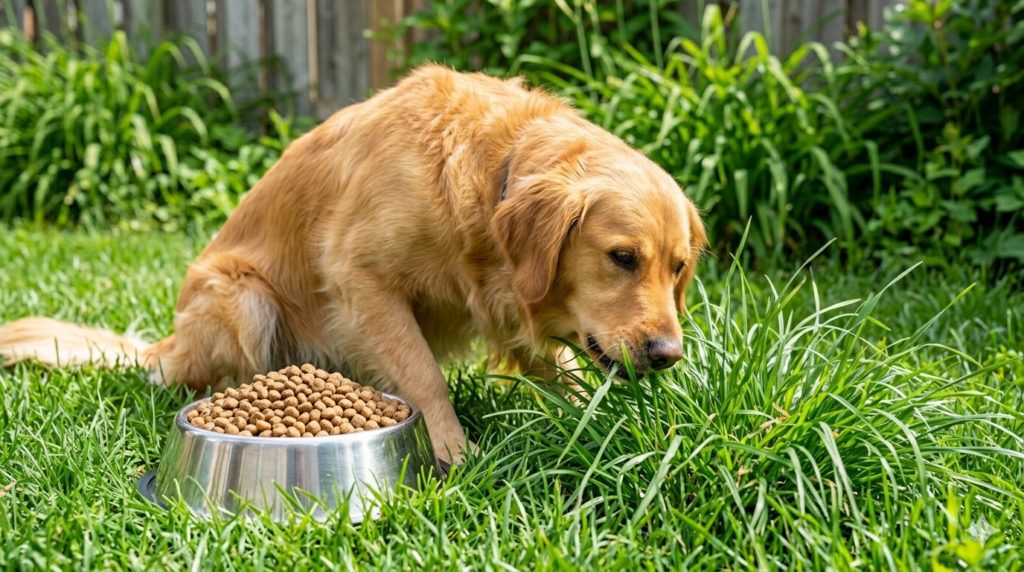
why is my dog eating grass and not his food
why is my dog eating grass but not his food
…and gives you a clear step-by-step plan for what to do today.
The First Thing to Decide: Is This an Emergency?
Before you try toppers or switch foods, check for red flags. Go to an emergency vet (or contact a vet urgently) if your dog has any of these:
Refusing water or barely drinking
Repeated vomiting (especially can’t keep water down)
Bloated/tight belly, pacing, drooling, repeated retching with little/no vomit (bloat risk)
Bloody diarrhea or black/tarry stool
Severe lethargy, collapse, weakness, or disorientation
Obvious pain (whimpering, hunched posture, trembling)
Suspected toxin exposure (chocolate, xylitol, meds, rodent poison, plants)
Possible foreign object ingestion (sock, toy, bone pieces) especially with vomiting
Difficulty breathing
A puppy, very small dog, or diabetic dog that hasn’t eaten (they can decline faster)
If your dog is “just skipping meals” but otherwise acting normal and still drinking, you may be able to monitor briefly—but don’t wait too long. For most adult dogs, if appetite doesn’t improve within 24–48 hours, it’s time to call your vet.
How Long Is “Too Long” Without Eating?
Use this as a practical guide:
Adult healthy dog
Skipping one meal: often not an emergency, but watch closely
Skipping a full day: take it seriously; start troubleshooting and consider a vet call
48 hours with no food: vet advice is strongly recommended
Puppies, seniors, tiny breeds, dogs with chronic illness
Don’t wait 48 hours. If they refuse food for a day (or even less with symptoms), contact a vet sooner.
Water is more urgent than food. A dog that won’t drink is a bigger concern than a dog that won’t eat.
Why Is My Dog Not Eating His Dog Food? The 8 Biggest Causes
1) Your dog is holding out for something better (picky behavior)
This is extremely common.
Many dogs learn this pattern:
Refuse kibble
Owner offers treats, table scraps, chicken, cheese, new brand
Dog learns “refusing = better food arrives”
Clues this is happening:
Dog refuses kibble but happily eats treats or human food
Dog acts normal otherwise
Appetite returns when you offer “special” food
2) Stress, anxiety, or routine change
Dogs can lose appetite when something changes:
travel, boarding, new house
new baby, new pet, visitors
loud events (fireworks, storms)
schedule changes
Clues:
Less interested in food but still takes small treats
Mild pacing, clinginess, or hiding
Appetite returns when environment calms down
3) Dental pain or mouth problems
Dogs may “want” to eat but avoid chewing.
Common mouth issues:
broken tooth, gum inflammation, abscess
severe tartar, tooth root pain
mouth injury (stick pokes, foreign body)
Clues:
Drops kibble while chewing
Chews only one side
Pawing at mouth, drooling, bad breath
Eats soft food but refuses crunchy kibble
4) Nausea or stomach upset
Nausea can make dogs turn away from food and sometimes eat grass (more on grass below).
Causes include:
mild stomach upset
eating something weird outside
pancreatitis (often more severe)
medication side effects
motion sickness
infection/fever
Clues:
Lip licking, drooling, gulping
Burping, swallowing repeatedly
Vomiting or dry heaving
Sitting “sad,” not excited about normal meals
5) You changed the food too fast (diet transition issue)
Switching foods suddenly can cause gut disruption. Some dogs react with:
soft stool/diarrhea
gas
reduced appetite
If you recently switched foods or flavors, this is a likely culprit.
6) The food is stale, rancid, or “different”
Kibble can go stale after opening—especially if stored in heat or humidity. Oils can oxidize and smell “off.”
Clues:
You smell a “paint-like,” sour, or rancid odor
Dog used to eat it but suddenly refuses the same bag
You recently changed bag size or storage contain
7) Overfeeding and treat overload
Sometimes the dog isn’t sick—just not hungry.
If:
treats are frequent
chews are large
people in the home sneak snacks
…your dog may simply be full.
8) Underlying illness (the serious bucket)
Many illnesses reduce appetite:
infections/fever
kidney disease, liver disease
pain (arthritis, injury)
parasites
GI obstruction (foreign body)
endocrine issues
cancer
If appetite loss comes with vomiting, diarrhea, lethargy, weight loss, drinking more/less, or behavior change, assume medical until proven otherwise.
Why Is My Dog Not Eating All His Food? (Partial Appetite)
If your dog eats some but not all, common explanations include:
Portion is too large
Feeding charts can overestimate. Also, dogs need fewer calories after neutering/spaying or when activity drops.
Grazing habit
Some dogs naturally prefer to graze. If they maintain healthy weight and energy, it may be normal.
Bowl issues (yes, really)
Some dogs dislike:
metal bowl noise
bowl smell (old plastic can hold odors)
bowl sliding on the floor
eating near loud appliances
Try a different bowl material and location.
Feeding environment
A dog may stop eating if:
another pet hovers
kids disturb them
feeding area feels unsafe
Early illness
“Not finishing meals” can be the first subtle sign of something brewing. If it continues for several days or worsens, call your vet.
Why Is My Dog Eating Grass and Not His Food?
This is one of the most common “weird” combinations owners report.
Grass eating can mean different things depending on the dog:
1) Normal behavior / habit
Many dogs simply like grass texture. Some do it when bored or during walks.
2) Mild nausea
Some dogs eat grass when their stomach feels unsettled. Sometimes they vomit afterward, sometimes they don’t.
3) Acid reflux or empty stomach discomfort
Some dogs eat grass early morning when stomach acid is high (especially if they go long hours overnight without food).
4) Anxiety behavior
Like licking paws, grass eating can sometimes be a self-soothing behavior.
When grass eating becomes concerning
Grass eating is more concerning when it pairs with:
refusing meals
repeated vomiting
lethargy
abdominal pain
diarrhea
refusal of water
If your dog is eating grass but not eating food for more than a day, or vomiting repeatedly, call your vet.
Step-by-Step Plan: What to Do Today
If your dog is not eating but has no emergency signs, use this practical plan.
Step 1: Check water first
Make sure your dog is drinking normally. If not, treat it as urgent.
Step 2: Check the food
Smell it: any rancid/sour smell?
Check the bag date and storage conditions
Try offering a small amount from a fresh bag if you suspect staleness
Step 3: Remove the “picky training loop”
For the next 24 hours:
stop table scraps
reduce treats drastically
avoid endless topping experiments
Step 4: Use scheduled meals
Put food down for 15–20 minutes, then pick it up. Offer again at the next meal time. This resets appetite routines.
Step 5: Make kibble more appealing (without creating dependency)
Choose ONE temporary enhancement:
add a small splash of warm water and stir
warm the food slightly (smell increases)
use a tiny amount of wet food mixed in (not a whole can)
Avoid: rotating multiple toppers every hour—this can reinforce pickiness.
Step 6: Observe behavior and stool
Track:
energy level
vomiting/diarrhea
stool quality
grass eating frequency
belly discomfort
interest in treats vs meals
If appetite doesn’t improve within 24–48 hours, call your vet.
Common Scenarios and What They Usually Mean
“My dog won’t eat his dog food but will eat treats.”
Most commonly:
picky behavior
dental discomfort (soft treats easier)
mild nausea (treats are higher reward)
If this lasts more than a day or two, don’t assume it’s “just picky”—check for pain and illness.
“My dog is eating grass but not his food.”
Often suggests nausea, reflux, stress, or GI upset. If it’s new and persistent, you should seek vet advice—especially if vomiting occurs.
“My dog is not eating all his food but seems fine.”
Could be:
too much food
too many treats
lower activity
mild stress
If weight and energy stay normal and it doesn’t worsen, it may be fine. If it’s a sudden change, investigate further.
Things NOT to Do (Common Mistakes)
Don’t switch foods repeatedly in a short time
Constant switching can:
upset the gut
worsen diarrhea
create picky behavior
Don’t force-feed unless a vet instructs you
Force-feeding can cause choking or aspiration, especially if nausea is present.
Don’t ignore repeated vomiting
Vomiting plus no eating can signal obstruction or serious GI disease.
Don’t press the “treat button” all day
This teaches the dog that refusing meals leads to better food. If it’s pickiness, consistency fixes it faster than constant negotiation.
When to Call the Vet (Clear Triggers)
Call your vet today if:
no water intake (or minimal drinking)
repeated vomiting
blood in stool or vomit
obvious pain or bloating
lethargy, weakness, collapse
suspected toxin or foreign object ingestion
your dog is a puppy, diabetic, or medically fragile
Call your vet within 24–48 hours if:
your adult dog refuses all food for a full day
your dog continues eating grass but refuses meals
appetite is reduced and there are any other changes (energy, weight, stool)
Vet Visit: What They May Ask or Check
If you go to the vet, expect questions like:
How long has the appetite change lasted?
Any vomiting/diarrhea?
Any new foods/treats?
Any access to trash, bones, toys?
Drinking and peeing normal?
Any medication changes?
Common checks:
mouth exam (teeth pain is common)
abdominal palpation
stool test (parasites)
bloodwork (organ function, infection)
x-ray/ultrasound if obstruction suspected
Prevention Tips (So This Doesn’t Keep Happening)
1) Keep a consistent feeding routine
Same times daily, quiet location, limited distractions.
2) Treats should stay small and limited
If treats are 30% of calories, meals become optional.
3) Store kibble correctly
Keep it sealed, cool, and dry. Old fats can smell “bad” to a dog.
4) Don’t “train pickiness”
If your dog is healthy, structured meals teach them to eat reliably.
5) Regular dental care
Mouth pain is an underestimated cause of “won’t eat kibble.”
FAQ
Why is my dog not eating his food but acting normal?
Often pickiness, stress, or minor stomach upset. Monitor closely, remove treat overload, and use scheduled meals. If it lasts more than 24–48 hours or symptoms appear, call your vet.
Why is my dog not eating all his food?
Common causes include too-large portions, treat overload, grazing habit, or early illness. If it’s new and persistent, investigate.
Why is my dog eating grass and not his food?
Grass eating can be normal, but when paired with refusing meals, it may suggest nausea, reflux, stress, or GI upset—especially if vomiting follows.
Should I change dog food immediately if my dog refuses it?
Not immediately. First check for illness, pain, food freshness, and feeding routine issues. Repeated quick food switches often make things worse.