
Can Dogs Eat Broccoli? 2026
Can dogs eat broccoli? Learn if can dogs eat broccoli safely and how much is okay for your pet.

Can Dogs Eat Cucumbers? Safety, Benefits, and Feeding Guide for Fresh Cucumbers
Many pet owners ask, can dogs eat cucumbers safely? Questions like can dogs eat cucumber, can dog eat cucumber, or can a dog eat cucumber often arise when dogs show curiosity about crunchy vegetables. Cucumbers are low-calorie, hydrating, and commonly eaten by humans — but are they suitable for dogs? This complete guide explains whether cucumbers are safe, how to prepare them, and when to feed them.
Can Dogs Eat Broccoli? Safety, Benefits, and Feeding Guide for Broccoli and Cauliflower
Many pet owners ask can dogs eat broccoli safely. Questions like can dog eat broccoli, can dogs eat raw broccoli, or can dogs eat broccoli stems often arise when dogs show interest in crunchy vegetables. Broccoli is nutrient-dense for humans, but its safety for dogs depends on portion size and preparation. This complete guide explains whether broccoli is safe, how much dogs can eat, and how it compares with related vegetables like cauliflower.
Can Dogs Eat Broccoli?
Yes, dogs can eat broccoli in small amounts. Both the florets (tops) and stems are non-toxic and generally safe when served plain. However, broccoli should only be an occasional treat because large quantities may irritate digestion.
Moderation is essential.
Nutritional Benefits of Broccoli for Dogs
Broccoli contains several nutrients that may support canine health when fed occasionally.
Key components include:
Fiber
Vitamin C
Vitamin K
Folate
Antioxidants
These nutrients support digestion, immune function, and cellular health.
Can Dogs Eat Raw Broccoli?
Many owners ask can dogs eat raw broccoli. Yes, raw broccoli is safe if cut into small pieces. However, raw florets are firm and fibrous, which may be harder for some dogs to digest.
Cooking lightly (steaming) can:
Soften texture
Improve digestibility
Reduce choking risk
Both raw and cooked broccoli are safe when plain.
Can Dogs Eat Broccoli Stems?
Another common question is can dogs eat broccoli stems. Yes, stems are edible and safe for dogs. However, stems are denser and tougher than florets.
For safety:
Slice stems thin
Cut bite-size pieces
Avoid large chunks
This reduces choking risk, especially in small dogs.

Portion Size: How Much Broccoli Can Dogs Eat?
Broccoli contains natural plant compounds that may cause stomach upset if fed excessively. Treat vegetables should remain a small portion of a dog’s daily intake.
General guideline:
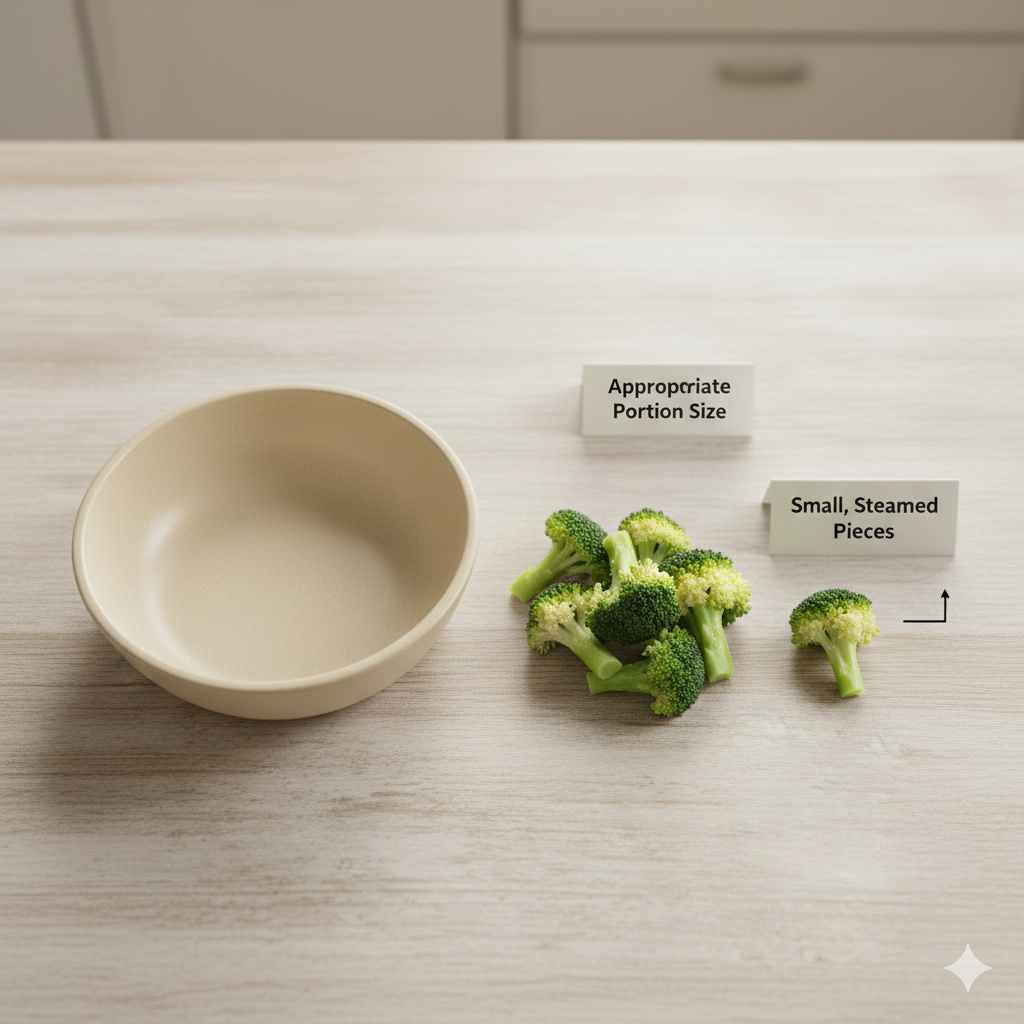
Small dogs → tiny pieces
Medium dogs → few pieces
Large dogs → small handful
Occasional feeding is safest.
Digestive Effects of Broccoli in Dogs
Broccoli is high in fiber, which supports digestion in small amounts. However, too much may cause:
Gas
Loose stool
Abdominal discomfort
Gradual introduction helps identify tolerance.
Can Dogs Eat Broccoli and Cauliflower Together?
Owners sometimes ask can dogs eat broccoli and cauliflower. Yes, both vegetables are safe and belong to the same plant family. They share similar nutrients and fiber content.
When feeding both:
Use small portions
Serve plain
Introduce gradually
Combining vegetables is safe if moderation is maintained.
Raw vs Cooked Broccoli for Dogs
Both forms are safe, but differences exist.
Raw broccoli:
Crunchy texture
Higher fiber
More chewing
Cooked broccoli:
Softer
Easier digestion
Lower choking risk
Cooking should be plain — no seasoning or oils.
Choking Risk and Preparation
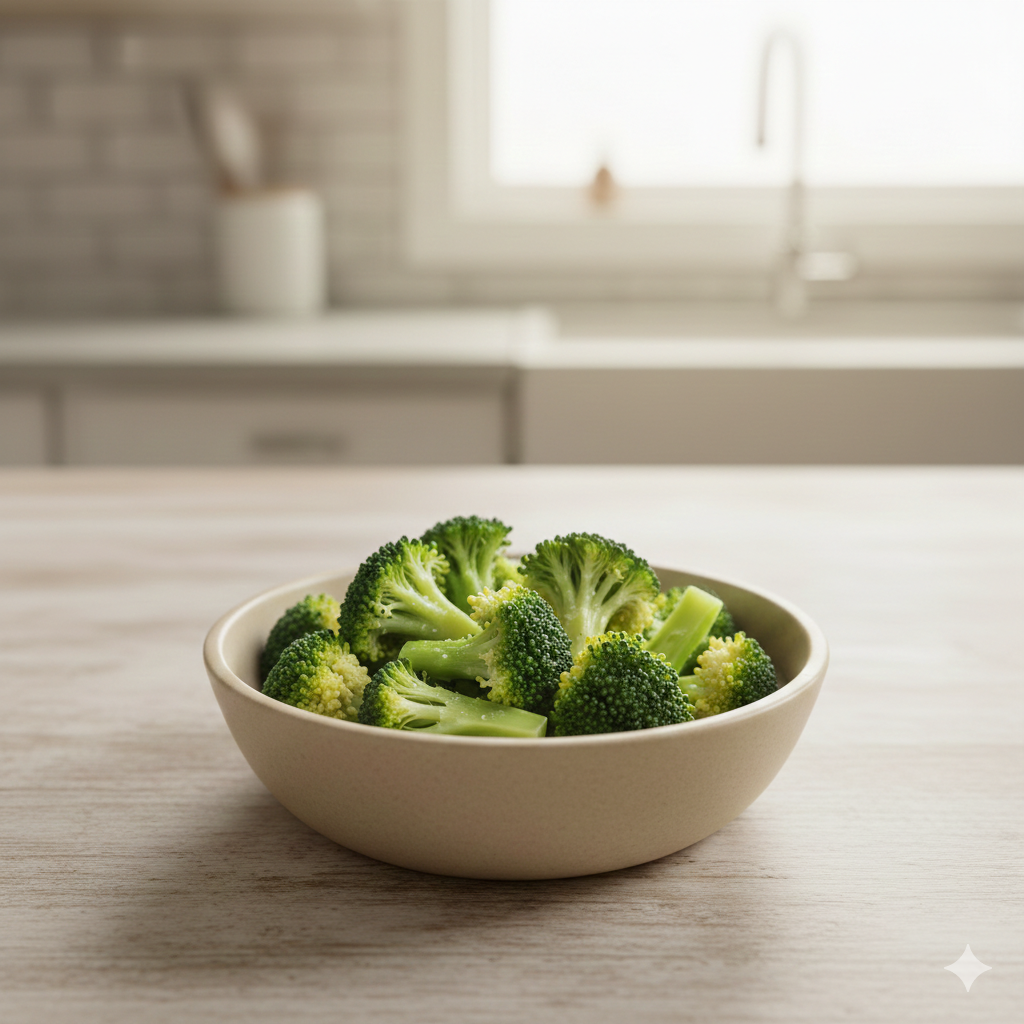
Broccoli florets can break into firm pieces during chewing. Large chunks may pose choking risk, especially for small dogs.
Safe preparation:
Chop finely
Slice stems
Remove large pieces
Supervise eating
Proper sizing improves safety.
Dogs With Sensitive Digestion
Some dogs tolerate cruciferous vegetables poorly.
Use caution if dog has:
Chronic gas
Sensitive stomach
Digestive disease
If symptoms appear, reduce or avoid feeding.
Broccoli as a Low-Calorie Treat
Because broccoli is low in calories, it may be used occasionally for dogs on weight management plans. Crunchy vegetables can replace higher-calorie treats.
Low-calorie snacks help control daily energy intake.
Frequently Asked Questions
Can dogs eat broccoli safely?
Yes, in small amounts and plain.
Can dogs eat raw broccoli?
Yes, if cut small and chewed properly.
Can dogs eat broccoli stems?
Yes, sliced thinly to prevent choking.
Can dogs eat broccoli and cauliflower?
Yes, both are safe vegetables.
Is broccoli good for dogs?
In moderation, it provides nutrients and fiber.
Why Cruciferous Vegetables Affect Dogs Differently
Broccoli and cauliflower belong to the cruciferous vegetable family. These plants contain natural sulfur compounds and fiber structures that can be harder for some dogs to digest compared with softer vegetables like cucumber or zucchini.
When owners ask can dogs eat broccoli, the answer is yes — but tolerance varies by individual digestive sensitivity. Some dogs digest cruciferous vegetables easily, while others develop gas or mild stomach upset.
This difference comes from:
Fiber density
Plant cell structure
Fermentable compounds
Individual gut microbiome
Moderation helps prevent digestive discomfort.
Gas Production From Broccoli in Dogs
One reason people search can dog eat broccoli is concern about digestive effects. Broccoli contains fermentable fibers that gut bacteria break down, producing gas as a byproduct.
Small amounts rarely cause issues, but larger portions may lead to:
Flatulence
Bloating
Soft stool
This is normal fermentation, not toxicity. Portion control prevents symptoms.
Can Dogs Eat Raw Broccoli vs Cooked: Digestibility Differences
Raw broccoli retains full fiber structure, which requires more chewing and digestive effort. When owners ask can dogs eat raw broccoli, the answer remains yes, but cooked broccoli is often easier for dogs to digest.
Light steaming changes broccoli by:
Softening fiber
Breaking plant cell walls
Reducing chewing effort
Improving nutrient availability
Both forms are safe, but cooked broccoli may suit sensitive dogs better.
Can Dogs Eat Broccoli Stems Safely?
Broccoli stems are edible and nutritious, leading many to ask can dogs eat broccoli stems. Stems contain fiber and micronutrients similar to florets but are denser and tougher.
Safe feeding tips for stems:
Slice thinly
Dice small pieces
Steam if firm
Avoid large chunks
Proper preparation reduces choking risk and improves digestion.
Can Dogs Eat Broccoli and Cauliflower Together?
Because broccoli and cauliflower share plant family traits, owners often ask can dogs eat broccoli and cauliflower in the same meal. Yes, both vegetables are safe when served plain and in small quantities.
However, combining multiple cruciferous vegetables may increase fiber load. Dogs with sensitive digestion may tolerate one vegetable better than mixtures.
Gradual introduction helps assess tolerance.
Broccoli as Enrichment Food
Crunchy vegetables provide oral stimulation and sensory variety. Dogs often enjoy the texture of broccoli florets, making them useful for enrichment feeding.
Benefits of crunchy vegetables:
Chewing engagement
Texture variety
Mental stimulation
Low-calorie reward
This makes broccoli useful for dogs that enjoy firm textures.
Dogs That Should Limit Broccoli
While safe for most dogs, certain conditions require caution.
Limit broccoli if dog has:
Chronic gas issues
Sensitive digestion
Inflammatory bowel disease
Pancreatitis history
High-fiber vegetables may aggravate sensitive gastrointestinal systems.
Portion Frequency Guidelines
Vegetables should supplement rather than replace balanced dog nutrition. When asking can dogs eat broccoli, frequency matters as much as portion.
Safe frequency:
Occasional treat
Small portion
Not daily staple
Balanced diets remain the primary nutrition source.
Signs a Dog Enjoys Broccoli
Dogs that tolerate broccoli well show:
Willing chewing
No digestive upset
Continued interest
Normal stool
Preference varies; some dogs dislike cruciferous vegetables entirely.
Signs of Broccoli Intolerance
If broccoli does not suit a dog, signs may include:
Gas
Soft stool
Abdominal discomfort
Refusal
Reducing portion or switching vegetables usually resolves symptoms.
Storage and Freshness Safety
Fresh broccoli should be clean and unseasoned before feeding.
Safe preparation:
Wash thoroughly
Remove tough base
Slice small pieces
Avoid seasoning
Discard spoiled pieces
Seasoned or cooked human broccoli dishes are unsafe for dogs.
Comparing Broccoli With Other Dog-Safe Vegetables
Compared with other vegetables:
Carrots → sweeter, easier digestion
Green beans → softer fiber
Zucchini → very digestible
Cucumber → very low fiber
Broccoli provides more fiber but may cause more gas than softer vegetables.
Extended Conclusion
Broccoli is a safe, nutrient-rich vegetable that most dogs can eat in moderation when properly prepared. Both florets and stems are edible, and dogs can consume broccoli raw or lightly cooked, though cooked forms may be easier to digest. Because broccoli belongs to the cruciferous family, its fiber and fermentable compounds may cause gas in sensitive dogs, especially when fed in larger portions or combined with similar vegetables like cauliflower.
With small portions, bite-size preparation, and occasional feeding, broccoli can provide texture variety and nutritional enrichment without disrupting canine digestive balance. As with all treats, individual tolerance should guide feeding decisions.
How to Introduce Broccoli Into a Dog’s Diet Safely
When adding any new vegetable to a dog’s diet, gradual introduction is the safest approach. Dogs have different digestive tolerances, so starting with a very small amount allows the body to adjust and helps owners observe any reaction.
A safe introduction method:
Offer a tiny piece
Observe digestion for 24 hours
Check stool consistency
Increase slightly if tolerated
Maintain small portions
This step-by-step method helps confirm whether broccoli suits the individual dog.
Best Cooking Methods for Dogs
If cooking broccoli for dogs, preparation should remain simple and free of additives. Many human cooking methods include oil, butter, salt, garlic, or seasoning — all unsuitable for canine consumption.
Safe preparation methods:
Light steaming
Plain boiling
Softening without seasoning
Cooling before serving
Cooking softens fiber and reduces chewing difficulty while preserving nutrients.
Broccoli for Senior Dogs
Older dogs sometimes have reduced chewing strength or slower digestion. Lightly cooked broccoli can be easier for seniors to chew and process compared with raw florets.
For senior dogs:
Steam until soft
Cut into very small pieces
Offer tiny portions
Monitor digestion
Soft preparation improves safety and comfort for aging pets.
Broccoli for Puppies
Puppies can eat tiny amounts of broccoli once they begin solid foods, but their digestive systems are more sensitive. Vegetables should remain minimal during early growth stages.
Puppy feeding tips:
Very small pieces
Cooked texture
Occasional only
Observe stool
Balanced puppy food remains the primary nutrition source.
Using Broccoli as a Low-Calorie Snack
Dogs on calorie-controlled diets often benefit from vegetable treats instead of high-fat snacks. Broccoli can provide chewing satisfaction with minimal calories.
Low-calorie snack benefits:
Supports weight control
Adds texture variety
Provides fiber
Reduces treat calories
Replacing high-calorie treats with vegetables helps maintain healthy body weight.
When to Avoid Feeding Broccoli
Even safe foods may not suit every dog. Broccoli should be avoided if a dog consistently shows digestive sensitivity after eating it.
Avoid feeding if you notice:
Repeated gas
Loose stool
Abdominal discomfort
Refusal after tasting
Individual tolerance always determines suitability.
Final Addition
Broccoli can be a healthy, fiber-rich vegetable treat for dogs when prepared plainly and served in small portions. Gradual introduction, proper slicing, and appropriate cooking methods improve digestibility and safety for dogs of all ages. Whether offered raw in tiny pieces or lightly steamed for softness, broccoli provides occasional nutritional variety without significantly increasing calorie intake. As with all supplemental foods, moderation and observation ensure it remains a safe addition to a balanced canine diet.