Open Nature Dog Food Review: Is This Albertsons Store Brand Worth Buying?
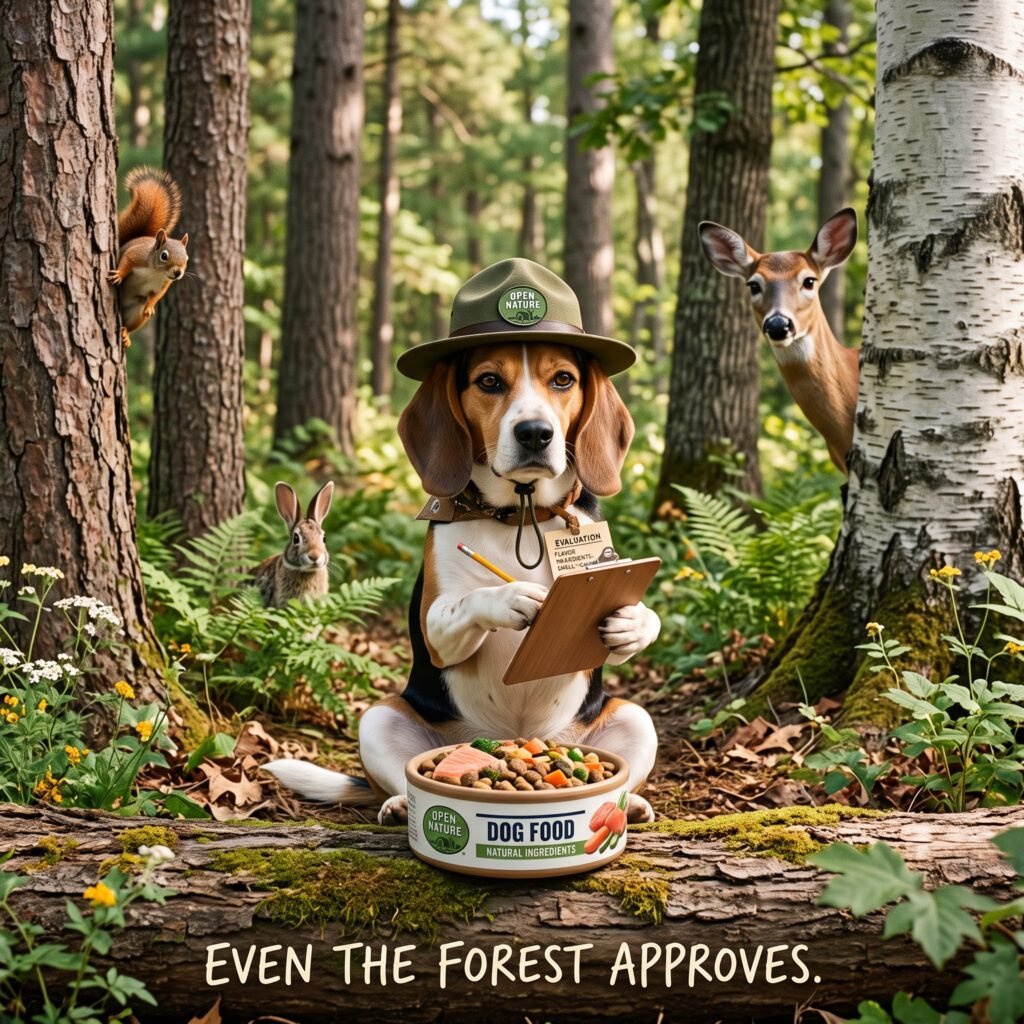
Walk down the pet food aisle at Safeway, Vons, Albertsons, or Jewel-Osco, and you’ll likely spot a bag with a clean, minimalist label reading “Open Nature.” It’s positioned right alongside recognizable national brands, often at a noticeably lower price — which naturally raises a question a lot of shoppers ask themselves right there in the aisle: is this actually good dog food, or just a cheaper knockoff riding on the “natural” trend?
This Open Nature dog food review takes an honest, detailed look at what’s really inside the bag, how the brand is made, who owns it, and whether it holds up nutritionally against pricier competitors. If you’ve been considering switching your dog to this store-brand option, or you’re simply curious whether the lower price tag comes with any hidden trade-offs, you’re about to get a clear, practical answer.
Table of Contents
- What Is Open Nature Dog Food?
- Who Makes Open Nature Dog Food?
- Open Nature Dog Food Product Lines
- Ingredient Quality: What’s Actually Inside
- Nutritional Value and AAFCO Compliance
- Recall History and Safety Record
- Pros and Cons of Open Nature Dog Food
- Open Nature vs. National Premium Brands
- Who Should (and Shouldn’t) Feed Open Nature
- How to Transition Your Dog Safely
- Price and Value for Money
- Real Customer Experiences
- Frequently Asked Questions
- Final Verdict
What Is Open Nature Dog Food?
Open Nature is a private-label brand owned by Albertsons Companies, the parent company behind Safeway, Vons, Jewel-Osco, Shaw’s, Acme, and several other regional grocery chains across the United States. The brand covers a wide range of grocery products beyond pet food, including snacks, frozen meals, and household items, all marketed under the same “natural, simple ingredients” positioning.
In the pet food category specifically, Open Nature dog food is marketed as a natural, grain-inclusive or grain-free option (depending on the recipe) made without artificial preservatives, colors, or flavors. It’s designed to compete directly with mid-tier and premium national brands, but at a price point that’s typically more accessible since it skips the heavier marketing and advertising budgets that drive up costs for bigger names.
For budget-conscious pet owners who still want to avoid low-quality fillers and artificial additives, this makes Open Nature dog food an interesting option worth a closer look.
Who Makes Open Nature Dog Food?
Like most grocery store private-label products, Open Nature dog food isn’t manufactured by Albertsons itself. Instead, it’s produced under contract by third-party pet food manufacturers who specialize in private-label formulation — a common and generally reliable practice across the industry, used by many well-known “house brands.”
Albertsons doesn’t always publicly disclose the exact contract manufacturer for every recipe, which is fairly typical for private-label pet food and isn’t necessarily a red flag on its own. What matters more is whether the finished product meets nutritional standards and maintains a clean safety record, both of which we’ll cover in detail below.
If contract manufacturing is a concern for you, it’s worth noting that this same model is used by many respected mid-range brands, not just budget store labels — so it shouldn’t automatically be treated as a mark against quality.
Open Nature Dog Food Product Lines
The Open Nature dog food lineup is smaller and more streamlined than what you’d find from bigger national brands, which actually makes shopping simpler for a lot of owners. Common offerings include:
Open Nature Grain Free Formulas
These recipes typically feature a named meat like chicken, salmon, or lamb as the first ingredient, paired with grain-free carbohydrate sources such as sweet potatoes, peas, or lentils.
Open Nature Whole Grain Formulas
For owners who prefer grain-inclusive diets — especially given the ongoing FDA conversation around grain-free foods and heart health — Open Nature also offers formulas built around whole grains like brown rice and oatmeal.
Open Nature Limited Ingredient Options
Some recipes are formulated with a shorter ingredient list and a single protein source, aimed at dogs with mild food sensitivities or owners who prefer simpler formulations.
Open Nature Puppy and Small Breed Formulas
A handful of recipes are tailored to specific needs, including small breed kibble sizing and puppy-appropriate nutrient levels.
Internal linking suggestion: if this article is published on a broader pet nutrition site, this section pairs well with an internal link to a “best budget dog food brands” roundup or a “grain-free vs. grain-inclusive dog food” explainer article.
Ingredient Quality: What’s Actually Inside
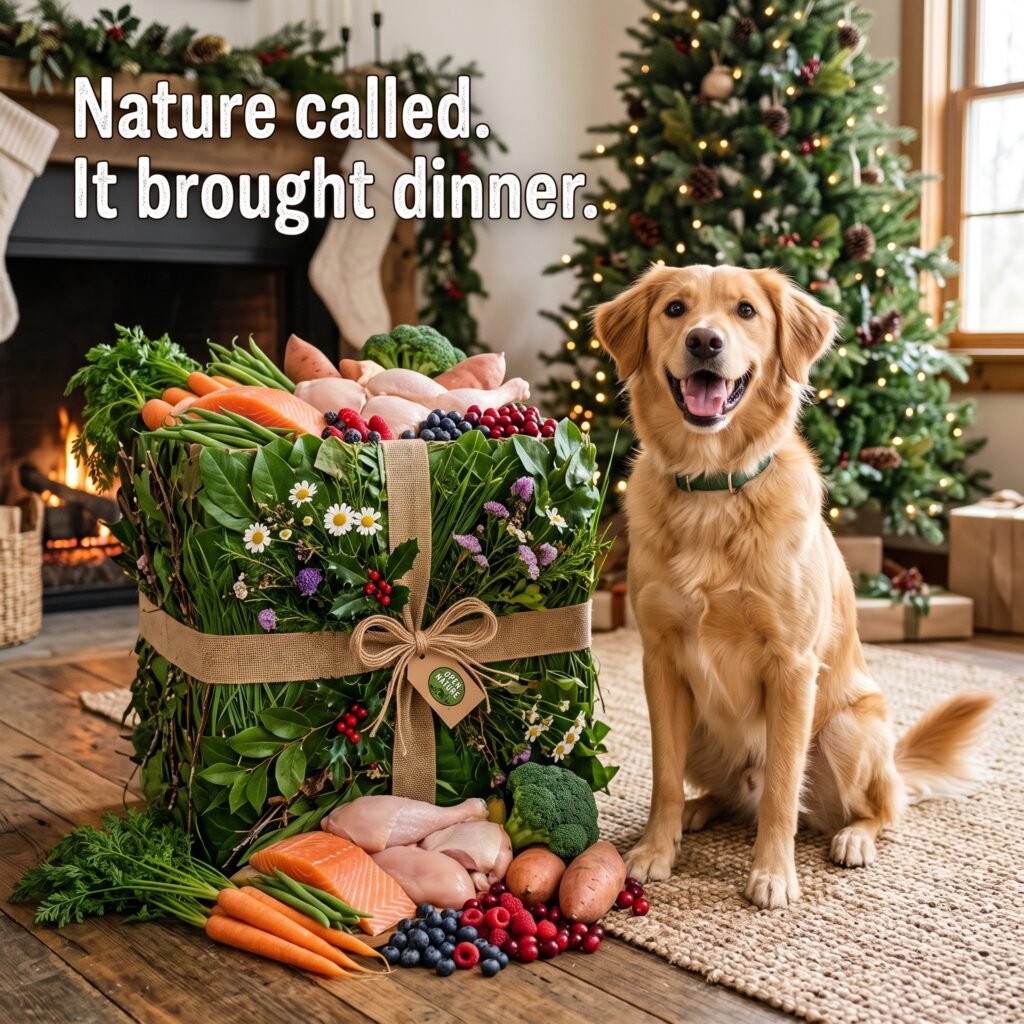
This is where a genuinely useful Open Nature dog food review has to go beyond the marketing copy on the bag. Let’s look at a representative recipe — Open Nature Grain Free Chicken & Sweet Potato Recipe — as an example.
Typical first ingredients include:
- Chicken
- Chicken meal
- Peas
- Sweet potatoes
- Pea protein
Having chicken meal appear early in the ingredient list is a genuinely good sign. Meal is a concentrated protein source with moisture removed, meaning it contributes more actual protein by weight than fresh chicken alone, which is mostly water before cooking. This is a detail that often confuses shoppers who assume fresh meat listed first is automatically the better choice.
Other ingredients commonly found across the Open Nature dog food range include:
- Chicken fat (a source of essential fatty acids)
- Flaxseed (omega-3 and omega-6 fatty acids for skin and coat health)
- Dried chicory root (a natural prebiotic fiber source)
- Salmon oil in select recipes (supports skin, coat, and joint health)
- Natural preservatives like mixed tocopherols instead of synthetic options like BHA or BHT
Open Nature markets its formulas as free from corn, wheat, soy, and artificial colors or flavors — claims that generally hold up when you check the ingredient panel directly, which is more than can be said for some budget competitors that use vaguer “natural flavor” or generic “meat by-product” listings.
Points Worth Noting
A balanced Open Nature dog food review should also flag a few things to be aware of:
- Pea and legume content: Like many grain-free formulas across the industry, some Open Nature recipes lean on peas and pea protein, which have been part of the broader FDA investigation into a possible link with canine dilated cardiomyopathy (DCM).
- Limited premium add-ins: Compared to higher-priced brands, Open Nature includes fewer specialized functional ingredients like added glucosamine or probiotics in every recipe, though some formulas do include them.
- Sourcing transparency: As with most private-label brands, exact origin details for individual ingredients aren’t always disclosed on the packaging.
Nutritional Value and AAFCO Compliance
Every honest review has to check whether the food actually meets recognized nutritional standards. Open Nature dog food formulas are generally formulated to meet AAFCO nutrient profiles for adult maintenance or all life stages, depending on the specific recipe.
Typical nutritional values for an Open Nature Grain Free Chicken formula look like this:
- Crude protein: 26–32% minimum
- Crude fat: 14–17% minimum
- Crude fiber: 4–5% maximum
- Moisture: 10% maximum
These numbers are respectable and land in a similar range to many mid-tier and even some premium commercial dog foods, which is a genuinely positive sign for a store-brand product. It suggests Open Nature dog food isn’t simply a cheaper, watered-down version of pricier competitors, but a reasonably competitive formulation in its own right.
Recall History and Safety Record
Recall history is an important part of any responsible Open Nature dog food review. As a smaller, more regionally distributed brand, Open Nature has had a comparatively limited recall history relative to larger national brands, though private-label products can sometimes be affected indirectly by broader supplier-level recalls that touch multiple brands manufactured at the same facility.
Because Albertsons doesn’t always publicize detailed manufacturing partnerships, it’s a good habit for owners to periodically check the FDA’s official pet food recall database directly rather than relying solely on in-store signage or brand websites for the most current safety information.
Pros and Cons of Open Nature Dog Food
Pros
- Named meat or meat meal as a leading ingredient in most recipes
- Free from corn, wheat, soy, and artificial colors or flavors
- Noticeably lower price point than most national premium brands
- Both grain-free and grain-inclusive options available
- Widely accessible at Albertsons-owned grocery stores across the country
- Reasonably competitive protein and fat levels for the price
Cons
- Smaller product lineup compared to dedicated pet food brands
- Fewer added functional ingredients like probiotics or joint supplements across the full range
- Limited public transparency about the exact contract manufacturer
- Some grain-free recipes include pea protein, tied to the ongoing DCM discussion
- Not available outside of Albertsons-owned grocery chains, limiting purchase options for some shoppers
Open Nature vs. National Premium Brands
To put this Open Nature dog food review into perspective, here’s how it stacks up against a few well-known national competitors.
Open Nature vs. Blue Buffalo
Both brands market real meat as a first ingredient and avoid artificial additives. Blue Buffalo generally offers a wider variety of specialized formulas and more added functional ingredients, but at a noticeably higher price. Open Nature offers strong value for owners who want similar core quality without the premium markup.
Open Nature vs. Purina ONE
Purina ONE benefits from extensive in-house research and feeding trials backed by one of the largest pet food companies in the world. Open Nature’s ingredient sourcing is comparably clean, though it lacks the same scale of clinical testing and formulation research that a company like Purina can invest in.
Open Nature vs. Rachael Ray Nutrish
Both brands occupy a similar mid-tier price range with grain-inclusive and grain-free options. Open Nature tends to have a slightly cleaner ingredient list with fewer filler-adjacent ingredients, making it a reasonable alternative for shoppers comparing the two side by side.
Internal linking suggestion: consider linking this section to a dedicated “best store-brand dog foods” comparison article or a “Blue Buffalo vs. budget dog food brands” breakdown for readers wanting a deeper dive.
Who Should (and Shouldn’t) Feed Open Nature
Open Nature dog food tends to work well for:
- Budget-conscious owners who still want clean, recognizable ingredients
- Dogs without diagnosed food allergies or complex dietary needs
- Households near Albertsons-owned grocery stores where the brand is easy to restock
- Owners looking for a straightforward, no-frills natural dog food option
Open Nature might not be the ideal fit for:
- Dogs with diagnosed pea or legume sensitivities
- Owners specifically seeking added glucosamine, probiotics, or other functional ingredients in every meal
- Pet parents who prefer a brand with a longer, more established track record and extensive published feeding trial data
- Shoppers who don’t have regular access to Albertsons-owned stores
How to Transition Your Dog Safely
If you’ve decided to try Open Nature dog food after reading this review, a gradual transition over 7 to 10 days will help avoid digestive upset:
- Days 1–3: 25% Open Nature mixed with 75% current food
- Days 4–6: 50% Open Nature mixed with 50% current food
- Days 7–9: 75% Open Nature mixed with 25% current food
- Day 10 onward: 100% Open Nature
Watch for loose stools, excess gas, or appetite changes, and slow the transition further if your dog has a sensitive stomach.
Price and Value for Money
This is arguably where Open Nature dog food shines the brightest. A typical bag runs noticeably cheaper than comparable national premium brands, often 15 to 30% less per pound for a formula with a similarly clean ingredient list. For multi-dog households or larger breeds that go through food quickly, this price difference adds up significantly over the course of a year.
When weighing value, consider:
- Cost per pound relative to protein and fat content
- Frequency of restocking based on your dog’s size and how often you shop at an Albertsons-owned store
- Whether your dog has any needs (like joint support or a sensitive stomach) that might require a pricier, more specialized formula instead
For many everyday, healthy dogs without complex dietary needs, Open Nature dog food offers a genuinely strong value proposition.
Real Customer Experiences
Feedback on Open Nature dog food tends to be generally positive, with many owners specifically highlighting the price-to-quality ratio as the standout feature. Reports of good coat condition, steady energy levels, and normal digestion are common, particularly among owners who switched from more expensive brands and didn’t notice a meaningful difference in their dog’s overall condition.
Some reviews mention inconsistent availability of specific recipes depending on the store location, and a smaller number note picky eaters needing extra encouragement during the initial transition. As always, individual results vary by dog, and it’s worth monitoring your own dog’s response closely during the first few weeks on any new food.
Reading the Label: A Practical Buyer’s Checklist
If you’d rather judge the food yourself instead of taking any brand’s word for it, here’s a simple checklist you can use right in the store aisle before adding a bag to your cart:
- Check the first three ingredients. Look for a named animal protein (chicken, salmon, lamb) or a named meal (chicken meal, salmon meal) rather than vague terms like “meat by-product” or “animal fat” without a source.
- Scan for AAFCO’s nutritional adequacy statement. This is usually printed near the guaranteed analysis panel and confirms whether the food is complete and balanced for a specific life stage or all life stages.
- Look at the guaranteed analysis. Compare crude protein, fat, and fiber percentages against your dog’s needs — active dogs generally benefit from higher protein and fat, while less active or overweight dogs may need more moderate levels.
- Check for artificial additives. Ingredients like BHA, BHT, ethoxyquin, or artificial dyes are worth avoiding if you’re prioritizing a more natural formula.
- Note the calorie content per cup. This helps you calculate accurate daily portions rather than relying purely on generic feeding charts, which don’t always account for your specific dog’s metabolism or activity level.
Running through this quick checklist takes less than a minute once you know what to look for, and it’s a habit that serves you well no matter which brand you’re evaluating — not just when comparing store brands like Open Nature against pricier national names.
Common Questions Shoppers Ask Before Switching
Beyond the core FAQ below, there are a few smaller, practical questions that tend to come up repeatedly among shoppers considering a switch to a store-brand option like this one.
One common concern is whether a private-label formula changes frequently without notice, which could catch a dog with a sensitive stomach off guard. In general, established private-label pet food lines don’t reformulate as often as some shoppers assume, though it’s still a smart habit to glance at the ingredient panel each time you buy a new bag, just to confirm nothing has shifted.
Another frequent question involves palatability — whether dogs that are used to more heavily flavored premium kibble will readily eat a simpler, more natural formula. Most owners report a smooth transition when the switch is done gradually, though notoriously picky eaters may need a little extra patience or a small amount of a warm, low-sodium broth mixed in during the first few days to encourage interest.
Finally, many shoppers want to know whether saving money on food means compromising on their dog’s long-term health. Based on the ingredient quality and nutritional adequacy covered throughout this review, that concern doesn’t hold up particularly well here — a lower price tag doesn’t automatically mean lower quality, and in this case, the two aren’t as closely linked as some assume.
Frequently Asked Questions
1. Is Open Nature a good dog food brand? Yes, for most healthy adult dogs. Open Nature dog food uses recognizable, named meat sources, avoids artificial additives, and meets AAFCO nutritional standards at a noticeably lower price than many national brands, making it a solid value option.
2. Who actually makes Open Nature dog food? Open Nature is a private-label brand owned by Albertsons Companies and manufactured under contract by third-party pet food producers, a common and generally reliable practice used by many private-label and house-brand pet foods.
3. Is Open Nature dog food grain-free? Open Nature offers both grain-free and grain-inclusive formulas, giving owners the flexibility to choose based on their dog’s individual dietary needs or preferences.
4. Has Open Nature dog food been recalled? Open Nature has a comparatively limited recall history relative to larger national brands. It’s still good practice to periodically check the FDA’s pet food recall database for the most current safety information.
5. Where can I buy Open Nature dog food? Open Nature is sold exclusively at Albertsons-owned grocery stores, including Safeway, Vons, Jewel-Osco, Acme, and Shaw’s, which can limit accessibility for shoppers outside those regions.
6. Is Open Nature dog food good value compared to premium brands? Yes, it’s one of the strongest arguments in favor of the brand. Open Nature dog food typically costs 15 to 30% less than comparable national premium brands while maintaining a similarly clean ingredient profile.
7. Does Open Nature dog food contain artificial preservatives? No, Open Nature formulas are made without artificial colors, flavors, or preservatives, relying instead on natural preservatives like mixed tocopherols.
Final Verdict
So, is Open Nature dog food actually worth buying? Based on everything covered in this review, the answer is a genuine yes for most healthy dogs, particularly for budget-conscious owners who still want clean, recognizable ingredients without paying a premium markup for brand name recognition.
The formulas hold up reasonably well nutritionally, with named meat sources, respectable protein and fat levels, and an absence of artificial additives that some budget brands still rely on. The trade-offs are relatively minor: a smaller product lineup, fewer specialized functional ingredients across every recipe, and limited availability outside Albertsons-owned grocery stores.
For everyday, healthy dogs without complex dietary needs, Open Nature dog food represents one of the better value options currently available in the store-brand pet food category. As always, it’s worth discussing any specific health concerns or dietary sensitivities with your veterinarian before switching, but for the average dog, this is a brand that genuinely delivers more than its price tag suggests.