Italian Greyhound Food: The Complete Feeding Guide for a Happy, Healthy Sighthound
If you've ever watched an Italian Greyhound shiver after a meal, refuse food one day and inhale it the next, or struggled to keep weight on this delicate breed, you're not alone. Finding the right Italian Greyhound food is one of the most common challenges new and experienced owners face, and it's not as simple as grabbing any bag off the shelf at your local pet store.
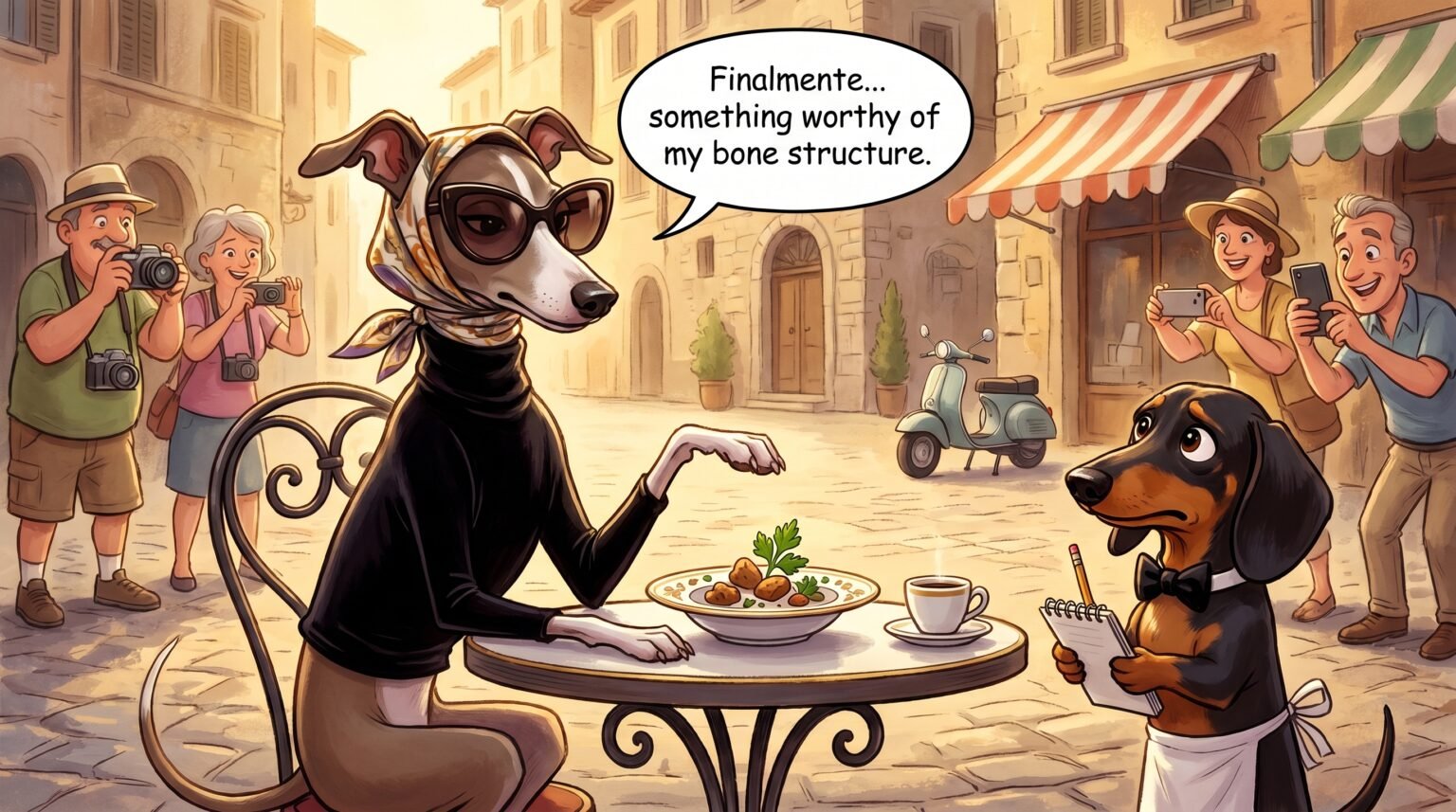
Italian Greyhounds are a unique breed. They’re small, fast, lean, and surprisingly fragile when it comes to nutrition. Unlike many other toy or small breeds, Iggies (as fans affectionately call them) have a fast metabolism, minimal body fat, sensitive digestive systems, and specific dietary needs tied to their bone structure and energy levels. Feed them the wrong diet, and you might notice digestive upset, poor coat quality, low energy, or even long-term joint and dental issues.
This guide goes far beyond a basic “what to feed your dog” article. We’re going to break down exactly what makes Italian Greyhound dog food different, how to choose the best dog food for Italian Greyhounds at every life stage, what ingredients to prioritize (and avoid), and how to handle special situations like picky eating, low blood sugar, and weight management.
Whether you’re raising an Italian Greyhound puppy or caring for a senior Iggy, this article will give you the clarity and confidence to make informed feeding decisions, backed by veterinary nutrition science and real-world experience from the sighthound community.
Let’s dig in.
Table of Contents
- Understanding the Italian Greyhound’s Unique Nutritional Needs
- Why Generic Dog Food Often Falls Short for Iggies
- What Makes the Best Food for Italian Greyhound Breeds
- Key Nutrients Every Italian Greyhound Diet Should Include
- Italian Greyhound Puppy Food: Feeding From 8 Weeks to 12 Months
- Adult Italian Greyhound Feeding Guide
- Senior Italian Greyhound Nutrition
- Dry Kibble vs. Wet Food vs. Raw Diets
- Common Health Issues Linked to Diet
- How Much Should You Feed an Italian Greyhound?
- Dealing With Picky Eaters
- Foods Italian Greyhounds Should Never Eat
- Top Tips for Choosing the Best Dog Food for Italian Greyhounds
- Supplements Worth Considering
- FAQ Section
- Conclusion
1. Understanding the Italian Greyhound’s Unique Nutritional Needs
Italian Greyhounds are part of the sighthound family, closely related to their larger cousin, the Greyhound. This lineage matters because it shapes nearly everything about how their bodies process energy and nutrients.
Unlike stockier breeds such as Bulldogs or Beagles, Italian Greyhounds have:
- A naturally lean, low-fat body composition
- A fast metabolic rate
- Thin skin and minimal insulation
- A small stomach capacity relative to their energy needs
- A tendency toward hypoglycemia (low blood sugar), especially in puppies
This combination means that the right Italian Greyhound food isn’t just about calorie count. It’s about nutrient density, digestibility, and consistency. A diet that works beautifully for a Labrador or a French Bulldog can actually be inappropriate, or even risky, for an Iggy.
Many vets specializing in sighthound care note that this breed often does best on diets formulated for “small and toy breeds” or, ideally, ones designed with active, lean-bodied dogs in mind.
2. Why Generic Dog Food Often Falls Short for Iggies
Walk into any pet store and you’ll see dozens of bags labeled “all life stages” or “complete and balanced.” While technically accurate, these formulas are often built around average dogs, not the specific needs of a thin-coated, high-metabolism sighthound.
Here’s where generic food commonly fails Italian Greyhounds:
- Too much filler, not enough protein: Many budget and mid-range foods rely heavily on corn, wheat, or excessive plant-based fillers that don’t support lean muscle maintenance.
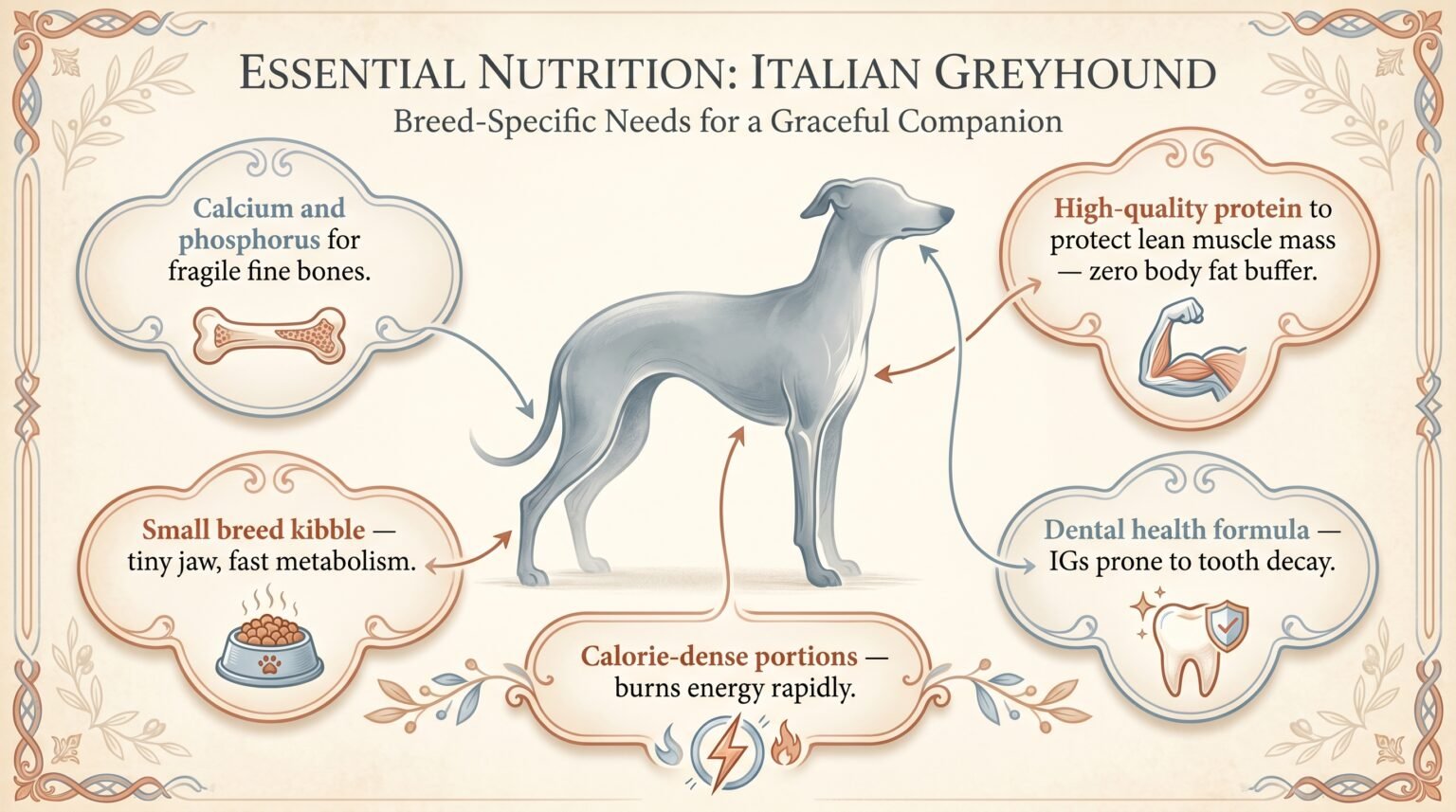
- Kibble size: Iggies have small, narrow jaws. Large kibble pieces can be difficult to chew and may contribute to dental issues or discourage eating altogether.
- Inconsistent fat content: Too little fat, and your Iggy may struggle to maintain weight. Too much, and you risk pancreatitis, a real concern in sighthound breeds.
- Artificial additives: Many lower-quality foods include synthetic preservatives, dyes, and flavor enhancers that can trigger digestive sensitivity in this breed.
This is why so many owners search specifically for the best food for Italian Greyhound dogs rather than just settling for whatever’s on sale. The breed’s physiology genuinely demands a more thoughtful approach.
3. What Makes the Best Food for Italian Greyhound Breeds
When evaluating Italian Greyhound dog food, there are a few non-negotiable qualities to look for. Think of this as your checklist before adding anything to your cart.
High-Quality Animal Protein as the First Ingredient
Look for named meat sources like chicken, turkey, lamb, or fish listed first on the ingredient panel. Vague terms like “meat meal” or “animal by-product” without specification are red flags.
Moderate to Higher Fat Content
Because Iggies burn through energy quickly and have little body fat for insulation, a fat content in the range of roughly 14–20% (depending on activity level and life stage) tends to work well. This supports coat health, energy, and weight maintenance.
Small, Easy-to-Chew Kibble
Brands that offer small-breed or toy-breed specific kibble sizes are generally easier and safer for Iggies to eat comfortably.
Limited, Recognizable Ingredients
A shorter ingredient list with whole, identifiable foods is usually a sign of a higher-quality formula and reduces the risk of triggering food sensitivities.
Grain Inclusion (When Appropriate)
Contrary to trends, whole grains like brown rice or oats are not inherently bad. In fact, following the FDA’s ongoing investigation into grain-free diets and a potential link to canine dilated cardiomyopathy (DCM), many veterinary nutritionists now recommend grain-inclusive diets unless your dog has a diagnosed grain allergy.
4. Key Nutrients Every Italian Greyhound Diet Should Include
Let’s break down the core nutritional building blocks your Iggy needs daily.
Protein (the foundation)
Protein supports lean muscle, which Italian Greyhounds rely on heavily given their athletic build. Aim for diets with at least 25–30% protein on a dry matter basis for adults, and higher for puppies.
Fat (for energy and coat health)
Fat is the primary energy source for sighthounds. It also supports their famously sleek, shiny coat. Look for named fat sources like chicken fat or fish oil rather than vague “animal fat.”
Omega-3 and Omega-6 Fatty Acids
These support skin health, joint function, and cognitive development, especially important for Italian Greyhound puppy food formulas.
Calcium and Phosphorus Balance
Because Iggies have thin, sometimes fragile bones, especially as puppies, the calcium-to-phosphorus ratio matters more than in sturdier breeds. An imbalance can contribute to skeletal issues during growth.
Digestible Carbohydrates
Easily digestible carbs like sweet potato, oats, or brown rice provide steady energy without overwhelming a small digestive tract.
Glucosamine and Chondroitin
While not always necessary in puppyhood, these joint-supporting compounds become increasingly valuable as your Iggy ages, particularly given their tendency toward luxating patella and other joint concerns.
5. Italian Greyhound Puppy Food: Feeding From 8 Weeks to 12 Months
This is where many new owners feel the most uncertain, and for good reason. Puppyhood is the most nutritionally sensitive period for any Italian Greyhound, and getting your Italian Greyhound food choices right early on sets the stage for lifelong health.
Why Puppy-Specific Formulas Matter
Italian Greyhound puppy food needs to support rapid growth without overloading fragile, still-developing bones and joints. Choosing the right Italian Greyhound food at this stage means looking for formulas that typically contain:
- Higher protein and fat content for growth and energy
- DHA for brain and eye development
- Balanced calcium-phosphorus ratios for healthy bone development
The Hypoglycemia Risk
Italian Greyhound puppies are particularly prone to hypoglycemia due to their tiny size and fast metabolism. This means:
- Feed small meals 3–4 times per day until at least 4–6 months old
- Never let a puppy go more than a few hours without food during the day
- Watch for signs like lethargy, wobbliness, or shaking, and contact your vet immediately if these occur
Transitioning to Adult Food
Most Italian Greyhounds can transition to adult food between 9 and 12 months, though smaller, leaner individuals may benefit from staying on puppy formula slightly longer. Always consult your veterinarian, since growth rates vary between individual dogs.
A Practical Tip
When introducing any new Italian Greyhound food, transition gradually over 7–10 days by mixing increasing amounts of the new food with the old. Sudden switches are one of the most common causes of puppy diarrhea.
6. Adult Italian Greyhound Feeding Guide
Once your Iggy reaches adulthood (typically around 12 months), their nutritional needs shift from growth-support to maintenance.
What Adult Iggies Need
- Moderate-to-high quality protein (around 25–30%)
- Balanced fat for sustained energy
- Controlled portions to prevent both underweight and overweight conditions
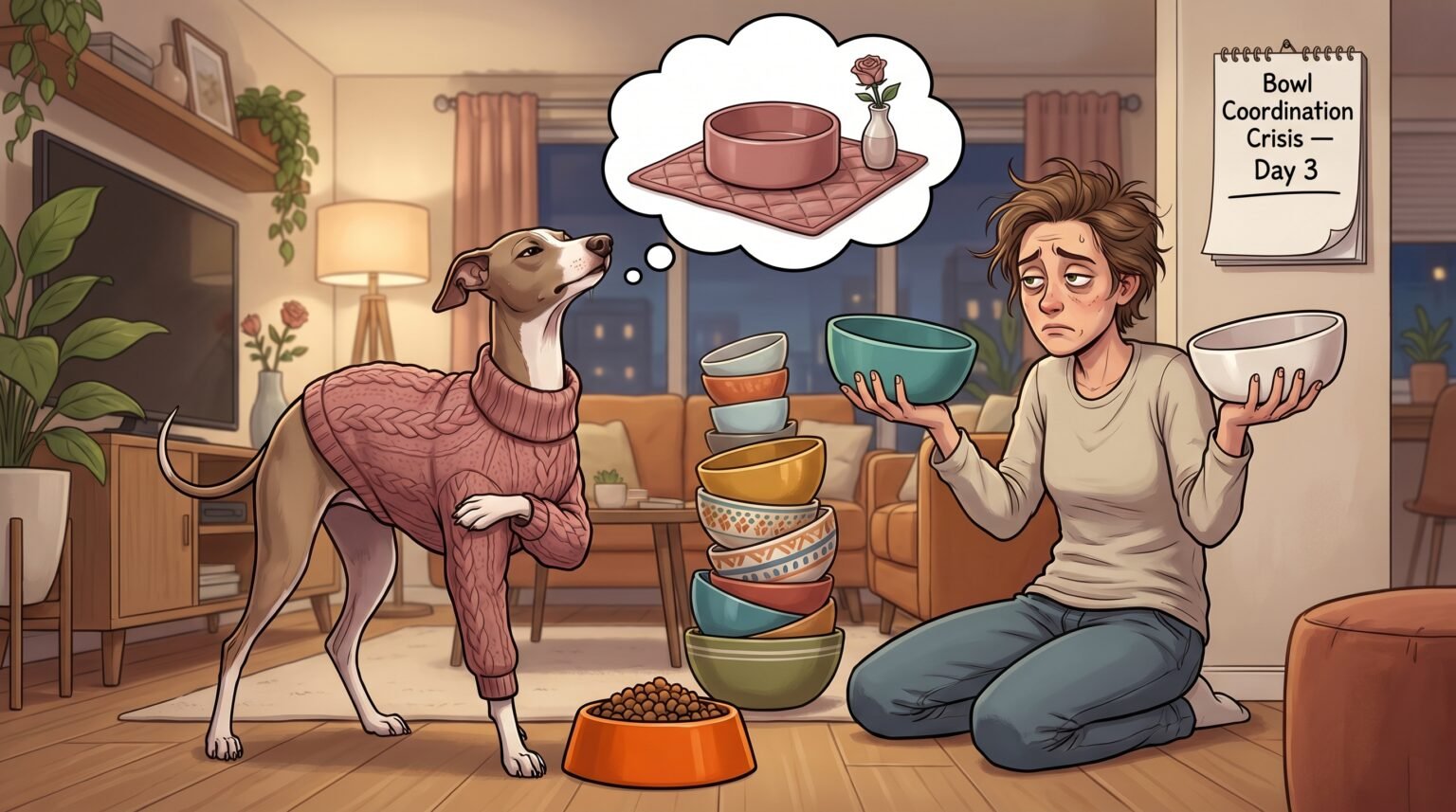
- Consistent feeding schedule, ideally two meals per day rather than one large meal
Activity Level Matters
A highly active Iggy who runs daily will need more calories than one who’s primarily a couch companion. This is one of the biggest variables when determining the best dog food for Italian Greyhounds at this stage, since their lean build can make calorie needs deceptively high relative to their size.
Avoiding the “Too Thin” Trap
Italian Greyhounds naturally look slender, which sometimes leads owners to assume their dog is underweight when they’re actually at a healthy body condition. A good rule of thumb: you should be able to feel (but not necessarily see prominently) the ribs, with a visible waist when viewed from above.
7. Senior Italian Greyhound Nutrition
As Italian Greyhounds age, typically considered “senior” around 7–9 years, their metabolism slows slightly, and joint support becomes more critical.
Adjustments to Consider
- Slightly lower calorie density to prevent unwanted weight gain
- Increased joint-support nutrients like glucosamine and omega-3s
- Easily digestible proteins to support aging digestive systems
- Dental-friendly textures, since senior Iggies are prone to dental disease
Watch for Changes
Older Italian Greyhounds may develop reduced appetite or sensitivity to certain ingredients they previously tolerated well. Regular veterinary checkups and bloodwork can help catch nutritional deficiencies early.
8. Dry Kibble vs. Wet Food vs. Raw Diets
There’s no single “correct” format when it comes to italian greyhound food, but each comes with tradeoffs worth understanding.
Dry Kibble
Pros:
- Convenient and shelf-stable
- Often formulated specifically for small/toy breeds
- Supports dental health through chewing action
Cons:
- Some Iggies are picky and may need food enhancers
- Lower moisture content (important for hydration-sensitive dogs)
Wet Food
Pros:
- Highly palatable, great for picky eaters
- Higher moisture content
- Often easier to digest
Cons:
- More expensive over time as a primary italian greyhound food option
- No dental cleaning benefit
- Shorter shelf life once opened
Raw or Fresh Diets
Pros:
- Minimally processed, often higher in real meat content
- Can improve coat and digestion for some dogs
Cons:
- Requires careful nutritional balancing (homemade raw diets risk deficiencies)
- Higher cost and preparation time
- Some risk of bacterial contamination if not handled properly
According to guidance commonly cited by veterinary nutrition organizations such as the American College of Veterinary Nutrition, any raw or homemade italian greyhound food plan should be formulated with professional input to avoid nutritional gaps, particularly important given the breed’s sensitivity to calcium-phosphorus imbalances.
A Balanced Approach
Many experienced Iggy owners settle on a combination approach for their italian greyhound food routine: a high-quality small-breed kibble as the base, with occasional wet food or fresh toppers to boost palatability and hydration.
9. Common Health Issues Linked to Diet
Diet doesn’t just affect day-to-day energy, it plays a direct role in several conditions Italian Greyhounds are predisposed to.
Dental Disease
Iggies are notoriously prone to dental problems due to their small jaw structure. Diet can help through:
- Kibble designed to scrape plaque during chewing
- Dental-specific treats (in moderation)
- Avoiding overly soft, sticky foods that cling to teeth
Pancreatitis
Because of their lean build, sudden high-fat meals or table scraps can trigger pancreatitis in sighthounds. Consistency in fat content is key.
Hypoglycemia
As mentioned earlier, this is especially common in puppies and very small adult Iggies. Frequent, small meals help regulate blood sugar.
Skin and Coat Sensitivity
Thin-coated and thin-skinned, Italian Greyhounds can develop dry, flaky skin or a dull coat without adequate omega fatty acids in their diet.
Anesthesia and Drug Sensitivity Considerations
While not directly food-related, it’s worth noting (as many sighthound-focused veterinary resources point out) that Italian Greyhounds process certain medications differently due to low body fat, which is one more reason why maintaining appropriate, consistent body condition through proper nutrition is so important.
10. How Much Should You Feed an Italian Greyhound?
This is one of the most frequently asked questions, and the honest answer is: it depends on your individual dog. However, here are general starting guidelines.
General Daily Calorie Estimates
- Puppies (8 weeks–6 months): 3–4 small meals daily, following package guidelines based on weight
- Adults (sedentary): Roughly 25–30 calories per pound of body weight daily
- Adults (active): Roughly 30–40 calories per pound of body weight daily
- Seniors: Often slightly reduced from adult active levels, depending on mobility and metabolism
Practical Feeding Schedule
- Puppies: 3–4 meals/day
- Adults: 2 meals/day (avoid single large meals, which can contribute to bloat risk)
- Seniors: 2 smaller meals/day, adjusted based on activity and weight trends
Always monitor body condition rather than relying solely on bag instructions, since these are general estimates and your Iggy’s metabolism, activity level, and age will shift their needs over time.
11. Dealing With Picky Eaters
Italian Greyhounds have a reputation, sometimes well-earned, for being selective eaters. Here’s how to manage it without compromising nutrition.
Common Reasons Behind Picky Eating
- Dental discomfort making chewing unpleasant
- Boredom with the same flavor/texture repeatedly
- Stress or anxiety (Iggies are sensitive, emotionally tuned-in dogs)
- Underlying health issues (always rule this out first with a vet)
Practical Solutions
- Warm up food slightly to enhance aroma
- Add a small amount of low-sodium broth or wet food as a topper
- Rotate between 2–3 trusted high-quality formulas to prevent flavor fatigue
- Avoid free-feeding, which can reduce appetite at actual mealtimes
- Stick to a consistent schedule, dogs often eat better with predictable routines
When to See a Vet
If picky eating is sudden, paired with weight loss, lethargy, or vomiting, this warrants a veterinary visit rather than just a food switch.
12. Foods Italian Greyhounds Should Never Eat
While this applies to most dog breeds, it’s worth a clear reminder given how sensitive Iggies can be.
Avoid:
- Chocolate
- Grapes and raisins
- Onions and garlic
- Xylitol (found in sugar-free products)
- Cooked bones (risk of splintering)
- Excessively fatty table scraps
- Alcohol and caffeine
Given their small size, even tiny amounts of toxic foods can have a disproportionately serious effect on an Italian Greyhound compared to larger breeds.
13. Top Tips for Choosing the Best Dog Food for Italian Greyhounds
Bringing it all together, here’s a practical checklist when shopping for the best dog food for Italian Greyhounds:
- Check that a named animal protein is the first ingredient
- Confirm appropriate fat content (roughly 14–20% for most life stages)
- Choose small or toy-breed specific kibble sizing
- Avoid excessive fillers, artificial dyes, or vague “by-product” listings
- Look for AAFCO (Association of American Feed Control Officials) statement confirming the food is “complete and balanced” for your dog’s specific life stage
- Consider formulas with added joint support for adult and senior dogs
- Introduce any new food gradually to avoid digestive upset
Internal Linking Suggestion
If this article lives on a pet-focused website, consider linking to related resources such as “Italian Greyhound Grooming Guide,” “Best Harnesses for Sighthounds,” or “Understanding Sighthound Body Condition Scoring” to keep readers engaged and improve site-wide SEO relevance.
14. Supplements Worth Considering
While a high-quality complete diet should cover most nutritional needs, some Italian Greyhound owners, in consultation with their vet, choose to add:
- Fish oil (omega-3s): for coat and joint support
- Probiotics: for digestive sensitivity, common in this breed
- Glucosamine/chondroitin: particularly for adult and senior dogs
- Multivitamins: only if recommended by a vet, since over-supplementation can cause harm
Never add supplements without first discussing them with your veterinarian, especially given how sensitive Italian Greyhounds can be to nutrient imbalances.
Frequently Asked Questions
1. What is the best food for an Italian Greyhound?
There isn’t a single universal answer, but the best options share common traits: a named animal protein as the first ingredient, moderate-to-high fat content for energy, small kibble size for easy chewing, and a formula appropriate for your dog’s specific life stage (puppy, adult, or senior).
2. How much should I feed my Italian Greyhound puppy?
Puppies typically need 3–4 small meals daily, following the feeding chart on your chosen Italian Greyhound puppy food packaging based on current weight, while monitoring body condition and adjusting with guidance from your veterinarian.
3. Are Italian Greyhounds prone to food allergies?
While not as commonly affected as some breeds, Italian Greyhounds can develop sensitivities to certain proteins or grains. Symptoms typically include itchy skin, digestive upset, or chronic ear infections. If you suspect an allergy, a limited-ingredient diet trial under veterinary guidance is the most reliable diagnostic approach.
4. Is grain-free food good for Italian Greyhounds?
Not necessarily. Following ongoing FDA research into a possible link between grain-free diets and dilated cardiomyopathy (DCM) in dogs, many veterinary nutritionists now recommend grain-inclusive diets for most dogs, including Italian Greyhounds, unless a specific grain allergy has been diagnosed.
5. Why is my Italian Greyhound always hungry?
This breed’s fast metabolism and lean build mean they often need more calories relative to their size than owners expect. If your Iggy seems constantly hungry but is maintaining healthy weight, it may simply reflect their naturally high energy needs rather than an underlying problem. However, sudden increases in appetite paired with weight loss should be evaluated by a vet.
6. Can Italian Greyhounds eat raw food diets?
Yes, but only with careful nutritional planning. Raw diets must be properly balanced to avoid deficiencies, particularly in calcium-phosphorus ratios, which matter significantly for this breed’s bone health. Consulting a veterinary nutritionist before starting a raw diet is strongly recommended.
7. How do I know if I’m feeding my Italian Greyhound too much or too little?
Use body condition scoring rather than just weight numbers. You should be able to feel the ribs without excessive pressure, see a visible waist from above, and notice a slight abdominal tuck from the side. If you’re unsure, your veterinarian can assess this during routine visits.
Conclusion
Choosing the right Italian Greyhound food isn’t about chasing trends or grabbing the most expensive bag on the shelf. It’s about understanding this breed’s unique physiology, fast metabolism, lean build, sensitive digestion, and feeding accordingly at every life stage.
From selecting quality Italian Greyhound puppy food that supports safe, steady growth, to fine-tuning adult feeding routines that maintain healthy body condition, to adjusting nutrition for aging joints and slower metabolisms in seniors, every stage of your Iggy’s life deserves thoughtful dietary attention.
The best dog food for Italian Greyhounds will always be the one that matches your individual dog’s age, activity level, and health needs, ideally chosen in partnership with your veterinarian rather than guesswork alone. Pay attention to ingredient quality, fat and protein balance, kibble size, and your dog’s individual response to any diet you introduce.
Get the nutritional foundation right, and you’ll likely see the payoff in your Italian Greyhound’s energy, coat shine, digestion, and overall quality of life for years to come. After all, this elegant, affectionate, endlessly entertaining breed deserves nothing less than a diet as thoughtfully crafted as they are.