Real Meat Dog Food: The Complete Guide to Choosing the Best for Your Dog in 2026
If you've ever flipped over a bag of dog food and tried to decode the ingredient list, you already know the struggle.
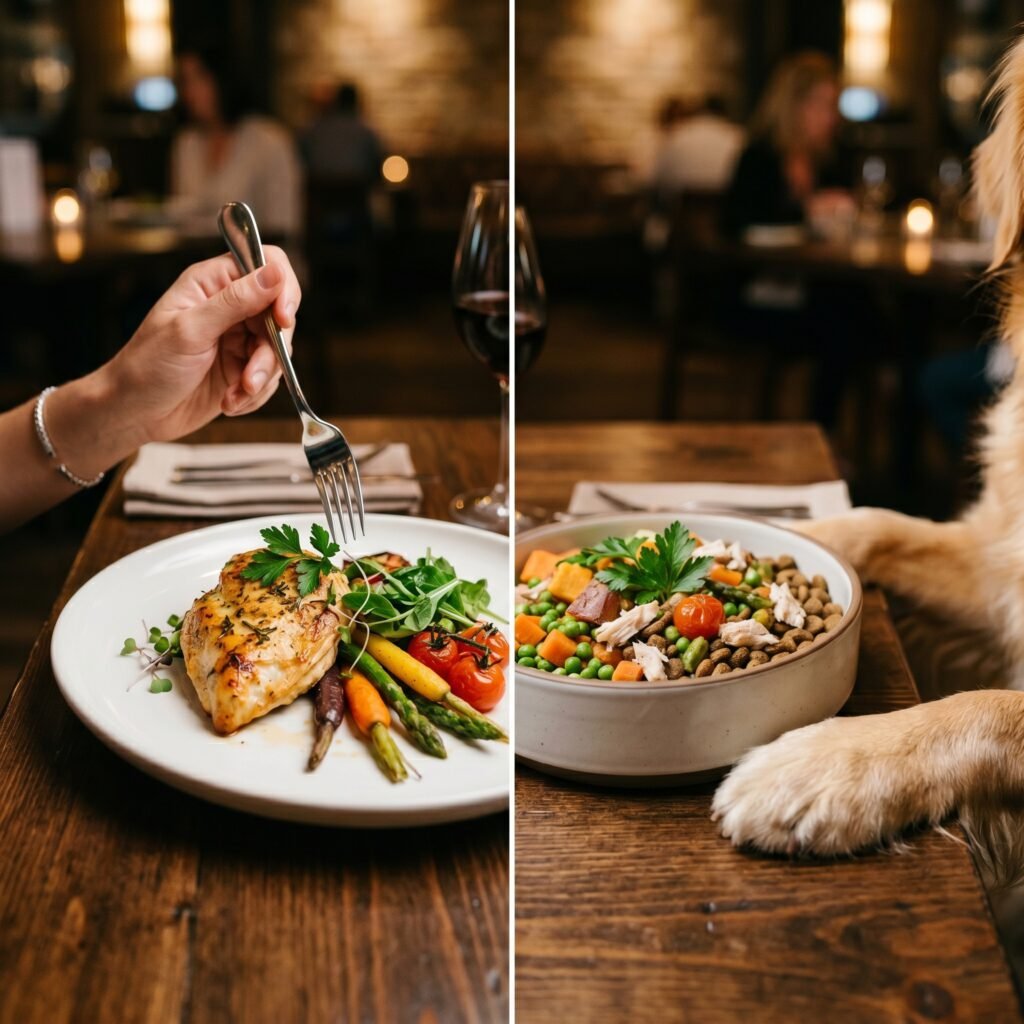
Corn syrup, “meat by-products,” artificial preservatives — it can feel like you’re feeding your dog a chemistry experiment rather than a meal. That’s exactly why real meat dog food has exploded in popularity over the past decade, and why more pet owners than ever are demanding transparency about what’s actually going into their dog’s bowl.
This guide is designed to cut through the noise. Whether you’re switching your dog off a kibble diet, exploring air-dried options, or simply trying to understand what “real meat” actually means on a pet food label, you’re in the right place. By the end, you’ll know exactly what to look for, which brands are worth your money, and how to spot marketing gimmicks before they trick you.
Table of Contents
- What Is Real Meat Dog Food?
- Why Real Meat Matters for Your Dog’s Health
- Types of Real Meat Dog Food
- Real Meat Air Dried Dog Food: A Deep Dive
- The Real Meat Company Dog Food: Brand Spotlight
- How to Read Dog Food Labels Like a Pro
- Real Meat Dog Food Reviews: What Pet Owners Are Saying
- Best Proteins to Look for in Dog Food with Real Meat
- Common Myths About Real Meat Dog Food
- How to Transition Your Dog to Real Meat Food
- FAQ
- Conclusion
What Is Real Meat Dog Food?
“Real meat” sounds simple enough, but in the world of pet food labeling, the phrase carries a lot of weight — and a lot of potential for confusion.
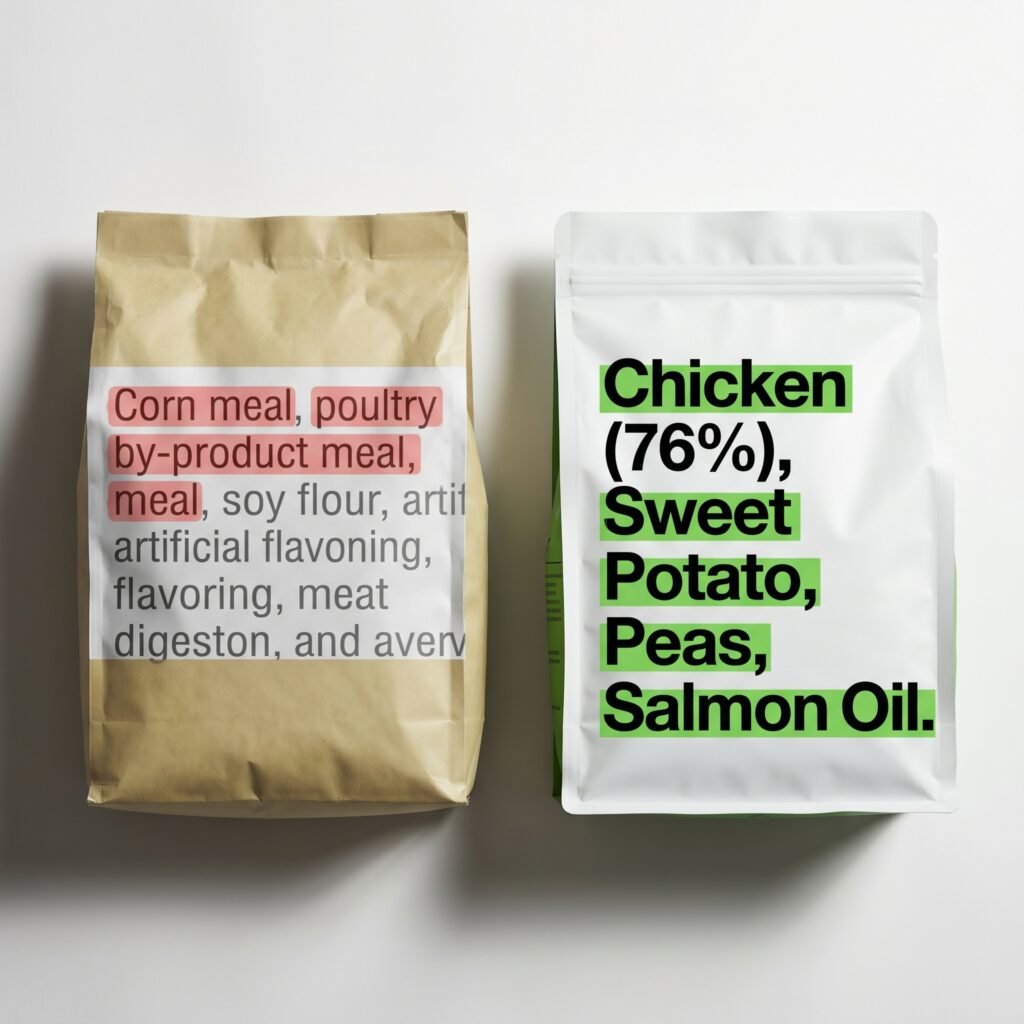
Real meat in dog food refers to whole, identifiable animal proteins — things like chicken, beef, salmon, lamb, or turkey — that appear as the first ingredient before any rendering or processing. It’s the opposite of “meat meal,” “meat by-products,” or vague terms like “animal digest,” which can include feet, feathers, beaks, and organs of unspecified origin.
According to the Association of American Feed Control Officials (AAFCO), which sets the standards for pet food labeling in the United States, a product can only list “chicken” as an ingredient if it’s the clean combination of flesh and skin, with or without accompanying bone, derived from parts of chickens. Contrast that with “chicken meal,” which is rendered, dried, and concentrated — not inherently bad, but certainly different.
Real Meat vs. Meat By-Products vs. Meat Meal
Understanding the difference here is foundational:
- Real meat (e.g., “Chicken,” “Beef,” “Salmon”): Fresh or frozen muscle meat, often the first ingredient listed. High moisture content, recognizable protein source.
- Meat meal (e.g., “Chicken Meal”): Rendered and dried. Concentrated protein source. Can be high quality or low quality depending on the source.
- Meat by-products: Can include organs, which are actually nutrient-dense (liver, kidney), but also can include lower-quality parts. Quality varies significantly by manufacturer.
- Unnamed sources (e.g., “Poultry by-product meal”): Red flag. No way to verify the protein source or quality.
Dog food with real meat, listed explicitly by name and species, gives you the transparency you need to make an informed decision.
Why Real Meat Matters for Your Dog’s Health
Dogs are facultative carnivores — meaning they evolved primarily eating meat, though they can digest plant matter too. Their digestive systems are optimized for protein and fat from animal sources, and this biological reality has big implications for what they should eat.
Protein Quality and Amino Acid Profiles
Not all proteins are created equal. Animal proteins contain a complete profile of essential amino acids, including taurine, methionine, arginine, and lysine — all of which dogs need but cannot synthesize in sufficient quantities on their own.
Plant-based proteins (like pea protein or potato protein), which are increasingly used as fillers in budget dog foods, are often incomplete. They may look good on a guaranteed analysis label — “28% protein!” — but if that protein doesn’t contain the right amino acid ratios, your dog isn’t getting the full benefit.
Real meat dog food ensures your dog is getting bioavailable, species-appropriate nutrition.
Coat, Skin, and Energy
Dog owners who switch to high-meat diets frequently notice improvements in:
- Coat shine and texture — animal fats provide the omega fatty acids that support skin and fur health
- Energy levels — easily digestible protein fuels lean muscle and stamina
- Stool quality — less filler means less waste and firmer stools
- Allergy symptoms — switching protein sources (e.g., to novel proteins like venison or duck) can reduce chronic itching and digestive upset
Digestibility
Studies published in veterinary nutrition journals consistently show that animal-based proteins have higher digestibility coefficients than plant-based alternatives. Translation: your dog absorbs more of what’s in the food, making real meat dog food a more efficient source of nutrition even if the cost per bag is higher.
Types of Real Meat Dog Food
The market for dog food with real meat has grown dramatically, and today you have more format options than ever before.
1. Dry Kibble with Real Meat First Ingredient
The most common format. Look for brands that list a named protein (e.g., “deboned salmon,” “fresh chicken”) as the very first ingredient. Be aware that because kibble contains only around 10% moisture, the “first ingredient” designation may be misleading if that meat is mostly water weight — a practice sometimes called “ingredient splitting.”
Still, high-quality kibbles with real meat provide a convenient and affordable everyday option for most dog owners.
2. Wet / Canned Dog Food
Wet food typically contains 70–80% moisture, which more closely mimics the natural hydration dogs would get from prey animals. This makes it an excellent choice for dogs with urinary issues, kidney disease, or picky eaters. Real meat is prominent in most quality canned foods, though price per calorie is higher than kibble.
3. Fresh and Refrigerated Dog Food
Brands in this category deliver pre-portioned meals made from human-grade ingredients, including recognizable whole meats and vegetables. The ingredient lists are clean, the processing is minimal, and the palatability is generally excellent. Subscription services have made this format increasingly accessible, though it remains the most expensive option.
4. Freeze-Dried Dog Food
Freeze-drying removes moisture through sublimation (turning ice directly to vapor), which preserves nutrients and flavor with minimal heat exposure. Real meat is the star ingredient in most freeze-dried formulas, and these products often have very short, clean ingredient lists. Great as a topper, treat, or complete meal.
5. Real Meat Air Dried Dog Food
Air drying is a slower, gentler process that concentrates nutrients while maintaining a shelf-stable product. It’s distinct from freeze-drying in process but achieves similar benefits. Many pet owners consider air-dried food the sweet spot between raw feeding and convenient kibble. We’ll cover this format in its own section below.
6. Raw Dog Food (BARF / Prey Model)
Biologically Appropriate Raw Food (BARF) diets consist of unprocessed raw meats, bones, and organs. Advocates report dramatic health improvements; critics point to food safety risks (salmonella, listeria) and the difficulty of achieving nutritional balance. If you’re considering raw, consult your veterinarian and work with a canine nutritionist.
Real Meat Air Dried Dog Food: A Deep Dive
Among all the formats available, real meat air dried dog food has carved out a loyal following — and for good reason.
What Is Air Drying?
Air drying involves slowly removing moisture from raw ingredients using controlled airflow and low heat (typically below 70°C). The process takes significantly longer than conventional cooking or kibble extrusion, but it preserves the enzymatic activity, natural proteins, and heat-sensitive nutrients that get destroyed in high-temperature processing.
The result is a dense, nutrient-rich product that looks and smells remarkably close to the original ingredients. Dogs love it.
Why Air Dried Beats Conventional Kibble
| Feature | Conventional Kibble | Air Dried Dog Food |
|---|---|---|
| Processing temp | 150–180°C | Below 70°C |
| Moisture content | ~10% | ~12–15% |
| Nutrient retention | Lower | Higher |
| Palatability | Moderate | Very high |
| Shelf stability | 12–18 months | 12–24 months |
| Cost | Low | Medium-High |
How to Use Air Dried Food
Air dried dog food is incredibly versatile:
- As a complete meal: Many air-dried products are nutritionally complete and can be fed as the sole diet.
- As a topper: Crumble a small amount over regular kibble to boost palatability and nutrition.
- As a training treat: Break into small pieces for high-value rewards.
- Rehydrated: Add warm water for a fresh, stew-like texture — especially useful for senior dogs or those with dental issues.
Top Air Dried Brands to Know
Several reputable brands specialize in real meat air dried dog food. When evaluating options, look for:
- Named animal protein as the first (and dominant) ingredient
- No artificial preservatives, colors, or flavors
- AAFCO nutritional adequacy statement
- Country of origin transparency
(Internal linking suggestion: See our comparison guide on freeze-dried vs. air-dried dog food for a deeper breakdown.)
The Real Meat Company Dog Food: Brand Spotlight
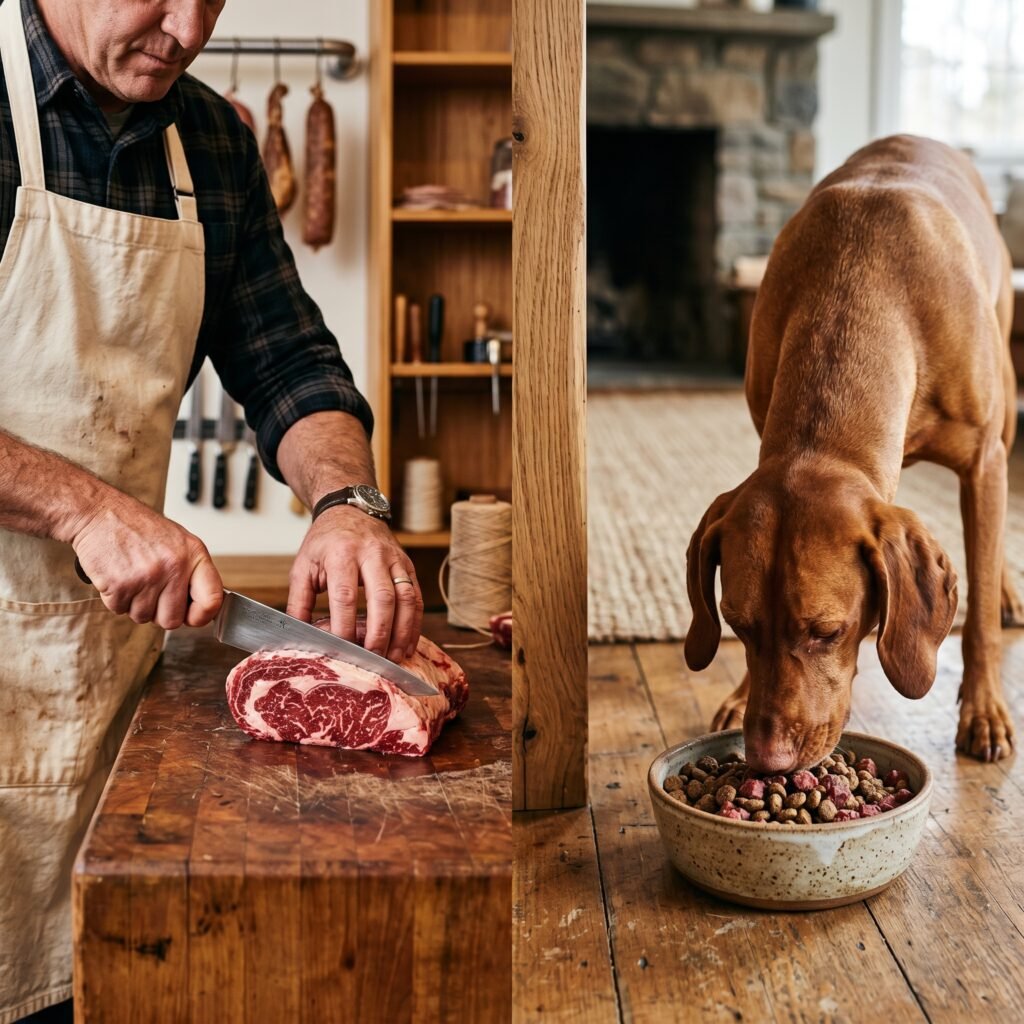
When dog owners search for real meat dog food by brand name, The Real Meat Company frequently comes up — and for good reason. Founded with a mission to bring human-grade, free-range proteins to the pet food market, the brand has developed a following among holistic pet owners who prioritize ingredient integrity.
What Makes The Real Meat Company Stand Out
Protein sourcing is their core differentiator. The Real Meat Company uses free-range, antibiotic-free meats as the foundation of their recipes. You won’t find generic “poultry” or “animal meal” — every protein is named and traceable.
Their product line includes:
- Air Dried Dog Food (their flagship offering) — available in proteins like beef, chicken, lamb, and venison
- Jerky Treats — single-ingredient or minimal-ingredient meat strips
- Mix-In Enhancers — concentrated toppers designed to boost nutrition in any base diet
Ingredient Philosophy
The Real Meat Company positions itself firmly in the “less is more” camp. Their formulas typically feature fewer than 10 ingredients, with real meat making up 95% or more of the recipe. The remaining 5% tends to be functional additions like dried fruits, vegetables, and natural vitamins — no grain, no fillers, no artificial anything.
Real Meat Company Dog Food Reviews: Community Feedback
Pet owners who have reviewed The Real Meat Company dog food online consistently highlight:
- Improved palatability even for picky eaters
- Positive changes in coat quality within 4–6 weeks
- Reduced digestive issues compared to previous commercial diets
- High cost as the primary drawback
One common note in real meat dog food reviews of this brand: the transition period matters. Dogs moving from heavily processed diets to a nutrient-dense format like this one may experience loose stools for the first week or two as their gut microbiome adjusts.
(Internal linking suggestion: Check out our guide to the best dog foods for sensitive stomachs if your dog has digestive concerns.)
How to Read Dog Food Labels Like a Pro
Understanding labels is your single best defense against misleading marketing.
The Ingredient List
Ingredients are listed by weight, heaviest first — but this is before cooking. Fresh chicken, for example, is about 70% water. After cooking, it shrinks significantly. That’s why “chicken” listed first doesn’t always mean it’s the dominant protein in the final product.
Green flags:
- Named whole meat as #1 ingredient (e.g., “deboned chicken,” “fresh salmon”)
- Multiple named meat sources in the top five ingredients
- Organs listed by name (liver, heart)
- Whole vegetables and fruits
Red flags:
- Generic “meat” or “poultry” without a species name
- Corn syrup or added sugars
- Artificial colors (Red 40, Yellow 5/6)
- BHA, BHT, or ethoxyquin as preservatives
- “By-product meal” as a primary protein source
The Guaranteed Analysis
This panel tells you minimum percentages of crude protein and fat, and maximum percentages of fiber and moisture. Always compare on a dry matter basis when comparing wet vs. dry foods — the moisture content skews the raw numbers significantly.
AAFCO Nutritional Adequacy Statement
This is non-negotiable. A dog food should carry one of two AAFCO statements:
- “Complete and balanced” — meets AAFCO nutrient profiles for a stated life stage
- “Intended for intermittent or supplemental feeding only” — not nutritionally complete, meant as a topper or treat
If a product doesn’t have an AAFCO statement, it’s not a complete diet.
Real Meat Dog Food Reviews: What Pet Owners Are Saying
Across platforms like Chewy, Amazon, and dedicated pet food review sites (such as Dog Food Advisor and All About Dog Food), real meat dog food reviews tell a consistent story.
What Owners Love
- Palatability: Dogs that turned their nose up at kibble will often devour a real meat-based product immediately.
- Visible health improvements: Shinier coats, cleaner ears, and better energy within weeks.
- Cleaner ingredients: Peace of mind knowing exactly what’s in the bowl.
- Smaller portions: Because nutrient density is higher, many dogs thrive on smaller amounts — offsetting the higher cost per bag.
Common Criticisms
- Price: Real meat dog food is almost always more expensive than conventional kibble. Expect to pay a premium for quality.
- Shelf life after opening: Air-dried and freeze-dried foods typically need to be used within 4–6 weeks of opening.
- Transition reactions: Some dogs experience temporary digestive upset when switching from low-quality to high-quality food.
- Not all “real meat” brands are equal: Marketing buzz words abound; always check the actual ingredient list rather than trusting front-of-bag claims.
How to Evaluate Reviews Critically
When reading real meat dog food reviews, keep these filters in mind:
- Look for reviews from dogs with similar size, age, and health profiles to your own
- Beware of reviews written within the first few days — benefits often take weeks to appear
- Weight one-star reviews carefully: many negative experiences stem from improper transitions, not product quality
- Seek out reviews from certified pet nutritionists or veterinary professionals where possible
Best Proteins to Look for in Dog Food with Real Meat
Not all proteins are created equal, and some are better suited for specific health goals or sensitivities.
Chicken
The most common protein in dog food and a great baseline option. Highly digestible, widely available, and cost-effective. Dogs with chicken allergies (which, while overdiagnosed, do exist) should avoid it.
Beef
Rich in zinc, iron, and B vitamins. Beef-based dog food tends to have higher fat content, making it a great choice for active or working dogs with high energy demands. Less digestible for some sensitive dogs than poultry.
Salmon and Other Fish
Exceptional source of omega-3 fatty acids (EPA and DHA), which support joint health, cognitive function, and skin/coat condition. Fish-based diets are increasingly recommended by veterinary dermatologists for dogs with environmental allergies.
Lamb
A “novel protein” for many dogs — meaning they haven’t been exposed to it before — making it useful for elimination diets when trying to identify food allergies. Moderately fatty, highly palatable.
Turkey
Lean, easily digestible, and lower in fat than beef or lamb. Good choice for overweight dogs or those with pancreatitis who need a lower-fat diet.
Venison, Duck, and Rabbit
True novel proteins that most dogs haven’t encountered. Excellent for dogs with multiple protein sensitivities. Often found in premium or specialty dog food lines.

Common Myths About Real Meat Dog Food
There’s no shortage of misinformation in the pet food world. Let’s clear up some of the most persistent myths.
Myth 1: “Grain-Free Automatically Means More Meat”
Not true. Many grain-free dog foods replace grains with starchy legumes like peas, lentils, and chickpeas — and may still contain relatively modest amounts of actual meat. The FDA has also been investigating a potential link between grain-free, legume-heavy diets and dilated cardiomyopathy (DCM) in dogs. Grain-free doesn’t mean high-meat.
Myth 2: “Raw Meat Is Always Better Than Cooked”
Raw diets have genuine benefits, but they also carry real risks — bacterial contamination, parasites, and nutritional imbalance if not properly formulated. Lightly processed options like air-dried and gently cooked foods can offer many of the benefits of raw without the hazards.
Myth 3: “All Organ Meats Are Low Quality”
Organ meats — particularly liver, kidney, and heart — are among the most nutrient-dense foods on the planet. They’re rich in vitamins A, B12, and iron. Seeing “chicken liver” or “beef heart” on an ingredient list is actually a green flag, not a red one.
Myth 4: “More Protein Always Means Better Food”
Protein percentage alone tells you very little. A food with 30% protein from peas and corn gluten may be less beneficial than one with 22% protein from whole salmon. Quality, digestibility, and amino acid profile matter far more than raw percentages.
Myth 5: “Real Meat Dog Food Is Only for Young, Active Dogs”
Real meat is appropriate for dogs of all life stages. Senior dogs, in particular, often benefit from high-quality animal protein to maintain muscle mass as their metabolism slows. The key is adjusting the overall caloric density and fat content for their specific needs.
How to Transition Your Dog to Real Meat Food
Switching foods too quickly is one of the most common mistakes dog owners make — and it’s the source of countless negative reviews for otherwise excellent products.
The Standard Transition Schedule
A 7–10 day transition is the minimum for most dogs. Sensitive dogs may need 2–3 weeks.
| Days | Previous Food | New Food |
|---|---|---|
| 1–2 | 75% | 25% |
| 3–4 | 50% | 50% |
| 5–6 | 25% | 75% |
| 7+ | 0% | 100% |
Signs of a Smooth Transition
- Normal stool consistency maintained throughout
- Good energy levels
- No vomiting or excessive gas
- Continued interest in food
Signs to Slow Down
- Loose stools or diarrhea lasting more than 2 days
- Vomiting more than once
- Complete food refusal
- Lethargy
If your dog experiences severe digestive upset, return to a higher ratio of old food and extend the transition period. Consult your vet if symptoms persist beyond 3–4 days.
Probiotics Can Help
Adding a canine probiotic during the transition period can ease digestive adjustment. Strains like Lactobacillus acidophilus and Bifidobacterium animalis are commonly used in canine gut health products and can help the microbiome adapt to a richer, meatier diet.
(Internal linking suggestion: See our guide to the best probiotics for dogs to find the right supplement during transition.)
FAQ
Q1: Is real meat dog food worth the extra cost?
For most dogs, yes — especially if your pet struggles with allergies, digestive issues, low energy, or a dull coat. The higher nutrient density often means you feed smaller quantities, which partially offsets the price difference. That said, even a partial upgrade — such as adding a real-meat topper to a quality kibble — can provide meaningful benefits without breaking the budget.
Q2: How do I know if a dog food actually contains real meat?
Check the ingredient list, not the front of the bag. The first ingredient should be a named protein with a specific species (e.g., “deboned chicken,” not just “poultry”). Look for the AAFCO statement, and research the brand’s sourcing practices. Third-party verified brands tend to publish certificates of analysis (COAs) on their websites.
Q3: Can puppies eat real meat dog food?
Yes, but the formula must be specifically designed for puppies or labeled “for all life stages.” Puppies have different calcium, phosphorus, and caloric requirements than adults. Never feed a puppy an “adult maintenance” formula exclusively, regardless of how high-quality the protein source is.
Q4: What’s the difference between air-dried and freeze-dried dog food?
Both processes preserve nutrients by removing moisture, but the methods differ. Air drying uses low heat and airflow over an extended period. Freeze drying uses vacuum pressure to sublimate ice into vapor with almost no heat. Freeze-dried tends to retain slightly more heat-sensitive nutrients, but the difference is modest. Air-dried products are generally less expensive and more widely available.
Q5: Is The Real Meat Company dog food good for dogs with allergies?
Many dogs with food sensitivities do well on The Real Meat Company’s single-protein formulas, particularly the venison and lamb varieties, which are novel proteins for most dogs. However, since individual allergies vary, an elimination diet under veterinary supervision is the gold standard for identifying true food allergies before committing to any new formula.
Q6: Can I mix real meat dog food with my dog’s current kibble long-term?
Absolutely. Using real meat-based food as a topper or mixer with a quality kibble is a popular and practical strategy. It boosts palatability, adds fresh nutrients, and is easier on the wallet than feeding a premium complete diet exclusively. Just ensure the combined diet stays nutritionally balanced.
Q7: Are there any dogs that shouldn’t eat high-meat diets?
Dogs with certain kidney conditions may need controlled protein intake — though the relationship between dietary protein and kidney disease is more nuanced than once thought, and recent veterinary guidelines have moved away from blanket protein restriction for kidney patients. Dogs with pancreatitis may need lower-fat options. Always consult your veterinarian before making significant dietary changes for dogs with known health conditions.
Conclusion
The shift toward real meat dog food isn’t a passing trend — it’s a fundamental reckoning with what dogs actually need to thrive. For too long, the pet food industry prioritized shelf life and profit margins over nutritional integrity. Today, informed pet owners are demanding better, and the market has responded with a growing range of genuinely high-quality options.
Here’s what to take away from everything we’ve covered:
- Real meat means a named, species-specific protein source — look for it as the first ingredient.
- Processing format matters — air-dried and gently cooked foods preserve more nutrients than high-heat extrusion.
- The Real Meat Company and similar brands offer genuinely transparent, meat-forward formulas worth considering.
- Labels can mislead — always read the full ingredient list and look for the AAFCO nutritional adequacy statement.
- Transition slowly — your dog’s gut needs time to adapt to richer, more bioavailable nutrition.
- Real meat dog food reviews are valuable, but filter them through the right criteria and your own dog’s specific needs.
Your dog can’t advocate for themselves at the pet store. But armed with the knowledge in this guide, you can make choices that genuinely support their long-term health, vitality, and happiness — one meal at a time.
Disclaimer: This article is intended for informational purposes only and does not constitute veterinary advice. Always consult a licensed veterinarian before making significant changes to your dog’s diet, especially if your pet has existing health conditions.