GSD Best Food: The Complete Nutrition Guide for German Shepherds
German Shepherds are one of the most popular, capable, and nutritionally demanding dog breeds in the world — and picking the right food for them requires more thought than pulling the nearest "large breed" bag off a shelf.
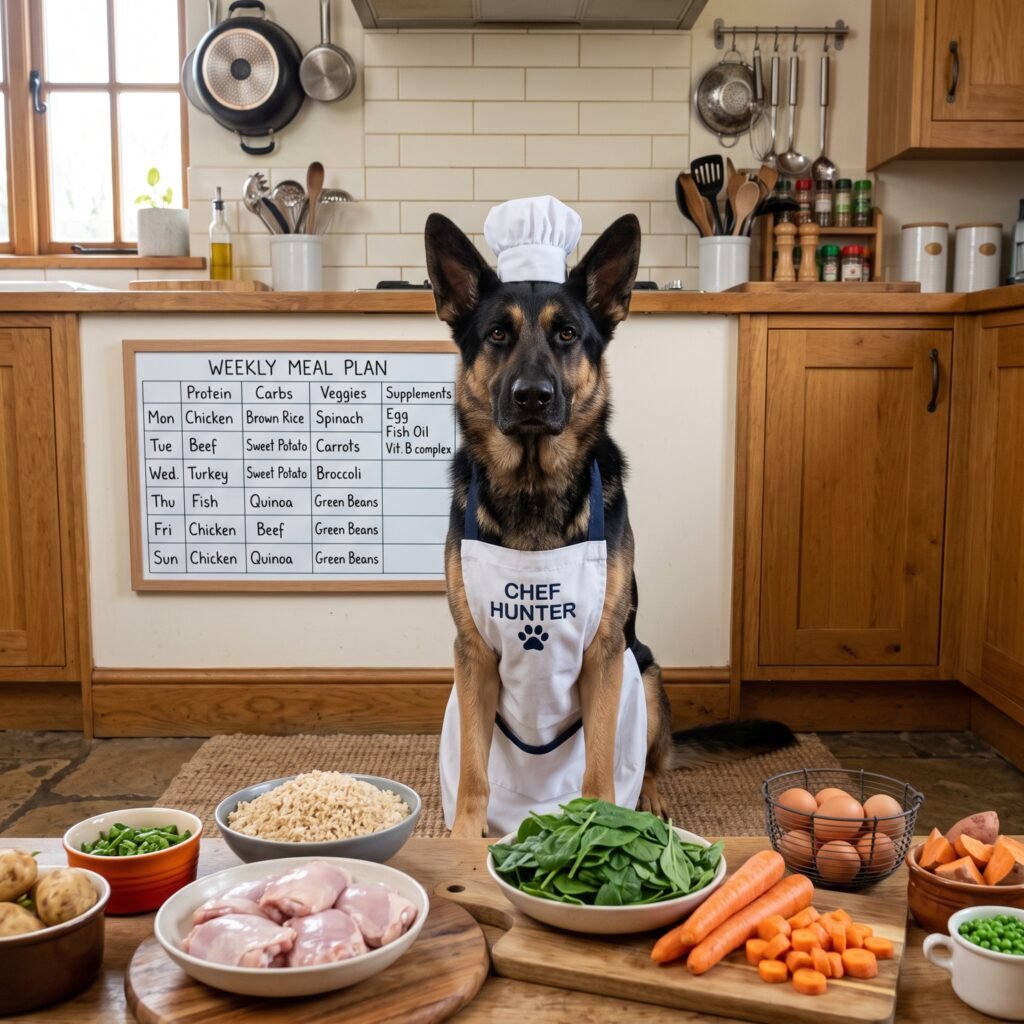
If you’re searching for the gsd best food option for your dog, you already know this isn’t a one-size-fits-all decision.
The best food for gsd dogs has to account for several breed-specific factors that genuinely set German Shepherds apart from most other large breeds: their above-average susceptibility to hip and elbow dysplasia, a notorious digestive sensitivity that affects a disproportionate number of the breed, a dense double coat that demands consistent nutritional support, and — in puppies specifically — a growth rate that requires careful calcium and phosphorus management to protect developing joints and bones.
Get the nutrition right and you’re giving your GSD a foundation for an active, comfortable life that can span 10 to 13 years. Get it wrong — especially in the puppy stage — and you may be managing preventable joint problems for the rest of the dog’s life. This guide covers every stage, every key nutrient, and exactly what to look for on a label when evaluating the best dog food for gsd at any age.
Table of Contents
- Why GSD Nutrition Is Different From Other Large Breeds
- Key Nutritional Requirements for GSDs
- Best Dog Food for GSD Puppies: What’s Different
- Best Puppy Food for GSD: The Calcium and Phosphorus Factor
- When to Switch From Puppy to Adult GSD Food
- GSD Best Food for Adults: Protein, Fat, and Calorie Needs
- Best Food for GSD Dogs With Sensitive Stomachs
- Best Dog Food for GSD Joint Health
- Best Food for GSD Coat and Skin Health
- Working and High-Drive GSDs: Adjusting for Activity Level
- Best Dog Food for GSD Seniors
- How to Read a GSD Dog Food Label
- Dry vs. Wet vs. Raw: Which Format Works Best?
- Common GSD Feeding Mistakes to Avoid
- How Much to Feed a GSD at Every Stage
- FAQ: GSD Best Food
- Conclusion
Why GSD Nutrition Is Different From Other Large Breeds
Treating GSD nutrition the same as generic large-breed nutrition is one of the most common mistakes GSD owners make. While German Shepherds share some needs with other large dogs, several factors make the best dog food for gsd a more specific question than it appears.
Breed-Specific Vulnerabilities That Diet Directly Affects
- Hip and elbow dysplasia — According to Orthopedic Foundation for Animals (OFA) data, approximately 19% of German Shepherds screened show signs of hip dysplasia. Overfeeding, rapid growth, and excess calcium during puppyhood all directly increase that risk
- Digestive sensitivity — GSDs have a disproportionately high rate of gastrointestinal issues, including exocrine pancreatic insufficiency (EPI) and inflammatory bowel conditions. Highly digestible protein sources and adequate fiber matter more for this breed than for many others
- Degenerative myelopathy — a progressive neurological condition with no dietary cure, but one where antioxidant-rich diets may offer some supportive benefit
- Bloat (GDV) — German Shepherds’ deep chest makes them susceptible to gastric dilatation-volvulus, making meal timing, portion size, and feeding frequency genuinely life-or-death considerations
- Skin and coat sensitivity — many GSDs experience allergic skin conditions, hot spots, and excessive shedding that respond meaningfully to dietary adjustments
Understanding these vulnerabilities is the foundation of choosing the real gsd best food rather than simply a well-marketed large-breed formula.
Key Nutritional Requirements for GSDs
Before breaking down the best food for gsd at each life stage, here’s the baseline nutritional picture for a typical healthy adult German Shepherd.
Protein
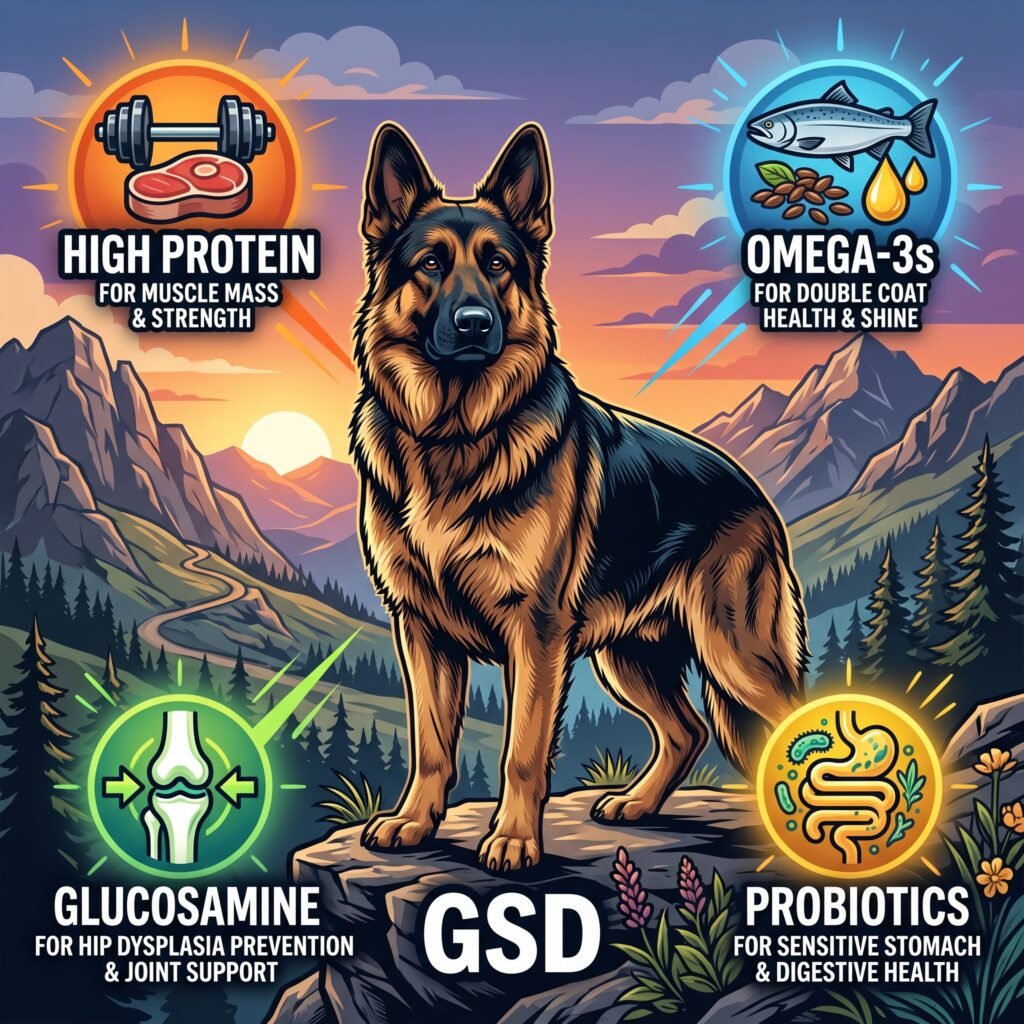
The best dog food for gsd adults should provide 22–26% crude protein at minimum from named, high-quality animal sources. Active working dogs may need up to 30% protein , while family pet GSDs with moderate activity can thrive toward the lower end of this range. Named protein sources — chicken, beef, lamb, fish — are always preferable to vague “meat meal” listings.
Fat
Healthy fat content between 12–16% supports coat quality, energy, and fat-soluble vitamin absorption. Omega-3 and omega-6 fatty acids — ideally from fish oil, chicken fat, or flaxseed — are specifically important for the GSD’s coat and skin.
Calories
According to National Research Council guidelines, an average 70-pound adult German Shepherd requires approximately 1,500–1,800 kcal per day, while working dogs may need up to 2,200 kcal per day.
Joint Support Nutrients
Glucosamine and chondroitin are non-negotiable in the best food for gsd formulas targeting joint health. These have clinical evidence for cartilage health and are not marketing extras.
Digestive Support
Prebiotics, probiotics, and beet pulp are commonly included in formulas targeting GSD digestive health. Highly digestible protein sources — chicken and fish in particular — reduce the digestive burden on sensitive GSD stomachs.
Best Dog Food for GSD Puppies: What’s Different
The best dog food for gsd puppy development is meaningfully different from adult GSD food, and using the wrong formula during growth can have consequences that show up years later.
German Shepherd puppies don’t stop growing and aren’t ready to eat adult food until they reach 12 to 24 months of age. Switching your puppy to adult food too soon may increase your dog’s risk of permanent hip and joint damage.
Why Large Breed Puppy Formula Specifically Matters
Most owners hear “large breed puppy food” and assume it just means bigger kibble. It’s more than that. The calcium difference is real and it matters. Large breed puppy formulas specifically control calcium and phosphorus ratios to prevent the accelerated bone growth that leads to skeletal disorders. Standard puppy food — even high-quality standard puppy food — typically contains calcium levels that are too high for a growing GSD.
German Shepherd puppies need a calcium-to-phosphorus ratio of 1.1–1.4:1 to prevent skeletal issues; some large-breed adult foods skew this ratio in ways that can harm developing joints.
What Makes the Best Puppy Food for GSD
The best puppy food for gsd options share these characteristics:
- Specifically labeled “large breed puppy” — not generic “puppy” or “all life stages”
- Named animal protein as the first ingredient
- Controlled calcium levels ideally between 1.0–1.5% dry matter
- DHA from fish oil to support brain, eye, and joint development
- AAFCO nutritional adequacy statement for “growth of large breed dogs”
- No excessive fillers — corn, wheat, or soy as primary ingredients are a red flag for sensitive GSD stomachs
- Added glucosamine and chondroitin from the start
Royal Canin German Shepherd Puppy is a breed-specific formula designed for digestive sensitivity, often considered one of the best food for German Shepherd puppy digestion options. Hill’s Science Diet Large Breed Puppy and Purina Pro Plan Large Breed Puppy are also consistently cited across veterinary and breeder sources as reliable best dog food for gsd puppy options.
Best Puppy Food for GSD: The Calcium and Phosphorus Factor
This deserves its own section because it’s the most commonly overlooked — and most consequential — aspect of GSD puppy nutrition.
German Shepherd puppies have a higher risk of developing a crippling form of canine hip dysplasia if they’re fed a dog food that contains too much calcium for their larger breed type.
Why Calcium Control Is So Critical
- Excess calcium during puppyhood accelerates bone development faster than muscle and connective tissue can compensate, creating structural stress in developing joints
- Overfeeding compounds this effect: a puppy growing too fast puts mechanical strain on joints that aren’t ready for the load
- The damage from calcium mismanagement during this window doesn’t become visible until the dog is 2 to 4 years old, by which time it’s irreversible
Best Puppy Food for GSD: The Calcium and Phosphorus Factor
This deserves its own section because it’s the most commonly overlooked — and most consequential — aspect of GSD puppy nutrition.
German Shepherd puppies have a higher risk of developing a crippling form of canine hip dysplasia if they’re fed a dog food that contains too much calcium for their larger breed type.
Why Calcium Control Is So Critical
- Excess calcium during puppyhood accelerates bone development faster than muscle and connective tissue can compensate, creating structural stress in developing joints
- Overfeeding compounds this effect: a puppy growing too fast puts mechanical strain on joints that aren’t ready for the load
- The damage from calcium mismanagement during this window doesn’t become visible until the dog is 2 to 4 years old, by which time it’s irreversible
This is why the best puppy food for gsd isn’t simply the highest-protein, most nutrient-dense formula available — it’s the one with properly controlled calcium levels specifically validated for large breed puppy growth.
The Overfeeding Risk
GSD puppies have voracious appetites, but you should not cater to it. Overfeeding is one of the most common feeding mistakes with this breed — bigger is not better at this stage. A puppy should look lean and athletic, not plump. Visible ribs shouldn’t protrude, but you should be able to feel them easily with light hand pressure.
When to Switch From Puppy to Adult GSD Food
German Shepherds stay on large breed puppy formula until 12–18 months. Their bones keep developing past the one-year mark, and puppy food’s calcium control matters through that whole period. Switch too early and you lose the nutritional structure that large breed formulas provide.
When the time comes, transition gradually — mix 25% new food with 75% old food and shift gradually over about a week. Sudden switches cause digestive upset in most GSDs.
GSD Best Food for Adults: Protein, Fat, and Calorie Needs
Once your GSD has completed the puppy phase, the focus of the gsd best food conversation shifts from growth management to performance, maintenance, and prevention.
Adult GSD Nutritional Priorities
- High-quality protein first — adult GSDs need named animal proteins (chicken, beef, lamb, or fish) delivering 22–26% crude protein minimum
- Joint support built in — glucosamine and chondroitin become increasingly important as the GSD matures, since hip and joint issues typically become apparent between ages 2 and 5
- Digestive support — this breed’s digestive sensitivity doesn’t disappear in adulthood; prebiotics and highly digestible protein remain valuable throughout the adult years
- Omega fatty acids — critical for coat health, skin barrier function, and ongoing anti-inflammatory support
- Appropriate calorie density — adult pet GSDs typically need 1,500–1,800 kcal per day split across two meals; working or highly active dogs may need significantly more
Family Pet vs. Working GSD: The Activity Difference
Adult Weimaraners who live the good life as family pets are likely to have low to moderate activity levels… These dogs don’t need as many calories and a more moderate protein level. The same principle applies directly to GSDs: a family companion spending most of the day indoors has very different caloric needs than a working or sport dog covering miles every day. The best dog food for gsd adults genuinely varies between these two lifestyle categories.
Best Food for GSD Dogs With Sensitive Stomachs
Digestive sensitivity is so common in German Shepherds that it deserves its own dedicated section rather than a brief mention. Many GSD owners report chronic loose stools, intermittent vomiting, or excessive gas long before any formal diagnosis is made.
What to Look for in the Best Food for GSD Sensitive Stomachs
- Limited ingredient formulas — fewer ingredients mean fewer potential triggers
- Novel or single protein — if chicken and beef have caused issues, try a formula built around a single novel source like lamb, venison, or fish
- No corn, wheat, or soy — these common fillers are among the most frequent digestive triggers in sensitive GSDs
- Prebiotic fiber — beet pulp, chicory root, or psyllium husk support healthy gut bacteria and stool consistency
- Highly digestible protein — fish and poultry digest more easily than red meats for most sensitive dogs
- Probiotics — increasingly common in premium formulas, support the gut microbiome directly
German Shepherd dogs often get upset tummies, and their skin is notoriously sensitive. Pick a dog food with highly digestible proteins and nutrients that support skin health.
Best Dog Food for GSD Joint Health
Given the OFA data showing nearly 1 in 5 German Shepherds screened showing signs of hip dysplasia, joint health is one of the most practically important nutritional priorities in any best dog food for gsd evaluation.
Nutrients That Directly Support GSD Joints
- Glucosamine — supports cartilage repair and maintenance; look for formulas providing 300+ mg per kg of food
- Chondroitin — works alongside glucosamine to maintain cartilage elasticity and water retention
- Omega-3 fatty acids (EPA and DHA) — reduce joint inflammation, supporting comfort in dogs with existing dysplasia or early arthritis
- Vitamin C and E — antioxidants that protect joint tissue from oxidative damage
- Healthy weight maintenance — arguably the single most impactful dietary factor; every excess pound of body weight adds measurably to joint load in large-breed dogs
The best food for gsd dogs with diagnosed hip or elbow issues combines these nutritional factors with strict weight management — even slight overweight meaningfully accelerates joint deterioration in a dog the size of a GSD.
Best Food for GSD Coat and Skin Health
German Shepherds’ dense double coats are one of the breed’s most recognizable features — and one of the most nutritionally demanding. Dull coat, excessive shedding beyond normal seasonal patterns, dry or flaky skin, and hot spots are all commonly linked to dietary deficiencies.
Coat-Supporting Nutrients for GSDs
- Omega-3 fatty acids — fish oil in particular supports the skin’s lipid barrier and coat shine
- Omega-6 fatty acids — linoleic acid from chicken fat or sunflower oil supports ceramide production and moisture retention
- Biotin and zinc — support hair follicle health and reduce excessive shedding
- Vitamin E — antioxidant protection for skin cells
- High-quality animal protein — keratin (the structural protein in hair) depends on adequate dietary protein for synthesis
Fish oil supplements are a great source of additional omega-3 fatty acids. These — along with vitamin E — are also recommended for GSDs with skin or coat-related issues.
Working and High-Drive GSDs: Adjusting for Activity Level
The gsd best food formula changes significantly when the dog in question is a working dog, sport competitor, or highly active individual compared to a household companion.
Higher Demands of Working GSDs
- Police and military dogs, search and rescue dogs, herding dogs, and sport competitors burn dramatically more calories than pet dogs
- Working GSDs often need formulas with 28–34% protein and 18–20% fat to support sustained physical output and recovery
- Meal timing becomes more critical — meals should be scheduled at least one hour away from intense exercise sessions to reduce bloat risk
- Hydration needs increase substantially; access to fresh water throughout the day is non-negotiable
Working German Shepherds will need to consume more calories per day. For serious working dogs, a performance formula specifically designed for high-output dogs is usually more appropriate than a standard adult maintenance formula, even a high-quality one.
Best Dog Food for GSD Seniors
As German Shepherds move into their senior years — generally considered to begin around 7 years of age — the best food for gsd dogs shifts again to reflect changing metabolic and health needs.
Senior GSD Nutritional Priorities
- Maintained or slightly increased protein — senior dogs are prone to muscle mass loss, and adequate protein (at least 22–25%) helps counteract this
- Reduced calorie density — metabolism slows with age, and calorie reduction (without protein reduction) helps prevent weight gain that would worsen joint stress
- Increased joint support — glucosamine, chondroitin, and omega-3s become even more important as arthritis risk increases
- Cognitive support — DHA, MCTs (medium-chain triglycerides), and B vitamins support brain function in aging dogs
- Digestive support — probiotic and prebiotic inclusion helps maintain gut health as digestive efficiency naturally declines
As Weimaraners age, their dietary needs change. Senior dogs may benefit from diets lower in calories but higher in fiber and supplements like glucosamine for joint health. The same principle applies directly to senior GSDs.
How to Read a GSD Dog Food Label
Knowing what to look for on a label is as important as knowing which nutrients matter. Here’s a practical framework for evaluating any best dog food for gsd claim.
Step-by-Step Label Evaluation
- First ingredient — must be a named animal protein (chicken, beef, lamb, salmon). If corn, soy, or wheat appears first, it’s not the gsd best food for this breed
- Protein percentage — aim for at least 22% crude protein; 26–30% for highly active or working GSDs
- Life stage statement — look for AAFCO adequacy for “all life stages” or your dog’s specific stage; puppies need “large breed puppy” specifically
- Fat percentage — 12–16% is appropriate for most adult GSDs; lower for overweight dogs, higher for working dogs
- Joint support ingredients — glucosamine and chondroitin listed by name
- Omega source — fish oil, salmon oil, or flaxseed for omega-3s
- Avoid — artificial colors, BHA/BHT preservatives, corn syrup, unnamed “animal fat,” or excessive filler grains in the top three ingredients
Red Flags Specific to GSD Digestion
- Corn, wheat, or soy as primary carbohydrate sources
- Artificial preservatives
- Vague protein sources like “poultry meal” or “meat by-products”
- Very high carbohydrate content (above 50% estimated dry matter)
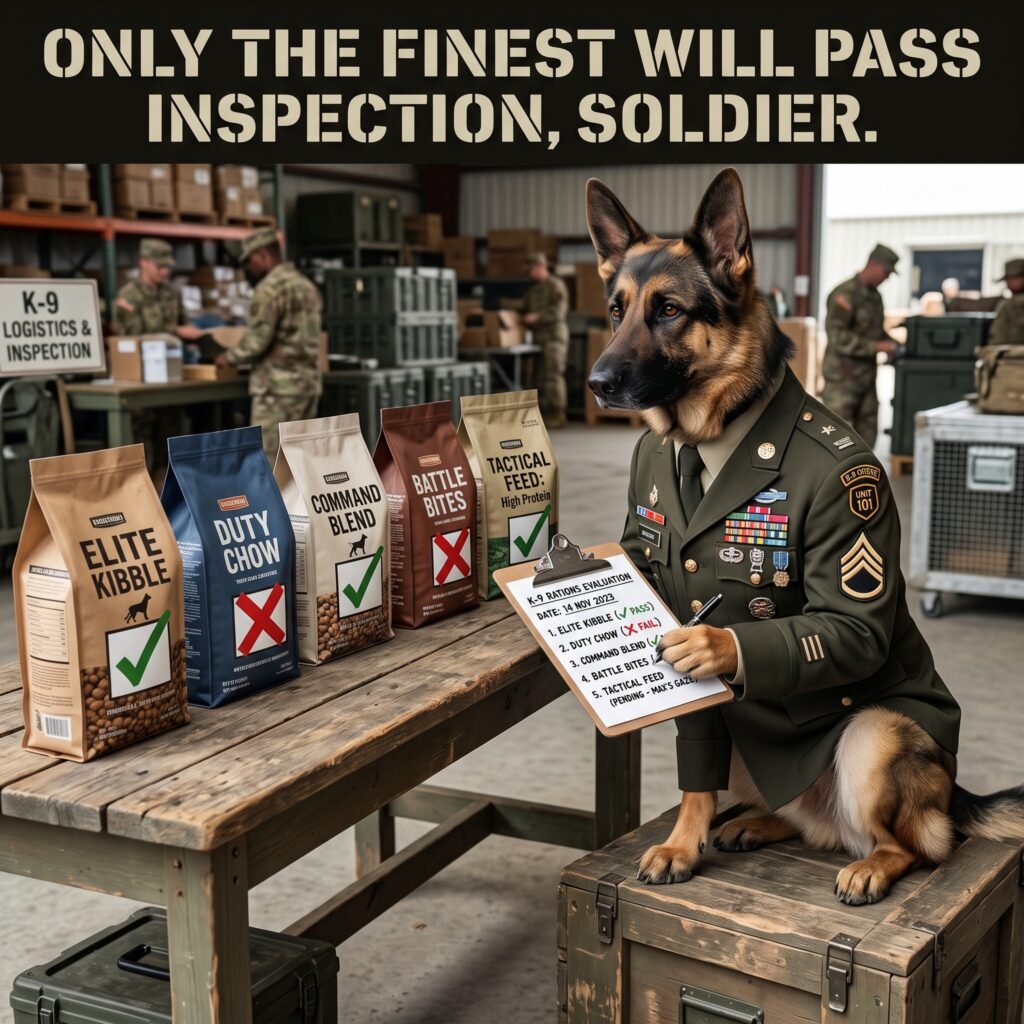
Dry vs. Wet vs. Raw: Which Format Works Best?
Dry Kibble
The most practical format for most GSD owners. High-quality dry kibble offers calorie density, dental benefits, convenience, and consistent formulation. The best dog food for gsd in dry format should meet all the label criteria above, with a particular emphasis on high protein, named sources, and digestive support ingredients.
Wet Food
Higher moisture content supports hydration and palatability, making it useful for senior dogs or GSDs with reduced appetite. Wet food alone is rarely practical or economical as a sole diet for a dog the size of a GSD, but mixing it with dry kibble is a well-established approach.
Raw and Fresh Food
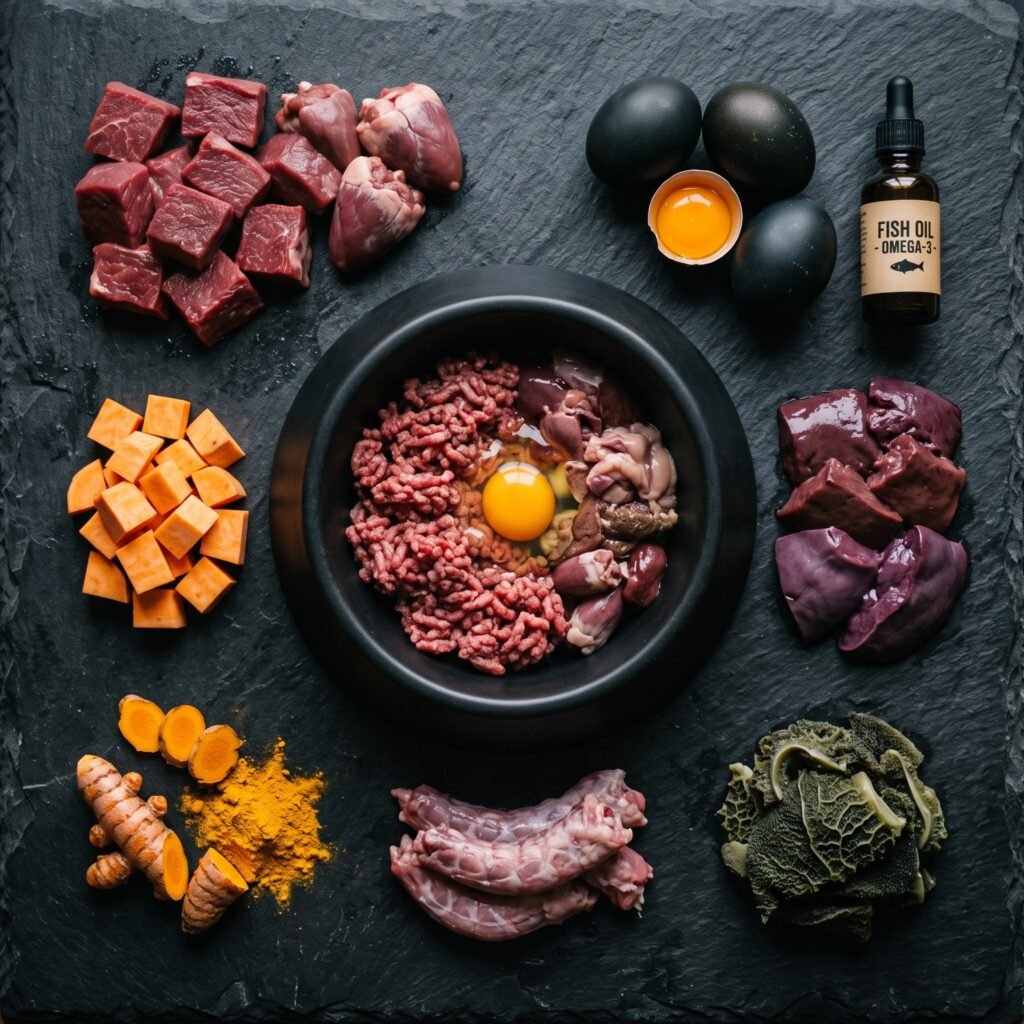
Fresh-cooked and raw diets have a passionate following among GSD owners, and there is legitimate nutritional rationale for their appeal — higher digestibility, better moisture content, minimally processed protein. The practical requirements are significant: careful sourcing, strict food-safety hygiene, and veterinary or canine nutritionist guidance to ensure complete and balanced nutrition. Raw diets should be prepared under the guidance of a veterinarian or a canine nutritionist to ensure they meet all of your dog’s nutritional requirements.
The FDA has investigated grain-free diets with legumes and dilated cardiomyopathy (DCM) in dogs. Research is ongoing. Discuss grain-free choices with your vet, especially for large breeds.
Common GSD Feeding Mistakes to Avoid
Even well-intentioned owners make feeding mistakes that undermine the benefits of choosing the best food for gsd in the first place.
The Most Common GSD Feeding Mistakes
- Using generic puppy food instead of large breed puppy formula — the calcium and phosphorus differences are real and significant for GSD puppies
- Switching foods too early from puppy to adult — GSDs need large breed puppy food until 12–18 months, not 9–10 months as some owners assume
- Overfeeding puppies — more food doesn’t mean healthier growth; it often means faster growth and greater joint risk
- Feeding one large meal per day — this dramatically increases bloat risk in a deep-chested breed; two meals minimum is essential
- Exercising immediately before or after meals — wait at least an hour before and after feeding to reduce bloat risk
- Switching foods abruptly — transition over 7–10 days in 25% increments; sudden switches cause digestive issues even with a quality food
- Assuming grain-free is automatically better — it isn’t, and for this breed specifically the ongoing DCM research warrants caution
How Much to Feed a GSD at Every Stage
Puppy Feeding Schedule
- 8–16 weeks: 3–4 meals per day; approximately ½ to ¾ cup of large breed puppy food per meal
- 4–6 months: 3 meals per day; adjust portions per label guidelines and your puppy’s body condition
- 6–12 months: Transition to 2 meals per day; monitor body condition closely as growth accelerates
Adult Feeding Schedule
An adult German Shepherd should get two to four cups of dry food per day, split across two meals, depending on size, activity level, and dietary needs. Two meals daily is the standard recommendation for adult GSDs, both for digestive comfort and bloat risk reduction.
Senior Feeding Schedule
Continue twice-daily feeding, adjusting portion size downward as metabolism slows. Work with your veterinarian to monitor body condition and adjust calories accordingly.
FAQ: GSD Best Food
1. What is the gsd best food for a puppy specifically?
The best dog food for gsd puppy feeding is a large breed puppy formula with controlled calcium and phosphorus levels, AAFCO adequacy for large breed puppy growth, a named animal protein first, and added DHA. Royal Canin German Shepherd Puppy, Hill’s Science Diet Large Breed Puppy, and Purina Pro Plan Large Breed Puppy are consistently recommended by vets and GSD breeders.
2. What is the best food for gsd adults?
The best food for gsd adults combines 22–26% crude protein from named animal sources, 12–16% fat, added glucosamine and chondroitin, omega fatty acids, and digestive support ingredients. The specific ideal formula varies based on your individual dog’s activity level, weight, and health history.
3. How is the best dog food for gsd different from regular large breed food?
The best dog food for gsd specifically addresses this breed’s digestive sensitivity, hip dysplasia risk, and coat needs — not just large breed calorie and protein levels. Look for highly digestible proteins, digestive support ingredients, and joint nutrients beyond what standard large breed formulas typically provide.
4. When should I switch my GSD puppy to adult food?
No earlier than 12 months, and ideally not until 15–18 months. GSDs continue skeletal development past the one-year mark, and large breed puppy food’s calcium management remains important throughout that window. Switching too early is one of the most common GSD feeding mistakes.
5. Is grain-free the best puppy food for gsd?
Not automatically. Grain-free is beneficial for GSDs with confirmed grain sensitivities, but most do not require it. The FDA’s ongoing investigation into a potential link between high-legume grain-free diets and dilated cardiomyopathy in dogs means this choice warrants a conversation with your veterinarian before committing.
6. How often should I feed my adult GSD?
Twice daily, never once. The gsd best food routine splits the daily portion across two meals at minimum, with no exercise for at least an hour before or after eating. This directly reduces bloat risk, which is a serious concern for deep-chested breeds.
7. What is the best food for gsd dogs with sensitive stomachs?
A limited ingredient formula with a single novel protein source — lamb, venison, fish, or duck — with no corn, wheat, or soy. Highly digestible protein, prebiotic fiber, and ideally probiotic inclusion are the key markers in the best dog food for gsd targeting digestive sensitivity.
Conclusion
Choosing the gsd best food is one of the most impactful long-term decisions you’ll make for your German Shepherd. This breed is athletic, intelligent, and capable of thriving for over a decade — but that potential is directly connected to the nutritional foundation you build, starting from puppyhood.
Here’s what to carry forward from this guide:
- The best puppy food for gsd is specifically a large breed puppy formula with controlled calcium and phosphorus — not generic puppy food, regardless of quality
- Never switch to adult food before 12–18 months — the consequences for GSD joint health can be permanent
- The best dog food for gsd puppy and adult stages both prioritize named animal protein first, digestive support, and joint nutrients
- Glucosamine, chondroitin, and omega-3 fatty acids are not optional extras in GSD nutrition — they’re essential given the breed’s documented joint vulnerability
- Two meals per day minimum is a non-negotiable feeding structure for bloat risk reduction in this deep-chested breed
- The best food for gsd dogs with sensitive stomachs requires a limited ingredient, highly digestible, novel protein approach rather than simply choosing “premium” kibble
- Senior GSDs need maintained protein with reduced calories, increased joint support, and cognitive-supportive nutrients as they age
- Always transition foods gradually over 7–10 days, regardless of which gsd best food formula you choose
The right food, the right portions, the right feeding schedule, and regular veterinary check-ins to monitor body condition give your GSD the best possible foundation for a long, healthy, and active life. That combination is what genuinely separates good GSD ownership from great GSD ownership — and it starts with what’s in the bowl.