
Food Weimaraner: The Complete 2026 Nutrition and Feeding Guide
Everything about food for Weimaraners in 2026 — vet-approved nutrition, best brands, portion sizes, life stage feeding, bloat prevention, and homemade recipes for the Silver Ghost.

Food Weimaraner: Why This Breed’s Diet Is Unique
Food for Weimaraners is not a one-size-fits-all topic. The Weimaraner — nicknamed the Silver Ghost for its striking silver-gray coat and pale amber or blue-gray eyes — is a large, athletically built hunting breed originating from Germany. Originally developed as an all-purpose gun dog capable of tracking, pointing, and retrieving game all day in demanding terrain, the Weimaraner carries a genetic blueprint built for sustained high performance. That heritage has direct and meaningful consequences for how this breed should eat.
According to the American Kennel Club, Weimaraners are ranked as the 40th most popular dog in the United States — and with that popularity comes a large community of owners discovering that getting Weimaraner food right requires more thought than simply picking a bag with a large-breed label. Weimaraners are lean, muscular dogs with fast metabolisms, high daily energy expenditure, and specific vulnerabilities — particularly to bloat (gastric dilatation-volvulus or GDV), hip and elbow dysplasia, and food sensitivities — that make thoughtful food for Weimaraners selection a genuine health priority.
Table of Contents
- Food Weimaraner: Why This Breed’s Diet Is Unique
- Weimaraner Nutritional Needs: The Core Requirements
- Best Protein Sources in Weimaraner Food
- Fats, Carbohydrates, and Fiber in Weimaraner Food
- Joint Health Nutrients: Non-Negotiables in Food for Weimaraners
- Best Dog Food Brands for Weimaraners in 2026
- Food for Weimaraner Puppies: Special Considerations
- Food for Adult Weimaraners: Maintenance Feeding
- Food for Senior Weimaraners: Adjusting With Age
- How Much Food Should a Weimaraner Eat? Portion Guide
- Bloat in Weimaraners: How Food and Feeding Strategy Prevent It
- Weimaraner Food Allergies and Sensitivities
- Homemade Food for Weimaraners: Vet-Approved Recipes
- Foods Weimaraners Should Never Eat
- Frequently Asked Questions
This 2026 guide covers the complete picture: the nutritional science behind food Weimaraner owners need to understand, the best commercial formulas, life stage adjustments, bloat prevention through diet, managing food sensitivities, and vet-approved homemade recipes. Whether your Weimaraner is a high-performance sporting dog or a beloved family companion, this guide gives you the knowledge to feed them optimally at every life stage.
Weimaraner Nutritional Needs: The Core Requirements
Before selecting any specific Weimaraner food, you need to understand the macronutrient and micronutrient framework that the breed’s physiology demands.
Protein: The Foundation of Weimaraner Nutrition
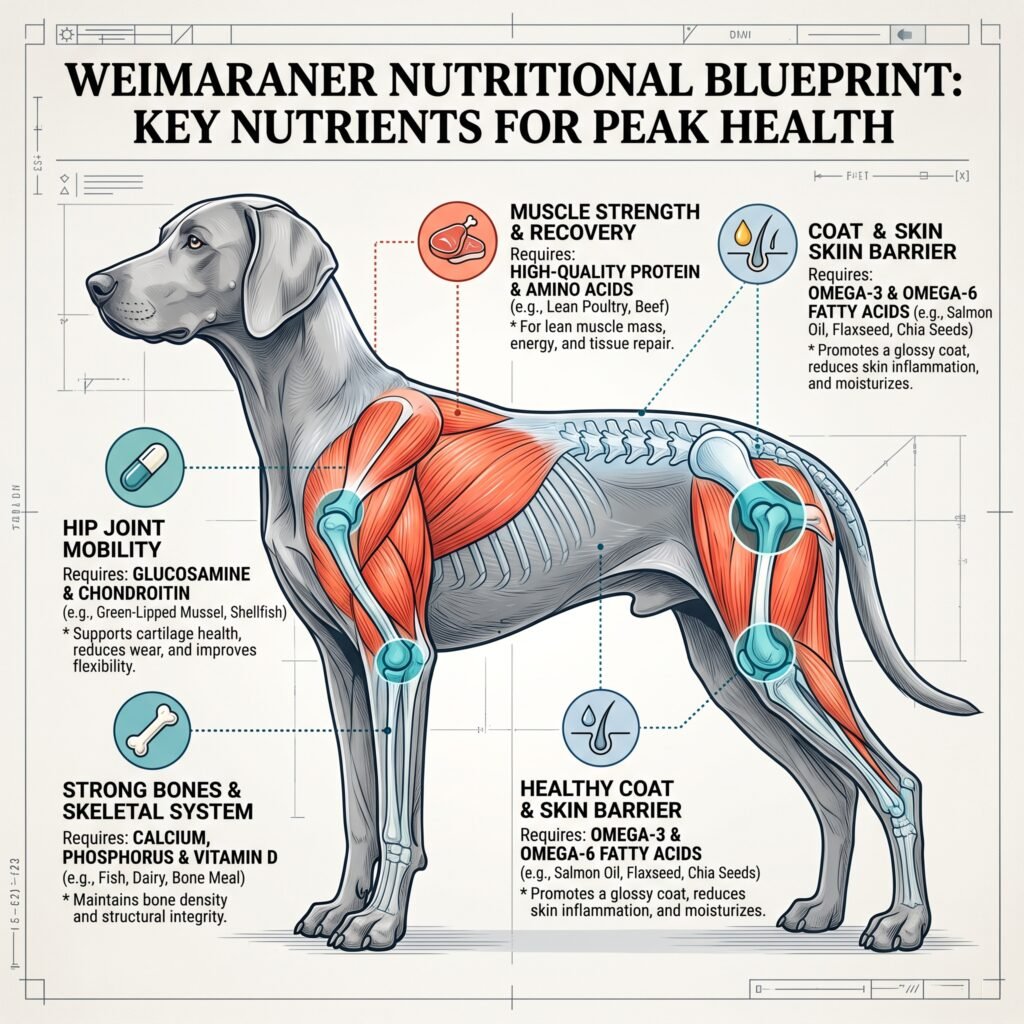
Protein is the single most critical macronutrient in any food for Weimaraners. As a lean, muscular breed with high daily activity requirements, the Weimaraner depends on dietary protein for muscle maintenance and repair, immune function, enzyme production, hormone synthesis, and sustained energy during long exercise sessions.
For active Weimaraners, a minimum of 28–34% crude protein on a dry matter basis is recommended by veterinary nutritionists. The quality of that protein matters as much as the quantity — named animal protein sources (chicken, beef, salmon, turkey, lamb) provide a complete amino acid profile that plant-based protein alternatives cannot match alone.
Weimaraners have lean, muscular bodies that need a strong protein source to support muscle growth, repair, and endurance. Look for dog food with real meat as the first ingredient. This is the baseline standard for any acceptable Weimaraner food.
Fat: Energy and Coat Health
Dietary fat serves two essential functions in food for Weimaraners: providing the concentrated caloric energy a highly active breed requires, and supplying the fatty acids needed for the breed’s characteristically sleek coat. The Weimaraner’s short, dense coat requires adequate omega-3 and omega-6 fatty acids to maintain its healthy sheen and skin integrity.
Target fat content of 15–18% on a dry matter basis for active adult Weimaraners. Working or sporting Weimaraners in heavy training may require the higher end of this range. Sedentary or less active dogs should be kept toward the lower end to prevent weight gain — a concern for this lean breed not because obesity is common, but because even modest excess weight adds meaningful joint stress to a dog already prone to hip dysplasia.
Carbohydrates: Energy Stability
Carbohydrates in Weimaraner food serve as a rapidly accessible energy source and a vehicle for dietary fiber. However, not all carbohydrates serve this breed equally well. Some Weimaraners show sensitivity to grains like corn, wheat, and barley, which might cause allergies or upset stomachs. Better carbohydrate sources include brown rice, oatmeal, sweet potato, and barley in grain-inclusive formulas — all of which provide stable energy release without the inflammatory potential of lower-quality grain fractions.
Vitamins and Minerals
Essential vitamins such as A, C, and E, along with minerals including calcium and phosphorus, help support immune function and keep bones strong. The calcium-to-phosphorus ratio is particularly important in food for Weimaraner puppies during skeletal development, and the balance remains relevant throughout adulthood for bone density maintenance.
Best Protein Sources in Weimaraner Food
Named animal proteins are the gold standard for food for Weimaraners. Here is how the most common options compare.
Chicken
Skinless chicken breast is the most widely used protein in large-breed dog foods and a reliable, highly digestible option for most Weimaraners. Chicken-based Weimaraner food is appropriate for dogs without chicken sensitivity and provides an excellent amino acid profile with moderate fat content.
Beef
Beef-based food for Weimaraners tends to be higher in fat than poultry but provides a rich source of iron, zinc, and B vitamins alongside a strong protein profile. Weimaraners with skin sensitivity to chicken sometimes do better on beef formulas.
Salmon and Fish
Fish-based protein provides two benefits in Weimaraner food: high-quality complete protein and naturally occurring omega-3 fatty acids (EPA and DHA) that support joint health, coat quality, and cognitive function. Salmon formulas are an excellent primary or rotation protein for Weimaraners.
Turkey
Turkey is a lean, easily digestible protein source that is lower in common allergens than chicken in some dogs. Turkey-based food for Weimaraners is a good choice for dogs showing mild sensitivity to standard chicken formulas.
Lamb
Lamb tends to be higher in fat than poultry proteins, making it less suitable as the primary protein for less active Weimaraners but excellent for high-performance sporting dogs requiring extra caloric density. Lean, muscular bodies that need strong protein support muscle and joint health — lamb delivers well in this department for active dogs.
What to Avoid
Unnamed protein sources (“meat meal,” “animal digest,” “poultry by-product” without species specification) should be avoided in favor of fully named proteins. Transparency in sourcing matters for long-term dietary consistency in your Weimaraner’s food plan.
Fats, Carbohydrates, and Fiber in Weimaraner Food
Quality Fat Sources
The best fat sources in Weimaraner food are chicken fat, fish oil, and flaxseed oil. Chicken fat provides excellent palatability and a good fatty acid profile. Fish oil and flaxseed oil are the primary sources of anti-inflammatory omega-3 fatty acids — critical for a breed prone to joint conditions. Look for food for Weimaraners that specifically lists fish oil or salmon oil as an ingredient rather than relying solely on generic “animal fat.”
Carbohydrate Quality in Weimaraner Food
The best carbohydrate sources in Weimaraner food include brown rice, white rice, oatmeal, sweet potato, and peas in moderation. Corn and wheat — while not toxic — are lower-quality carbohydrates that provide less nutritional value per calorie and are more commonly associated with sensitivities in this breed.
A note on grain-free diets: The FDA has investigated a potential link between grain-free diets high in legumes (peas, lentils, chickpeas) and dilated cardiomyopathy (DCM) in dogs. Research is ongoing as of 2026. Most veterinary cardiologists and nutritionists continue to recommend grain-inclusive food for Weimaraners unless a specific grain allergy or sensitivity has been confirmed by veterinary testing. If grain-free is being considered for your Weimaraner, discuss the current evidence with your veterinarian before committing.
Fiber in Weimaraner Food
Dietary fiber plays a supporting role in food for Weimaraners by promoting healthy GI motility, supporting beneficial gut bacteria, and helping maintain consistent stool quality. Weimaraners can have sensitive digestive systems — beet pulp, pumpkin, and psyllium are among the gentlest and most effective fiber sources to look for in this breed’s food. Avoid Weimaraner food formulas with very high legume content as the primary fiber source, both for the DCM concern and because high fermentable fiber intake can cause gas and digestive discomfort in this bloat-prone breed.
Joint Health Nutrients: Non-Negotiables in Food for Weimaraners
Weimaraners are prone to skeletal issues such as hip dysplasia and elbow dysplasia. This predisposition makes joint-supporting nutrients non-negotiable elements of a complete food for Weimaraners plan.
Glucosamine and Chondroitin
Glucosamine and chondroitin are the two most clinically supported joint health nutrients for dogs. Glucosamine supports cartilage synthesis and repair; chondroitin inhibits cartilage-destroying enzymes and retains water within joint tissue. Together, they are the foundation of joint protection in Weimaraner food.
Active Weimaraners should receive at minimum 300–500 mg of glucosamine per day from food and/or supplementation. The best large-breed food for Weimaraners includes glucosamine and chondroitin at meaningful concentrations — not token “trace” amounts — in the guaranteed analysis.
Omega-3 Fatty Acids (EPA and DHA)
EPA and DHA from fish oil have clinical evidence for cartilage health — they are not marketing extras. These omega-3 fatty acids reduce joint inflammation, support synovial fluid quality, and help slow the progression of osteoarthritis. For a breed predisposed to hip and elbow issues, omega-3 fatty acids in Weimaraner food are arguably as important as glucosamine and chondroitin.
Maintaining Ideal Body Weight
The most underrated joint health intervention for Weimaraners is maintaining lean body condition. Every extra kilogram of body weight adds approximately four kilograms of force on major joints during movement. Choosing appropriate caloric density in food for Weimaraners and feeding precise portions rather than by eye are as important as any specific ingredient for joint longevity.

Best Dog Food Brands for Weimaraners in 2026
Based on nutritional standards, ingredient quality, and veterinary recommendations, here are the top food for Weimaraner options available in 2026.
Purina Pro Plan Large Breed Adult
Consistently the most recommended Weimaraner food by veterinarians and veterinary nutritionists. Purina Pro Plan is backed by more internal feeding trial data than virtually any other brand, uses real chicken or salmon as the first ingredient, and provides glucosamine and omega-3 fatty acids in meaningful quantities. The Large Breed Adult formula is specifically calibrated for the caloric needs and joint health requirements of dogs in the Weimaraner’s size category. It is grain-inclusive, avoiding the DCM concerns associated with legume-heavy grain-free formulas.
Hill’s Science Diet Large Breed Adult
Another top veterinary recommendation for food for Weimaraners. Hill’s Science Diet Large Breed Adult uses high-quality protein, controlled fat, precise mineral ratios, and omega-6 fatty acids for coat health. Hill’s has a long history of clinical nutrition research and rigorous quality control — the same qualities that make its prescription lines trusted in veterinary practices translate into consistent quality in the OTC adult formulas.
Royal Canin Maxi Adult
Royal Canin’s breed-size-specific formulation approach produces Weimaraner food that is precisely calibrated for the digestive, caloric, and joint needs of large adult dogs. The Maxi Adult formula uses highly digestible proteins, tailored fiber content for GI health, and an omega fatty acid blend for coat support. Royal Canin is among the most recommended brands for Weimaraners by European veterinarians, where the breed originates and remains especially popular.
Nutro Ultra Large Breed Adult
Among OTC options, Nutro Ultra Large Breed Adult earns consistent praise as a quality food for Weimaraners at a competitive price point. Chicken is the first ingredient, the formula contains no artificial flavors, colors, or preservatives, and the kibble size is appropriate for large breeds. Owners of Weimaraners report excellent coat condition and sustained energy on this formula.
Ollie Fresh Dog Food
For owners who prefer a fresh-food subscription approach to Weimaraner food, Ollie offers vet-formulated recipes made with minimally processed ingredients in four protein varieties — chicken, turkey, beef, and lamb. Ollie’s formulas meet and exceed AAFCO nutritional standards for all life stages. The fresh-food format provides superior digestibility and moisture content compared to dry kibble. These recipes include superfood ingredients like blueberries, spinach, kale, and cranberries, adding antioxidants to support immune health and free radical protection. The primary downside is cost — fresh-food subscriptions are significantly more expensive than dry kibble.
Diamond Naturals Beef Meal & Rice Formula
For owners seeking a budget-friendly but nutritionally sound food for Weimaraners, Diamond Naturals Beef Meal & Rice offers beef-derived protein, fruits and vegetables for vitamins and fiber, and superfoods like kale and coconut. It is grain-inclusive, contains no artificial flavors, colors, or preservatives, and is made in the USA. This formula represents excellent value for the quality delivered and is a realistic long-term option for cost-conscious Weimaraner owners.
Food for Weimaraner Puppies: Special Considerations
Food for Weimaraner puppies requires a fundamentally different approach than adult feeding. Getting puppy nutrition wrong — particularly in a large breed — has lasting consequences.
Large Breed Puppy Formula Is Mandatory
Large breed puppies need controlled calcium and phosphorus — not just “more nutrition.” Excess calcium in large-breed puppies accelerates bone growth faster than cartilage development can keep up with, dramatically increasing the risk of developmental orthopedic diseases including osteochondrosis, hip dysplasia, and panostetis (a painful inflammatory bone condition particularly common in Weimaraners).
Always use a formula specifically labeled “large breed puppy” for your Weimaraner from weaning until approximately 18 months of age. General puppy foods — even high-quality ones — typically have calcium levels too high for safe large-breed puppy development.
Puppy Feeding Schedule for Weimaraners
At approximately 8 weeks, feed three to four times daily, offering between half to three-quarters of a cup of premium large-breed puppy food per meal. Avoid feeding immediately following energetic playtime; keep puppies calm after meals to enhance digestion and reduce bloat risk. As your puppy nears one year, gradually reduce meals to two per day.
Protein for Weimaraner Puppies
Puppy formulas for Weimaraners should provide 25–30% crude protein from named animal sources. This supports the rapid muscle development the breed undergoes in its first 18 months while staying within safe ranges that don’t accelerate bone growth abnormally.
Transitioning Puppy Food
When transitioning your Weimaraner’s diet, introduce the new food gradually by mixing it in increasing amounts with the old diet over about a week to prevent digestive upset. Additionally, incorporating gentle digestive aids like small servings of cooked pumpkin may help soothe the stomach during this change.
Food for Adult Weimaraners: Maintenance Feeding
The adult Weimaraner — generally from 18 months to approximately 7 years — has different food for Weimaraner requirements depending primarily on activity level.
Active and Working Weimaraners
A working or sport Weimaraner needs more calories and fat than a companion dog. For Weimaraners in active hunting, agility training, or field work, a performance-oriented formula with 28–34% protein and 16–20% fat provides the caloric density and amino acid supply needed to sustain high output without the dog losing muscle or body condition.
Companion and Moderately Active Weimaraners
Most family Weimaraners fall into a moderate activity category — daily walks, regular play, perhaps occasional hiking or running. Standard large-breed adult food for Weimaraners at 25–28% protein and 14–16% fat on a dry matter basis is appropriate for this activity level.
Sedentary or Low-Activity Adults
A calm indoor Weimaraner needs fewer calories but still good protein. For dogs with reduced activity due to age, injury, or lifestyle, controlled-calorie large-breed formulas help maintain lean body condition without excess caloric intake. Never sacrifice protein quality to reduce calories — choose a lower-calorie-density formula rather than a lower-protein one.
Food for Senior Weimaraners: Adjusting With Age
As Weimaraners enter their senior years — typically around age 7–8 — their food for Weimaraner requirements shift in important ways.
Reduced Calories, Maintained Protein
Senior dogs may benefit from diets lower in calories but the protein requirement remains equal or increases as older dogs become less efficient at processing dietary protein for muscle maintenance. Choose a senior large-breed formula or discuss with your veterinarian whether continuing a standard adult formula with reduced portion size is more appropriate for your individual dog.
Elevated Joint Support
As osteoarthritis progression accelerates with age, the glucosamine, chondroitin, and omega-3 content of Weimaraner food becomes even more important. Many senior formulas increase these nutrients above adult maintenance levels. If your senior Weimaraner’s standard food does not provide adequate joint support, a fish oil supplement and glucosamine supplement under veterinary guidance is a common and effective adjunct.
Digestive Support
Older Weimaraners may have reduced digestive efficiency. Senior food for Weimaraners should prioritize high digestibility — premium named protein sources, quality carbohydrates, and prebiotic fiber to support healthy gut microbiome function.
How Much Food Should a Weimaraner Eat? Portion Guide
Portion control is a critical but frequently overlooked component of correct food for Weimaraners management.
General Daily Portion Estimates
These estimates are for a moderately active adult Weimaraner on a standard-calorie dry kibble (approximately 370 kcal/cup). Always verify against your specific food’s caloric content.
| Weimaraner Weight | Daily Food Amount | Meals Per Day |
|---|---|---|
| 50 lbs (22.7 kg) | 2.5 – 3 cups | 2 |
| 60 lbs (27 kg) | 3 – 3.5 cups | 2 |
| 70 lbs (31.7 kg) | 3.5 – 4 cups | 2 |
| 80 lbs (36 kg) | 4 – 4.5 cups | 2–3 |
| 90 lbs (40.8 kg) | 4.5 – 5 cups | 2–3 |
Adjust upward by 15–25% for highly active or working Weimaraners. Adjust downward by 10–20% for sedentary, spayed/neutered, or senior dogs.
Using Body Condition Score
No portion chart replaces regular body condition assessment. At ideal weight, a Weimaraner’s ribs should be easily felt with light pressure without being prominently visible. A visible waist from above and a slight abdominal tuck from the side indicate appropriate body condition. Adjust portions by 10% up or down based on monthly body condition checks.
Bloat in Weimaraners: How Food and Feeding Strategy Prevent It
Bloat (gastric dilatation-volvulus or GDV) is the single greatest diet-related health risk for Weimaraners. It is a life-threatening emergency in which the stomach fills with gas and may rotate on its axis, cutting off blood supply. Deep-chested large breeds like the Weimaraner are among the highest-risk dogs for this condition.
Dietary and feeding strategies to reduce bloat risk:
Feed two or three smaller meals daily rather than one large meal. Refrain from feeding before or after intense physical activity to lower bloat risk. Allow at least one hour before and after meals before vigorous exercise.
Use a slow-feed bowl. Weimaraners that eat rapidly swallow significant air alongside food. Slow-feed bowls force a more measured pace, reducing the gas load entering the stomach.
Avoid highly fermentable ingredients. Large amounts of peas, lentils, and other legumes in Weimaraner food increase intestinal gas production, adding to bloat risk. This is an additional reason why legume-heavy grain-free formulas warrant caution in this breed.
Use appropriate kibble size. Kibble pieces sized for large breeds encourage chewing rather than gulping. Smaller kibble sizes designed for small breeds are swallowed whole by Weimaraners, increasing the air ingestion associated with bloat risk.
Elevated feeding bowls — the evidence on this is mixed. Some studies suggest elevated bowls may actually increase bloat risk in some dogs. Discuss with your veterinarian before using an elevated feeder for your Weimaraner.
Weimaraner Food Allergies and Sensitivities
Weimaraners, like many breeds, can develop food allergies or sensitivities. Symptoms can include itching, digestive issues, and ear infections. Understanding how food sensitivities affect Weimaraner food selection is important for long-term health management.
Common Allergens in Weimaraner Food
The most frequently reported food allergens in dogs include chicken, beef, dairy, wheat, egg, and soy. For Weimaraners specifically, skin and coat issues combined with chronic digestive upset often point to a food sensitivity rather than environmental allergy.
Diagnosing Food Allergies
The gold standard for diagnosing a food allergy in your Weimaraner is a veterinary-supervised hydrolyzed protein or novel protein elimination diet for 8–12 weeks. Blood tests for food allergies in dogs have poor diagnostic accuracy and are not a reliable alternative to a proper elimination diet.
Limited Ingredient Weimaraner Food
An elimination diet can help identify specific allergens. Hypoallergenic diets or limited ingredient formulas may be beneficial for Weimaraners with confirmed or suspected sensitivities. Look for food for Weimaraners that uses a single, novel protein your dog has never been exposed to (venison, rabbit, duck, kangaroo) alongside a simple carbohydrate base like sweet potato or tapioca.
Homemade Food for Weimaraners: Vet-Approved Recipes
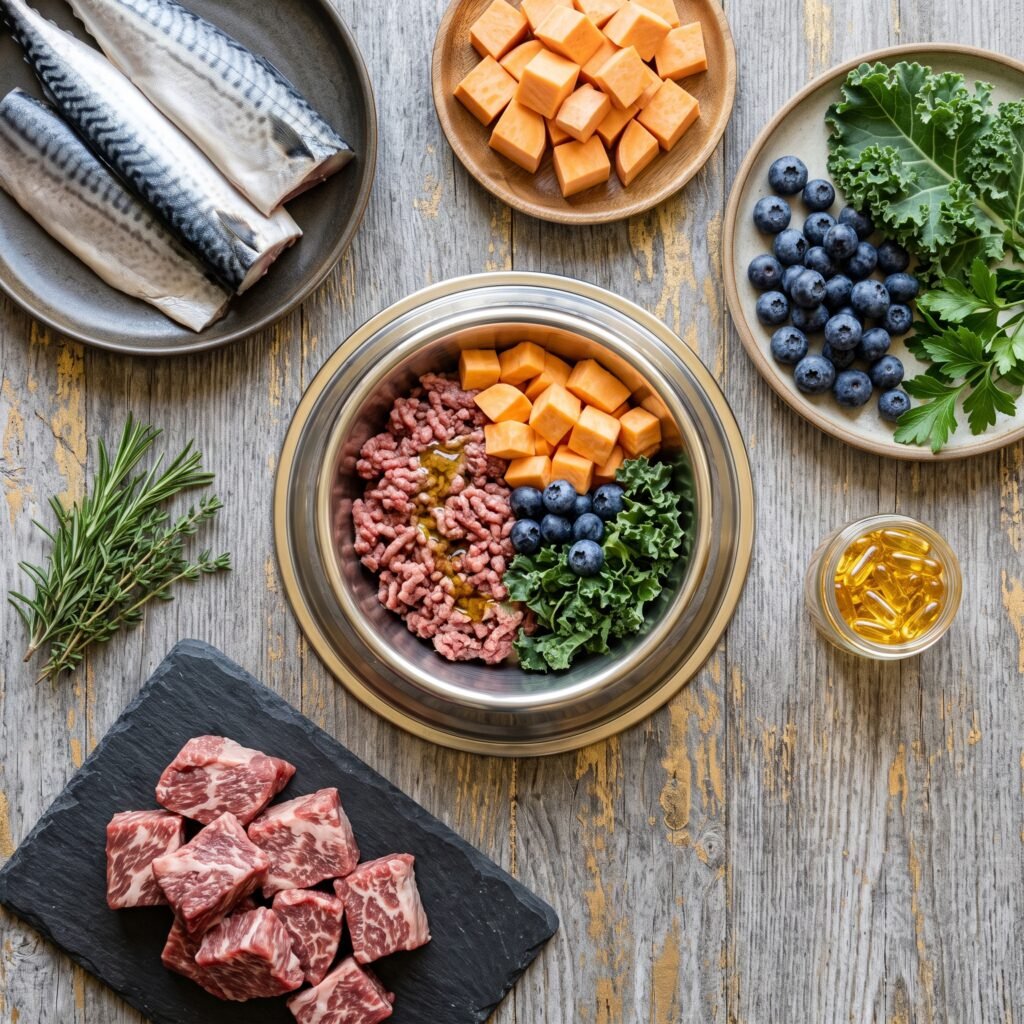
Some Weimaraner owners prefer full control over their dog’s diet through homemade food for Weimaraners. The following recipes are nutritionally oriented starting points — always consult a veterinary nutritionist before transitioning to a fully homemade diet to ensure complete and balanced nutrition.
Disclaimer: These recipes are illustrative and should be supplemented with appropriate vitamins and minerals under veterinary guidance.
Recipe 1: High-Protein Chicken and Brown Rice Weimaraner Food
Ingredients (approximately 3–4 days for a 70 lb Weimaraner):
- 600g boneless, skinless chicken breast or thighs (baked or boiled, no seasoning)
- 400g cooked brown rice
- 150g steamed sweet potato (peeled)
- 100g steamed green beans
- 2 tablespoons fish oil (omega-3 support for joints and coat)
- Veterinary-prescribed mineral/vitamin supplement for large breeds
Method:
- Bake or boil chicken until fully cooked, no seasoning whatsoever. Cool and shred into bite-sized pieces.
- Cook brown rice in plain water.
- Steam sweet potato and green beans until soft.
- Combine all ingredients in a large bowl. Add fish oil and mix in the prescribed supplement.
- Cool completely before serving. Refrigerate up to 4 days, or freeze individual portions.
Why this works for Weimaraners: Chicken provides lean, highly digestible protein for muscle support. Brown rice delivers complex carbohydrate energy appropriate for an active breed. Sweet potato adds vitamins A and C alongside gentle fiber. Fish oil directly addresses the omega-3 needs for joint health and coat quality that are critical in this breed.
Recipe 2: Salmon and Oat Energy Bowl
Ingredients:
- 500g salmon fillet (baked, skin removed, all bones removed)
- 300g cooked rolled oats (plain, no additives)
- 150g boiled pumpkin (plain, not canned pie filling)
- 100g steamed carrots
- 1 tablespoon flaxseed oil
- Large-breed vitamin/mineral supplement
Method:
- Bake salmon at 180°C (350°F) until fully cooked through. Remove skin and all bones meticulously. Flake into small pieces.
- Cook rolled oats in water until soft.
- Boil or steam pumpkin and carrots until tender.
- Combine, add flaxseed oil and supplement per vet guidance.
- Cool fully before serving.
Why this works for Weimaraners: Salmon provides exceptionally high omega-3 content alongside complete protein — one of the best single-ingredient choices for a Weimaraner’s joint and coat health. Oats offer easily digestible energy with beta-glucan fiber supporting gut health. Pumpkin supports GI motility, which is valuable in a bloat-susceptible breed.
Foods Weimaraners Should Never Eat
No guide to food for Weimaraners is complete without a clear list of dangerous foods to keep away from this breed entirely.
Chocolate — Theobromine in all forms of chocolate is toxic to dogs and causes cardiovascular and neurological symptoms. Dark chocolate and baking chocolate are especially dangerous.
Grapes and raisins — Even small amounts can cause acute kidney failure in dogs. The exact toxic compound remains unidentified, making no dose “safe.”
Onions, garlic, leeks, and chives — Thiosulfates in these vegetables destroy red blood cells, causing hemolytic anemia. This includes powdered forms in processed human food, which are more concentrated than fresh.
Xylitol — This artificial sweetener found in sugar-free products, certain nut butters, and some baked goods causes a rapid, dangerous drop in blood sugar and can cause liver failure in dogs.
Macadamia nuts — Cause weakness, tremors, vomiting, and hyperthermia in dogs. Mechanism unknown, but toxicity is well established.
Alcohol — Any amount causes central nervous system depression, vomiting, and in larger amounts, respiratory failure.
Cooked bones — Splinter into sharp fragments that can perforate the esophagus, stomach, or intestines. Never give a Weimaraner cooked bones, regardless of size.
Avocado — Contains persin, which causes vomiting and diarrhea in dogs.
Always provide abundant fresh water alongside Weimaraner food and ensure your dog has continuous access to clean hydration, especially after exercise.
Frequently Asked Questions
What is the best food for a Weimaraner?
The best food for Weimaraners in 2026 depends on life stage and activity level, but Purina Pro Plan Large Breed Adult, Hill’s Science Diet Large Breed Adult, and Royal Canin Maxi Adult are the three most consistently veterinarian-recommended formulas. For fresh food, Ollie is the top-rated subscription option. All prioritize named meat protein, joint-supporting glucosamine, and omega-3 fatty acids.
How much should I feed my Weimaraner?
A moderately active adult Weimaraner between 60–80 lbs typically needs 3 to 4.5 cups of standard dry Weimaraner food per day, divided across two meals. Always verify against your specific food’s caloric content and adjust based on monthly body condition assessment. Consult your veterinarian for a precise recommendation.
Should I feed my Weimaraner grain-free food?
Most veterinary nutritionists recommend grain-inclusive food for Weimaraners unless a specific grain allergy has been diagnosed. The FDA’s ongoing investigation into potential links between legume-heavy grain-free diets and DCM is an additional reason for caution, particularly in large breeds like Weimaraners. Discuss grain-free options with your vet if grain sensitivity is suspected.
How do I prevent bloat in my Weimaraner through diet?
Feed two or three small meals daily rather than one large one. Use a slow-feed bowl to reduce air ingestion. Avoid exercise for at least one hour before and after meals. Choose Weimaraner food with appropriate large-breed kibble size. Avoid formulas with very high legume content. These strategies collectively reduce the bloat risk inherent in this deep-chested breed.
When should I transition my Weimaraner puppy to adult food?
Weimaraners are a large breed and should remain on large-breed puppy food for Weimaraners until approximately 18 months of age — longer than small or medium breeds, because their skeletal development takes longer to complete. Transitioning too early to adult food risks insufficient support for final bone and muscle development.
Can Weimaraners eat raw food?
Raw food diets have become popular among some Weimaraner owners, particularly for managing food sensitivities, with supporters noting improvements in skin and coat quality. However, raw feeding requires meticulous planning to ensure complete and balanced nutrition and carries hygiene risks without rigorous food handling protocols. Freeze-dried raw products are a convenient alternative offering similar benefits with lower bacterial contamination risk. Always discuss raw or freeze-dried feeding with your veterinarian before transitioning.
Conclusion: Getting Food Right for Your Weimaraner
The Weimaraner is an exceptional breed — athletic, intelligent, deeply loyal, and built for performance. Getting food for Weimaraners right is not a trivial detail. It is the foundation of everything from joint health and coat quality to sustained energy, GI comfort, and longevity.
The core principles are consistent across all sources of veterinary guidance in 2026: prioritize named animal protein at 28%+ for active dogs, include omega-3 fatty acids and glucosamine as non-negotiable joint nutrients, feed two to three meals daily to reduce bloat risk, use large-breed formulas at every life stage, and choose grain-inclusive Weimaraner food unless specific sensitivity testing indicates otherwise.
Whether you choose a vet-recommended commercial formula like Purina Pro Plan or Hill’s Science Diet, invest in a fresh-food subscription like Ollie, or prepare carefully balanced homemade food for Weimaraners under veterinary nutritionist guidance — the investment you make in quality nutrition today determines the health and vitality of your Silver Ghost for years to come.
Last updated: June 2026. Always consult a licensed veterinarian or board-certified veterinary nutritionist for personalized dietary recommendations for your Weimaraner.