
Merrick Dog Food Review: Is It Really Worth Feeding Your Dog in 2026?
If you've spent any time scrolling through pet food forums or standing in the dog food aisle scratching your head, you've probably come across the brand Merrick more than once.
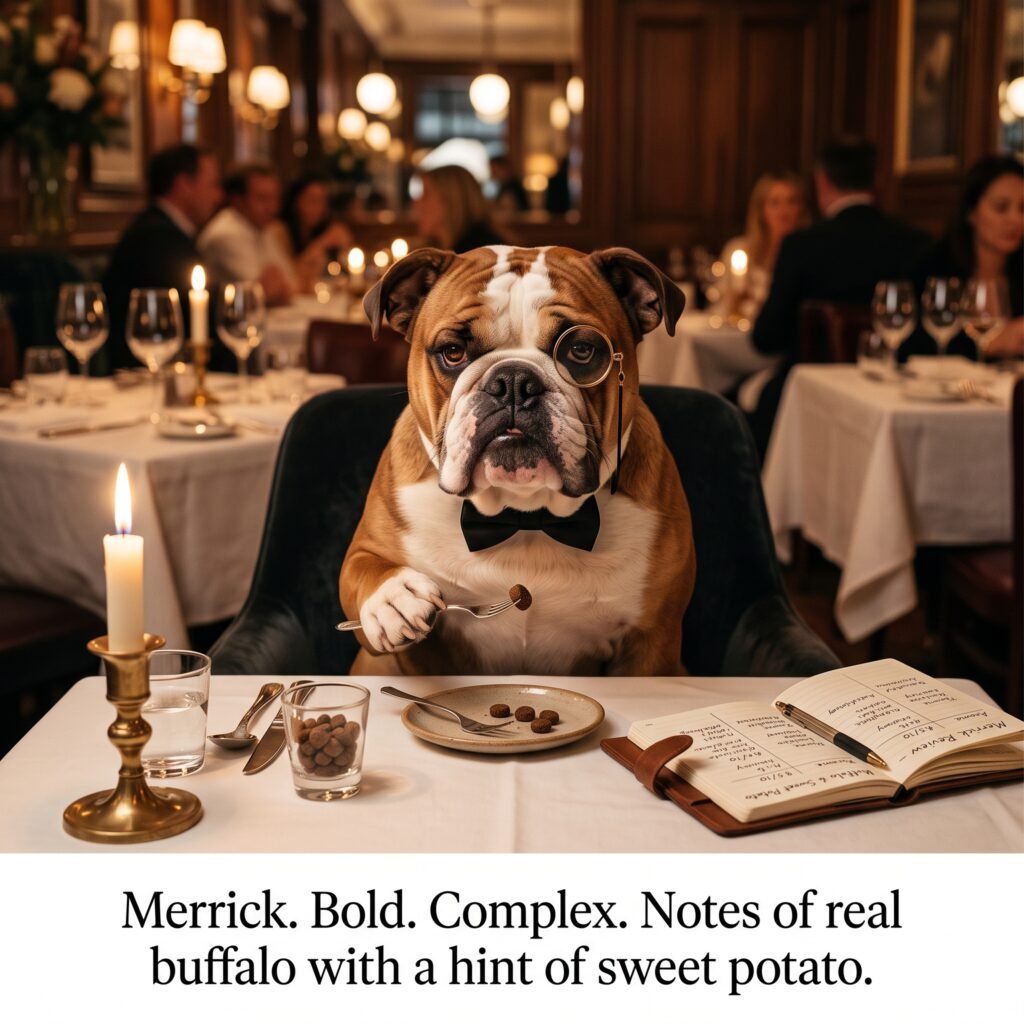
It’s one of those names that keeps popping up in conversations about premium, grain-friendly, and grain-free nutrition for dogs. But does it actually live up to the hype, or is it just clever marketing wrapped around an average product?
This Merrick dog food review breaks down everything you need to know before you spend your hard-earned money on a bag — the ingredients, the manufacturing standards, the different product lines, the pros and cons, and what real dog owners and veterinary nutritionists have to say about it. Whether you’re here because your vet mentioned the brand, a friend recommended it, or you simply typed “review of Merrick dog food” into Google at 11 p.m. while your dog stared at an empty bowl, you’re in the right place.
By the end of this article, you’ll have a clear, honest answer to whether Merrick deserves a spot in your pantry.
Table of Contents
- What Is Merrick Dog Food?
- Company Background and Manufacturing Standards
- Merrick Dog Food Product Lines Explained
- Ingredient Quality: What’s Really Inside the Bag
- Nutritional Value and AAFCO Compliance
- Merrick Dog Food Recalls: What You Should Know
- Pros and Cons of Merrick Dog Food
- Merrick vs. Other Premium Brands
- Who Should (and Shouldn’t) Feed Merrick
- How to Transition Your Dog to Merrick
- Price and Value for Money
- Real Customer Experiences and Reviews
- Frequently Asked Questions
- Final Verdict
What Is Merrick Dog Food?
Merrick is a pet food company that started in Amarillo, Texas, back in 1988, originally as a small pet bakery before expanding into full dog and cat food production. The brand built its reputation on using real, whole-food ingredients — think deboned meat, fruits, and vegetables — rather than relying heavily on fillers or by-products.
Today, Merrick is one of the more recognizable names in the “premium” and “natural” pet food category, competing directly with brands like Blue Buffalo, Wellness, Orijen, and Taste of the Wild. If you’re researching a review of Merrick dog food because you’re comparing it against these competitors, that’s a smart move — we’ll get into that comparison later in this article.
What sets Merrick apart, at least on paper, is its commitment to:
- Using deboned meat as the first ingredient in most recipes
- Cooking food in small batches at its own kitchens
- Offering a wide variety of formulas for different life stages, breed sizes, and dietary sensitivities
- Avoiding artificial colors, flavors, and preservatives
Of course, marketing claims are one thing. What actually goes into the bag is another. Let’s dig deeper.
Company Background and Manufacturing Standards
Understanding who makes your dog’s food — and how — is a critical part of any honest reviews of Merrick dog food. In 2015, Merrick was acquired by Purina (Nestlé Purina PetCare), one of the largest pet food conglomerates in the world. This ownership change raised eyebrows among some loyal customers who worried the brand would lose its “boutique” feel and quality standards.
To Merrick’s credit, the brand has largely maintained its own manufacturing facilities and formulation philosophy, separate from mainstream Purina products. Merrick still operates its own kitchens in Hereford, Texas, where it sources meat locally and controls much of its supply chain — a point the company frequently highlights in its marketing.
That said, being under the Purina umbrella does mean:
- Access to larger-scale quality control and testing resources
- More consistent recall response and transparency reporting
- Broader retail distribution, which is convenient for buyers but sometimes seen as a shift away from a “small brand” identity
If you’re the type of pet owner who prioritizes independently owned companies, this is worth factoring into your decision. If you care more about consistent quality assurance backed by a major corporation’s resources, this acquisition might actually work in your favor.
Merrick Dog Food Product Lines Explained
One of the most common points of confusion when researching a Merrick dog food review is the sheer number of product lines. Here’s a breakdown to simplify things.
Merrick Classic
This is the brand’s grain-inclusive line, formulated with whole grains like brown rice and oatmeal alongside deboned meat. It’s a solid option for dogs who don’t have grain sensitivities and often comes at a slightly lower price point than the grain-free lines.
Merrick Grain Free
Arguably the brand’s flagship line, this formula swaps grains for ingredients like sweet potatoes and peas. It’s protein-rich and marketed toward owners looking for a “biologically appropriate” diet. Note that grain-free diets have come under FDA scrutiny in recent years regarding a potential link to canine dilated cardiomyopathy (DCM), which we’ll discuss in more detail later.
Merrick Limited Ingredient Diet (LID)
Designed for dogs with food sensitivities or allergies, this line uses a shorter ingredient list built around a single animal protein source. It’s a popular choice among owners dealing with itchy skin, digestive upset, or diagnosed food allergies.
Merrick Backcountry
This line leans into a “raw-inspired” concept, featuring freeze-dried raw pieces mixed into kibble. It’s positioned as a premium, high-protein option for owners wanting to mimic a more ancestral diet without fully committing to raw feeding.
Merrick Puppy Plus and Senior Formulas
Life-stage specific formulas are also available, adjusting calorie density, calcium-phosphorus ratios, and joint-support nutrients for growing puppies or aging dogs.
Merrick Grain Free Wet Food and Toppers
Beyond kibble, Merrick offers canned food and food toppers designed to boost palatability or provide variety for picky eaters.
Internal linking suggestion: if this article lives on a pet nutrition blog, this section pairs well with an internal link to a broader “best grain-free dog food” comparison guide or a “how to choose dog food by life stage” article.
Ingredient Quality: What’s Really Inside the Bag
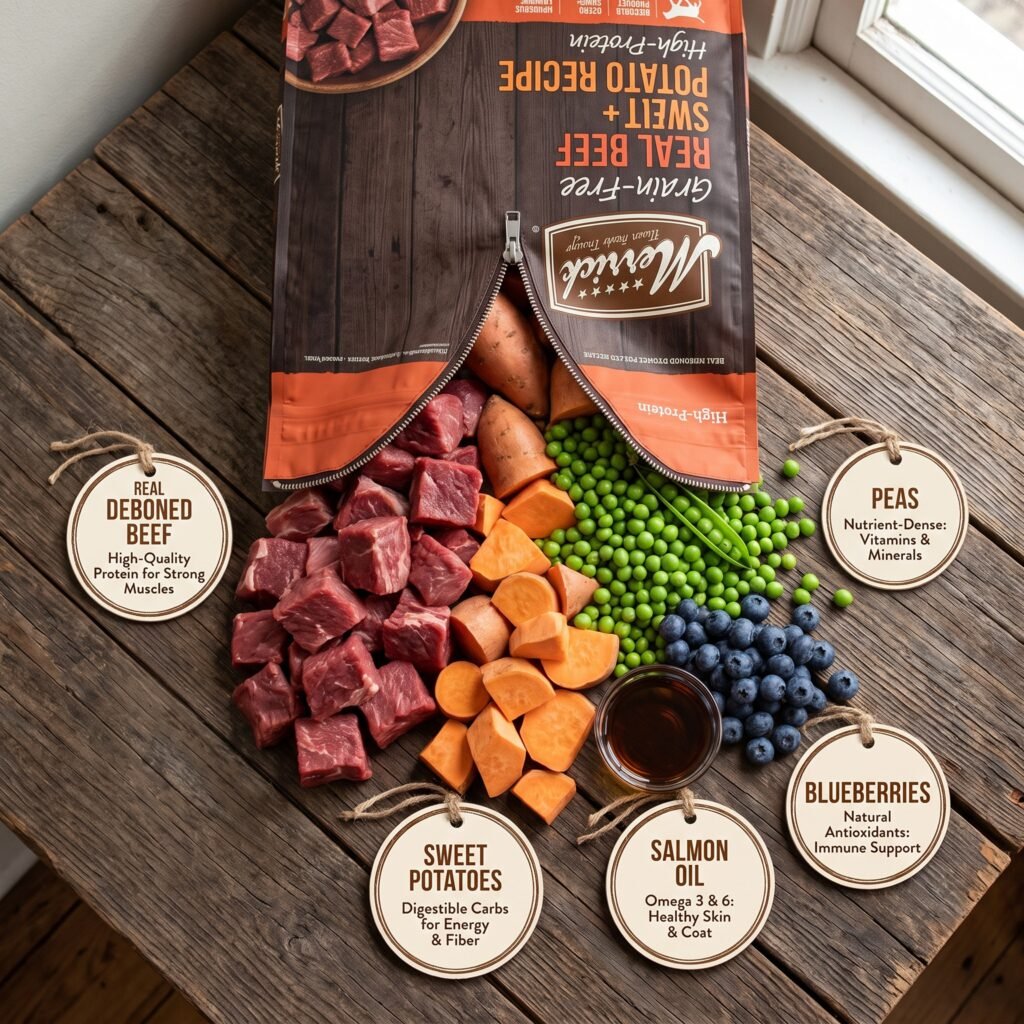
This is the heart of any honest review of Merrick dog food. Let’s look at a typical recipe — Merrick Grain Free Real Texas Beef + Sweet Potato Recipe — as an example of ingredient sourcing.
Typical first five ingredients include:
- Deboned beef
- Beef meal
- Sweet potatoes
- Peas
- Potatoes
Having a named meat (deboned beef) as the first ingredient is a good sign, since it indicates a specific, traceable protein source rather than a vague “meat by-product.” Beef meal, the second ingredient, is actually beneficial despite sounding less appealing — it’s a concentrated protein source with the moisture removed, meaning it contributes more actual protein by weight than fresh deboned meat alone (which is roughly 70% water before cooking).
Other ingredients commonly found across Merrick formulas include:
- Chicken fat (a good source of essential fatty acids)
- Flaxseed (omega-3 and omega-6 fatty acids)
- Salmon oil (supports skin, coat, and joint health)
- Glucosamine and chondroitin (added for joint support, particularly in large-breed formulas)
- Probiotics (for digestive health)
- Fruits and vegetables like blueberries, apples, and carrots (antioxidants and micronutrients)
Merrick also states that its formulas avoid corn, wheat, and soy — three ingredients often flagged as common allergens or low-value fillers in cheaper dog foods.

What About Controversial Ingredients?
No brand is perfect, and a balanced Merrick dog food review has to mention the sticking points:
- Peas and legumes: Heavily used as a protein and carbohydrate source in grain-free formulas, these have been part of the ongoing FDA investigation into DCM.
- Plant-based protein boosting: Some critics argue that using pea protein alongside meat protein can inflate the “crude protein” percentage on the label without necessarily improving amino acid quality.
- Variable sourcing: Like most large-scale manufacturers, exact sourcing locations for individual ingredients aren’t always disclosed batch-by-batch.
None of these points are disqualifying, but they’re worth knowing so you can make an informed decision rather than relying purely on marketing copy.
Nutritional Value and AAFCO Compliance
Every legitimate Merrick dog food review should check nutritional compliance. Merrick formulas are tested to meet or exceed the nutritional levels established by the Association of American Feed Control Officials (AAFCO) for the relevant life stage — whether that’s growth, maintenance, or all life stages.
Typical nutritional profiles across Merrick’s grain-free adult formulas look like this:
- Crude protein: 34–38% minimum
- Crude fat: 15–17% minimum
- Crude fiber: around 3–4% maximum
- Moisture: approximately 10% maximum
These numbers place Merrick comfortably in the “high protein” category compared to many mainstream commercial dog foods, which often sit closer to 22–26% protein. For active or working dogs, this can be a genuine benefit. For older, less active, or overweight dogs, such high protein and calorie density may need to be portioned carefully to avoid unwanted weight gain.
It’s also worth noting that Merrick undergoes feeding trials and formulation testing for several of its lines, which is a stronger validation method than simply calculating nutrients on paper (a method some cheaper brands rely on).
Merrick Dog Food Recalls: What You Should Know
Transparency matters, so no review of Merrick dog food would be complete without addressing recall history. Like virtually every major pet food brand — including Purina, Blue Buffalo, and Hill’s — Merrick has had recalls over the years.
Notable past incidents include a 2010 recall related to excessive vitamin D levels in a treat product, and involvement in broader industry-wide recalls tied to shared third-party ingredient suppliers. As of the most recent public records, Merrick has not had frequent or severe recall issues compared to some competitors, and the company has generally been responsive in communicating recall information to consumers.
If recall history is a major concern for you (and it should be, to some degree, for any pet owner), it’s worth periodically checking the FDA’s pet food recall database directly rather than relying solely on brand websites, since companies aren’t always eager to highlight their own past issues.
Pros and Cons of Merrick Dog Food
Let’s simplify things with a clear breakdown.
Pros
- Real deboned meat as the first ingredient in most formulas
- Wide variety of product lines for different needs (grain-free, limited ingredient, life-stage specific)
- No artificial colors, flavors, or preservatives
- Added probiotics, glucosamine, and omega fatty acids
- Manufactured in company-owned U.S. facilities
- Strong reputation among veterinarians and pet nutrition communities
- Relatively transparent sourcing and formulation information
Cons
- Higher price point than mainstream commercial brands
- Grain-free formulas carry the ongoing (though not conclusively proven) FDA concern regarding DCM
- Some formulas use pea protein, which not all experts consider ideal
- Ownership by Purina may not appeal to buyers seeking fully independent brands
- Higher protein and fat content requires careful portion control for less active dogs
Merrick vs. Other Premium Brands
To put this Merrick dog food review in context, here’s how it stacks up against a few well-known competitors.
Merrick vs. Blue Buffalo
Both brands market themselves as premium, natural pet foods with real meat as the first ingredient. Blue Buffalo has faced more recall controversy historically, while Merrick has a comparatively cleaner track record. Pricing is similar across both brands, though Merrick’s Limited Ingredient Diet line tends to have a slight edge for dogs with allergies.
Merrick vs. Orijen
Orijen positions itself as a biologically appropriate, very high-protein option with a heavier reliance on fresh and raw meat inclusions. It’s typically more expensive than Merrick and uses an even higher percentage of animal-based ingredients. Merrick offers more variety and a gentler price point, making it more accessible for everyday feeding.
Merrick vs. Taste of the Wild
Taste of the Wild is generally priced lower than Merrick while still offering grain-free, protein-rich recipes. However, Merrick tends to include more added functional ingredients like probiotics and joint supplements across its lineup, giving it a slight nutritional edge for dogs with specific health needs.
Internal linking suggestion: consider linking this section to a dedicated “Merrick vs. Blue Buffalo” or “Merrick vs. Orijen” head-to-head comparison article for readers who want a deeper dive.
Who Should (and Shouldn’t) Feed Merrick
Merrick tends to work particularly well for:
- Active or working dogs needing higher protein and fat content
- Dogs with mild food sensitivities (via the Limited Ingredient Diet line)
- Owners wanting variety across life stages without switching brands entirely
- Pet parents prioritizing U.S.-based manufacturing
Merrick might not be the best fit for:
- Dogs prone to obesity, unless portions are carefully measured
- Owners on a tight budget, since Merrick sits in the mid-to-premium price range
- Dogs with diagnosed legume or pea sensitivities
- Pet parents who specifically want to avoid any pea or potato-based formulas due to DCM concerns, who may prefer grain-inclusive lines instead
How to Transition Your Dog to Merrick
Switching dog food abruptly is one of the most common causes of digestive upset. If you’ve decided to try Merrick after reading this review of Merrick dog food, follow a gradual transition over 7–10 days:
- Days 1–3: Mix 25% Merrick with 75% current food
- Days 4–6: Mix 50% Merrick with 50% current food
- Days 7–9: Mix 75% Merrick with 25% current food
- Day 10 onward: Feed 100% Merrick
Watch for signs of intolerance such as loose stools, excessive gas, or itching, and slow the transition down if needed. Dogs with sensitive stomachs may need a longer, more gradual switch.
Price and Value for Money
Merrick typically falls in the mid-to-premium pricing tier. A 22-pound bag of Merrick Grain Free dry food generally costs somewhere between $50 and $70, depending on retailer and formula, which works out to a moderate cost per pound compared to ultra-premium raw or freeze-dried diets, but noticeably more than budget or mid-tier commercial brands.
When evaluating value, consider:
- Calorie density (higher-protein foods often mean smaller recommended portions)
- Frequency of purchase needed based on your dog’s size and activity level
- Added functional ingredients that might otherwise require separate supplements (like joint support or probiotics)
For many owners, the higher upfront cost is offset by smaller daily portions and fewer additional supplements needed.
Real Customer Experiences and Reviews
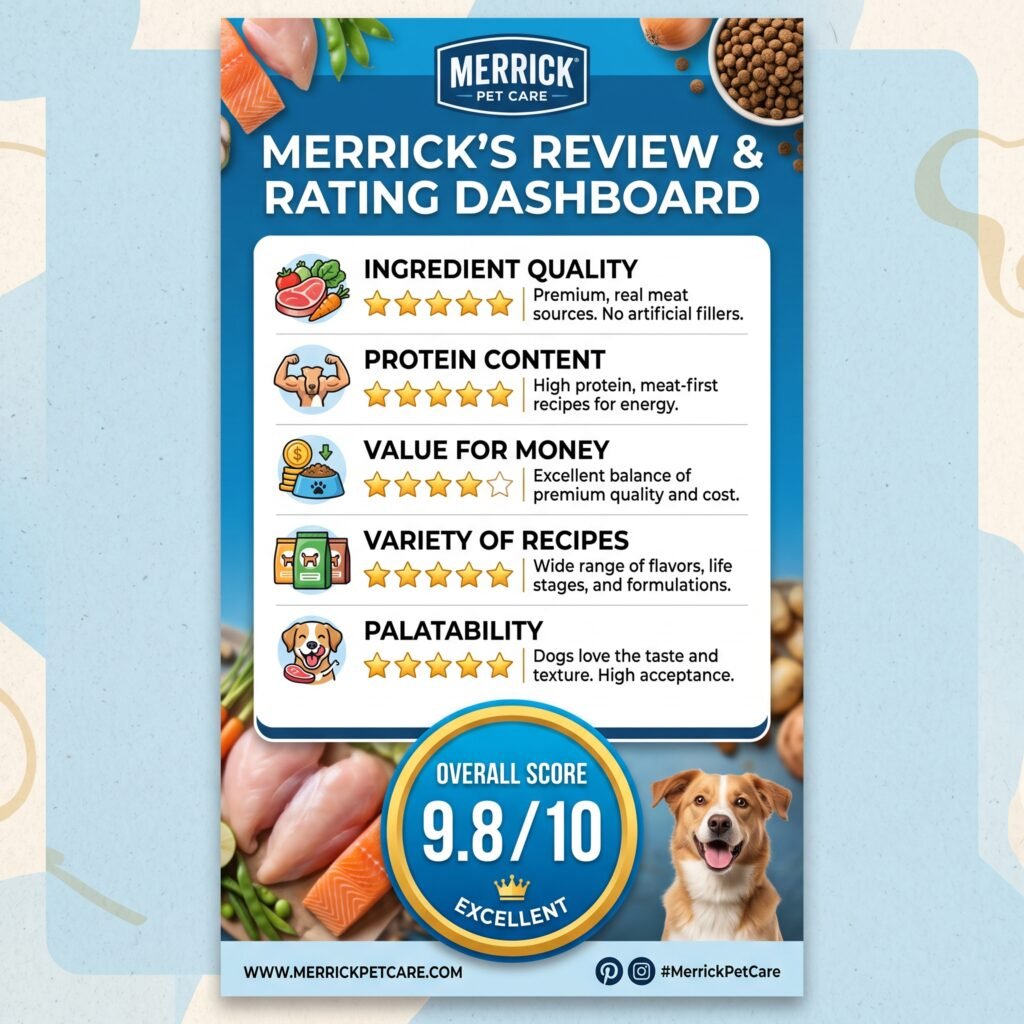
Across major retail platforms and pet forums, reviews of Merrick dog food tend to follow a fairly consistent pattern. Many owners report improved coat shine, more consistent stool quality, and higher energy levels after switching from budget brands. Dogs with previously diagnosed food sensitivities often do particularly well on the Limited Ingredient Diet formulas.
On the other hand, a smaller portion of reviews mention picky eaters rejecting certain flavors, occasional packaging or bag-sealing complaints, and a handful of reports involving digestive upset during the transition period — most of which appear tied to switching too quickly rather than the food itself.
As with any dog food, individual results vary significantly based on your dog’s breed, age, activity level, and any underlying health conditions. It’s always a good idea to consult your veterinarian before making a significant diet change, especially for dogs with existing medical issues.
Frequently Asked Questions
1. Is Merrick a good dog food brand overall? Based on ingredient quality, manufacturing standards, and nutritional testing, Merrick is generally considered a solid mid-to-premium dog food brand. It’s well-regarded among veterinarians and pet nutrition communities, though like any food, it may not be the perfect fit for every individual dog.
2. Is Merrick dog food grain-free? Merrick offers both grain-free and grain-inclusive formulas. The Merrick Classic line includes whole grains, while the Merrick Grain Free line replaces grains with alternatives like sweet potatoes and peas.
3. Has Merrick dog food been recalled recently? Merrick’s recall history is relatively limited compared to some competitors, with no major recent large-scale recalls reported. It’s still a good practice to check the FDA’s official pet food recall database periodically for the most current information.
4. Is Merrick dog food linked to canine heart disease (DCM)? Merrick’s grain-free formulas fall within the broader category the FDA has investigated regarding a potential link between grain-free, legume-heavy diets and dilated cardiomyopathy. However, no definitive causal link has been established for Merrick specifically, and research on this topic is still ongoing. Owners concerned about this can opt for Merrick’s grain-inclusive Classic line instead.
5. How does Merrick compare to Blue Buffalo? Both brands are similarly priced and positioned as premium, natural dog foods. Merrick has generally had fewer recall incidents, while Blue Buffalo offers slightly broader retail availability. Both are reasonable choices, and the better fit often comes down to your individual dog’s needs and tolerance.
6. Is Merrick dog food good for puppies? Yes, Merrick offers puppy-specific formulas designed to meet the higher calorie and nutrient demands of growth, including appropriate calcium-phosphorus ratios for healthy bone development.
7. Where is Merrick dog food made? Merrick manufactures the majority of its products in its own facilities in Hereford, Texas, giving the company more direct control over ingredient sourcing and production quality compared to brands that outsource manufacturing.
Final Verdict
So, after all this — is Merrick dog food actually worth it?
Based on everything covered in this Merrick dog food review, the answer is a solid yes for most dogs, with a few reasonable caveats. The brand offers genuinely high-quality, protein-rich formulas made with real, named ingredients, manufactured under reasonably transparent and well-controlled conditions. Its variety of product lines means there’s likely a formula suited to your dog’s specific needs, whether that’s weight management, food sensitivities, or simply an active lifestyle requiring more protein and fat.
The main considerations to keep in mind are the higher price point compared to mainstream commercial brands, and the ongoing, unresolved conversation around grain-free diets and heart health — a concern that applies broadly across the pet food industry, not just to Merrick.
If you’re looking for a dependable, nutrient-dense, U.S.-manufactured dog food backed by real ingredients and a reasonably strong track record, Merrick deserves serious consideration. As always, the best approach is to talk with your veterinarian about your dog’s specific health profile, dietary needs, and any breed-specific considerations before making a final decision.
Whatever you choose, the fact that you’re doing this level of research — reading reviews of Merrick dog food, comparing ingredients, and thinking critically about what goes into your dog’s bowl — already puts you ahead of the curve as a responsible, informed pet owner.