
Freeze Dried Beef Liver for Dogs: The Complete Guide
Walk into any pet store today and you'll likely spot a wall of single-ingredient treats, with freeze dried beef liver sitting near the top of nearly every "best training treats" list.

It’s not hype — this is one of the few treats that genuinely earns its reputation, backed by real nutritional substance rather than clever packaging.
But is it actually good for your dog, or just another trendy pet aisle product riding the “natural” wave? In this guide, we’ll break down exactly what beef liver freeze dried treats are, the nutrition behind them, how they compare to other organ-meat treats, what to look for when buying a bag, and how to use them safely and effectively — whether for training, picky eaters, or as a nutrient-dense topper.
We’ll also look at how popular options like Nutri Bites freeze dried beef liver stack up against the broader category, so you know exactly what separates a high-quality product from a mediocre one before you spend your money.
Table of Contents
- What Is Freeze Dried Beef Liver?
- Is Freeze Dried Beef Liver Good for Dogs?
- Nutritional Breakdown of Beef Liver
- Health Benefits of Freeze Dried Beef Liver Dog Treats
- Freeze Drying vs. Dehydrating vs. Baking: What’s the Difference?
- How Much Liver Is Too Much? Understanding Vitamin A Risk
- Best Uses for Freeze Dried Beef Liver Dog Treats
- What to Look for When Buying Beef Liver Treats
- Nutri Bites Freeze Dried Beef Liver: What to Know
- How to Store Freeze Dried Liver Treats Properly
- Who Should Avoid Liver Treats?
- Beef Liver vs. Other Organ Meat Treats
- How to Introduce Liver Treats to a New Dog
- FAQ: Freeze Dried Beef Liver for Dogs
- Conclusion
What Is Freeze Dried Beef Liver?
Freeze dried beef liver is exactly what it sounds like: raw beef liver that’s had nearly all of its moisture removed through a freeze-drying process, while leaving the nutritional content almost entirely intact. Unlike baking or dehydrating, which use heat, freeze-drying works by freezing the liver and then placing it in a vacuum chamber, allowing the ice to transition directly into vapor without ever passing through a liquid state.
This process matters more than most people realize. Heat-based preservation methods can degrade sensitive vitamins and denature some proteins, while freeze-drying preserves the original nutrient profile far more closely to fresh, raw liver.
The end result is a lightweight, shelf-stable treat that’s:
- Single-ingredient (in most quality brands)
- Highly palatable to most dogs
- Calorie-dense in small amounts
- Easy to break into smaller training-size pieces
This is why freeze dried beef liver dog treats have become a go-to choice among trainers, breeders, and everyday dog owners alike.
Is Freeze Dried Beef Liver Good for Dogs?
This is the question most people are really asking, so let’s answer it directly: yes, in appropriate amounts, freeze dried beef liver is good for dogs — and in many cases, it’s considered one of the more nutritionally valuable treat categories on the market.
Liver is what’s known as a “nutrient-dense organ meat,” meaning it packs a disproportionately high amount of vitamins and minerals relative to its calorie content. Dogs are biologically well-equipped to process organ meat, since it closely mirrors what wild canids would naturally consume from prey animals.
That said, “good” doesn’t mean “unlimited.” Like most nutrient-rich foods, beef liver needs to be fed in moderation — a point we’ll cover in more detail in the vitamin A section below.
Quick Answer Summary
- Safe for most healthy dogs: Yes
- Good source of protein and micronutrients: Yes
- Suitable as a daily treat in small amounts: Yes
- Suitable as a primary food source: No — it’s a treat/topper, not a complete diet
- Risk if overfed: Vitamin A toxicity over time with excessive, regular overconsumption
Nutritional Breakdown of Beef Liver
To really understand why this treat category gets so much praise, it helps to look at the actual nutrient profile. Beef liver is naturally rich in:
- Protein – supports muscle maintenance and repair
- Iron – supports healthy red blood cell production
- Vitamin A – supports vision, immune function, and skin health
- B-vitamins (B12, riboflavin, folate) – support energy metabolism and nervous system health
- Zinc – supports immune function and skin/coat health
- Copper – supports connective tissue and red blood cell formation
- CoQ10 – an antioxidant compound associated with cellular energy production
Because freeze-drying removes moisture rather than nutrients, a small piece of beef liver freeze dried treat can contain a surprisingly concentrated dose of these nutrients compared to the same weight of cooked liver, which loses some moisture and nutrient density during the cooking process itself.
Health Benefits of Freeze Dried Beef Liver Dog Treats
Beyond the basic nutrition profile, here’s what these benefits actually translate to in real, everyday terms for your dog:
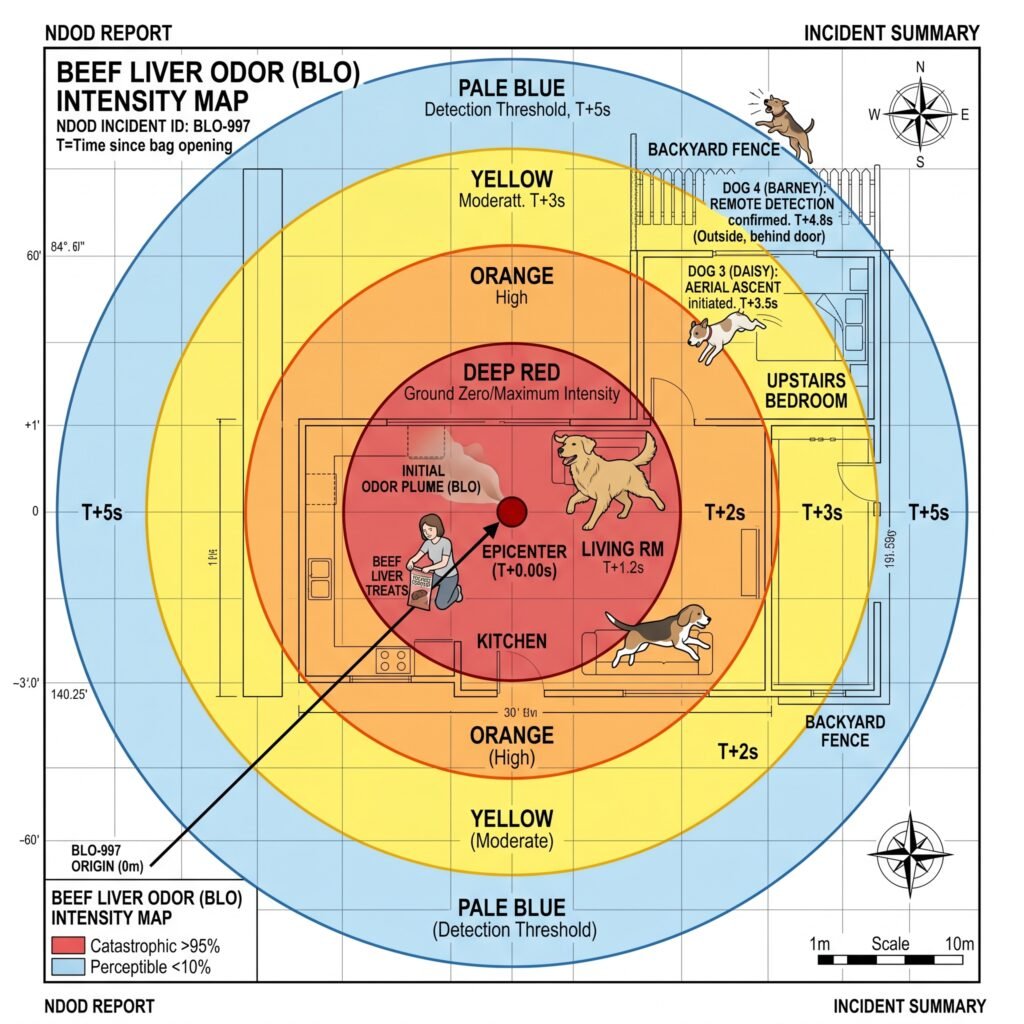
- High-value training reward. Liver’s strong smell and taste make it one of the most effective high-value treats for recall training, obedience work, and behavior modification.
- Supports lean muscle. The protein content helps maintain muscle tissue, especially useful for active or senior dogs.
- Coat and skin support. Zinc and essential fatty acids naturally present in liver contribute to a healthier coat over time.
- Immune system support. Vitamin A and zinc both play roles in maintaining a properly functioning immune response.
- Easier digestion for sensitive dogs. Single-ingredient treats reduce the risk of triggering food sensitivities compared to treats with multiple fillers, grains, or artificial additives.
- Great appetite stimulant. The strong aroma makes liver treats useful for picky eaters or dogs recovering from illness (always under veterinary guidance in medical situations).
Freeze Drying vs. Dehydrating vs. Baking: What’s the Difference?
Not all liver treats are created equal, and the preservation method matters more than most labels let on.
| Method | Process | Nutrient Retention | Texture |
|---|---|---|---|
| Freeze-Dried | Frozen, then moisture removed via vacuum | Highest | Light, crunchy, airy |
| Dehydrated | Low, slow heat removes moisture | Moderate | Chewy, denser |
| Baked | Higher heat cooking | Lower | Firm, sometimes crumbly |
Because freeze-drying avoids heat almost entirely, it’s generally considered the gold standard for preserving the original vitamin and enzyme content of raw liver. This is one of the main reasons freeze dried beef liver commands a slightly higher price point than baked or dehydrated alternatives — the process itself is more resource-intensive but delivers a noticeably more nutrient-preserved final product.
How Much Liver Is Too Much? Understanding Vitamin A Risk
This is the single most important safety consideration with any liver-based treat, and it’s worth taking seriously.
Liver is extremely high in Vitamin A, a fat-soluble vitamin that the body stores rather than excretes. While normal amounts support healthy vision and immune function, chronic overconsumption — especially in large dogs eating large quantities daily over long periods — can theoretically contribute to hypervitaminosis A, a condition linked to bone and joint issues over time.
Practical Moderation Guidelines
- Small dogs (under 20 lbs): 1–2 small pieces per day
- Medium dogs (20–50 lbs): 2–4 small pieces per day
- Large dogs (50+ lbs): 4–6 small pieces per day
These are general moderation guidelines, not strict medical thresholds — actual safe amounts vary by treat size, your dog’s overall diet, and individual health status. As a rule of thumb, liver treats should make up a small percentage of total daily treats, not a daily staple food source, and total treats overall should stay under roughly 10% of your dog’s daily caloric intake, per general veterinary feeding guidance.
If your dog already eats a commercial diet that includes liver or other organ meat (many premium dog foods do), factor that into how many additional liver treats you offer, to avoid unintentionally stacking vitamin A intake from multiple sources.
Best Uses for Freeze Dried Beef Liver Dog Treats
Once you understand the nutrition and moderation guidelines, the practical applications become pretty clear.
Top Use Cases
- High-value training treat – ideal for recall, agility training, or correcting difficult behaviors
- Food topper – crumbled over kibble to entice picky eaters or boost palatability
- Puzzle toy filler – used inside treat-dispensing toys for enrichment
- Travel-friendly snack – lightweight, doesn’t require refrigeration, ideal for hikes or road trips
- Senior dog appetite support – the strong smell often appeals to older dogs with reduced appetite (consult your vet for senior dogs with specific health conditions)
Why Trainers Specifically Love Liver Treats
Professional dog trainers frequently reach for freeze dried beef liver dog treats because of their potency-to-size ratio. A tiny piece delivers a strong smell and flavor payoff, which means you can reward frequently during a training session without overfeeding or interrupting momentum with large treats that need extra chewing time.

What to Look for When Buying Beef Liver Treats
Not every bag labeled “liver treats” is created with the same quality standards. Here’s what separates a genuinely good product from a mediocre one.
Quality Checklist
- Single ingredient only – the ingredient list should say “beef liver” and nothing else
- No added preservatives, colors, or flavors
- Sourced from a reputable country – many premium brands specify sourcing (USA, Canada, etc.)
- Resealable packaging – helps maintain freshness and crunch after opening
- Appropriate piece size – smaller, breakable pieces offer more training flexibility
- Third-party testing or transparency – brands that disclose sourcing and testing practices tend to be more trustworthy
Red Flags to Avoid
- Vague ingredient lists (“liver” without specifying animal source)
- Added sugar, salt, or artificial preservatives
- Unusually low pricing relative to competitors (can indicate lower-quality sourcing)
- No country-of-origin information at all
Nutri Bites Freeze Dried Beef Liver: What to Know
Among the many single-ingredient liver treats on the market, Nutri Bites freeze dried beef liver has become one of the more widely recognized names, particularly through bulk retailers and online marketplaces. Like most reputable products in this category, it’s generally positioned as a single-ingredient, grain-free treat made from beef liver, often marketed toward both dogs and cats.
When evaluating any product in this space — including Nutri Bites freeze dried beef liver dog treats specifically — it’s worth applying the same quality checklist outlined above rather than relying on brand name alone:
- Confirm the ingredient list is truly single-ingredient
- Check sourcing and country-of-origin claims
- Compare price-per-ounce against other reputable single-ingredient competitors
- Read recent customer reviews for consistency in piece size and freshness across batches
As with any treat brand, individual dogs may respond differently — some dogs love a particular brand’s texture or piece size more than others, so it’s reasonable to try a smaller bag first before committing to bulk packaging, especially if your dog has never had liver treats before.
How to Store Freeze Dried Liver Treats Properly
Proper storage keeps texture, smell, and nutrient quality intact for as long as possible.
Storage Best Practices
- Keep the bag sealed tightly between uses, ideally with a clip or resealable zipper
- Store in a cool, dry place away from direct sunlight or heat sources
- Avoid moisture exposure, which can cause the freeze-dried texture to soften or spoil prematurely
- Use an airtight container for long-term storage if the original packaging isn’t fully resealable
- Check expiration dates, even though freeze-dried products generally have a longer shelf life than fresh treats
If treats start to feel soft, chewy, or develop an off smell, that typically indicates moisture exposure and the product should be discarded.
Who Should Avoid Liver Treats?
While most healthy dogs do well with liver treats in moderation, a few groups should be more cautious:
- Dogs with kidney disease – protein and mineral content may need to be managed carefully under veterinary supervision
- Dogs with existing vitamin A toxicity risk – including dogs already on liver-heavy commercial diets
- Dogs with known beef allergies or sensitivities – beef is one of the more common protein allergens in dogs
- Dogs on strict prescription diets – any treat, including liver, should be cleared with your vet first if your dog is on a therapeutic veterinary diet
If you’re unsure whether your dog falls into any of these categories, a quick conversation with your veterinarian before introducing liver treats is always the safer route.
Beef Liver vs. Other Organ Meat Treats
Beef liver isn’t the only organ-meat treat on shelves, so here’s how it compares to other popular options.
| Treat Type | Protein | Vitamin A Level | Common Use |
|---|---|---|---|
| Beef Liver | High | Very High | Training, topper |
| Chicken Liver | High | High | Training, picky eaters |
| Beef Lung | Moderate-High | Low | Everyday treat, lower vitamin A concern |
| Beef Heart | High | Moderate | Muscle support, lower organ-density risk |
| Bison Liver | High | Very High | Novel protein alternative for sensitive dogs |
Liver consistently ranks among the most nutrient-dense options, but if you’re looking for a lower-vitamin-A everyday treat to rotate alongside liver, lung or heart-based treats can offer variety without the same moderation concerns.
How to Introduce Liver Treats to a New Dog
If your dog has never had organ meat before, a gradual introduction helps avoid digestive upset.
Introduction Steps
- Start with a tiny piece (a quarter of a normal piece) on day one
- Watch for digestive reactions over the following 24 hours (loose stool, vomiting, excessive gas)
- Gradually increase to a full recommended portion over several days if no issues appear
- Introduce one new treat at a time — avoid combining multiple new foods at once, which makes it harder to identify the source of any reaction
Most dogs tolerate liver treats extremely well, given how closely organ meat aligns with a dog’s natural dietary instincts, but a slow introduction is always the safer approach for any new treat.
For readers building out a broader natural treat rotation, our companion guide on single-ingredient dog treats worth trying covers other organ-meat and freeze-dried options that pair well alongside liver in a balanced treat lineup, and our article on safe human foods for dogs offers additional topper ideas beyond the treat aisle.
FAQ: Freeze Dried Beef Liver for Dogs
1. Is freeze dried beef liver good for dogs?
Yes. Freeze dried beef liver is good for dogs in appropriate, moderate amounts. It’s a nutrient-dense, single-ingredient treat rich in protein, iron, B-vitamins, and zinc, making it a popular choice for training and everyday rewards.
2. How much freeze dried beef liver can I give my dog daily?
This depends on your dog’s size, but general guidelines suggest 1–2 small pieces daily for small dogs, 2–4 for medium dogs, and 4–6 for large dogs. Liver treats should remain a small portion of overall daily treats due to their high vitamin A content.
3. What’s the difference between freeze dried and dehydrated beef liver treats?
Freeze-drying removes moisture through a frozen vacuum process without heat, preserving more of the original nutrient content. Dehydrating uses low, slow heat, which is gentler than baking but still results in somewhat lower nutrient retention compared to freeze-drying.
4. Can puppies eat freeze dried beef liver dog treats?
Generally yes, in very small amounts appropriate to their size, but it’s best to introduce any new treat gradually and consult your veterinarian regarding appropriate portion sizes for growing puppies, since their nutritional needs differ from adult dogs.
5. Is Nutri Bites freeze dried beef liver a good brand choice?
Nutri Bites freeze dried beef liver is a widely available, generally single-ingredient option in this category. As with any brand, it’s worth checking the ingredient list, sourcing information, and recent customer reviews to confirm it meets your specific quality standards before buying in bulk.
6. Can dogs have too much liver and get sick?
Yes, chronic overconsumption of liver can contribute to vitamin A buildup over time, since it’s a fat-soluble vitamin the body stores rather than flushes out. Moderation is key — liver treats work best as an occasional high-value reward, not a daily dietary staple.
7. Are freeze dried beef liver dog treats good for training?
Absolutely. Many trainers consider liver treats among the best training rewards available, thanks to their strong aroma, high palatability, and small, easily breakable pieces that allow for frequent rewarding without overfeeding.
Conclusion
Freeze dried beef liver has earned its popularity for good reason — it’s a genuinely nutrient-dense, minimally processed treat that most dogs find irresistible, and the science behind organ meat nutrition backs up much of the enthusiasm. To summarize the key points:
- Freeze-drying preserves nutrients more effectively than baking or standard dehydrating
- Beef liver is rich in protein, iron, B-vitamins, and zinc, supporting muscle, coat, and immune health
- Moderation matters due to liver’s naturally high vitamin A content
- Quality varies by brand — always check for single-ingredient labeling and transparent sourcing
- Training and topper use cases make this one of the most practical, high-value treat categories available
Whether you’re comparing Nutri Bites freeze dried beef liver dog treats against other single-ingredient options, wondering whether beef liver freeze dried treats fit into your dog’s overall diet, or simply looking for a healthier alternative to processed training treats, this category remains one of the smarter choices you can make in the pet treat aisle — as long as you keep portions sensible and quality high.
If this guide was helpful, take a look at our companion article on the best high-value training treats for dogs, or our deeper breakdown of organ meat nutrition for dogs, to keep building a well-rounded, nutrient-conscious treat routine for your pup.
One last thing worth remembering: the “best” treat isn’t necessarily the most expensive or the most heavily marketed one — it’s the one that’s transparently sourced, appropriately portioned, and genuinely agrees with your individual dog. Some dogs take to liver immediately; others may need a slower introduction or a different organ-meat option entirely. Pay attention to how your dog responds over the first few weeks, keep portions sensible relative to their size, and treat this guide as a starting framework rather than a rigid rulebook. Every dog’s tolerance, preference, and nutritional needs are a little different, and that’s exactly why label-reading and gradual introduction matter more than brand loyalty alone.