Why Is My Dog Throwing Up Undigested Food? (Shocking Reasons)
Why is my dog throwing up undigested food? Discover the common causes, warning signs, and when you should worry.
Why Is My Dog Throwing Up Undigested Food? Causes, “Hours Later” Vomiting, Yellow/Bile Vomit, and What to Do
Seeing your dog throw up and noticing the food looks undigested can be alarming—especially if it happens hours after eating or if the vomit is yellow. Searches like why is my dog throwing up undigested food, why is my dog throwing up undigested food hours later, and why is my dog throwing up undigested food yellow are common because this pattern can mean anything from “ate too fast” to a problem that needs urgent veterinary care.
This guide explains:
The difference between vomiting vs regurgitation (super important for undigested food)
What “undigested food hours later” can mean
Why vomit may look yellow (bile)
Common causes, red flags, and when to call the vet
Safe, practical steps you can take at home while monitoring
Important note: This article is for education. If your dog is very sick (repeated vomiting, lethargy, bloated belly, blood, trouble breathing), treat it as urgent and contact a veterinarian right away.
1) Vomiting vs Regurgitation: The #1 Clue When Food Looks Undigested
When people say “my dog threw up undigested food,” it can be either vomiting or regurgitation, and those are not the same process.
Regurgitation (often undigested, “just falls out”)
Usually passive (no strong heaving)
Often occurs soon after eating, but can happen later if food sits in the esophagus
Food may look tubular/cylindrical (shape of the esophagus)
Dog may seem fine immediately after—no nausea signs
PetMD explains regurgitation is different from vomiting and often occurs without warning or effort, and repeated regurgitation can signal serious conditions like megaesophagus or an esophageal blockage.
The AKC also summarizes the core difference: vomiting is active; regurgitation is passive.
Vomiting (often digestion signs, stomach involvement)
Active (retching, abdominal contractions)
Dog may show nausea signs beforehand (lip licking, drooling, pacing)
Vomit can contain stomach fluid, foam, bile, partially digested food
PetMD’s vomiting guide notes vomiting can be normal occasionally but becomes urgent if repeated, painful, or accompanied by a distended abdomen (bloat/GDV risk).
Why this matters:
If the event was regurgitation, you and your vet think more about esophagus issues. If it was vomiting, you think more about stomach and intestines.
2) Why Is My Dog Throwing Up Undigested Food Hours Later?
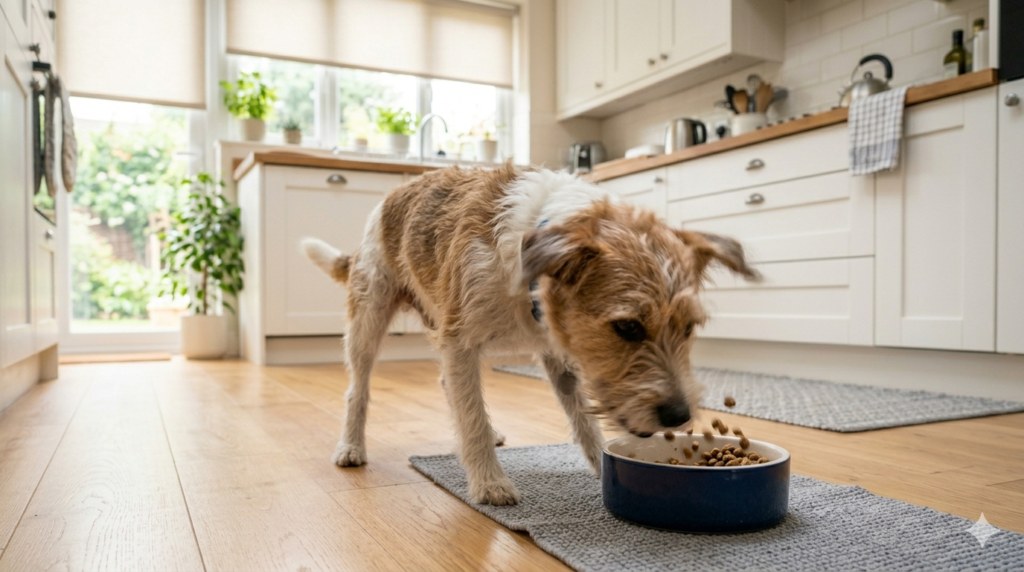
This is a key detail. Many owners expect that if a dog throws up undigested food, it must have happened right after eating. But “hours later” can happen in both vomiting and regurgitation.
A) If it’s regurgitation hours later
Food can sit in the esophagus and come back up later if the esophagus isn’t moving food normally. Repeated episodes should be investigated because it can indicate conditions like megaesophagus or an obstruction.
Clues pointing toward regurgitation:
No heaving, just “food comes up”
Food looks almost the same as it went in
Happens after excitement, activity, or drinking right after meals
Possible coughing, gagging, or trouble swallowing
B) If it’s vomiting hours later
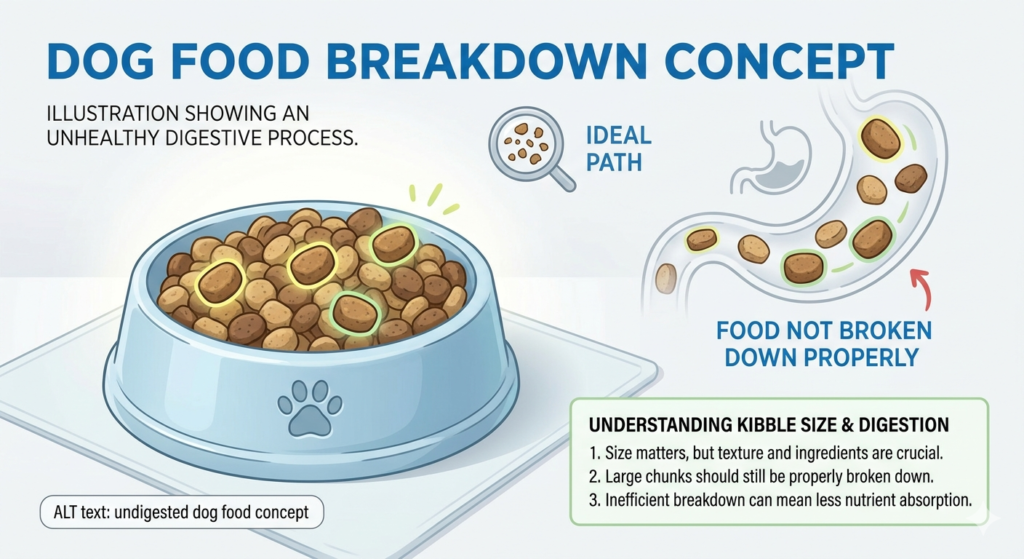
Vomiting food hours after eating can mean the food stayed in the stomach longer than normal or that stomach emptying is delayed.
A veterinary teaching hospital article notes the stomach is usually empty 6–8 hours after eating, and vomiting food when the stomach “should be empty” can suggest a stomach outflow problem/obstruction or abnormal stomach emptying.
Purina also mentions that if a dog consistently vomits hours after eating, it could relate to food intolerance or GI motility disorders and recommends contacting a veterinarian if it happens regularly.
Common reasons food may come back up hours later:
Eating too fast (especially if regurgitation)
Eating a large meal, then heavy activity
Delayed gastric emptying (motility issues)
Food intolerance or sensitivity
Gastrointestinal inflammation
Partial blockage (foreign object)
Certain medical conditions (your vet needs to assess)
3) Why Is My Dog Throwing Up Undigested Food Yellow?
Yellow vomit usually means bile is present. Bile is produced by the liver and enters the small intestine to help digest fats. When bile shows up in vomit, it often indicates that bile moved backward into the stomach or the stomach was empty/irritated.
PetMD explains yellow bile vomiting can happen when dogs vomit bile or froth after not eating for a while, sometimes described as bilious vomiting syndrome, often in the morning.
Other vet sources explain yellow bile often shows up when the stomach is empty after a long gap between meals, though it can also signal irritation or something more serious.
What “yellow + undigested food” can suggest
Vomiting (not simple regurgitation), because bile usually comes from the upper intestine/stomach region
The food started to move through digestion, or bile reflux occurred
Sometimes: the dog vomited on an emptier stomach, so bile is more visible
A practical interpretation from a pet health article: if fluid is green/yellow, it’s bile and likely came from the small intestine, suggesting digestion had begun.
Important: Yellow vomit doesn’t automatically mean emergency—but if it’s frequent, paired with lethargy, pain, dehydration, or can’t keep water down, call your vet.
4) The Most Common Causes of Undigested Food Vomit/Regurgitation
Here are the most common causes, grouped by how often they occur and how urgent they can be.
Common, often less serious causes (but still worth monitoring)
1) Eating too fast
Fast eaters may regurgitate undigested kibble quickly, sometimes with little warning.
2) Too much activity right after eating
Running, jumping, car rides, or play immediately after a meal can trigger regurgitation or vomiting in some dogs.
3) Diet change or rich treats
Sudden diet changes or high-fat treats can upset the stomach and cause vomiting. Diet change and intolerance are commonly listed triggers.
4) Mild stomach upset
A one-off vomit with normal behavior afterward can be monitored, but repeated episodes need attention.
Causes that need vet evaluation (especially if repeated)
5) Food intolerance or sensitivity
Some dogs vomit after certain ingredients. If it happens repeatedly with the same food, your vet may recommend diet trials.
6) Acid reflux / bilious vomiting syndrome (yellow bile)
Often early morning bile vomiting after long fasting.
7) Delayed stomach emptying / motility disorders
Food staying in the stomach longer can lead to “hours later” vomiting.
8) Esophageal disease (megaesophagus)
Repeated regurgitation is a classic reason your vet will want to rule out esophageal problems.
Urgent causes (don’t wait)
9) Foreign body obstruction
If a dog swallowed something, vomiting can occur hours later, and the dog may worsen. WSU notes vomiting food when the stomach should be empty can suggest obstruction.
10) Bloat/GDV (life-threatening)
PetMD warns that repeated foamy vomit with a distended abdomen or pain can indicate GDV and needs immediate vet care.
5) Red Flags: When This Is an Emergency
Go to an emergency vet or call urgently if you see any of these:
Repeated vomiting (e.g., several times in 24 hours)
Can’t keep water down or signs of dehydration
Bloated/distended abdomen, severe pain, or unproductive retching (bloat/GDV risk)
Blood in vomit or stool, black/tarry stool
Lethargy/weakness/collapse
Puppy, very small dog, or dog with chronic illness getting worse quickly
If your dog vomits once and returns to normal quickly, some vets consider home monitoring reasonable—but call your vet if you’re unsure or if it repeats.
6) What You Can Do at Home (Safe Steps) If There Are No Red Flags
If your dog vomited once, is alert, not in pain, and is drinking normally, these are generally safe steps:
Step 1: Pause food briefly, but don’t force fasting for long
A short break from food can help a mildly upset stomach, but prolonged fasting isn’t always appropriate—especially for puppies, seniors, or dogs with medical conditions. If in doubt, call your vet.
Step 2: Offer small amounts of water
Encourage normal hydration. If your dog vomits water repeatedly, that’s a vet call.
Step 3: Reintroduce food slowly
When your dog seems settled, offer a small portion (not a full meal). Sudden full meals can trigger repeat vomiting.
Step 4: Remove extra variables
Don’t introduce new treats, chews, table scraps, or multiple toppers during this time. Keep it simple so you can see if the stomach settles.
Step 5: Rest after eating
For dogs who vomit/regurgitate around meals, keeping them calm for a while after eating can help.
7) How to Prevent “Undigested Food” Episodes
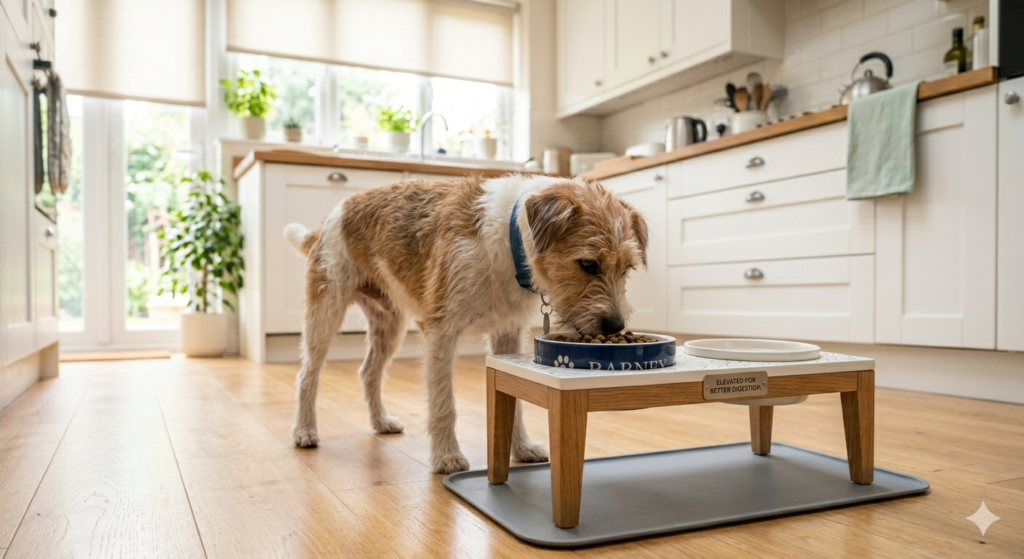
Slow down fast eaters
If your dog gulps food, consider:
slow feeder bowls
puzzle feeders
splitting meals into smaller portions
Fast eating is a common trigger for regurgitation.
Feed smaller meals more often
Many dogs do better with 2–3 smaller meals instead of one large meal—especially if yellow bile vomiting occurs after long fasting windows. (Bilious vomiting syndrome is often associated with an empty stomach.)
Transition foods gradually
Sudden diet changes can trigger vomiting/regurgitation; slow transitions reduce upset.
Watch high-fat treats
High-fat snacks can cause GI upset and delay digestion. If “hours later” vomiting happens after rich treats, that’s a clue.
8) What Your Vet May Do (So You Know What to Expect)
If vomiting/regurgitation happens more than once or becomes a pattern, your vet may:
Ask about timing (minutes vs hours), appearance (tube-shaped vs digested), and behavior
Examine the mouth, abdomen, hydration status
Recommend tests like stool testing, bloodwork, X-rays, ultrasound
Consider esophageal evaluation if regurgitation is suspected (megaesophagus workup)
Consider obstruction risk if timing suggests delayed emptying
9) Quick Keyword Answers
Why is my dog throwing up undigested food?
Often due to regurgitation (fast eating, esophagus issues) or vomiting (stomach upset, intolerance, delayed emptying). Differentiating vomiting vs regurgitation is key.
Why is my dog throwing up undigested food hours later?
Possible delayed stomach emptying, intolerance, motility issues, or obstruction; sometimes delayed regurgitation from the esophagus. Vomiting when the stomach should be empty can suggest obstruction/delayed emptying and needs vet attention if repeated.
Why is my dog throwing up undigested food yellow?
Yellow typically indicates bile, often from an empty stomach or bile reflux. If frequent or paired with other symptoms, contact your vet.
10) Timing Clues: What “Undigested Food” Means at Different Times After Eating
One of the best ways to narrow down why your dog is throwing up undigested food is to look at when it happens.
A) Within 0–30 minutes after eating
Most likely causes:
Eating too fast (common)
Drinking a lot of water right after eating
Excitement/activity immediately after meals
Often this is regurgitation (passive) rather than true vomiting.
B) 30 minutes to 2 hours after eating
Possible causes:
Fast eating + stomach irritation
Mild GI upset
Food intolerance
Motion (car rides) after meals
Can be vomiting or regurgitation — watch for heaving and nausea signs.
C) 2–6 hours after eating
Possible causes:
Stomach upset/inflammation
Food sensitivity
Meal too large or too rich
This is more likely to be vomiting (active) than regurgitation.
D) 6–10+ hours after eating (the “hours later” concern)
This is when owners get worried—and rightly so. If food appears undigested when the stomach would normally be close to empty, it can suggest:
delayed gastric emptying
a motility issue
(more concerning) a partial obstruction
WSU’s veterinary hospital guidance notes that the stomach is often empty around 6–8 hours after eating, and vomiting food when it “should be empty” can signal delayed emptying or obstruction.
Key takeaway: vomiting undigested food hours later is more likely to need vet evaluation than one quick regurgitation right after a fast meal.
11) The “Yellow” Part: What Yellow Vomit Really Suggests
People search why is my dog throwing up undigested food yellow because the color adds another layer of concern.
Yellow = bile (usually)
Yellow or yellow-green fluid often indicates bile, which is normally released into the small intestine. Bile can appear in vomit when:
the stomach is empty and irritated
bile refluxes into the stomach
there’s repeated vomiting and the stomach is “out of content”
PetMD explains yellow bile vomiting can occur with an empty stomach and is sometimes described as bilious vomiting syndrome.
Common pattern: morning yellow vomit
If your dog vomits yellow fluid early morning before breakfast, it may be related to long fasting windows. This often improves by:
splitting meals (smaller, more frequent)
adding a small evening meal (vet-guided if needed)
PetMD notes bile vomiting can happen after not eating for a while.
Yellow + undigested food together
If vomit contains both bile and undigested food, it can suggest:
stomach irritation plus partial digestion disruption
vomiting rather than regurgitation (because bile usually involves stomach/upper intestine)
If this repeats, talk to your vet.
12) Causes of Undigested Food Coming Up: A “Most Likely” Breakdown
1) Eating too fast (common, often regurgitation)
Fast eating can cause a dog to bring up food quickly, sometimes in a tube-shaped form. PDSA notes eating too quickly is a common cause of vomiting in dogs.
Fix ideas (prevention):
slow feeder bowl
split meals into smaller portions
puzzle feeder
2) Regurgitation from esophagus problems (important if recurrent)
If episodes are frequent and look passive, your vet will consider esophageal issues such as:
megaesophagus
PetMD explains repeated regurgitation can signal serious issues like megaesophagus and requires veterinary evaluation.
Clue: the food looks unchanged and comes up with little/no heaving.
3) Food intolerance / sensitivity (common)
Purina notes that repeated vomiting after eating can be related to food intolerance or other digestive issues and recommends veterinary input if it keeps happening.
Clue: vomiting occurs after specific foods/treats, and stool may also be soft.
4) Gastritis (stomach inflammation)
A dog may vomit food, foam, or bile if the stomach lining is irritated by:
dietary indiscretion (trash, scavenging)
medications
infections
stress
This can be acute (short-term) or chronic.
5) Delayed gastric emptying / motility problems (often “hours later”)
If food remains in the stomach too long, it may come back up later. Purina mentions GI motility disorders as a possible factor in vomiting after meals.
6) Foreign body obstruction (urgent to rule out if worsening)
A partial blockage can allow some food through but still cause repeated vomiting—sometimes hours after eating. WSU highlights that vomiting food when the stomach should be empty can suggest obstruction.
Clues: repeated vomiting, reduced appetite, lethargy, abdominal discomfort, worsening pattern.
7) Pancreatitis risk with rich foods (can be serious)
If vomiting follows very fatty treats/leftovers and your dog seems painful or lethargic, call a vet. (This can’t be diagnosed at home, but the pattern matters.)
13) What to Track Before Calling the Vet (This Makes the Visit Faster)
When vets hear “vomiting undigested food,” they’ll want specifics. Track these 8 details:
Time since last meal (minutes vs hours)
Was it vomiting or regurgitation? (active heaving vs passive)
What did it look like? (tube-shaped, chunky, foamy, watery)
Color (yellow bile, white foam, clear fluid, blood)
How many episodes in 24 hours
Any diarrhea?
Energy level (normal vs lethargic)
Any object exposure (toys, bones, socks, trash)
If possible, take a quick photo for your vet. (Sounds gross, but it helps.)
14) When to Stop Home Monitoring and Go In
Even if your dog looks “okay,” these patterns deserve a vet call:
vomiting undigested food more than once in 24 hours
vomiting undigested food hours later repeatedly
yellow bile vomiting becomes frequent
your dog can’t keep water down, becomes weak, or shows abdominal pain
any bloat/GDV warning signs (swollen belly, unproductive retching)
PetMD warns that vomiting with a distended abdomen or pain can indicate GDV and is urgent.
15) Prevention: How to Reduce “Undigested Food” Vomit Episodes
A) Slow down eating
This is the #1 fix when the cause is fast eating/regurgitation.
B) Smaller, more frequent meals
This helps:
dogs prone to bile vomiting when stomach is empty
dogs who vomit after large meals
dogs that get nauseous overnight
C) Keep your dog calm after meals
No running, rough play, or car rides immediately after eating.
D) Transition diets slowly
Sudden diet changes can trigger vomiting. Make transitions over 7–10 days.
E) Remove high-fat extras
Fatty scraps and rich treats can trigger vomiting in some dogs.
16) Quick FAQ Add-On
Why is my dog throwing up undigested food hours later but acting normal?
Could be delayed stomach emptying, mild gastritis, or early obstruction. If it repeats, it’s worth vet evaluation because timing “hours later” can be a clue for delayed emptying/obstruction.
Why is my dog throwing up undigested food yellow in the morning?
Yellow often indicates bile; this can happen when the stomach is empty for a long time (bilious vomiting syndrome).
If it’s frequent, discuss meal schedule adjustments with your vet.
What if it’s not vomiting, but regurgitation?
Repeated regurgitation needs vet attention because it can be associated with esophageal conditions like megaesophagus.
17) Copy-Paste “Vet Message” Template (Saves Time)
You can use this when messaging your vet:
“My dog brought up undigested food X hours after eating. It was vomiting/regurgitation (heaving: yes/no). Vomit looked (tube-shaped/chunky/foamy) and color was (yellow/clear/white). Episodes: X times in 24 hours. Drinking: normal/low. Energy: normal/lethargic. Any diarrhea: yes/no. Possible foreign object exposure: yes/no.”
This gives your vet the data they need fast.