
Low Sodium Dog Food: Best Options for Heart Health
Low sodium dog food helps support heart and kidney health. Discover the best options and how to choose safely.
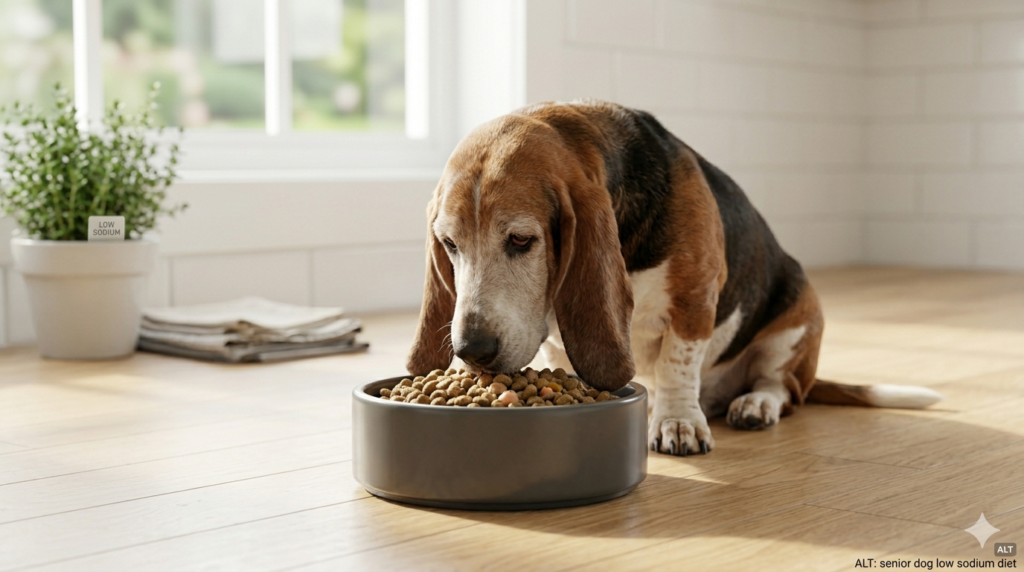
Low Sodium Dog Food: The Complete 2026 Vet-Backed Guide & Top Brands Reviewed
If your veterinarian has recently recommended a dietary change for your dog — particularly following a diagnosis of heart disease, kidney disease, or hypertension — there’s a good chance the words “low sodium dog food” were part of that conversation. Sodium management through diet is one of the most powerful non-pharmaceutical tools available for managing certain chronic conditions in dogs, and choosing the right low sodium dog food can meaningfully slow disease progression, reduce symptoms, and improve your dog’s quality of life during some of its most vulnerable years.
Why Sodium Matters in Your Dog’s Diet
Before understanding what makes low sodium dog food necessary for certain dogs, it helps to understand what sodium actually does in the canine body. Sodium is an essential electrolyte — a mineral that carries an electrical charge in body fluids — and its primary functions include regulating fluid balance, maintaining healthy blood pressure, supporting nerve signal transmission, and enabling muscle contraction. In a healthy dog with properly functioning kidneys and heart, sodium is absorbed from food, used appropriately, and excreted efficiently through urine. The system is elegantly self-regulating.
The problem arises when the organs responsible for sodium regulation become compromised. In dogs with congestive heart failure, the heart’s reduced pumping efficiency triggers hormonal responses that cause the body to retain sodium and water — leading to dangerous fluid accumulation in the lungs, abdomen, or limbs. In dogs with chronic kidney disease, the kidneys’ impaired filtration capacity means they struggle to excrete excess sodium efficiently, causing blood pressure to rise and further damaging the renal system. In both conditions, reducing dietary sodium through carefully selected low sodium dog food directly reduces the burden on these compromised organs and can meaningfully slow disease progression alongside medical treatment.
Which Conditions Require Low Sodium Dog Food?
Your veterinarian is the definitive authority on whether low sodium dog food is appropriate for your individual dog. However, the following conditions most commonly drive a dietary sodium restriction recommendation:
Congestive Heart Failure (CHF)
Heart disease — particularly mitral valve disease and dilated cardiomyopathy — is among the most common reasons a veterinarian prescribes low sodium dog food. In dogs with cardiac dysfunction, excess dietary sodium contributes to fluid retention in the lungs (pulmonary edema), causing the coughing, labored breathing, and exercise intolerance that characterize advanced heart failure. Reducing sodium through diet helps reduce this fluid accumulation and can decrease the required dosage of diuretic medications. Davidson County Vets note that the maximum sodium intake for a dog with heart disease should generally not exceed 6mg per pound of body weight — a threshold that most standard commercial dog foods exceed significantly.
Chronic Kidney Disease (CKD)
In dogs with CKD, excess sodium raises blood pressure and increases glomerular filtration pressure — accelerating the very kidney damage that is already occurring. Switching to a quality low sodium dog food helps normalize blood pressure, reduces the renal workload, and supports the phosphorus and protein management that comprehensive kidney disease dietary management requires. Veterinary cardiologist guidelines recommend aiming for approximately 20 to 65 mg of sodium per 100 calories in dogs with moderate to severe kidney disease.
Hypertension
Elevated blood pressure in dogs — whether primary or secondary to another condition — responds well to dietary sodium restriction. Low sodium dog food is frequently incorporated as part of a broader hypertension management strategy alongside antihypertensive medications.
Liver Disease
Advanced liver disease reduces the organ’s ability to produce albumin, causing fluid to accumulate in the abdomen (ascites). Sodium restriction through low sodium dog food helps minimize this fluid accumulation and reduces the clinical impact of portal hypertension associated with hepatic dysfunction.
Edema and Fluid Retention
Dogs experiencing pathological fluid retention from various causes — including protein-losing nephropathy and certain endocrine disorders — may benefit from dietary sodium management. Again, veterinary assessment of the underlying cause is essential before selecting a low sodium dog food for these conditions.
Understanding Sodium Levels in Dog Food: What the Numbers Mean
When evaluating any low sodium dog food, the sodium content stated on the guaranteed analysis panel is your most important reference point. However, the way sodium is stated on different products requires some interpretation to make meaningful comparisons:
Standard Sodium Thresholds
Veterinary professionals have established the following sodium threshold guidelines to help dog owners select the appropriate low sodium dog food for their dog’s specific condition:
- Standard maintenance level: Less than 100 mg of sodium per 100 calories — appropriate for healthy dogs with no need for sodium restriction. Regular commercial dog food typically contains approximately 0.5% sodium content on a dry matter basis
- Mild restriction: 80 to 100 mg of sodium per 100 calories — appropriate for dogs with early-stage heart or kidney disease, or dogs with mild hypertension
- Moderate restriction: 50 to 80 mg of sodium per 100 calories — for dogs with more advanced cardiac or renal disease requiring meaningful sodium reduction
- Severe restriction: Less than 50 mg of sodium per 100 calories — for dogs with end-stage heart failure or severe kidney dysfunction where maximum sodium control is clinically necessary. Restricted therapeutic diets typically aim for 0.08% to 0.25% sodium content on a dry matter basis
Dogster notes that their reviewed low sodium dog food list specifically targets products containing less than 100 mg of sodium per 100 kcal — using this as the threshold definition for the “low sodium” category. Breed Advisor’s veterinary review confirms that truly restricted diets for advanced cardiac or renal disease should aim for 20 to 65 mg of sodium per 100 calories depending on disease severity. Always confirm the precise target with your veterinarian rather than selecting a low sodium dog food based solely on general guidelines.
How to Read Sodium on a Dog Food Label
Sodium is typically expressed on the guaranteed analysis panel as a percentage of the food on an as-fed (wet weight) basis. To compare different foods meaningfully — particularly when comparing wet food to dry food — convert all values to a dry matter basis by removing the moisture content from the calculation. Your veterinarian or a veterinary nutritionist can assist with these calculations to ensure your chosen low sodium dog food truly meets your dog’s prescribed sodium target.
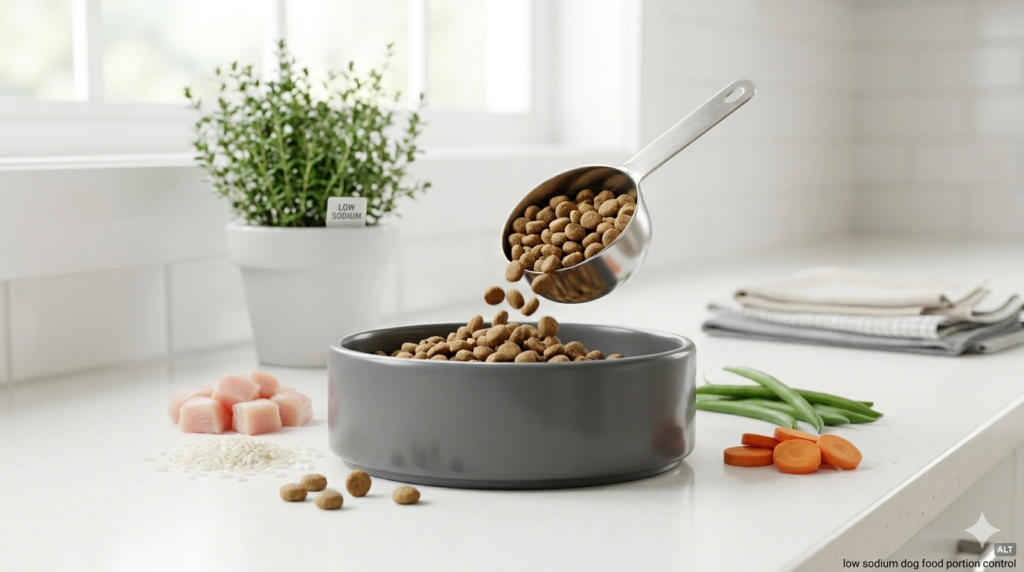
Best Low Sodium Dog Food Brands: Top Options for 2026
The market for low sodium dog food divides broadly into prescription veterinary therapeutic diets and high-quality commercial options with naturally lower sodium content. Here is a comprehensive review of the leading options across both categories:
Best Low Sodium Dog Food Brands: Top Options for 2026
The market for low sodium dog food divides broadly into prescription veterinary therapeutic diets and high-quality commercial options with naturally lower sodium content. Here is a comprehensive review of the leading options across both categories:
Prescription Veterinary Therapeutic Diets
For dogs with moderate to severe cardiac or renal disease, prescription low sodium dog food formulas developed specifically for sodium management provide the most reliable and clinically validated sodium control available:
- Hill’s Prescription Diet h/d (Heart Disease): One of the most widely prescribed cardiac low sodium dog food options, Hill’s h/d is formulated specifically for dogs with cardiovascular disease. Available in both wet and dry formats, it provides strictly controlled sodium content alongside targeted omega-3 fatty acids, L-carnitine, and taurine — nutrients that support heart muscle function. This is a prescription-only formula available through veterinary clinics
- Hill’s Prescription Diet k/d (Kidney Care): Dogster specifically recommends Hill’s k/d Kidney Care with Chicken as one of the best overall low sodium dog food options for dogs managing kidney disease. Available in both a wet chicken and vegetable stew and a beef and vegetable stew format, it addresses the combined sodium, phosphorus, and protein management that CKD dietary plans require. Prescription required
- Royal Canin Veterinary Diet Canine Cardiac: A scientifically formulated prescription low sodium dog food designed to work alongside cardiac medications, providing low sodium alongside EPA and DHA omega-3s from fish oil for cardiac muscle cell support
- Purina Pro Plan Veterinary Diets NF Kidney Function: Dogster highlights this as a more affordable prescription option within the low sodium dog food category — delivering kidney-appropriate sodium, phosphorus, and protein levels at a lower price point than some Hill’s equivalents, though it runs slightly higher in sodium content than the most stringently restricted formulas
- Darwin’s Intelligent Design Kidney Support Formula: Vetstreet recommends this as a raw-based prescription low sodium dog food option for dogs accustomed to fresh food diets — formulated specifically to support kidney function with appropriate protein levels, no pro-inflammatory grains, and veterinarian oversight through prescription access
High-Quality Commercial Low-Sodium Options
For dogs requiring mild sodium reduction or for health-conscious owners who want to reduce sodium intake as a preventive measure, these high-quality commercial formulas offer naturally lower sodium levels without requiring a prescription:
- The Farmer’s Dog Chicken Recipe: Dogster ranks this as the best overall low sodium dog food option among non-prescription choices — a human-grade, fresh food subscription formula that naturally achieves low sodium levels through whole-food ingredient selection without relying on salt as a flavoring or preservation aid. Its fresh, minimally processed formulation makes it one of the cleanest naturally low-sodium options on the market
- Raised Right Beef Recipe: Vetstreet highlights this fresh food brand, noting that its beef recipe contains only 0.21% sodium — a meaningfully low level achieved through fresh, lightly cooked human-grade ingredients rather than the sodium-dependent processing methods of conventional kibble. Each recipe meets human food grade standards and is frozen immediately after cooking to preserve freshness and nutritional integrity
- The Honest Kitchen Chicken Recipe Grain-Free Dehydrated: Breed Advisor recommends this as an excellent quality low sodium dog food with naturally low sodium levels, based on whole dehydrated chicken with high-fiber, antioxidant-rich fruits and vegetables. The dehydrated format delivers more concentrated nutrition per ounce than conventional wet food while maintaining the low sodium profile associated with whole-food formulation
- Dave’s Restricted Sodium Chicken Pâté: For dogs needing a reliable, accessible wet food option, Dave’s Restricted Sodium formula offers a specifically sodium-managed wet dog food made in the USA with chicken as the primary ingredient, free from fillers and by-products, and designed for all breeds and life stages. It is one of the few commercially available non-prescription wet dog foods marketed specifically as a dog food low sodium option
- Natural Balance L.I.D. (Limited Ingredient Diet): For dogs that require lower sodium alongside allergy management, Natural Balance’s limited ingredient formulas offer a single-protein, naturally lower-sodium option. The short ingredient list minimizes the total number of sodium-contributing additives and flavorings that accumulate in formulas with longer ingredient panels
Low Sodium Dog Food and Treats: Keeping Sodium Controlled Between Meals
One of the most commonly overlooked aspects of a low sodium dog food management plan is the sodium contribution from treats. Even if the main food is carefully sodium-controlled, high-sodium treats given frequently between meals can undermine the entire dietary strategy. When seeking low sodium dog food and treats options to use alongside a restricted main diet, consider the following guidelines:
Safe Low-Sodium Treat Options
- Fresh vegetables: Baby carrots, cucumber slices, steamed broccoli florets, green beans, and cooked sweet potato pieces are naturally very low in sodium and provide meaningful fiber and micronutrient benefits
- Unsalted rice cakes: Plain, unsalted rice cakes broken into small pieces make low-calorie, very low-sodium training rewards
- Plain cooked lean meat: Small pieces of plain boiled chicken breast or turkey — with no added salt, seasoning, or sauce — provide high-value protein rewards with negligible sodium content
- Apple slices (core and seeds removed): Low in sodium, high in natural fiber, and well-accepted by most dogs
- Commercially formulated low-sodium dog treats: Several veterinary diet brands and specialty manufacturers produce treats specifically formulated for sodium-restricted dogs. Ask your veterinarian for specific recommendations appropriate to your dog’s condition stage
High-Sodium Treats to Avoid Completely
- Commercial dog biscuits and training treats — most contain significant added sodium for palatability
- Processed meat treats including jerky, deli meat pieces, and sausage-based rewards
- Cheese — even small amounts add meaningful sodium. If permitted by your vet in very small quantities, opt for unsalted cottage cheese only
- Peanut butter — most commercial peanut butter contains significant added salt. If using, choose only salt-free, xylitol-free varieties
- Any human food that is visibly salty, processed, or seasoned — potato chips, crackers, pretzels, pickles, or canned vegetables in salted water
Davidson County Vets specifically note that salted nuts, potato chips, pickles, brown sugar, olives, candy, and salted peanut butter should be completely avoided in sodium-restricted dogs. The rule of thumb: if it contains added salt for human palatability, it has no place in a low sodium dog food management plan — including as an occasional treat.
Dog Food Low in Sodium: Label Reading and Shopping Tips
Navigating the pet food market for genuinely low-sodium options requires knowing what to look for and what to ignore. Here is practical guidance for identifying true dog food low in sodium when shopping:
What to Look for on the Label
- The guaranteed analysis panel must state sodium content — look for it expressed as a percentage. For dogs requiring moderate restriction, target less than 0.3% sodium on a dry matter basis
- Short ingredient lists reduce the accumulation of sodium from multiple sources — salt, sodium ascorbate, sodium nitrite, and various mineral salts all contribute to total sodium intake
- Named whole proteins as the first ingredient ensure the food’s flavor comes from quality ingredients rather than heavy salt usage to mask the taste of inferior components
- Fresh, minimally processed food formats (fresh cooked, dehydrated, freeze-dried) tend to achieve lower sodium levels naturally compared to shelf-stable kibble, which frequently relies on salt for palatability and preservation
What to Ignore or Approach with Skepticism
- “Reduced sodium” labeling without a specific sodium content number is not meaningful — reduced compared to what is not specified and may still be too high for medically restricted dogs
- Marketing claims about being “heart healthy” or “kidney supportive” that are not backed by a specific sodium percentage in the guaranteed analysis
- Any product not carrying an AAFCO nutritional adequacy statement — particularly important for dogs on restricted diets who need the assurance of complete and balanced nutrition despite ingredient limitations
Transitioning Your Dog to Low Sodium Dog Food
Switching to a dog food with low sodium content requires the same gradual transition approach recommended for any dietary change — but with added importance when the dog is already managing a health condition that makes digestive disruption particularly risky. Follow this transition protocol:
- Days 1–3: 75% current food, 25% new low sodium dog food
- Days 4–6: 50% current food, 50% new low sodium dog food
- Days 7–9: 25% current food, 75% new low sodium dog food
- Day 10 onward: 100% new low sodium dog food
Monitor closely for digestive upset, changes in appetite, or any worsening of the dog’s primary condition throughout this transition period. Report any concerns to your veterinarian immediately, particularly in dogs with advanced heart or kidney disease where nutritional stability is clinically critical.
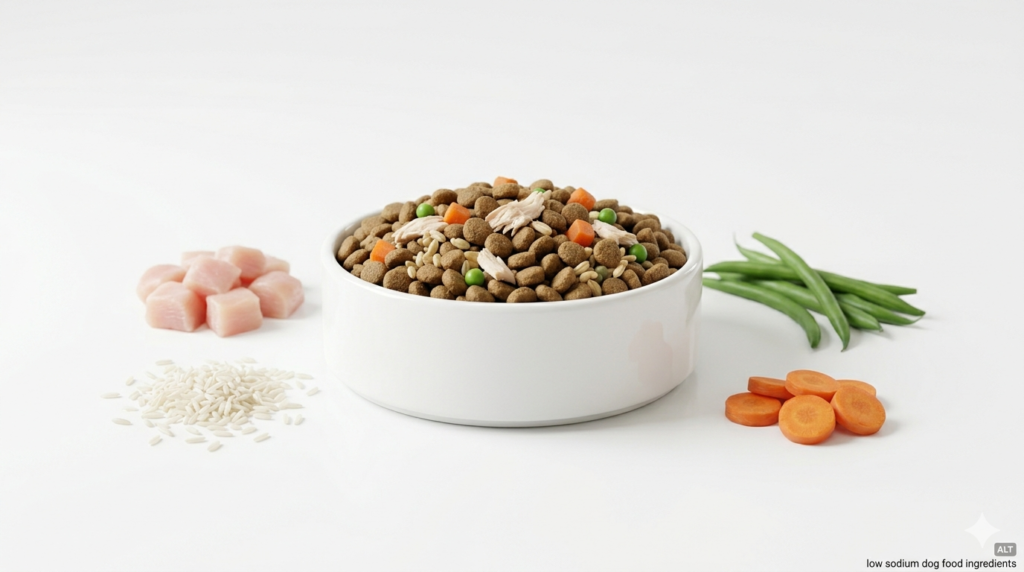
Frequently Asked Questions About Low Sodium Dog Food
How do I know if my dog needs low sodium dog food?
The recommendation for low sodium dog food will typically come from your veterinarian following a diagnosis of a condition that impairs the body’s sodium regulation — most commonly congestive heart failure, chronic kidney disease, hypertension, or liver disease. Do not implement a sodium-restricted diet without veterinary guidance, as inappropriately low sodium can also cause health problems in dogs without a genuine clinical need.
Is low sodium dog food the same as prescription dog food?
Not necessarily. The most strictly sodium-restricted formulas are prescription-only veterinary therapeutic diets from brands like Hill’s and Royal Canin. However, several high-quality commercial formulas — including fresh food brands like The Farmer’s Dog and Raised Right — achieve naturally low sodium levels without requiring a prescription, making them suitable for mild restriction or preventive management under veterinary guidance.
Can I make low sodium dog food at home?
Homemade low sodium dog food is possible but requires precise nutritional formulation to avoid deficiencies. Davidson County Vets provide an example home recipe foundation — lean ground beef, cooked white rice, vegetable oil, and an appropriate mineral supplement — but emphasize that any homemade diet must be reviewed and approved by a veterinary nutritionist to ensure it meets all micronutrient requirements while respecting the prescribed sodium target. Never attempt a homemade therapeutic diet without professional veterinary nutritionist oversight.
How much sodium is too much for a dog with heart disease?
Davidson County Vets specify that the maximum recommended sodium intake for a dog with heart disease should not exceed 6mg per pound of body weight per day, with the specific target depending on disease stage and severity. Your veterinary cardiologist will provide the precise sodium limit appropriate for your individual dog’s condition, and this target should be the benchmark against which you evaluate any potential low sodium dog food formula.
Final Thoughts: Choosing the Right Low Sodium Dog Food in 2026
Managing a dog’s sodium intake through carefully selected low sodium dog food is one of the most meaningful dietary interventions available for extending the comfortable, active life of a dog managing heart disease, kidney disease, or related conditions. The right choice — whether a prescription therapeutic formula like Hill’s h/d or k/d for advanced disease, a fresh food option like The Farmer’s Dog or Raised Right for mild restriction, or a dehydrated whole-food formula like The Honest Kitchen for dogs who thrive on minimally processed nutrition — can meaningfully reduce symptom burden, slow disease progression, and maintain quality of life through years that might otherwise be compromised.
Start with your veterinarian’s specific sodium target. Work from that number to evaluate formulas using the guaranteed analysis panel. Extend that discipline to treats and table food. Transition gradually and monitor closely. And maintain open communication with your veterinary team throughout — because as your dog’s condition evolves, the appropriate low sodium dog food strategy may need to evolve alongside it.
Your dog cannot advocate for the diet that will keep them most comfortable — but with the right knowledge and the right veterinary partnership, you can.
Looking for more expert guides on therapeutic dog nutrition, breed-specific feeding advice, and honest food reviews? Browse our blog for comprehensive, vet-informed resources designed to help every dog owner make the most confident dietary decisions possible.