How Long Does It Take a Dog to Digest Food? Full Guide
How long does it take a dog to digest food? Learn the digestion time for dogs and what factors affect it.
How Long Does It Take a Dog to Digest Food? Typical Timeline, Poop Schedule, and What Changes It
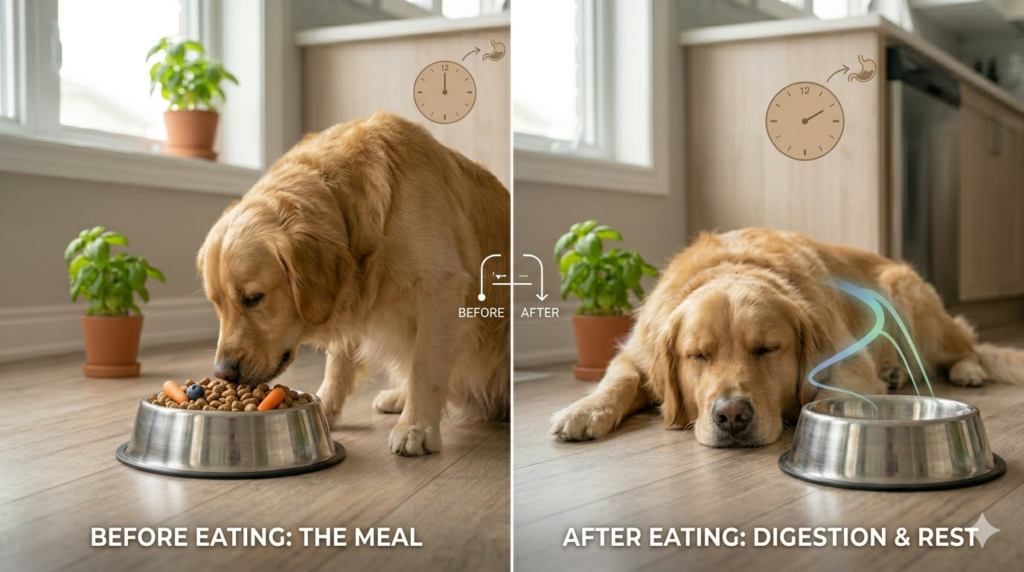
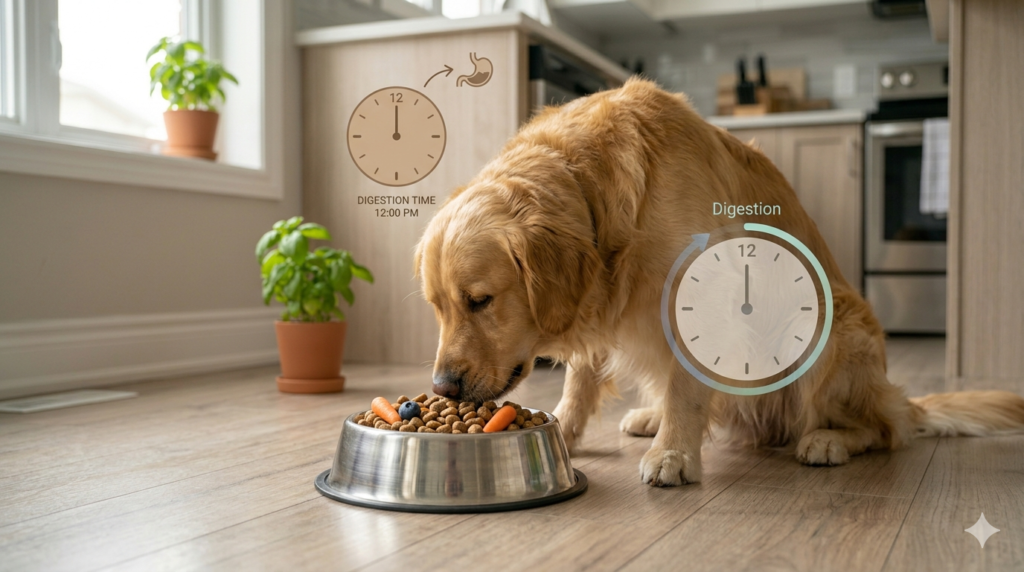
If you’re wondering how long does it take a dog to digest food (or how long does it take for a dog to digest food), the short answer is: most dogs digest a meal in about 8 to 12 hours, but the full digestive process can range from as fast as 4 hours to as long as 24+ hours, depending on the dog and the food.
This guide explains the normal digestion timeline, why some dogs poop sooner or later, and when slow or fast digestion could signal a problem.
How Long Does It Take a Dog’s Food to Digest?
For many healthy adult dogs on a consistent diet:
Typical digestion time: 8–12 hours
Common range: 4–24 hours
That means if your dog eats breakfast, it’s normal for a bowel movement to happen later that day—or even the next morning.
The Dog Digestion Timeline (Step-by-Step)
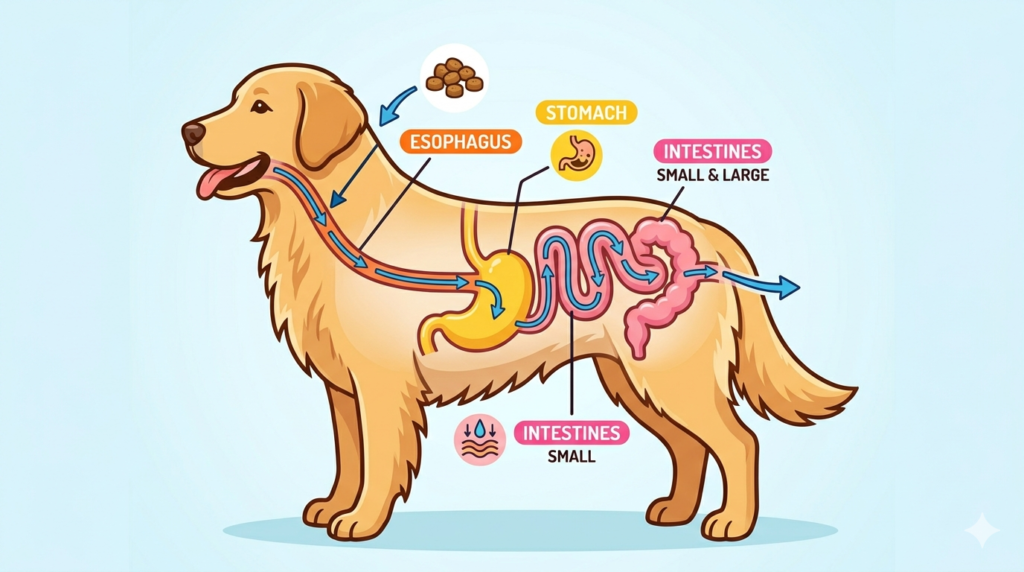
Here’s what digestion usually looks like inside a dog’s body:
1) Mouth to stomach (minutes)
Dogs chew less than humans, especially kibble-fed dogs. Food moves quickly to the stomach.
2) Stomach digestion (2–8 hours)
The stomach uses strong acids and enzymes to break down proteins and fats. Larger meals and high-fat meals usually stay in the stomach longer.
3) Small intestine (2–6 hours)
Most nutrient absorption happens here—proteins, fats, carbs, vitamins, minerals.
4) Large intestine and colon (4–12+ hours)
Water is absorbed and stool forms. Fiber plays a big role in how fast stool moves and how firm it becomes.
Total time from eating to bowel movement commonly falls inside that 8–12 hour window, but variation is normal.
How Often Do Dogs Poop (And How It Connects to Digestion)?
Most adult dogs poop:
1–3 times per day (common)
Some dogs poop soon after eating because of a natural reflex (movement in the gut increases when food enters the stomach). So you might notice your dog needs to go out:
15–60 minutes after meals (especially for morning meals)
That doesn’t mean the dog digested the entire meal instantly—it often means the meal triggered movement of previously digested material.
What Affects How Long It Takes a Dog to Digest Food?
1) Age
Puppies: often digest faster and poop more frequently (smaller digestive system, more meals)
Senior dogs: may digest slower due to reduced activity or health changes
2) Size and breed
Smaller dogs may move food through quicker, but there’s no perfect rule—breed and individual metabolism matter a lot.
3) Activity level
Movement helps gut motility.
More activity → often faster digestion
Very sedentary lifestyle → slower digestion
4) Food type
Food composition makes a big difference.
Typically faster:
Wet food (more moisture)
Highly digestible diets
Simple foods
Typically slower:
High-fat meals
Very large meals
Foods with lots of fiber (can speed up or slow down depending on type)
Heavy bones/chews (can slow transit and harden stool)
5) Sudden diet changes
Switching food too quickly can disrupt the gut and cause diarrhea or irregular timing. Gradual transitions usually stabilize digestion.
6) Hydration
Water helps stool move through the colon.
Poor hydration → constipation, slower digestion
Good hydration → more regular bowel movements
7) Stress
Stress can speed up digestion (loose stool/diarrhea) or slow it down (constipation), depending on the dog.
How Long Does It Take a Dog to Digest Food After Eating Something New?
If your dog tries a new treat or new food, you may see a change within:
6–24 hours (often when stool appears)
If the new food doesn’t agree with your dog, you may notice:
gas
soft stool
diarrhea
vomiting
This is why it’s best to introduce new foods in small amounts.
Signs Digestion Might Be Too Fast
Fast digestion usually shows up as diarrhea or very soft stool.
Possible causes:
diet change
too much fat
stress
parasites
food intolerance
GI illness
If diarrhea lasts more than a day, becomes frequent, or your dog seems weak, it’s worth calling a vet.
Signs Digestion Might Be Too Slow
Slow digestion often looks like constipation or straining.
Possible signs:
no poop longer than usual
hard, dry stool
straining without producing stool
discomfort or bloating
Common causes:
dehydration
lack of activity
too many bones/chews
hair ingestion
obstruction (more serious)
When to Worry and Call a Vet
Contact a veterinarian urgently if you see:
repeated vomiting
bloody diarrhea or black/tarry stool
severe lethargy
swollen or painful abdomen
your dog cannot poop and seems in pain
suspected foreign object ingestion
For timing alone, a general guideline:
No poop for 48 hours (especially with discomfort) → call your vet
Diarrhea lasting 24–48 hours, or sooner if severe → call your vet
Quick FAQ
How long does it take a dog to digest food completely?
Usually 8–12 hours, but it can range 4–24+ hours.
How long does it take a dog’s food to digest if they eat once per day?
Often the dog will poop later the same day or the next morning, depending on the dog and meal size.
Why does my dog poop right after eating?
A natural gut reflex can push previously digested material forward when a new meal enters the system.
Does kibble digest slower than wet food?
Often yes, because wet food has more moisture and can be easier to process, but digestion varies by formula and dog.
Digestion Time vs “Transit Time” (Why People Get Confused)
When someone asks how long does it take a dog to digest food, they often mean one of two different things:
1) Stomach emptying time
How long the meal stays in the stomach before moving forward. This is usually a few hours and varies most with meal size and fat content.
2) Gastrointestinal transit time (mouth → poop)
How long it takes food to travel through the entire digestive system and come out as stool. This is what most owners care about, and it commonly falls in the 8–12 hour range, with a wide normal range of 4–24+ hours.
A dog can poop soon after eating even though the new meal hasn’t “finished digesting.” That’s because the body is moving older, already-processed material out.
Why Dogs Often Poop Shortly After Eating
Many dogs need to go out within 15–60 minutes after a meal. This happens because eating triggers a natural digestive reflex that increases gut movement.
This is completely normal and often explains why:
Puppies poop right after meals
Dogs poop after breakfast on a consistent schedule
Dogs may poop twice on morning walks
It doesn’t mean the dog digested the meal instantly—it usually means the meal stimulated the colon to empty what was already there.
Kibble vs Wet Food vs Fresh Food: Does Digestion Time Change?
Yes, the type of diet can influence digestion speed and stool quality.
Dry kibble
Often produces firmer stool
Digestion time is usually steady once the dog is adjusted
Some high-fiber kibbles can increase stool volume
Wet food
Often moves through more smoothly because of higher moisture
Can produce softer stool in some dogs
Can be easier for picky eaters or seniors
Fresh cooked diets
Often very digestible (depends on ingredients)
Can change stool frequency at first
Transition must be gradual to avoid diarrhea
Raw diets
Some dogs have firmer stool
Risk of digestive upset is higher if switching too fast
Not every dog tolerates raw equally
The key idea: digestion timing depends on digestibility + fat level + fiber + moisture, not just whether the food is “premium.”
How Fiber Changes Digestion Speed (And Stool)
Fiber is one of the biggest factors affecting how quickly a dog’s food moves through the gut.
Insoluble fiber
Adds bulk to stool
Helps move stool forward
Too much can create large, frequent stools
Soluble fiber
Holds water and supports stool consistency
Can help with both diarrhea and constipation (in balanced amounts)
This is why some “sensitive stomach” foods include targeted fiber sources like pumpkin, beet pulp, or certain prebiotics.
Does Protein Digest Faster Than Carbs?
Dogs digest proteins and fats differently than carbohydrates. In general:
Fat slows digestion because it stays in the stomach longer and triggers slower emptying.
High-fat meals are often the #1 reason a dog feels nauseous, vomits, or has loose stool after a new food.
Carbs and lean protein are usually easier for many dogs to tolerate than rich fatty treats.
So if your dog eats something greasy (fatty meat scraps, rich treats), digestion may slow down and stool timing may change.
How Age Changes Digestion
Puppies
Puppies usually digest faster and poop more frequently because:
They eat more meals
Their gut is smaller
Their metabolism is faster
Many puppies poop 3–5 times per day (sometimes more), especially right after meals.
Senior dogs
Seniors may digest slower because:
Activity level is lower
Gut movement slows
Dental problems change chewing
Chronic conditions may affect appetite and digestion
If a senior dog becomes constipated more often, hydration and vet evaluation may be needed.
How Long Is Too Long Without Pooping?
A dog’s poop schedule varies, but general guidance:
If your dog hasn’t pooped in 24 hours, monitor closely.
If no poop in 48 hours, especially with discomfort, straining, vomiting, or bloating, contact a vet.
Constipation can be caused by dehydration, low activity, too many bones/chews, or sometimes obstruction.
Signs Food Is Moving Too Fast (Diarrhea Patterns)
If digestion is “too fast,” you’ll usually see:
Soft stool
Watery diarrhea
Frequent urgent trips outside
Mucus in stool (often from irritation)
Common reasons:
sudden diet change
stress
parasites
intolerance to an ingredient
infection
If diarrhea lasts more than a day or comes with lethargy, vomiting, blood, or dehydration signs, call a vet.
Signs Food Is Moving Too Slowly (Constipation Patterns)
Slow digestion and constipation may show as:
Straining without stool
Very hard, dry stools
Small pebble-like stools
Discomfort when squatting
Reduced appetite
Common causes:
dehydration
inactivity
too many hard chews/bones
hair ingestion
pain
If your dog strains repeatedly or seems bloated, treat it seriously.
What a Normal Poop Should Look Like
Healthy digestion often shows up in stool quality.
Generally normal stool:
firm but not rock-hard
easy to pick up
chocolate-brown color
no excessive mucus
no blood
Stool changes are often the first sign that digestion timing or gut health has shifted.
A Simple “Digestion Tracking” Tip for Owners
If you want to understand your dog’s digestion time better, track:
Meal time
Walk time
Stool time
Stool firmness (firm / soft / watery)
Treat changes (new treats often affect stool)
Within a week, patterns usually become obvious.
Extended Conclusion
So, how long does it take a dog to digest food? For many dogs, the typical overall transit time is 8–12 hours, but a wide range of 4–24+ hours can still be normal depending on diet type, fat level, fiber, hydration, stress, age, and activity level. Dogs often poop after meals because eating triggers gut movement, pushing out previously digested material. The most important signs of healthy digestion aren’t the exact hours—they’re consistency, normal stool quality, stable appetite, and comfortable bathroom habits.