
How Long Can Dogs Survive Without Eating? The Real Answer
How long can a dog go without food? Learn how long dogs can safely fast, possible reasons for appetite loss, and when to see a vet.
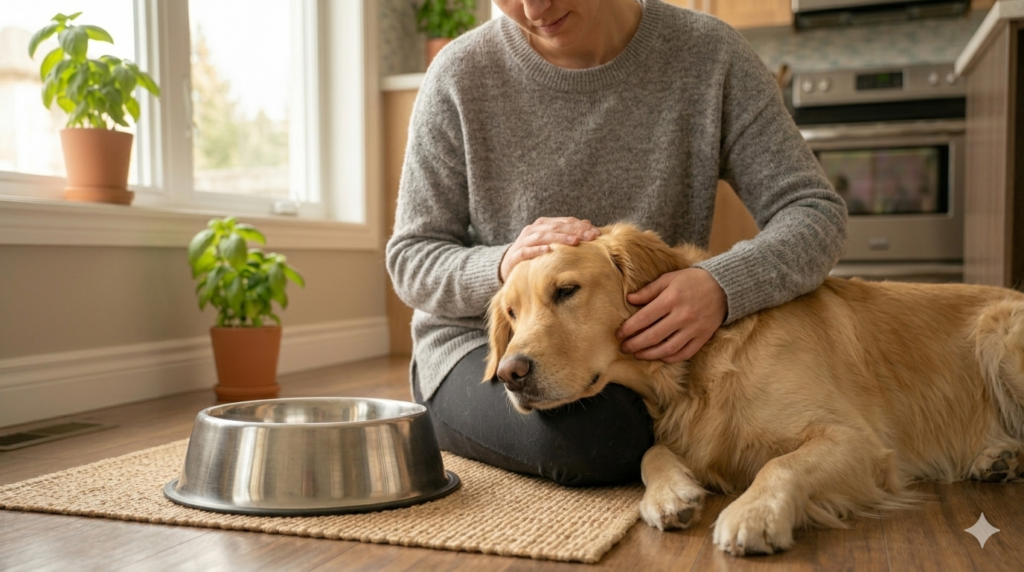
How Long Can a Dog Go Without Food? What’s Normal, What’s Dangerous, and When It Becomes an Emergency
If your dog hasn’t eaten, it’s scary—especially when you start searching how long can a dog go without food, how long can a dog go without food and water, or even how long can a dog go without food before dying. The honest answer is: it depends, and the most urgent factor is usually water.
This guide explains realistic timelines, what changes the risk, and exactly when you should contact a veterinarian.
Quick, Safe Summary (Most Important First)
Water matters more than food. Dehydration becomes dangerous much faster than missing meals.
Many sources note dogs may survive about 2–3 days without water, but dehydration signs can appear after 24 hours and it can become an emergency if they go 3–4 days without drinking.
For food: a common veterinary guideline is that most adult dogs can go about 3–5 days without eating if they are still drinking water, but you should call your vet much sooner (often by 24–48 hours) rather than waiting.
How Long Can a Dog Go Without Food?
For a healthy adult dog, the typical range discussed by veterinary sources is:
About 2 days before you should be concerned and contact your vet in many cases
Up to 3–5 days may be survivable if the dog is still drinking water, but it’s not recommended to wait that long to seek advice
Why dogs can go longer without food than you think
Dogs have energy reserves (fat stores and muscle) that the body can use short-term. But “survive” is not the same as “safe.” A dog that won’t eat may be dealing with pain, infection, GI illness, dental problems, poisoning, obstruction, pancreatitis, or many other conditions.
When “not eating” becomes urgent sooner
Contact a vet sooner than 48 hours if your dog is:
a puppy (small body reserves, riskier faster)
a senior
very small/toy breed
diabetic or has chronic disease
vomiting, lethargic, or acting painful
How Long Can a Dog Go Without Water or Food?
This is where urgency increases.
Water: the critical timeline
Multiple veterinary clinic sources note:
A dog may survive around 72 hours (3 days) without water, but dehydration signs can appear after 24 hours.
PetMD notes it generally becomes an emergency if a dog goes 3–4 days without drinking water, because severe dehydration can be fatal if not treated.
Food + water together
If a dog is refusing both food and water, you should treat this as urgent—often same-day veterinary advice is the safest move, especially if it has been close to 24 hours without water or if there are additional symptoms.
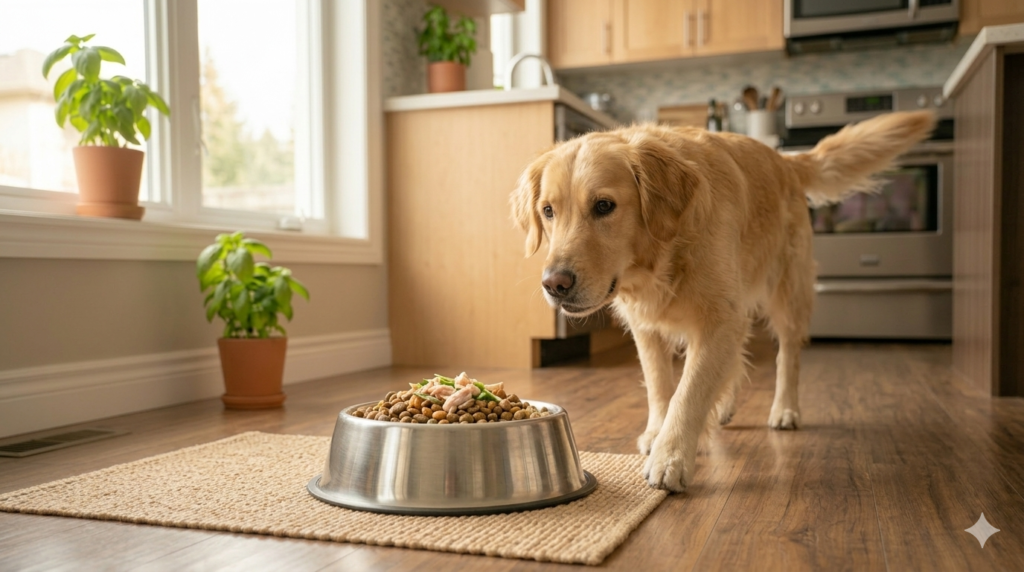
How Long Can a Dog Go Without Food and Water?
When you remove both:
The body dehydrates quickly
Blood volume and circulation are affected
Organs (especially kidneys) are stressed
Even though “survival” is sometimes quoted as up to about 3 days without water, dehydration can become dangerous well before that, and some sources warn that going beyond 24 hours without water can make dogs very unwell.
Bottom line: If your dog isn’t drinking, don’t wait.
How Long Can a Dog Go Without Food Before Dying?
This question is common, but it’s not a number you should use to decide what to do—because dogs can decline for reasons unrelated to “starvation” (like dehydration, poisoning, obstruction, infection, kidney failure).
That said, veterinary guidance commonly indicates:
Healthy adult dogs may endure several days without food if water intake is adequate
Risk rises sharply if the dog is also not drinking, vomiting, has diarrhea, is very young/old, or has medical conditions
If you’re asking this, it’s a sign you should contact a vet now, not measure the clock.
Why a Dog Stops Eating (Common Causes)
A dog refusing food can be caused by something minor—or something serious. Common causes include:
stomach upset (diet change, spoiled food)
dental pain or mouth injury
nausea (GI illness, pancreatitis)
parasites
stress (travel, new environment)
infection/fever
foreign body obstruction (especially if vomiting)
chronic disease flare (kidney, liver, diabetes)
PetMD emphasizes that veterinarians need to distinguish between lack of appetite and inability to eat and advises contacting your vet if your adult dog hasn’t eaten in 2 days even if otherwise acting normal.
Red Flags: When to Seek Emergency Care
Go to an emergency vet (or urgent clinic) if any of these occur:
refusal of water, especially approaching 24 hours
repeated vomiting
bloody diarrhea or black/tarry stool
bloated abdomen or repeated unproductive retching
collapse, severe weakness, or disorientation
known toxin exposure (chocolate, xylitol, meds, plants)
suspected foreign object ingestion (toy, bone pieces)
Not drinking for extended periods can cause severe dehydration that may become life-threatening.
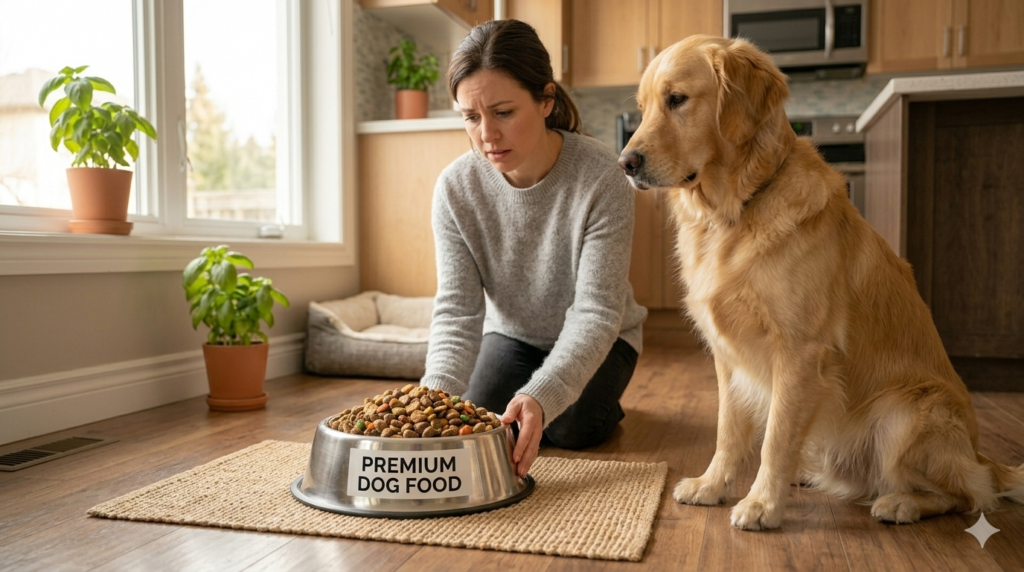
What You Can Do at Home (Safe, Low-Risk Steps)
If your dog is alert and not showing emergency symptoms:
Offer fresh water in a clean bowl and a second bowl in another location.
Try wet food or add warm water to kibble to increase smell and hydration.
Offer a small amount of a bland diet (only if your vet has previously said it’s okay): plain boiled chicken + plain rice (no seasoning).
Keep treats to a minimum (treat overload can worsen GI upset).
Monitor for vomiting, diarrhea, lethargy, pain, or bloating.
If they still won’t drink or symptoms worsen, escalate to veterinary care.
Why “Water Intake” Is the Better Alarm Than “Food Intake”
A dog can be picky for a day. But dehydration can cause rapid decline. Many veterinary sources use 24 hours without water as a major warning sign because dehydration effects begin early, even if “survival” might be longer.
Practical “When to Call” Timeline
Use this simple timeline:
If your dog won’t eat:
Call your vet within 24–48 hours, sooner if your dog is a puppy, senior, or sick.
If your dog won’t drink:
Call your vet the same day (and treat it as urgent if approaching 24 hours). Dehydration becomes a major emergency risk if prolonged.
If your dog won’t eat AND won’t drink:
Urgent / same-day veterinary advice is the safest choice.
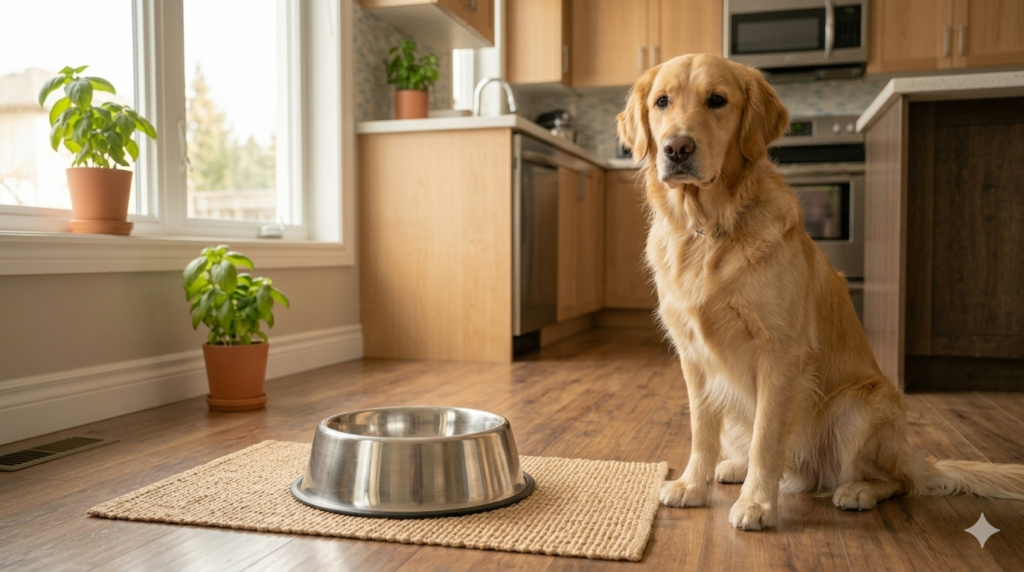
How Long Can a Dog Go Without Food or Water? The Real-World Timeline
When people search how long can a dog go without food or water, they usually want a simple number. But the safer way to think about it is a risk timeline—because many dogs become dangerously ill before they reach the “maximum survival” window.
Water: the urgent one
Most veterinary guidance says dogs may survive around 72 hours (3 days) without water, but dehydration effects can show up after the first 24 hours.
That’s why many vets treat “not drinking for a full day” as a serious warning sign.
Practical takeaway: If your dog has not had water for ~24 hours (or is drinking almost nothing), contact a vet the same day.
Food: typically slower than water
Veterinary sources commonly explain that many healthy adult dogs can go a few days without eating if they are still drinking, but you should not wait for the “max survival” number to act. PetMD notes that if a dog stays uninterested in food and it persists over a couple of days, you should contact your veterinarian—and puppies or dogs with chronic illness need help sooner.
A practical rule many clinics use: if a dog still won’t eat after 24–48 hours, a vet visit is recommended.
How Long Can a Dog Go Without Food and Water?
When dogs refuse both food and water, urgency increases because dehydration becomes the limiting factor. A common veterinary “rule of thumb” is that dehydration symptoms can appear after 24 hours without water, even if a dog might technically survive longer.
If your dog refuses both food and water for more than 24 hours, many clinics advise being seen right away.
How Long Can a Dog Go Without Food Before Dying?
This is a common search: how long can a dog go without food before dying. But the truth is most life-threatening situations in this scenario happen because of dehydration or the underlying illness causing the appetite loss (blockage, infection, toxins, kidney failure), not starvation alone.
Even if a dog can “survive” several days without food, PetMD emphasizes that lack of appetite lasting a couple of days should be evaluated, and puppies or dogs with conditions like diabetes need help immediately.
Safer way to think about it: if you’re worried about “dying,” treat it as a signal to call a vet now rather than counting days.
What Changes the Timeframe (Why Some Dogs Decline Faster)
Two dogs can stop eating on the same day and have totally different risk levels. These factors make the “no food/no water” window shorter and more dangerous:
1) Age
Puppies have small energy reserves and can get weak quickly.
Seniors may dehydrate faster and often have underlying issues.
PetMD specifically calls out puppies and dogs with chronic medical conditions as needing veterinary contact immediately if they won’t eat.
2) Size
Small dogs have less reserve and can drop in blood sugar faster than large dogs.
3) Heat and activity
Hot weather increases water needs. The AKC notes that hydration needs vary with weather and activity and gives a general guideline that dogs require about one ounce of water per pound of body weight per day (often more with heat or exercise).
4) Vomiting/diarrhea
Fluid loss accelerates dehydration.
5) Medical conditions
Kidney disease, diabetes, pancreatitis, and infections can make refusal of food/water much more dangerous.
Signs of Dehydration in Dogs (What to Watch For)
If you’re searching how long can a dog go without food and water, you should also know dehydration signs. Common red flags include:
Dry or sticky gums
Lethargy/weakness
Sunken eyes
Reduced skin elasticity (“skin tent” test can be misleading, so don’t rely on it alone)
Panting or rapid breathing
Multiple veterinary sources emphasize dehydration can become apparent after 24 hours without water.
When It’s an Emergency vs When You Can Monitor Briefly
Seek same-day veterinary help if:
Your dog isn’t drinking, especially approaching 24 hours
Refusing both food and water for 24 hours
Vomiting repeatedly, has bloody diarrhea, seems painful, collapses, or has a swollen belly
You suspect toxin exposure or foreign object ingestion
You can sometimes monitor 24–48 hours only if:
Your dog is still drinking normally
Energy is mostly normal
No vomiting/diarrhea
No severe lethargy
PetMD notes that if a dog is otherwise acting normal and eating/drinking normally, it can be reasonable to monitor for 24–48 hours—but worsening symptoms mean the dog should be examined.
Safe At-Home Steps While You Arrange a Vet Call
These are low-risk supportive steps (not a substitute for vet care):
Offer fresh water in a clean bowl, and place a second bowl in another spot.
Offer wet food or moistened kibble to increase smell and fluid intake (if your dog will accept it).
Keep things calm and cool—heat increases dehydration risk.
Don’t force food or water if your dog is vomiting or seems in pain—call a vet.
If they still won’t drink or symptoms appear, escalate quickly.
Extra Clarity for Your Keywords
How long can a dog go without food? Often a few days may be survivable in healthy adults if drinking, but vet contact is recommended if it persists 24–48 hours, and sooner for puppies or sick dogs.
How long can a dog go without food and water / without food or water / without water or food? Water is the urgent factor; dehydration signs can appear after 24 hours and many sources cite about 72 hours as a rough survival limit.
How long can a dog go without food before dying? The exact number isn’t the right decision tool—underlying disease and dehydration are usually the real threat; appetite loss lasting “a couple of days” should be evaluated.