Best High Protein Dog Food in 2026
Discover the best high protein dog food options with quality ingredients.
High Protein Dog Food: Benefits, Ingredients, and Choosing the Best High Protein Dog Food
Protein plays a central role in canine nutrition. From muscle maintenance to immune support, dogs rely on adequate protein intake for overall health. Many pet owners search for high protein dog food, compare different high protein dog foods, or look for the best high protein dog food to support active lifestyles. This guide explains what high-protein formulas are, who needs them, and how to choose the right dog food with high protein levels.
What Is High Protein Dog Food?
High protein dog food contains a greater percentage of protein compared with standard maintenance formulas. Protein levels typically vary by product, but high-protein recipes prioritize meat-based ingredients and concentrated animal sources.
Protein supports:
Muscle growth
Tissue repair
Enzyme production
Immune function
Energy metabolism
Dogs use amino acids from protein to maintain body systems.
Why Dogs Need Protein
Dogs are omnivorous but still rely heavily on animal protein for essential amino acids. Active dogs, working breeds, and highly energetic pets often require more dietary protein than sedentary dogs.
Protein helps with:
Lean muscle development
Recovery after activity
Strong coat and skin
Organ function
Balanced intake ensures long-term health.
High Protein Dog Foods vs Regular Formulas
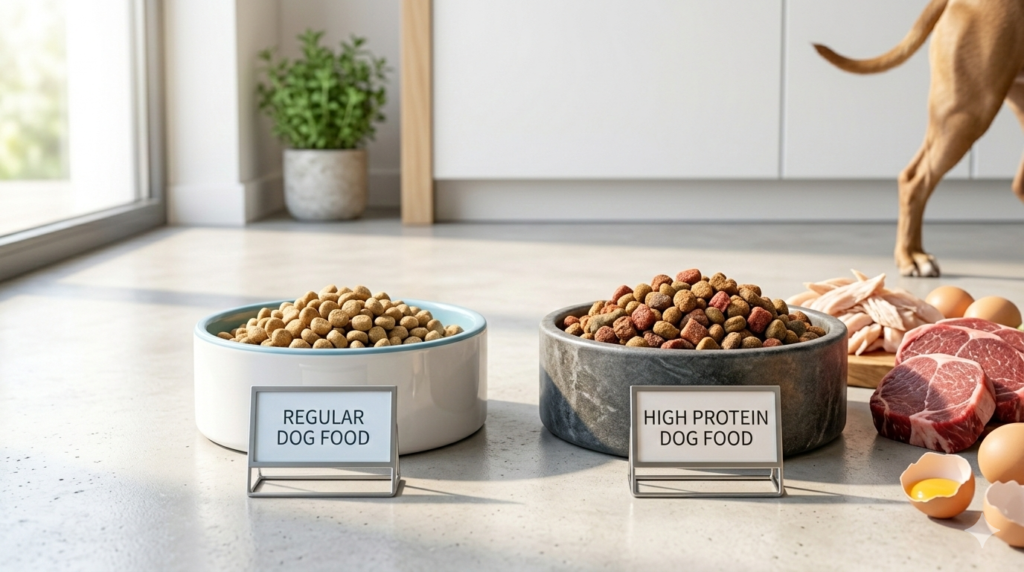
Standard maintenance dog food contains moderate protein levels suitable for average activity. High-protein options increase protein percentage and often reduce carbohydrate content.
Differences may include:
Higher meat inclusion
Lower grain proportion
Greater calorie density
Enhanced muscle support
Choosing the right level depends on the dog’s activity and life stage.
Best High Protein Dog Food: What to Look For
When selecting the best high protein dog food, ingredient quality matters more than percentage alone.
Key factors:
Named meat sources
Balanced fat levels
Digestible ingredients
Complete nutrient profile
Age-appropriate formulation
Protein should come from high-quality animal sources.
Purina High Protein Dog Food Options
Many pet owners search specifically for Purina high protein dog food because of its availability and brand recognition. Purina offers several formulas designed for active and performance dogs.
When evaluating brand-specific options, consider:
Ingredient list
Protein percentage
Life-stage suitability
Feeding guidelines
Brand reputation does not replace label evaluation.
Dog Food With High Protein: Who Needs It?
Not all dogs require high-protein diets. Ideal candidates include:
Working dogs
Sporting breeds
Highly active pets
Growing puppies (appropriate formulas)
Lean dogs needing muscle support
Sedentary dogs may not benefit from excess protein.
Puppies and High Protein Diets
Puppies need adequate protein for growth, but formulas must balance protein with minerals and calories. High protein alone does not guarantee balanced nutrition.
Growth formulas are designed with:
Controlled calcium levels
Balanced energy
Appropriate fat ratio
Safe protein percentage
Life-stage matching is critical.
Senior Dogs and Protein Intake
Older dogs sometimes benefit from moderate to higher protein intake to maintain muscle mass. However, individual health conditions must be considered.
Factors affecting senior diets:
Kidney health
Activity level
Weight control
Digestive tolerance
Balanced protein supports lean muscle in aging dogs.
Protein Sources in Dog Food
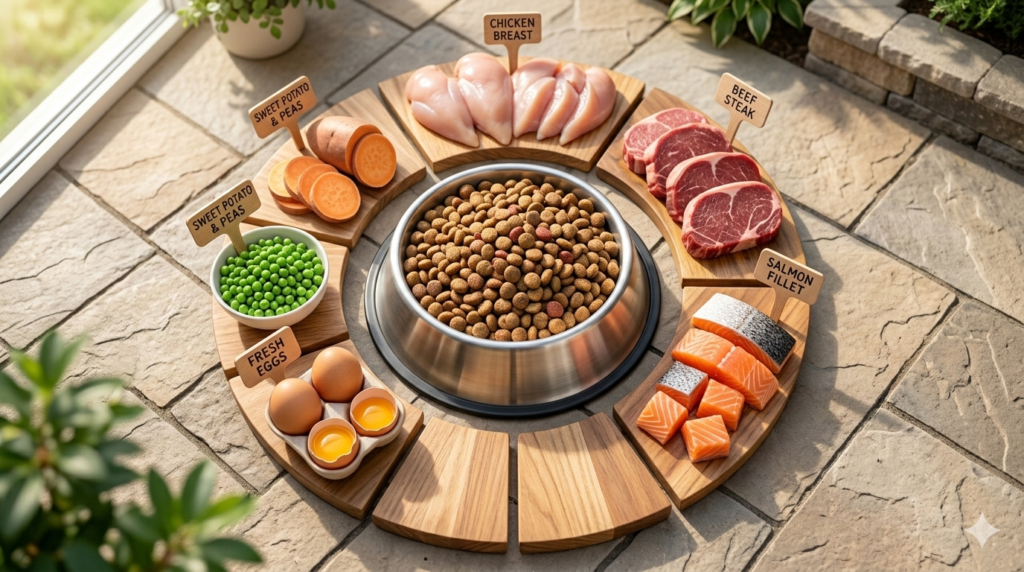
Not all proteins are equal. Quality animal proteins provide complete amino acid profiles.
Common protein sources:
Chicken
Beef
Salmon
Turkey
Lamb
High-quality meat ingredients support digestibility and nutrient absorption.
Animal Protein vs Plant Protein
Animal protein typically contains more complete amino acids than plant protein. Some high-protein dog foods combine both sources.
Animal-based protein advantages:
Better digestibility
Complete amino acids
Muscle support
Balanced formulas consider protein source quality.
How Much Protein Is Too Much?
Excessive protein is usually processed safely by healthy dogs, but very high-fat, high-protein diets may increase calorie intake.
Potential concerns:
Weight gain
Digestive upset
Imbalanced nutrition
Protein percentage should match activity level.
Active and Sporting Dogs
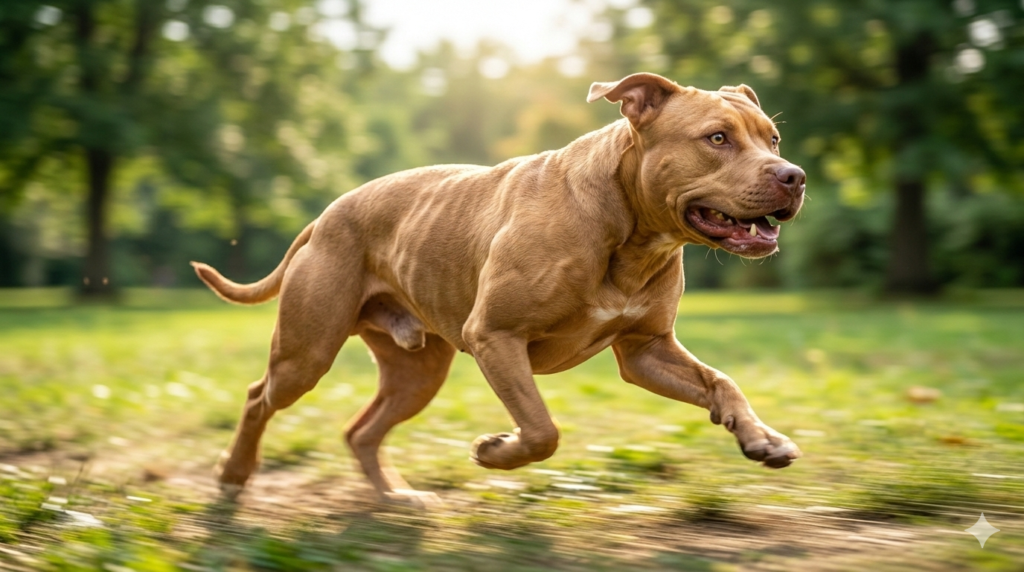
Dogs that run, train, or work frequently require additional protein for muscle recovery and energy support.
High-protein formulas can help:
Repair muscle tissue
Sustain endurance
Maintain lean mass
Energy needs increase with activity intensity.
Reading the Dog Food Label
When evaluating high protein dog foods, look beyond marketing claims. Check guaranteed analysis and ingredient order.
Important label elements:
Crude protein percentage
First ingredient
Fat content
Calorie density
Understanding labels improves decision-making.
Frequently Asked Questions
What is high protein dog food?
Dog food with elevated protein levels for muscle support.
What is the best high protein dog food?
The best option depends on age, activity, and ingredient quality.
Is Purina high protein dog food good?
It offers high-protein options; evaluate ingredient list and needs.
Does dog food with high protein help active dogs?
Yes, it supports muscle and energy needs.
Can all dogs eat high protein diets?
Not all dogs require high levels; suitability varies.
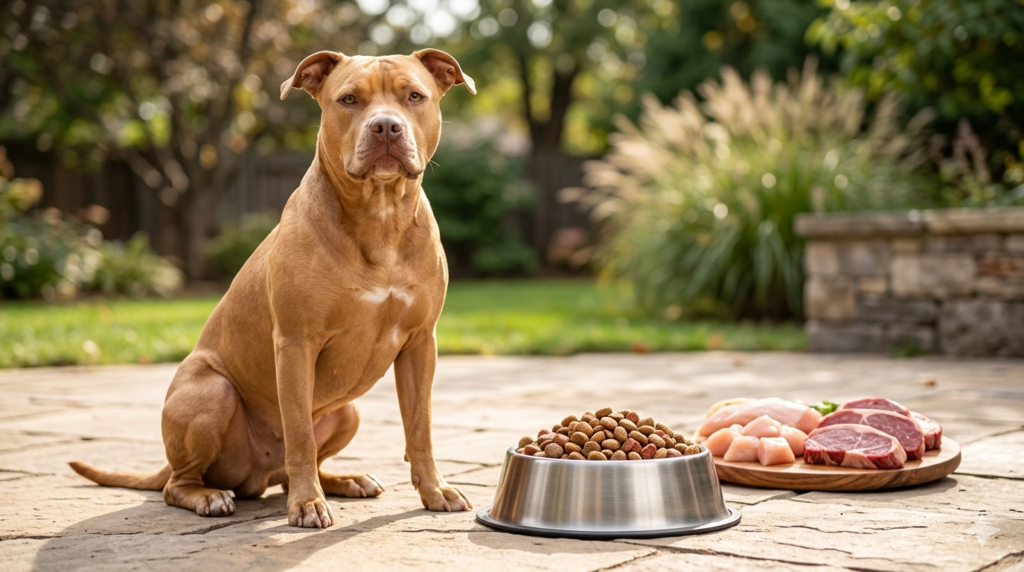
How Protein Supports Muscle Development in Dogs
Protein is made up of amino acids, which serve as building blocks for muscle tissue. When dogs exercise, tiny muscle fibers break down and require repair. Adequate dietary protein helps rebuild these fibers stronger and more resilient.
Active dogs benefit because protein supports:
Muscle repair
Lean body mass
Recovery after exercise
Strength maintenance
Without sufficient protein intake, muscle loss may occur over time.
Protein and Energy Balance
Many people assume protein is only for muscle, but it also contributes to energy metabolism. While fat is the most concentrated energy source, protein can support sustained energy levels in working or athletic dogs.
Energy-related roles of protein include:
Supporting metabolism
Maintaining stamina
Preserving muscle during calorie deficit
However, high-protein formulas often contain higher calories overall, so portion control is essential.
High Protein Dog Foods and Weight Management
Contrary to common belief, higher protein diets can sometimes help maintain healthy weight when properly balanced. Protein increases satiety, helping dogs feel full after meals.
Benefits may include:
Reduced overeating
Lean muscle retention
Improved body composition
Still, calorie density must be monitored to prevent weight gain.
Digestibility Matters More Than Percentage
When comparing high protein dog foods, digestibility is more important than raw protein percentage. Highly digestible protein allows better nutrient absorption and reduces waste.
Digestibility factors include:
Quality of meat source
Cooking process
Ingredient combination
Absence of fillers
A lower percentage of highly digestible protein can outperform a higher percentage of poor-quality protein.
Signs Your Dog May Need Higher Protein
Some dogs show physical signs that suggest increased protein needs.
Possible indicators:
High activity level
Lean muscle goals
Working or sporting lifestyle
Slow recovery after exercise
Veterinary guidance can help confirm dietary adjustments.
When High Protein May Not Be Ideal
Although beneficial for many dogs, high-protein diets may not suit every pet. Dogs with certain medical conditions require carefully controlled nutrition.
Situations requiring caution:
Kidney disease
Liver conditions
Pancreatitis
Low activity levels
Diet changes should align with overall health status.
Puppy Growth and Balanced Protein
Growing puppies need adequate protein for development, but excess alone does not improve growth. Balanced nutrition ensures proper skeletal and muscle development.
Growth considerations include:
Correct mineral balance
Appropriate calorie intake
Controlled fat levels
Digestible protein sources
Puppy formulas are specifically designed to maintain this balance.
High Protein vs High Fat Diets
Some dog foods combine high protein with high fat to increase energy density. While suitable for athletic dogs, this combination may be too rich for sedentary pets.
Comparison:
High protein, moderate fat → muscle support
High protein, high fat → energy-dense performance diet
Matching formula to activity level prevents unnecessary calorie intake.
Reading Guaranteed Analysis on Dog Food Labels
To evaluate protein content, check the guaranteed analysis section on packaging.
Look for:
Crude protein percentage
Crude fat percentage
Calorie content
Ingredient order
The first few ingredients reveal primary protein sources.
Animal-Based Protein Quality
Complete animal proteins contain essential amino acids required by dogs.
High-quality sources include:
Chicken meal
Beef meal
Fish meal
Whole meats
Named meat ingredients indicate clearer sourcing than generic terms.
High Protein Dog Food for Sporting Breeds
Sporting and working breeds often benefit from elevated protein intake because of sustained physical activity.
Breeds that may benefit include:
Herding dogs
Hunting breeds
Agility competitors
Service dogs
Performance diets help maintain endurance and muscle integrity.
Coat and Skin Support
Protein also contributes to skin and coat health. Hair is largely made of protein, so insufficient intake may impact coat appearance.
Adequate protein supports:
Glossy coat
Skin repair
Reduced shedding
Healthy growth cycles
Balanced nutrition improves overall appearance.
Extended Conclusion
High-protein dog food supports muscle repair, lean mass maintenance, and energy metabolism when matched appropriately to a dog’s lifestyle. While active, working, and athletic dogs may benefit from increased protein intake, sedentary pets may require more moderate levels. Ingredient quality and digestibility are more important than raw percentage alone.
When selecting the best high-protein formula, consider life stage, activity level, health conditions, and overall calorie balance. A properly chosen high-protein diet can promote strength, endurance, coat health, and long-term vitality while maintaining balanced nutrition.