Gluten Free Dog Food: Is It Really Better for Your Dog?
Wondering if gluten free dog food is right for your pup? Discover the truth, top benefits, and best brands to keep your dog healthy and happy.
Gluten Free Dog Food: The Complete Guide Every Dog Owner Needs in 2025
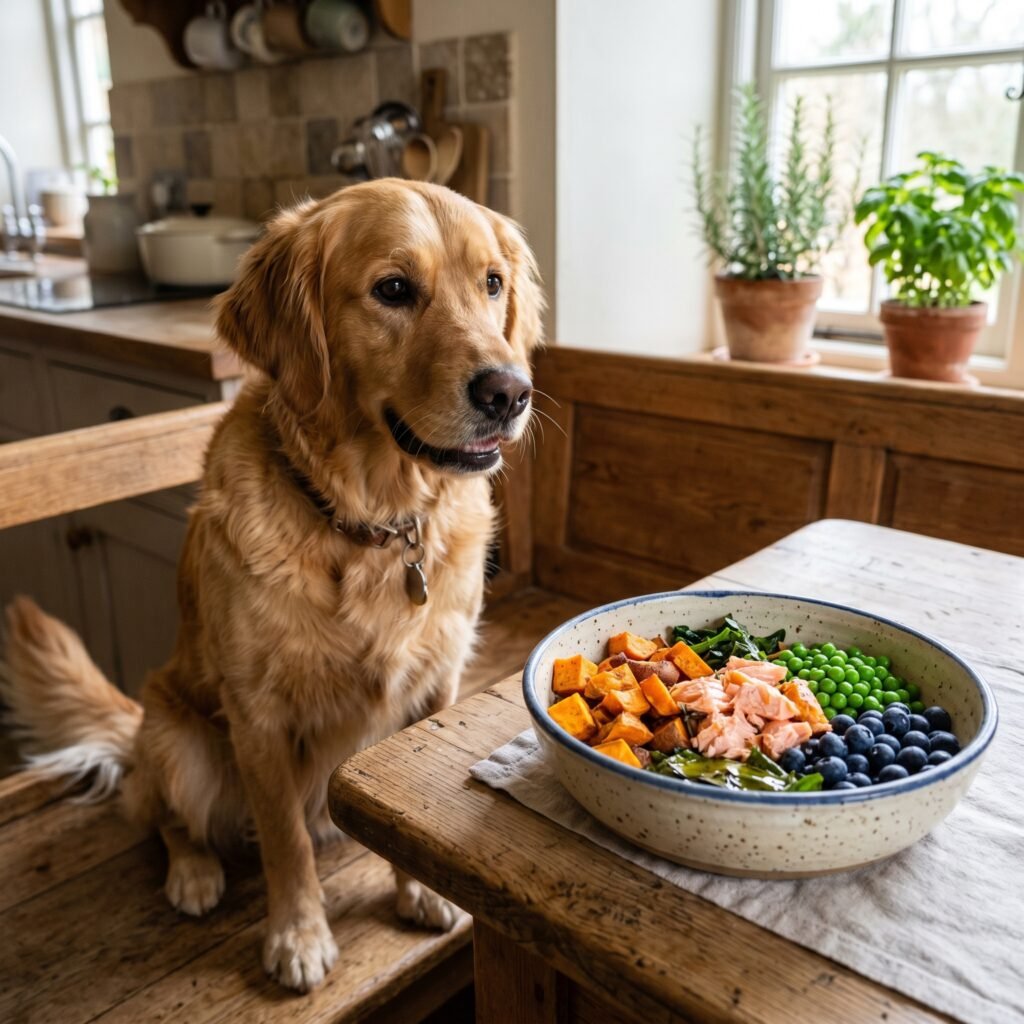
If you’ve been wondering whether gluten free dog food is right for your pet, you’re not alone. More dog owners than ever are scrutinizing ingredient labels, questioning conventional kibble, and looking for cleaner, more digestible options for their companions. Whether your dog has been formally diagnosed with a sensitivity or you’re simply being proactive about their long-term health, understanding gluten — what it is, what it does, and when it matters — is the first step toward making a truly informed decision.
This comprehensive guide covers everything you need to know: what gluten is and how it affects dogs, the signs of gluten sensitivity, how to evaluate gluten free dog food brands, what ingredients to look for (and avoid), and a breakdown of some of the best options currently available. By the time you finish reading, you’ll have the knowledge to choose a diet that genuinely supports your dog’s health.
What Is Gluten and Why Does It Matter for Dogs?
Gluten is a family of proteins found primarily in grains like wheat, barley, and rye. In dog food manufacturing, these grains — particularly wheat — are commonly used as affordable sources of carbohydrates and as binders that hold kibble together. When a dog eats food containing gluten, digestive enzymes break it down in the small intestine. For most dogs, this process works fine. For others, it doesn’t.
Gluten sensitivity in dogs occurs when the immune system reacts abnormally to gluten proteins, triggering inflammation in the gut lining. Over time, repeated exposure can damage the intestinal villi — the tiny finger-like projections responsible for absorbing nutrients — leading to chronic digestive issues and nutritional deficiencies. A more severe, heritable form of this condition (analogous to celiac disease in humans) has been documented in Irish Setters, but milder sensitivities can appear across many breeds.
It’s important to distinguish gluten sensitivity from a general grain allergy. Some dogs react to specific grains like corn or soy rather than to gluten itself. True gluten intolerance specifically involves the gluten protein, not grains at large. That said, gluten free foods for dogs are often grain-free or low-grain by design, which can benefit dogs with either type of sensitivity.
Signs Your Dog May Need a Gluten Free Diet
Not every dog that eats wheat will have a problem. But if your dog regularly shows any of the following symptoms — particularly in combination — it may be worth discussing a dietary change with your veterinarian:
Digestive symptoms are usually the most obvious red flags. Chronic diarrhea or loose stools that don’t resolve with basic dietary adjustments, recurring vomiting after meals, excessive gas and bloating, and abdominal discomfort are all worth taking seriously. If your dog’s symptoms appear consistently after eating and not in response to a specific new food, gluten may be a long-term irritant.
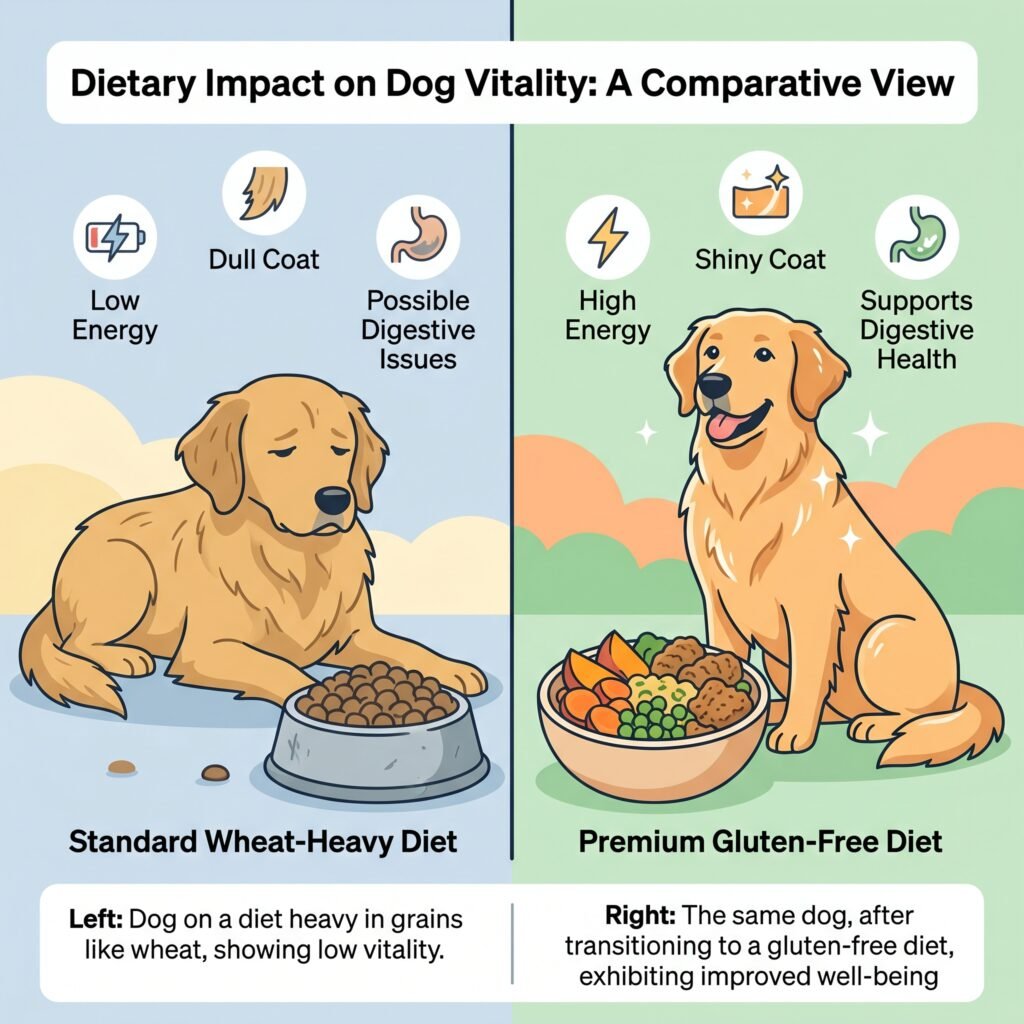
Skin and coat issues are less obvious but equally common. Itchy, inflamed, or flaky skin — especially around the paws, ears, belly, and groin — can indicate a food sensitivity. Recurring ear infections, hot spots, or hair loss that doesn’t have a clear environmental trigger are also associated with dietary intolerances. Many dog owners report significant improvements in their dog’s skin and coat after transitioning to gluten free dog foods.
Low energy and poor condition can also signal something is wrong internally. A dog that isn’t absorbing nutrients properly may appear lethargic, lose muscle mass despite eating normally, or fail to maintain a healthy weight. Puppies with unaddressed gluten intolerance may show stunted growth or poor coat development.
The elimination diet is the gold standard for identifying food sensitivities. Your vet will typically recommend feeding a novel protein and carbohydrate source — one the dog has never eaten — for eight to twelve weeks while monitoring symptoms. If they resolve, ingredients are reintroduced one at a time to identify the trigger. This process takes patience but is far more reliable than general allergy panels.
Understanding the “Gluten Free” Label on Dog Food
Before diving into specific products, it’s worth understanding what “gluten free” actually means on a pet food label. Unlike human food, where the FDA defines and regulates gluten free claims, pet food labeling is governed by the Association of American Feed Control Officials (AAFCO) and the FDA’s Center for Veterinary Medicine — but labeling standards for gluten specifically are less standardized.
In practical terms, a dog food labeled gluten free should contain no ingredients derived from wheat, barley, rye, or their derivatives. However, cross-contamination during manufacturing is always a possibility. If your dog has a confirmed, severe gluten intolerance, look for brands that manufacture in dedicated gluten-free facilities or that conduct third-party testing.
Also watch out for hidden sources of gluten in ingredient lists: wheat germ, wheat starch, barley malt, malt extract, hydrolyzed wheat protein, and modified food starch (when derived from wheat) all contain gluten. Brewer’s yeast is usually gluten free if derived from sugar beets, but yeast derived from barley is not.
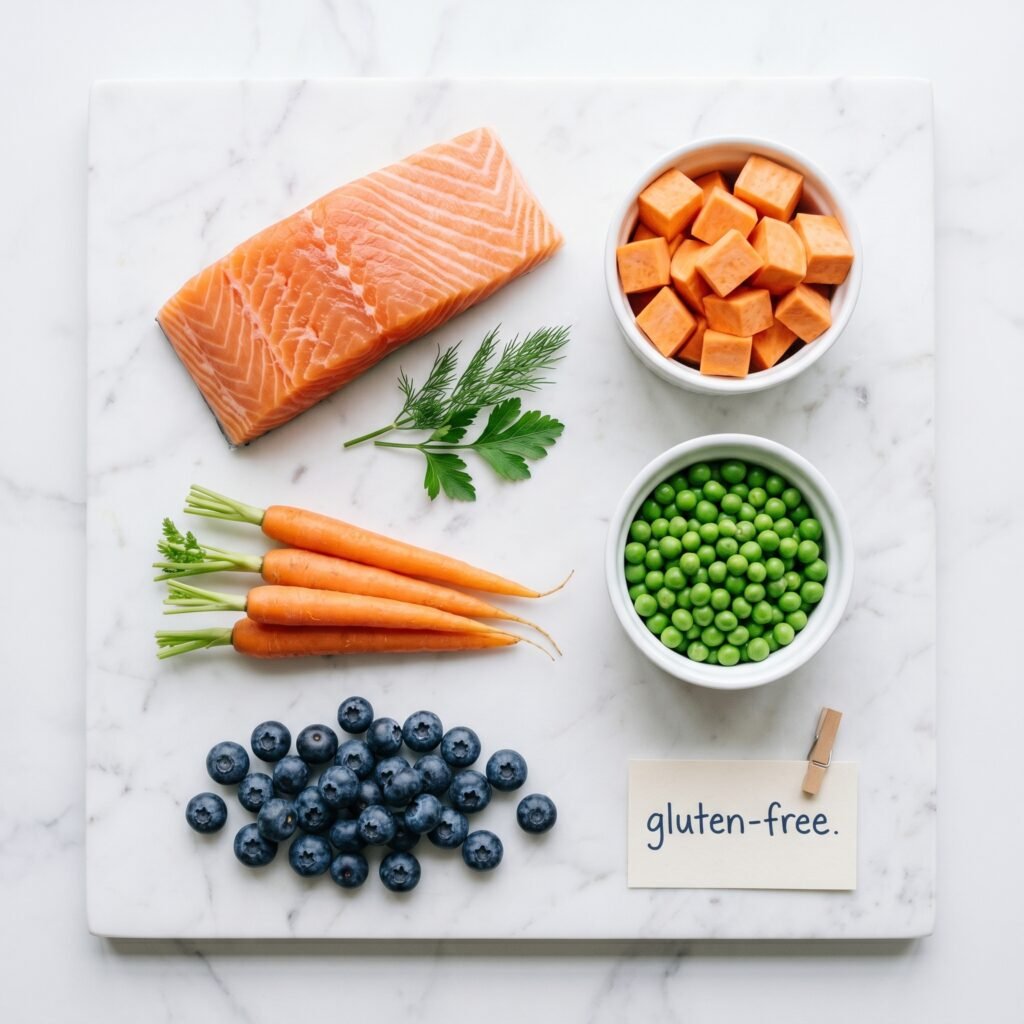
Ingredients that are naturally gluten free and frequently appear in quality gluten free dog food brands include: rice, potatoes, sweet potatoes, cassava, peas, lentils, chickpeas, oats (when certified gluten free), tapioca, and buckwheat. These provide carbohydrates without the associated gluten proteins.
Key Nutritional Principles for Gluten Free Dog Food
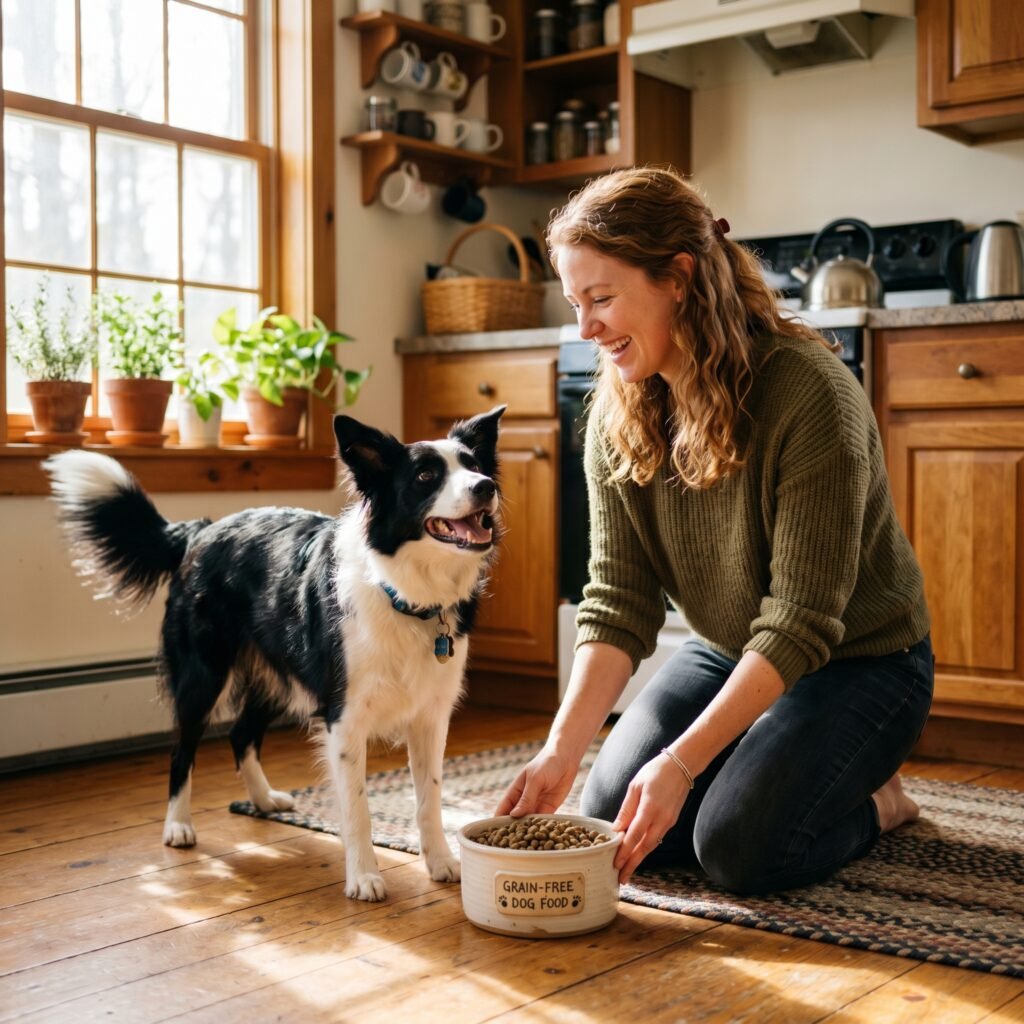
Going gluten free doesn’t automatically mean going grain-free — and it doesn’t automatically mean healthier. A gluten free diet still needs to meet your dog’s complete nutritional requirements. Here’s what to look for:
High-Quality Protein as the First Ingredient
Regardless of whether a food is gluten free or not, protein quality is paramount. Look for named meat sources — chicken, beef, salmon, turkey, lamb, duck — listed as the first ingredient. “Meat meal” is a concentrated protein source and isn’t inherently bad, but should also be from a named animal. Avoid vague terms like “poultry by-product meal” or “animal digest.”
Digestible Carbohydrates
The best gluten free dog foods use carbohydrate sources that are easy on the digestive system. Sweet potatoes and regular potatoes are excellent choices — they’re nutrient-dense, high in fiber, and very well tolerated. Peas and lentils are commonly used as well. Some dogs do well with brown rice or oats, both of which are technically gluten free when uncontaminated, though highly sensitive dogs may want to avoid them to be safe.
Healthy Fats
Omega-3 and omega-6 fatty acids are critical for skin health, brain function, and inflammation control — especially important for dogs whose skin is already irritated by gluten sensitivity. Look for fish oil, flaxseed, or salmon as listed ingredients.
Vitamins, Minerals, and Probiotics
A complete and balanced label (AAFCO statement) ensures the food meets minimum nutritional standards. Beyond that, look for added probiotics, which support gut microbiome balance — something particularly valuable for dogs recovering from gut inflammation caused by gluten sensitivity. Chelated minerals (those bound to amino acids) are more bioavailable than inorganic forms.
What to Avoid
Steer clear of artificial preservatives like BHA, BHT, and ethoxyquin. Avoid artificial colors and sweeteners. Also avoid foods with vague protein sources, excessive fillers like corn syrup or soy meal, or foods where carbohydrates (especially from multiple sources) appear in the first three or four ingredients.
The Best Gluten Free Dog Food: What to Look For by Life Stage
Not every gluten free formula suits every dog. Nutritional needs change significantly across life stages.
Puppies
Growing puppies need higher levels of protein and fat, along with precise calcium-to-phosphorus ratios for healthy bone development. Look for formulas specifically labeled for puppies or “all life stages.” Gluten free options built around chicken or turkey with sweet potato or potato tend to be very well tolerated by young dogs.
Adult Dogs
Most adults do well on a straightforward gluten free formula with a single animal protein, a digestible carbohydrate, and a moderate fat content. Active dogs may need slightly higher caloric density; less active or indoor dogs may benefit from a weight management formula.
Senior Dogs
Older dogs often benefit from increased protein to maintain muscle mass, reduced phosphorus (to support kidney health), and added joint supplements like glucosamine and chondroitin. Many gluten free dog food brands offer senior-specific formulas, or you can look for an adult formula that naturally meets these criteria.
Small Breeds vs. Large Breeds
Small breeds have faster metabolisms and may need calorie-dense foods with smaller kibble size. Large breeds — especially puppies — need controlled calcium and phosphorus levels to prevent developmental orthopedic disease. Both size categories benefit from gluten free formulations, but always confirm the product is sized and balanced appropriately for your dog’s breed type.
Gluten Free Dog Food Brands: What the Market Looks Like
The market for gluten free dog food brands has expanded considerably in recent years. Here’s a breakdown of what distinguishes reputable brands from less reliable ones, along with the types of formulas you’ll commonly encounter:
Limited Ingredient Diets (LIDs)
Limited ingredient diets are specifically designed to minimize the number of potential allergens. They typically feature one protein source and one or two carbohydrate sources, making it easier to identify the cause of a reaction if one occurs. Brands like Natural Balance, Zignature, and Merrick Lil’ Plates offer popular LID options that are also gluten free. These are often the starting point veterinary dermatologists recommend.
Raw and Freeze-Dried Formulas
Raw and freeze-dried foods are naturally free of the fillers and grain derivatives that introduce gluten. Brands like Stella & Chewy’s, Primal Pet Foods, and Instinct offer raw-inspired options that tend to be nutritionally dense and highly palatable. These diets are inherently gluten free but should come from brands that adhere to rigorous safety testing, as raw food carries its own considerations around bacterial contamination.
Novel Protein Formulas
For dogs with multiple food sensitivities, novel protein gluten free dog foods introduce proteins the dog has likely never encountered — venison, kangaroo, alligator, rabbit, bison — paired with equally novel carbohydrates. This dramatically reduces the chance of an immune reaction while maintaining complete nutrition.
Prescription Hydrolyzed Diets
In severe cases of gluten or food sensitivity, veterinarians may recommend a hydrolyzed protein diet. These foods break proteins down into fragments too small to trigger an immune response. While not exclusively marketed as gluten free, most hydrolyzed diets use rice starch as their carbohydrate source and are therefore gluten free by default. Hill’s z/d and Royal Canin Hydrolyzed Protein are the most commonly prescribed options.
Transitioning to a Gluten Free Diet: How to Do It Right
Switching your dog’s food abruptly is one of the most common mistakes owners make, regardless of whether the new food is gluten free or not. The gut microbiome needs time to adapt to new ingredients, and sudden changes can trigger the very digestive symptoms you’re trying to eliminate.
Follow a gradual transition schedule over 10 to 14 days:
- Days 1–3: 75% old food, 25% new gluten free food
- Days 4–6: 50% old food, 50% new food
- Days 7–9: 25% old food, 75% new food
- Days 10–14: 100% new gluten free food
Monitor your dog closely throughout this period. Loose stools or mild gas during the first few days are common and usually resolve on their own. If symptoms worsen significantly or don’t improve after two weeks on the new food, consult your veterinarian before continuing.
Keep in mind that if you’re running a proper elimination diet to diagnose gluten sensitivity, you must avoid all previous ingredients — not just gluten. Every treat, supplement, chew, flavored medication, and toothpaste flavor needs to be assessed for gluten content during the trial period. Even small exposures can invalidate the results.
Homemade Gluten Free Dog Food: Is It a Viable Option?
Some dog owners prefer to cook for their pets, especially once they’ve identified multiple food sensitivities. A homemade gluten free diet gives you complete control over every ingredient. However, it comes with real risks if not done carefully.
The biggest concern with home-cooked dog food is nutritional completeness. It is genuinely difficult to meet a dog’s full micronutrient requirements — particularly calcium, phosphorus, zinc, and vitamins D and E — without careful formulation. Studies have consistently shown that a large proportion of homemade dog food recipes found online are nutritionally deficient.
If you want to pursue home cooking, work with a board-certified veterinary nutritionist (not just a general vet) to develop a complete, balanced recipe tailored to your dog’s specific needs, weight, and health status. Resources like BalanceIT.com allow you to formulate and supplement home-cooked recipes to AAFCO standards.
Common gluten free ingredients for homemade dog food include: chicken thighs, ground beef, salmon, eggs, sweet potatoes, butternut squash, green beans, carrots, blueberries, and cooked white or brown rice. Never add onions, garlic, grapes, raisins, macadamia nuts, chocolate, or xylitol — all of these are toxic to dogs.
Frequently Asked Questions About Gluten Free Dog Food
Is gluten free dog food necessary for all dogs? No. The majority of dogs tolerate gluten without any issue. Gluten free diets are most beneficial for dogs with confirmed gluten sensitivity, dogs undergoing elimination diet trials, or dogs with chronic digestive or skin issues that haven’t responded to other interventions.
Is grain free the same as gluten free? Not exactly. Grain free dog foods eliminate all grains, which means they are automatically gluten free. However, gluten free foods may still contain grains — for example, rice and certified gluten free oats are grains but don’t contain gluten. The terms overlap but aren’t interchangeable.
Should I be concerned about the FDA’s DCM investigation? In 2018, the FDA began investigating a potential link between grain-free diets and dilated cardiomyopathy (DCM) in dogs. The research is still evolving, and no definitive causal link has been established. However, if your dog is on a grain-free, legume-heavy diet, discuss taurine supplementation and cardiac monitoring with your vet. This concern doesn’t apply to gluten free foods that do include grains like rice.
How long before I see results on a gluten free diet? Digestive symptoms often improve within two to four weeks. Skin symptoms typically take longer — eight to twelve weeks is standard, as the skin has its own renewal cycle. Consistency is essential during this period.
Can puppies eat gluten free dog food? Yes, provided the formula is nutritionally complete and appropriate for growth (AAFCO statement for puppies or all life stages). Many puppies thrive on gluten free diets, particularly those bred from lines with known sensitivities.
Final Thoughts: Is Gluten Free Dog Food Right for Your Dog?
Gluten free dog food isn’t a universal solution, but for dogs with genuine sensitivities, it can be genuinely life-changing. Chronic skin issues clear up. Digestive problems that owners had accepted as “just how their dog is” resolve. Energy improves. Coat quality transforms.
The key is approaching the decision methodically. Work with your veterinarian to determine whether gluten sensitivity is actually at play. If it is, choose a high-quality formula from reputable gluten free dog food brands — one with named protein sources, clean carbohydrates, adequate fat, and a complete AAFCO nutritional profile. Transition gradually, monitor carefully, and give the new diet at least two to three months before evaluating results.
If you’re not sure whether your dog needs to go gluten free, start by examining the current food’s ingredient list. If wheat, barley, or rye appears in the first several ingredients, and your dog shows any of the symptoms described in this guide, a trial with gluten free foods for dogs is a reasonable, low-risk experiment that could make a meaningful difference in your companion’s quality of life.
The goal, always, is a happy, healthy dog — and their diet is one of the most powerful levers you have to support that goal.