Best Food for Dogs with Diarrhea (Fast Relief Guide)
Food for dogs with diarrhea should be gentle and easy to digest. Discover the best foods to stop diarrhea fast.
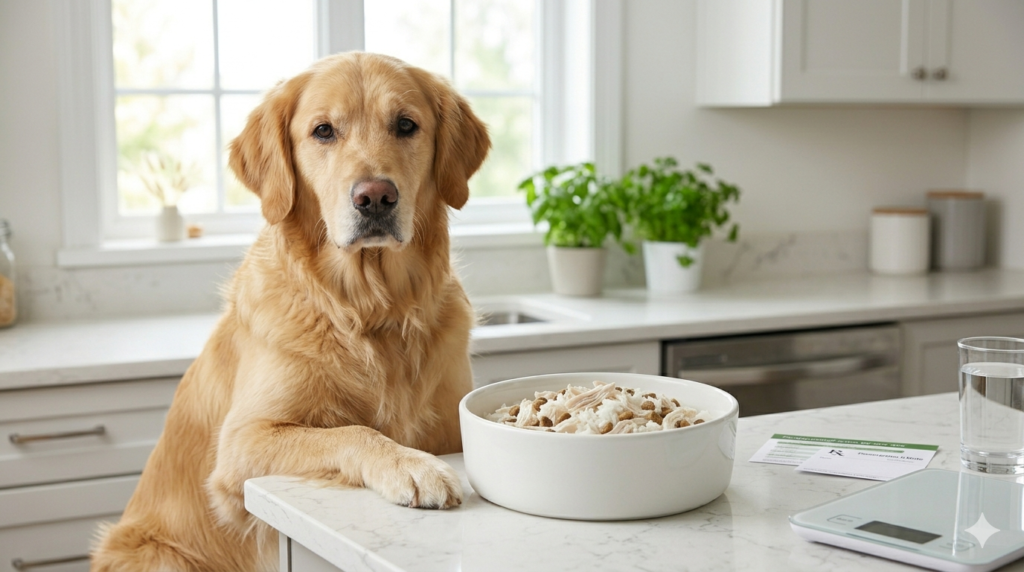
Diarrhea is one of the most common health complaints in dogs — and one of the most distressing experiences for pet owners to witness. Whether it appeared suddenly after your dog got into the trash or has been recurring for weeks without a clear explanation, knowing the right food for dogs with diarrhea can mean the difference between a swift recovery and days of worsening discomfort. A 2025 study published in PLOS One, analyzing health records of over two million dogs in the UK, found that approximately 1 in every 12 dogs is diagnosed with diarrhea each year — and that figure doesn’t even account for the many mild cases managed at home without a vet visit.
The encouraging news is that the same study found over 80% of dogs with diarrhea recovered with just a single vet visit and appropriate dietary management. Choosing the right food for dogs with diarrhea is the most powerful tool available for supporting that recovery. This comprehensive guide covers everything you need to know — from understanding what causes diarrhea and when it demands urgent veterinary attention, to the best food for dogs with diarrhea in the short term, the top commercial formulas for long-term digestive support, and how to safely transition your dog back to their regular diet.
Always consult your veterinarian before making significant dietary changes for a dog with diarrhea, especially if symptoms are severe, persistent, or accompanied by vomiting, blood in the stool, or lethargy.
Understanding Diarrhea in Dogs: Causes and Warning Signs
Before selecting the right food for dogs with diarrhea, it helps to understand what is happening in your dog’s digestive system and why. Diarrhea is a symptom — not a diagnosis — and the underlying cause directly influences which dietary approach will be most effective.
Common Causes of Diarrhea in Dogs
Veterinarians identify the most common triggers for canine diarrhea as:
- Dietary indiscretion: The most frequent cause — your dog ate something they shouldn’t have, whether garbage, spoiled food, table scraps, non-food objects, or an excessive amount of a rich or unfamiliar food
- Sudden diet changes: Switching your dog’s food too quickly without a gradual transition disrupts the gut microbiome and causes loose stools in many dogs
- Food sensitivities or allergies: Intolerances to specific proteins, grains, or additives in a dog’s regular food can cause chronic or recurring diarrhea
- Parasites: Giardia, Coccidia, roundworms, and hookworms are significant causes — a 2025 veterinary surveillance study found that 30% of fecal samples from dogs with diarrhea contained potential pathogens
- Bacterial or viral infections: Campylobacter, Salmonella, and parvovirus can all cause acute, severe diarrhea that requires prompt veterinary treatment — diet management alone is insufficient
- Medications: Antibiotics, NSAIDs, and certain supplements commonly disrupt gut flora and produce diarrhea as a side effect
- Stress and anxiety: Significant life changes, travel, boarding, or loud environmental stressors can trigger stress colitis with loose stools
- Chronic GI conditions: Inflammatory bowel disease (IBD), pancreatitis, Exocrine Pancreatic Insufficiency (EPI), and Addison’s disease can all present with persistent or recurring diarrhea requiring long-term management
When to See a Vet Immediately — Before Changing Food
Choosing the right food for dogs with diarrhea is important, but recognizing when diarrhea requires urgent veterinary care is equally critical. Seek immediate veterinary attention if your dog shows any of the following:
- Blood or dark, tarry material in the stool
- Diarrhea lasting more than 48 hours in an adult dog
- Diarrhea accompanied by vomiting, lethargy, or loss of appetite
- Signs of dehydration: dry gums, sunken eyes, skin that doesn’t spring back when gently pinched
- Any diarrhea in a puppy under 6 months, a senior dog, or a dog with known underlying health conditions — these groups are at significantly higher risk of rapid deterioration
Parasitic infections, parvovirus, and systemic disease will not resolve with food for dogs with diarrhea alone — these require diagnosis, medication, and veterinary supervision. When in doubt, call your vet before adjusting diet.
Step One: Should You Fast Your Dog First?
Before introducing any food for dogs with diarrhea, many veterinarians recommend a brief fasting period for mild cases in otherwise healthy adult dogs. A 12-hour fast gives the irritated intestinal lining time to rest, reduces the volume of material moving through an inflamed GI tract, and allows any dietary trigger to clear the system before recovery food is introduced.
During any fasting period, fresh water must always be freely available. Diarrhea causes rapid fluid loss, and dehydration is one of the most serious immediate risks. Offer small amounts of water frequently if your dog is reluctant to drink, or provide small ice cubes as an alternative.
Important exceptions — do not fast the following dogs without specific veterinary guidance:
- Puppies under 3 months old
- Senior dogs
- Small or toy breed dogs prone to hypoglycemia
- Dogs with diabetes, Addison’s disease, or other metabolic conditions
- Dogs that are also vomiting — call your vet for specific guidance
PetMD notes that if a dog only has diarrhea and is not vomiting, fasting may not even be necessary — introducing gentle food for dogs with diarrhea right away can be appropriate, as withholding food from a hungry dog that isn’t vomiting may make them reluctant to eat when food is reintroduced.
The Bland Diet: The Gold Standard Food for Dogs with Diarrhea
Once a fasting period is complete — or if fasting isn’t appropriate for your dog — the universally recommended starting point for food for dogs with diarrhea is a simple, homemade bland diet. This approach is endorsed by virtually every veterinary authority and has proven its effectiveness over decades of clinical use.
Why Bland Food Works
The core logic behind bland food for dogs with diarrhea is straightforward: reduce the workload on an irritated, inflamed digestive system while still providing enough energy and basic nutrition to support recovery. Bland food is low in fat (which slows gastric emptying and can worsen diarrhea), low in fiber (which reduces intestinal stimulation), and highly digestible — allowing nutrients to be absorbed efficiently even through a compromised intestinal lining.
The Classic Bland Diet Recipe
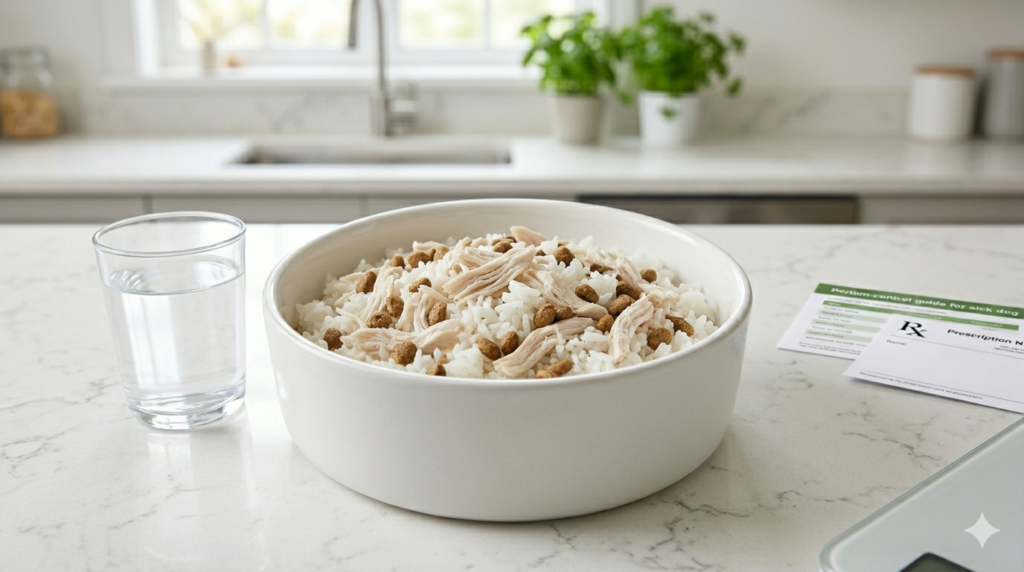
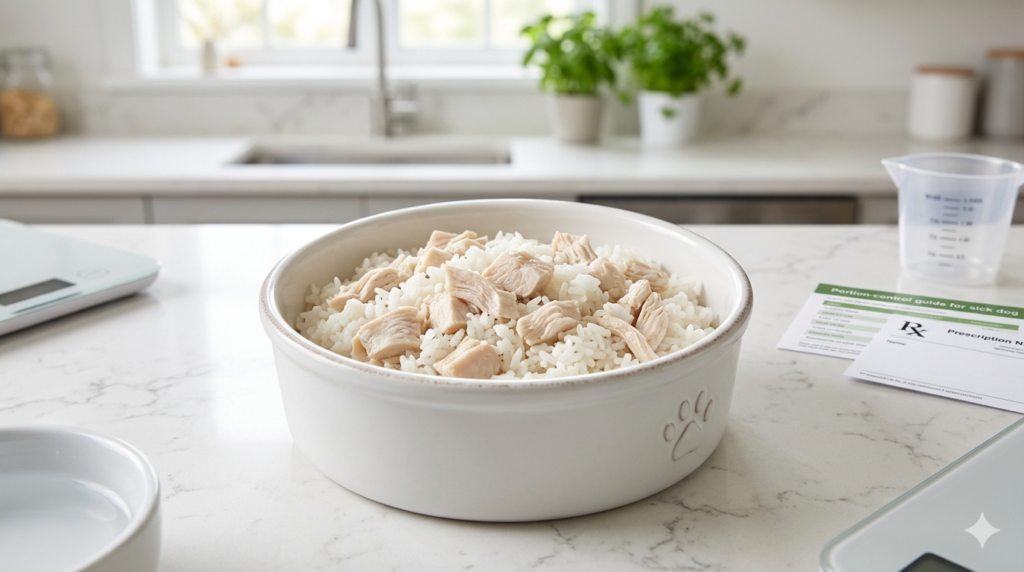
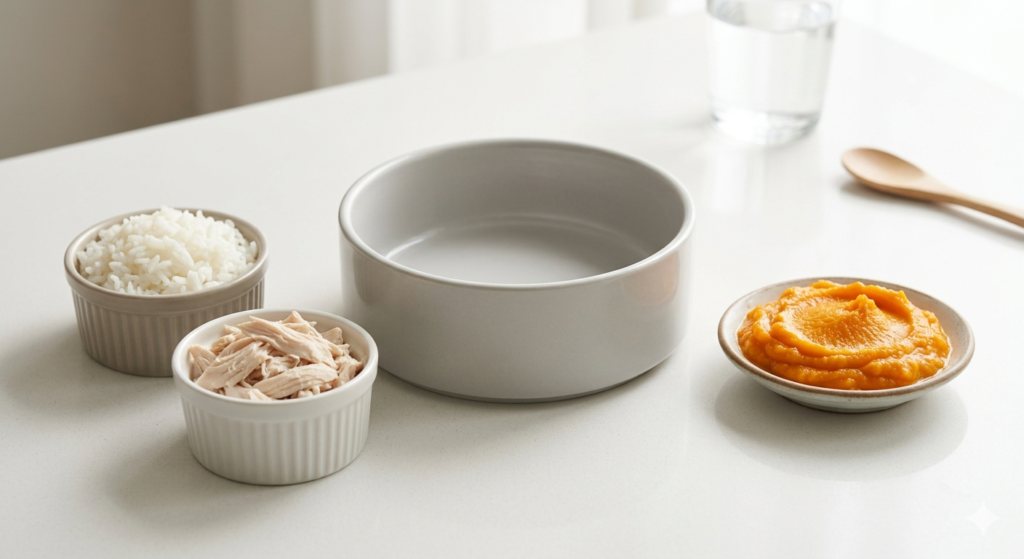
The gold standard food for dogs with diarrhea at home is a 1:1 ratio of boiled lean protein to plain white rice. Dr. Marc Smith, DVM, a veterinarian at Natchez Trace Veterinary Services, recommends a bland diet as the best starting point for any dog with diarrhea who is not also vomiting. Here are the most vet-recommended protein options for bland food for dogs with diarrhea:
- Boiled chicken breast (boneless, skinless): The single most universally recommended protein source in bland food for dogs with diarrhea. Fully boiled with absolutely no oil, seasoning, skin, or bones — shredded and mixed with rice. This is the go-to recommendation of virtually every veterinarian in practice
- Boiled turkey breast: An excellent alternative for dogs sensitive to chicken, with the same lean, easy-to-digest protein profile. Use plain ground turkey or boneless turkey breast — no seasoning
- Extra-lean ground beef: Cooked thoroughly and drained completely of fat to remove excess grease before mixing with rice. The fat drainage step is essential — fatty ground beef worsens rather than helps diarrhea
- Plain scrambled eggs: Prepared without butter, oil, or any seasoning. While not the first choice according to Dr. Eliza O’Callaghan, DVM, of Small Door Veterinary in New York, eggs are a gentle, easily digestible protein source that can help in the short term
Pair the protein with plain boiled white rice in a 1:1 ratio. White rice — not brown rice — is the correct choice as food for dogs with diarrhea: its lower fiber content means less intestinal stimulation, and its easily digestible starch provides gentle energy without aggravating an inflamed gut.
How Much and How Often to Feed
Begin conservatively when introducing bland food for dogs with diarrhea. PetMD recommends starting with approximately 2 tablespoons of the chicken-and-rice mixture per 10 pounds of body weight, offered every two to three hours throughout the first day. Offering too little is far safer than too much — overloading a recovering digestive system can cause a relapse.
Over the next three to five days, gradually increase portion sizes while decreasing meal frequency if the diarrhea is improving. By days three through five, begin blending small amounts of your dog’s regular food into the bland food for dogs with diarrhea. By day seven, most dogs should be fully back on their regular diet. If diarrhea returns at any point during this transition, revert to the bland diet and consult your veterinarian.
Powerhouse Supplements to Pair with Food for Dogs with Diarrhea
Several natural, vet-approved additions can meaningfully accelerate recovery when added alongside the right food for dogs with diarrhea:
Plain Canned Pumpkin
Pure canned pumpkin (not pie filling — which contains sugar and spices) is one of the most consistently recommended supplements to add to food for dogs with diarrhea. Pumpkin is exceptionally rich in soluble fiber, particularly pectin, which absorbs excess water in the intestines and helps firm up loose stools. Add one to four tablespoons of plain canned pumpkin — depending on your dog’s size — directly to each serving of bland food for dogs with diarrhea for measurable stool-firming effects within 24 to 48 hours.
Probiotics
Diarrhea disrupts the natural balance of beneficial bacteria in the gut microbiome. Restoring that balance with a high-quality, dog-specific probiotic alongside food for dogs with diarrhea accelerates recovery and reduces the likelihood of recurring digestive upset. Look for probiotics containing Lactobacillus acidophilus, Bifidobacterium animalis, or Enterococcus faecium — strains with the strongest clinical evidence for canine digestive support. Always choose a probiotic formulated specifically for dogs, as human probiotics use different strains at different concentrations.
Bone Broth (Unsalted)
Plain, unsalted bone broth added to food for dogs with diarrhea serves two important functions: it encourages reluctant eaters to consume their recovery food, and it provides easily absorbed electrolytes and collagen that support intestinal lining repair. Ensure the broth contains no onion, garlic, salt, or seasoning — all of which are toxic to dogs.
Best Dog Food for Dogs with Diarrhea: Top Commercial Options
For dogs with recurring or chronic digestive issues, or once the acute episode has resolved and you’re looking for a better long-term diet, selecting the right commercial best dog food for dogs with diarrhea is essential. The following categories consistently earn top recommendations from veterinary nutritionists and independent reviewers in 2026:
Prescription Gastrointestinal Diets
For dogs with persistent, severe, or diagnostically confirmed chronic diarrhea, prescription food for dogs with diarrhea formulas represent the gold standard of commercial dietary management. Available only through veterinary clinics or with a valid prescription, these formulas are clinically tested for digestive efficacy and designed to be fed as complete long-term diets:
- Hill’s Prescription Diet i/d (Digestive Care): One of the most widely recommended prescription food for dogs with diarrhea by veterinarians worldwide. This formula uses highly digestible proteins and carbohydrates with prebiotic fiber to support gut health, firm up stools, and promote microbiome balance. It is available in both dry and wet formats and carries decades of clinical evidence behind it
- Royal Canin Gastrointestinal: Recommended by Dr. Marc Smith, DVM, as a leading prescription option, this formula is specifically designed with highly digestible ingredients and prebiotics to support dogs with acute or chronic diarrhea. Its inclusion of EPA and DHA from fish oil also helps reduce intestinal inflammation
- Royal Canin Hydrolyzed Protein: When food allergy or sensitivity is suspected as the root cause of chronic diarrhea, Dr. Smith recommends this hydrolyzed protein formula as an excellent food for dogs with diarrhea option. Proteins are broken down into fragments too small for the immune system to react to, effectively eliminating dietary allergen triggers
High-Quality Commercial Options Without a Prescription
Many dogs with mild to moderate digestive sensitivity do not require prescription formulas. These high-quality commercial options provide the right nutritional foundation as long-term best food for dogs with diarrhea:
- Instinct Raw Boost (Gut Health with Real Chicken): Named by Dog Food Advisor as a top pick for dogs with diarrhea, this formula combines high-protein kibble with freeze-dried raw ingredients and a blend of prebiotics and probiotics. It is minimally processed, all-natural, and formulated to promote healthy gut bacteria — directly addressing the microbiome disruption that accompanies and perpetuates diarrhea
- Purina Pro Plan Sensitive Skin & Stomach: Uses salmon and rice as primary ingredients in a highly digestible, limited-allergen formula. This is a consistently vet-endorsed commercial food for dogs with diarrhea prone to food sensitivity triggers, and is among the most affordable quality options in this category
- Natural Balance L.I.D. (Limited Ingredient Diets): Features a single named protein source and a small number of easily digestible carbohydrates, minimizing the risk of triggering food sensitivities or allergies. Available in multiple protein and carbohydrate combinations to suit individual dogs
- The Farmer’s Dog: Fresh, human-grade food for dogs with diarrhea prepared by veterinary nutritionists to match your dog’s specific caloric needs. Its whole-food, minimally processed formulas are exceptionally easy to digest and free from the fillers and artificial additives that commonly trigger digestive upset in sensitive dogs
- Blue Buffalo Basics Limited Ingredient: Free from common allergens including chicken, beef, corn, wheat, soy, dairy, and eggs, this formula is designed specifically for dogs with food sensitivities and recurring digestive issues. Its simple ingredient profile makes it a low-risk long-term food for dogs with diarrhea triggered by dietary sensitivities
Foods to Avoid When Your Dog Has Diarrhea
Knowing what to keep away from your dog is just as important as knowing which food for dogs with diarrhea to provide. The following should be completely avoided during a diarrhea episode and reintroduced only gradually after full recovery:
- Fatty meats and rich foods: Bacon, sausage, skin-on poultry, pork, and any greasy or heavily seasoned proteins slow gastric emptying and worsen diarrhea significantly. These have no place as food for dogs with diarrhea
- Dairy products: Most adult dogs are lactose intolerant to varying degrees — milk, cheese, cream, and butter can cause or dramatically worsen loose stools
- High-fiber foods: While fiber is beneficial in a healthy dog’s diet, high-fiber foods increase intestinal motility and worsen diarrhea during an acute episode
- Treats and table scraps: Every bite your dog receives during a diarrhea episode should be deliberate and controlled. Any unintended food intake — especially from human food — can undo days of recovery
- Spiced, seasoned, or sauced foods: Garlic, onion, salt, and any seasoning are either toxic to dogs or profoundly irritating to an already inflamed digestive tract
- Human medications: Never give Pepto-Bismol, Imodium, or any other human anti-diarrheal medication without explicit veterinary approval — bismuth subsalicylate (the active ingredient in Pepto-Bismol) is potentially toxic to dogs
- Highly digestible “sensitive stomach” formulas for dogs with diabetes-related diarrhea (as these accelerate glucose absorption) — but as a general note, ensure any commercial food for dogs with diarrhea you choose is verified as appropriate for your specific dog’s full health profile
Food for Dog with Diarrhea: The 7-Day Recovery Plan
A structured week-by-week plan helps dog owners execute the dietary transition from acute illness back to normal feeding with precision and confidence. Here is a practical 7-day food for dog with diarrhea recovery protocol based on veterinary guidelines:
- Day 1 (after any fasting period): Introduce bland food for dogs with diarrhea — boiled chicken and white rice at 2 tbsp per 10 lbs body weight. Feed small portions every 2–3 hours. Add plain canned pumpkin and a dog probiotic
- Days 2–3: Gradually increase meal size and reduce frequency to every 4–5 hours if stools are improving. Continue bland food exclusively. Monitor stool consistency carefully after each meal
- Days 3–4: If stools are firming, begin blending a small amount of your dog’s regular food — approximately 25% regular food to 75% bland food for dogs with diarrhea. If any looseness returns, step back to 100% bland food
- Days 5–6: Progress to 50% regular food and 50% bland food for dogs with diarrhea, assuming continued improvement. Continue probiotic supplementation throughout
- Day 7: If recovery has been smooth, transition to 75% regular food and 25% bland food for dogs with diarrhea, working toward full normal feeding by day 7 to 10
If diarrhea returns at any point during this plan, revert immediately to 100% bland food for dogs with diarrhea and contact your veterinarian if improvement does not follow within 24 hours.
Preventing Future Episodes: Long-Term Dietary Strategies
Once your dog has fully recovered, the right long-term dietary approach can meaningfully reduce the frequency of future diarrhea episodes. These preventive strategies complement any quality best food for dog with diarrhea management plan:
Always Transition Foods Gradually
A sudden change in food for dogs with diarrhea — or any food — is one of the most common preventable causes of digestive upset in dogs. Any time you change your dog’s regular diet, introduce the new food over 10 to 14 days by gradually increasing the proportion of new food while decreasing the old. This gives the gut microbiome time to adjust and dramatically reduces transition-related diarrhea.
Add a Daily Probiotic
A daily, dog-specific probiotic added to your dog’s regular meals builds microbiome resilience over time, reducing the likelihood and severity of diarrhea episodes triggered by stress, diet changes, or antibiotic use. Dogs on regular probiotic supplementation consistently show better stool consistency and faster recovery from digestive disruptions.
Choose a Limited Ingredient or Sensitive Stomach Formula
If your dog experiences recurring diarrhea, consider switching their permanent diet to a limited ingredient food for dogs with diarrhea-prone individuals — featuring a single named protein, a small number of whole-food carbohydrates, and no artificial additives or common allergens. This dramatically reduces the number of potential triggers in every meal.
Keep Human Food Strictly Off the Menu
Dietary indiscretion — eating inappropriate human foods or garbage — is the single most common cause of acute diarrhea in otherwise healthy dogs. Maintaining clear boundaries around human food, securing trash cans, and educating all household members reduces the most preventable cause of digestive upset significantly.
Frequently Asked Questions About Food for Dogs with Diarrhea
What is the single best food for dogs with diarrhea at home?
The universally recommended starting point is plain boiled chicken breast (boneless, skinless, no seasoning) mixed in a 1:1 ratio with plain white rice. This bland combination is easy to digest, gentle on an inflamed gut, and supported by virtually every veterinary authority as the go-to food for dogs with diarrhea during an acute episode. Adding one to four tablespoons of plain canned pumpkin enhances the stool-firming effect significantly.
How long should I feed bland food to a dog with diarrhea?
Most veterinarians recommend feeding bland food for dogs with diarrhea for three to five days after stools begin to normalize, before gradually reintroducing regular food. Switching back to regular food too quickly — before the gut has fully recovered — is one of the most common causes of diarrhea relapse.
Can I give my dog pumpkin for diarrhea?
Yes — plain canned pumpkin (not sweetened pie filling) is one of the most effective natural additions to food for dogs with diarrhea. Its high soluble fiber content absorbs excess water in the intestines and helps firm up loose stools, typically producing noticeable improvement within 24 to 48 hours of consistent use.
When does diarrhea in dogs require a prescription diet?
When diarrhea is chronic (persisting or recurring over more than two to three weeks), when it fails to respond to bland dietary management, or when a specific diagnosis like IBD, food allergy, or EPI has been confirmed, your veterinarian will likely recommend a prescription food for dogs with diarrhea such as Hill’s i/d or Royal Canin Gastrointestinal. These formulas are clinically tested for chronic digestive support and are designed for long-term feeding under veterinary supervision.
Final Thoughts: The Right Food for Dogs with Diarrhea Speeds Recovery
Diarrhea is an uncomfortable and sometimes alarming experience for both dogs and their owners. But with the right food for dogs with diarrhea — introduced at the right time, in the right amounts, following a structured recovery plan — the vast majority of dogs bounce back fully within a week. Start simple, start gentle, and let the digestive system lead the pace of recovery.
For mild, acute cases: a brief rest, then bland boiled chicken and white rice, plain pumpkin, and a quality probiotic will carry most healthy adult dogs through to full recovery. For dogs with recurring or persistent diarrhea: invest in a high-quality limited ingredient or sensitive stomach formula as their permanent diet, and work with your veterinarian to rule out underlying conditions that require targeted treatment. And always, always know when to pick up the phone and call your vet — because the right food for dogs with diarrhea is only one part of the picture, and some episodes demand professional care that goes well beyond what any diet can provide.
Found this guide helpful? Browse our blog for more vet-informed articles on canine nutrition, digestive health, breed-specific feeding guides, and expert reviews of the leading dog food brands available in 2026.