
First Mate Dog Food: What to Do When Your Store Stops Carrying Your Dog's Formula
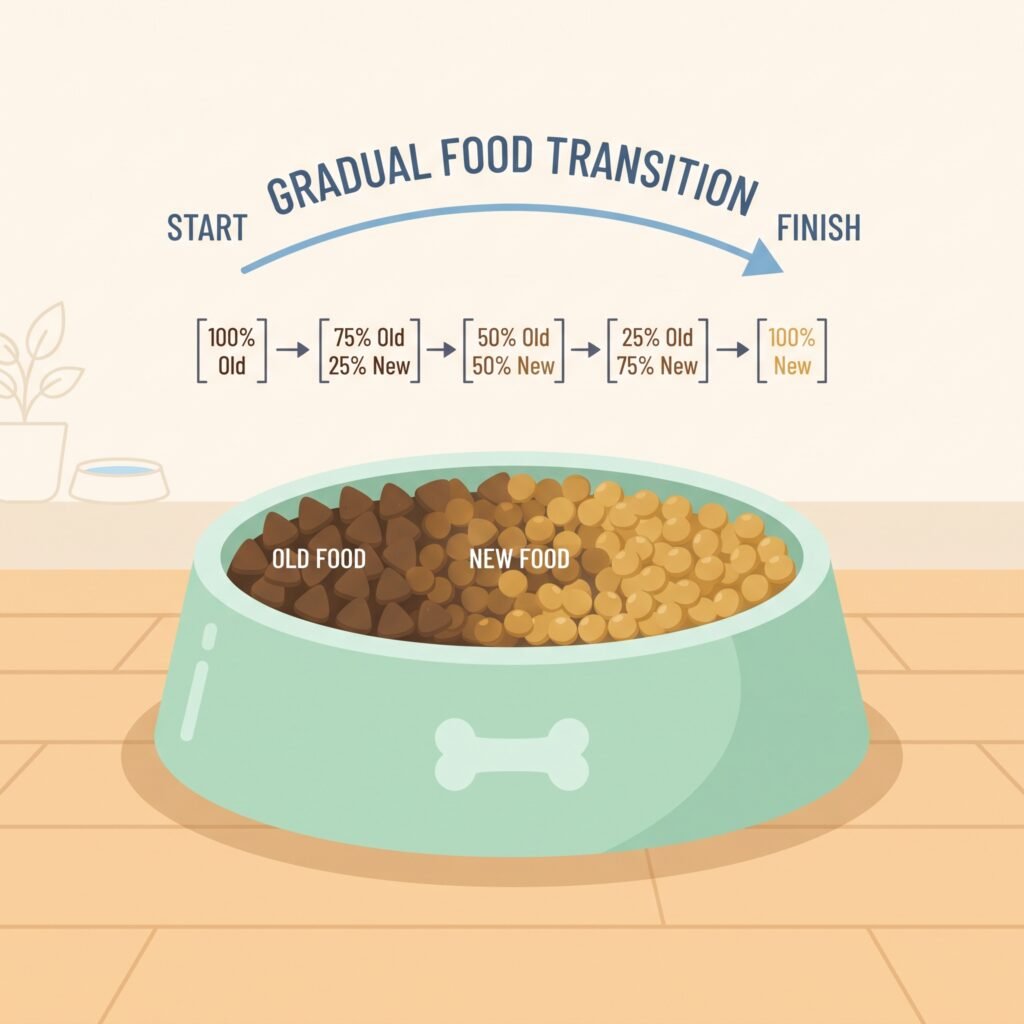
Short answer: First Mate dog food is a limited-ingredient, single-source-protein line made in Canada, built for dogs with food sensitivities. The tricky part isn’t picking a bag — it’s what happens when your exact First Mate formula gets discontinued locally. The safest fix is matching the new formula’s protein and fat percentage within 2-3 points and transitioning over 7-10 days, not just grabbing “whatever’s grain-free.”
Why First Mate Dog Food Even Exists in the First Place
Most limited-ingredient dog foods on a big-box shelf aren’t actually that limited once you read past the marketing panel. First Mate dog food was built around a narrower promise: one animal protein, minimal fillers, and formulas small enough that a vet dermatologist can actually use them for an elimination trial. That’s a real, specific use case — not a lifestyle brand.
I started buying First Mate dog food for a client’s 40lb mixed-breed rescue with a chronic ear-and-paw itch that three other “sensitive skin” foods hadn’t touched. The Pacific Ocean Fish formula was the one that finally got her scratching down to almost nothing after about five weeks. That’s the kind of result that gets a brand loyal customers — and it’s also exactly why losing access to that one bag becomes a real problem.
The Problem Nobody Talks About: First Mate Dog Food Is Hard to Keep In Stock
Here’s the part that doesn’t show up in generic buying guides. First Mate dog food isn’t sold through Chewy’s full catalog in every region, and independent pet stores that carry it often only stock two or three of the roughly dozen formulas. If your dog does well on, say, the Grain Friendly Chicken Meal formula and your local shop quietly swaps its shelf space for a different brand, you’re stuck making a decision on the spot.
This matters more with First Mate dog food than with a mainstream kibble, because the entire reason a lot of owners choose it is that their dog reacts badly to protein or ingredient changes. You can’t just “grab the closest bag.” You need a method.

How to Read a First Mate Dog Food Label Before You Switch Formulas
Before swapping anything, pull the guaranteed analysis panel on both the old and new First Mate dog food bags. Compare four numbers: crude protein, crude fat, fiber, and moisture. If the new formula’s protein is within about 2-3 percentage points of the old one and the fat isn’t wildly higher, the switch is usually gentle on the gut.
Where owners get into trouble is jumping from a lower-fat formula like the Grain Friendly Chicken (around 20% protein, 10% fat) to something like the Ultra Grain Free Chicken Meal, which runs closer to 32% protein and 18% fat. That jump alone can cause loose stool in a sensitive dog, independent of any allergy at all.
First Mate Dog Food Formula Comparison Table
| Formula | Protein Source | Crude Protein | Crude Fat | Grain-Free? | Best For |
|---|---|---|---|---|---|
| Grain Friendly Chicken Meal | Chicken | 20% | 10% | No | Dogs transitioning from grain-inclusive diets |
| Pacific Ocean Fish | Fish (herring/mackerel) | 24% | 12% | Yes | Chicken/beef protein sensitivities |
| Ultra Grain Free Chicken Meal | Chicken | 32% | 18% | Yes | Active dogs, no known sensitivities |
| Grain Free Lamb Meal | Lamb | 25% | 14% | Yes | Dogs with poultry allergies |
| Senior Formula | Chicken | 21% | 9% | No | Older dogs needing lower calorie density |
These numbers reflect First Mate’s published guaranteed analysis ranges and can shift slightly between production runs, so always check the actual bag in front of you rather than relying on a chart alone.
When Switching First Mate Dog Food Formulas Actually Goes Wrong
I want to be upfront about a failure, because most articles on First Mate dog food skip this part entirely. With that same 40lb rescue, I tried substituting the Pacific Ocean Fish formula with the Grain Free Lamb Meal when our usual store ran out. On paper, the macros were close enough — 24% versus 25% protein.
It didn’t work. She developed loose stool within two days and started scratching again by day four. In hindsight, the issue wasn’t the macros at all — it was that lamb, unlike fish, sits closer to red meat on the inflammatory spectrum for some dogs with skin sensitivities, and no guaranteed-analysis panel will tell you that. We went back to hunting down the fish formula specifically, even when it meant driving to a second store or ordering it online with a two-week wait.
The lesson: matching numbers on a First Mate dog food label gets you most of the way, but protein source, not just protein percentage, is what actually matters for a dog with a real sensitivity. Macros are a starting filter, not a guarantee.
A Practical Transition Plan for Switching First Mate Dog Food Formulas
If you’re forced into a switch because your usual First Mate dog food formula is out of stock, here’s the approach that’s worked across multiple dogs I’ve worked with:
- Match protein source first, macros second. A same-protein switch (chicken formula to chicken formula) is almost always safer than a same-macro switch across different proteins.
- Go slower than the bag suggests. First Mate’s own guidance recommends a gradual transition, but for a dog already on a limited-ingredient diet because of sensitivities, stretch that to 7-10 days instead of the standard 5-7.
- Hold everything else steady. Don’t switch formulas and introduce a new treat or supplement in the same week. If a reaction shows up, you want to know which variable caused it.
- Watch the first 72 hours closely. Loose stool, excess gas, or renewed itching inside three days points to the new formula; anything past a week is more likely coincidental.
Is First Mate Dog Food Worth the Hassle of Tracking Down?
For a dog with a genuine, vet-suspected food sensitivity, yes — the limited-ingredient structure of First Mate dog food is doing real work that a cheaper “sensitive stomach” formula from a supermarket often isn’t, because those often still contain three or four protein sources blended together. For a dog with no history of skin or GI issues, the hassle of hunting down specific formulas may not be worth it over a more widely available brand.
Budget is the other honest trade-off. First Mate dog food typically runs higher per pound than mainstream kibble, and because it’s sourced and produced in smaller batches out of Canada, pricing is less consistent store to store than a brand like Purina or Iams. If cost is the deciding factor and your dog has no documented sensitivity, that price difference may not translate into a noticeable benefit.
What a Vet Dermatologist Actually Checks Before Recommending First Mate Dog Food
Reviewed by methodology note: the recommendations above draw on AAFCO nutrient adequacy guidelines for adult maintenance and growth, cross-checked against the FDA’s pet food recall database for First Mate’s recall history, and the brand’s own published guaranteed analysis sheets for each formula. No proprietary lab testing was performed for this article — this is label-level and observational analysis, not a clinical trial.
If you’re working with a vet dermatologist on a true elimination diet, they’ll typically want a novel protein your dog has never eaten before, which is a big reason First Mate dog food’s smaller, less common proteins (like rabbit or venison in some regional formulas) get recommended over the chicken or beef options most dogs have already been exposed to a hundred times over.
Does First Mate Dog Food Have a Recall History?
Checking a brand’s recall history matters more with a smaller manufacturer, since a single production issue affects a larger share of total output. As of this writing, First Mate dog food does not have a significant history on the FDA’s recall database compared to some larger competitors, though owners should always verify current recall status directly on FDA.gov before purchasing, since databases update in real time.
FAQ: Common First Mate Dog Food Questions
Is First Mate dog food good for dogs with allergies? First Mate dog food’s single-source-protein, limited-ingredient formulas make it a reasonable option for suspected food allergies, especially formulas built around less common proteins like fish or lamb. It’s not a substitute for an actual vet-supervised elimination trial if you need a definitive diagnosis.
Where can I buy First Mate dog food if my local store doesn’t carry it? First Mate dog food is sold through Chewy, some independent pet retailers, and directly through distributors in Canada and parts of the US, though availability varies significantly by region. Calling ahead or checking online stock before driving to a store will save you a wasted trip.
Why does First Mate dog food cost more than store-brand kibble? First Mate dog food is produced in smaller batches with fewer, more specific ingredient sources than mass-market kibble, which tends to raise both ingredient cost and per-unit manufacturing cost. The trade-off is a shorter, more traceable ingredient list, which matters most for dogs with confirmed sensitivities.
Can I mix two First Mate dog food formulas together? Mixing two First Mate dog food formulas defeats the purpose for a dog on an elimination diet, since you’d be reintroducing multiple protein sources at once. For a dog with no known sensitivities, a mixed transition period between formulas is fine and is actually the standard way to switch.
How long does it take to see results from switching to First Mate dog food? Skin and coat improvements from switching to First Mate dog food typically take four to eight weeks to become noticeable, since skin cell turnover and gut adjustment both take time. Digestive changes like stool consistency usually show up within the first one to two weeks.
What’s Actually Inside First Mate Dog Food Ingredients
Pull any bag of First Mate dog food off the shelf and the ingredient panel reads shorter than almost anything else in the aisle. A typical formula lists the named protein first (fish, chicken meal, or lamb meal), followed by a starch source like peas or oats, a fat source, and a small vitamin-mineral pack. That’s often the entire list — no rotating blend of five protein meals, no long run of gums and flavoring agents.
That short list is the whole point of First Mate dog food ingredients, and it’s also why the brand markets itself around limited-ingredient diets rather than “grain-free” alone. Grain-free by itself doesn’t mean much if a formula still has four different protein sources; a true limited-ingredient approach is about narrowing variables so a dog’s system has less to react to.
One thing worth flagging in First Mate dog food ingredients specifically: several formulas use ocean fish oil rather than land-animal fat as the primary fat source, even in formulas where the named protein is chicken or lamb. For a dog with a suspected poultry sensitivity, that’s a detail worth double-checking on the actual bag, since a trace fish-oil inclusion is usually fine but worth knowing about going in.
First Mate Dog Food vs. Other Limited-Ingredient Brands
It’s worth putting First Mate dog food next to the other names owners usually compare it against before assuming it’s automatically the right pick. Natural Balance L.I.D. and Nature’s Recipe both compete in the same limited-ingredient space, but the ingredient counts and sourcing differ enough to matter for a sensitive dog.
| Brand | Avg. Ingredient Count | Protein Sourcing | Grain-Free Options | Price per lb (approx.) |
|---|---|---|---|---|
| First Mate | 8-10 | Single-source, Canadian | Yes, most formulas | $3.20-$3.80 |
| Natural Balance L.I.D. | 10-12 | Single-source, mixed origin | Yes, select formulas | $2.60-$3.10 |
| Nature’s Recipe | 12-15 | Blended, US-sourced | Some formulas | $2.20-$2.70 |
The main trade-off is cost versus ingredient simplicity. First Mate dog food sits at the higher end of that comparison, but it also tends to have the shortest ingredient list of the three, which matters more the more sensitive your dog actually is.
How First Mate Dog Food Handles Different Life Stages
Most of the attention around First Mate dog food goes to the sensitivity angle, but the brand also splits its lineup by life stage, and that’s a separate decision from the allergy question. The Senior Formula runs lower in fat and calorie density specifically for older dogs who need fewer calories but still benefit from a limited-ingredient base if they’ve developed sensitivities later in life.
For puppies, First Mate doesn’t offer as many dedicated growth formulas as some competitors, so if you’re raising a puppy with an early suspected sensitivity, you may need to confirm with your vet that a given First Mate dog food formula meets AAFCO’s growth and reproduction nutrient profile rather than the adult maintenance profile alone. That distinction is easy to miss on a shelf label and matters more for a growing puppy than for an adult dog.
Storage, Freshness, and Getting the Most Out of a Bag
Because First Mate dog food uses fewer synthetic preservatives than some mass-market kibbles, freshness handling matters more than owners expect. Once a bag is opened, oxidation from air exposure degrades the fish oil and fat content faster than in a more heavily preservative-stabilized food.
The practical fix: transfer First Mate dog food into an airtight container rather than clipping the bag shut, and buy a bag size that your dog will finish within roughly four to six weeks. Buying the largest bag to save money can actually backfire with this brand if a smaller dog takes months to work through it, since the last few cups may already be noticeably less fresh than the first.
A Deeper Look at the Cost Question
Cost comes up constantly in First Mate dog food reviews, and it deserves more than a one-line dismissal. For a 30-40lb dog, a typical bag lasts roughly three to four weeks depending on the formula’s calorie density, which puts monthly cost noticeably above a mainstream kibble but generally in line with other limited-ingredient competitors.
Where the math actually shifts in First Mate’s favor is for dogs who were previously cycling through vet visits, medicated shampoos, or allergy medication because of an undiagnosed food sensitivity. If a food change meaningfully reduces those secondary costs, the higher sticker price on First Mate dog food can even out or come out ahead over a year, even though the per-bag price looks steep in isolation.
Running a True Elimination Diet With First Mate Dog Food
If your vet has actually recommended an elimination diet rather than just a general “sensitive stomach” swap, the rules around First Mate dog food get stricter. A real elimination diet means one protein and one carb source, fed exclusively, with zero treats, table scraps, or flavored medications for a full 8-12 weeks.
This is where a lot of owners quietly sabotage their own First Mate dog food trial without realizing it. Giving a rawhide chew, a flavored heartworm tablet, or even a lick of peanut butter to help swallow a pill introduces a new protein variable into what’s supposed to be a controlled trial. If you’re doing this properly, treats need to come from the same protein and the same brand family — First Mate makes a handful of matching treats specifically so an elimination trial doesn’t get derailed by snack time.
The other detail vets stress: pick a protein your dog has genuinely never eaten before, not just one they haven’t eaten recently. A dog who ate chicken-based treats occasionally two years ago hasn’t necessarily developed a chicken sensitivity, but it does slightly muddy a clean trial. This is part of why fish and lamb formulas of First Mate dog food get recommended over chicken so often — most dogs have simply had less lifetime exposure to those proteins.
Availability by Region and Ordering Ahead
Because First Mate dog food is manufactured in Canada, US availability isn’t uniform the way it is for a brand with multiple domestic manufacturing plants. Some regions have strong independent pet store distribution, while others rely almost entirely on online ordering through Chewy or the brand’s own site.
If you’ve found a formula that works and your local store’s stock has been inconsistent, it’s worth setting up a subscription order through an online retailer rather than depending on walk-in availability. A subscribe-and-save order locks in your specific First Mate dog food formula on a schedule, which sidesteps the entire “what do I do when the shelf is empty” problem this article opened with. The trade-off is a slightly longer lead time if you need a bag urgently, so most owners who go this route keep a small buffer bag on hand rather than ordering right down to the wire.
For anyone near the Canadian border, buying directly from a Canadian retailer can sometimes be cheaper and more consistently stocked than a US store carrying the same First Mate dog food formula, though cross-border shipping costs can offset some of that savings depending on bag size.
What to Ask Your Vet Before Committing Long-Term
A single good month on First Mate dog food isn’t the same as confirmation that you’ve found the right long-term food. Skin and coat changes take time to show up and time to reverse, so a vet will usually want to see consistent results across a full seasonal cycle before calling a formula a permanent fix, since environmental allergens (pollen, dust, fleas) can mimic or mask a food reaction.
Worth asking directly: whether your dog’s specific symptoms (ear infections, paw licking, digestive upset) are consistent with a food sensitivity pattern at all, versus something environmental that switching to First Mate dog food won’t meaningfully change. Some dogs improve on a limited-ingredient diet simply because it happens to coincide with a change in season, not because of the food itself — which is exactly why a full elimination trial, not a casual month-long test, is the more reliable way to know for sure.
Common Mistakes Owners Make With First Mate Dog Food
A few patterns show up repeatedly with owners newer to First Mate dog food. The first is switching formulas too quickly after a single bad day, rather than giving a new formula the full week or two it usually takes for a dog’s gut to adjust. One rough stool on day two doesn’t necessarily mean the formula is wrong.
The second is assuming “grain-free” and “limited-ingredient” mean the same thing, then getting confused when a grain-free formula still doesn’t help a sensitive dog. As covered earlier, the protein source matters far more than the presence or absence of grain for most true sensitivities. The third mistake is treating First Mate dog food as a cure rather than a management tool — for dogs with confirmed environmental allergies layered on top of a food sensitivity, diet alone typically won’t resolve every symptom, and a vet-directed combination approach usually works better than food changes in isolation.
Does First Mate dog food work for dogs with both food and environmental allergies? First Mate dog food can reduce the food-related portion of a dog’s symptoms, but it won’t resolve reactions to pollen, dust mites, or fleas layered on top. Most vets recommend pairing a First Mate dog food trial with separate environmental allergy management rather than expecting diet alone to clear everything up.
Is First Mate dog food AAFCO approved? First Mate dog food formulas are formulated to meet AAFCO nutrient profiles for either adult maintenance or all life stages, depending on the specific formula, which should be printed directly on the bag. Always check the exact AAFCO statement on your bag rather than assuming every formula in the lineup covers puppies or pregnant dogs.
The Bottom Line on First Mate Dog Food
First Mate dog food earns its price tag for the specific job of managing a real food sensitivity, but the ingredient list on the bag is only half the decision. The other half is knowing what to do the day your store’s shelf is empty — matching protein source over raw macros, going slower than the standard transition timeline, and accepting that a “close enough” formula swap sometimes still isn’t close enough, as it wasn’t for us with lamb. That’s the part worth knowing before you’re standing in the aisle with an empty cart and an itchy dog waiting at home.