Best Dog Food for Rhodesian Ridgebacks (Top Picks for 2026)
Dog food for rhodesian ridgebacks should support muscles, joints, and energy. Discover the best options for your dog.
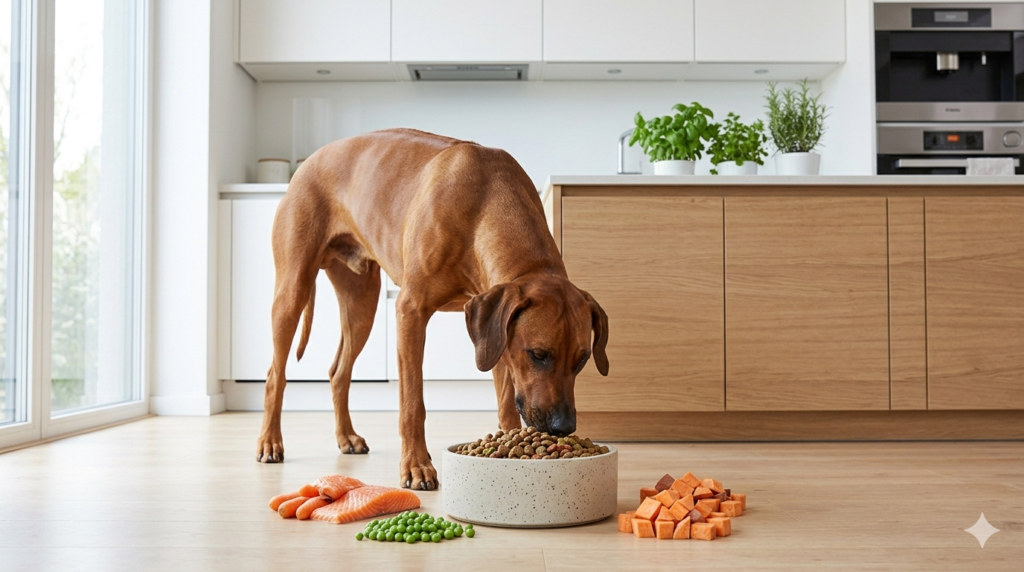
The Rhodesian Ridgeback is a breed unlike any other — a powerful, athletic, and deeply loyal dog originally bred in southern Africa to track lions across vast, unforgiving terrain. Today’s Ridgeback may be more likely to patrol your living room than the African bush, but the nutritional demands of this magnificent breed haven’t changed much. Feeding the right dog food for Rhodesian Ridgebacks is one of the most critical investments you can make in your dog’s health, vitality, and longevity.
This comprehensive guide covers everything you need to know about choosing the ideal dog food for Rhodesian Ridgebacks — from understanding the breed’s unique physiological needs and common health vulnerabilities, to decoding ingredient labels, comparing food formats, and navigating the specific requirements of puppies versus adults versus seniors. By the end, you’ll have everything you need to make a truly informed choice.
Understanding the Rhodesian Ridgeback Before Choosing a Food
Selecting the right dog food for Rhodesian Ridgebacks starts with a deep appreciation of what this breed is built to do. The Rhodesian Ridgeback is a large, muscular sighthound-scent hound hybrid with a lean, athletic build, remarkable endurance, and a metabolism that reflects its working dog heritage. Adult males typically weigh between 85 and 90 pounds, while females range from 70 to 75 pounds — placing them firmly in the large breed category with all the nutritional demands that entails.
The breed’s distinctive ridge — a strip of hair growing in the opposite direction along the spine — is purely cosmetic, but everything beneath it is a performance machine. Rhodesian Ridgebacks are built for speed, endurance, and explosive power. They need a dog food for Rhodesian Ridgebacks that can fuel that machine without overloading a frame that is naturally lean and finely tuned.
Temperamentally, Ridgebacks are independent, intelligent, and sometimes stubborn — traits that extend to their eating habits. Some individuals are enthusiastic eaters while others can be surprisingly selective. Understanding your individual dog’s preferences alongside their nutritional requirements will help you narrow down the best dog food for Rhodesian Ridgebacks for your household.
Breed-Specific Nutritional Requirements for Rhodesian Ridgebacks
The ideal dog food for Rhodesian Ridgebacks must address the breed’s specific macro and micronutrient needs. Here is a detailed breakdown of what this breed requires nutritionally:
High-Quality Protein: Non-Negotiable for This Breed
Protein is the absolute cornerstone of any quality dog food for Rhodesian Ridgebacks. This breed’s lean, muscular physique depends on a consistent supply of high-quality amino acids to maintain and build muscle mass, support immune function, and fuel recovery after exercise. Look for a dog food for Rhodesian Ridgebacks where a named animal protein — beef, chicken, lamb, bison, venison, or salmon — appears as the very first ingredient.
For active adult Rhodesian Ridgebacks, aim for a crude protein content of at least 25% to 30%. Less active adults can be maintained on 22% to 26%, while working or highly athletic individuals may benefit from formulas reaching 30% or beyond. The protein source matters as much as the percentage — whole meat or named meat meals deliver far superior amino acid profiles compared to generic by-product fillers.
Healthy Fats: Supporting Energy and Coat Quality
Fats are the primary energy currency for large, active breeds, and they play a central role in any well-formulated dog food for Rhodesian Ridgebacks. Beyond energy, dietary fats support healthy hormone production, brain function, and — critically for this breed — the maintenance of their short, dense, glossy coat.
Omega-3 fatty acids from fish oil or flaxseed are particularly valuable in a dog food for Rhodesian Ridgebacks because they reduce systemic inflammation, support joint health, and promote a visibly healthy coat and skin. Target a crude fat content of 12% to 18% for moderately active adults, scaling upward for highly active or working dogs.
Carbohydrates: Quality Over Quantity
Rhodesian Ridgebacks do not need large amounts of carbohydrates, but the carbohydrate sources in their dog food for Rhodesian Ridgebacks should be high-quality and easily digestible. Complex carbohydrates like sweet potato, brown rice, oats, and butternut squash provide slow-releasing energy that sustains an active dog through long periods of exercise without causing blood sugar spikes.
Avoid dog food for Rhodesian Ridgebacks that relies heavily on corn, white rice, or wheat as primary carbohydrate sources. These offer inferior nutritional density and can contribute to digestive sensitivities that this breed can be prone to.
Calcium and Phosphorus: Critical for Large Breed Bone Health
Perhaps the most important micronutrient consideration in any dog food for Rhodesian Ridgebacks is the calcium-to-phosphorus ratio. Large breeds like the Ridgeback are susceptible to developmental orthopedic diseases — particularly during puppyhood — when an imbalanced mineral intake can disrupt skeletal development. The ideal ratio in a dog food for Rhodesian Ridgebacks is between 1.2:1 and 1.4:1 calcium to phosphorus, as recommended by veterinary nutritionists for large and giant breeds.
Glucosamine and Chondroitin: Protecting Those Powerful Joints
Joint health is a lifelong priority in dog food for Rhodesian Ridgebacks. The breed’s large frame and athletic lifestyle place significant ongoing stress on hips, elbows, and shoulders. A quality dog food for Rhodesian Ridgebacks should include natural sources of glucosamine and chondroitin — typically found in chicken meal, fish meal, or as direct additions — to maintain cartilage integrity and reduce the risk of early-onset arthritis.
Common Health Issues in Rhodesian Ridgebacks and How Diet Can Help
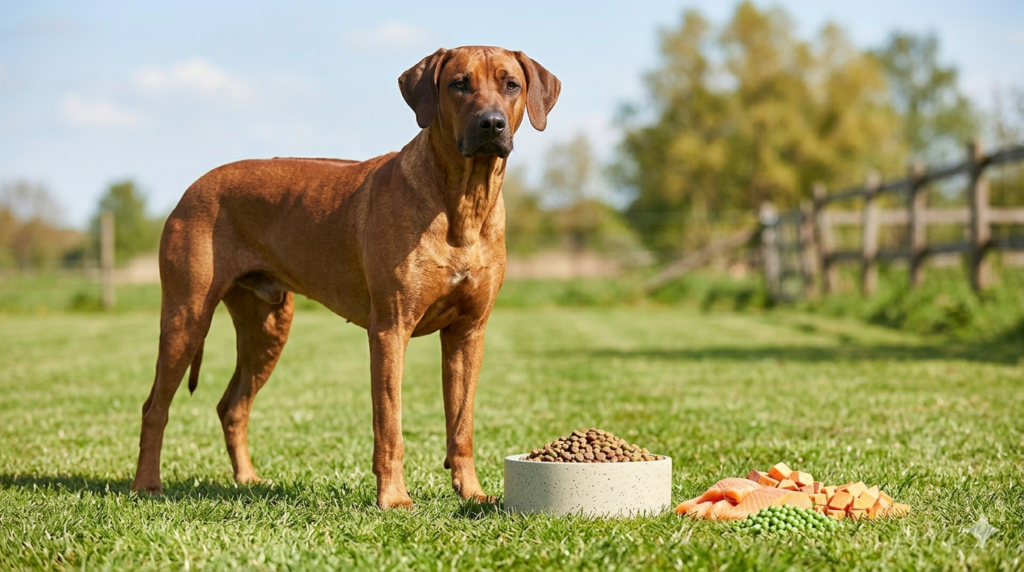
Choosing the right dog food for Rhodesian Ridgebacks goes beyond basic nutrition — it’s also one of the most powerful tools available for managing and reducing the risk of breed-specific health conditions.
Hip and Elbow Dysplasia
Hip and elbow dysplasia are among the most common orthopedic concerns in large breeds, and the Rhodesian Ridgeback is no exception. A dog food for Rhodesian Ridgebacks that includes glucosamine, chondroitin, and omega-3 fatty acids from the first day of feeding provides meaningful long-term joint protection. Maintaining a healthy, lean body weight through appropriate caloric management in your chosen dog food for Rhodesian Ridgebacks is equally critical — every unnecessary pound of weight amplifies the mechanical stress on already vulnerable joints.
Bloat (Gastric Dilatation-Volvulus)
Bloat is a life-threatening emergency condition that disproportionately affects large, deep-chested breeds — and the Rhodesian Ridgeback is squarely in that high-risk group. While diet alone cannot prevent bloat, the way you feed your dog matters enormously. Divide the daily allowance of dog food for Rhodesian Ridgebacks into at least two meals per day rather than one large feeding. Avoid feeding immediately before or after vigorous exercise. Some veterinarians also recommend avoiding dog food for Rhodesian Ridgebacks formulas where fat or oil is listed among the first four ingredients, as this may increase bloat risk in susceptible individuals.
Hypothyroidism
Rhodesian Ridgebacks have a higher-than-average incidence of hypothyroidism, a condition where the thyroid gland produces insufficient hormone. This leads to weight gain, lethargy, coat changes, and metabolic slowdown. A nutrient-dense, appropriately calorie-controlled dog food for Rhodesian Ridgebacks is essential for managing hypothyroid dogs, who gain weight easily even on normal food portions. Your vet will guide the specific dietary adjustments needed alongside medical management.
Dermoid Sinus
Dermoid sinus is a hereditary neural tube defect unique to the Rhodesian Ridgeback breed. While it is a structural condition that cannot be addressed through diet, maintaining a strong immune system through a high-quality dog food for Rhodesian Ridgebacks supports overall resilience and recovery in affected dogs.
Sensitive Digestion
Many Rhodesian Ridgebacks have sensitive gastrointestinal systems that respond poorly to low-quality ingredients, artificial additives, or abrupt diet changes. A dog food for Rhodesian Ridgebacks that uses clean, identifiable ingredients, natural preservatives, and added probiotics significantly reduces the likelihood of digestive upset and promotes long-term gut health.
Best Dry Dog Food for Rhodesian Ridgebacks: What the Label Should Tell You
When evaluating the best dry dog food for Rhodesian Ridgebacks, the ingredient panel and guaranteed analysis are your most reliable tools. Dry kibble remains the most practical, widely available, and research-supported format for large breed nutrition, and the quality range within this format is vast.
Ingredients to Prioritize
- Named whole protein first: Beef, chicken, lamb, salmon, turkey, or bison as ingredient #1
- Named meat meals second: Chicken meal, salmon meal, or beef meal as concentrated protein boosters
- Fish oil or salmon oil: For omega-3 fatty acids, joint support, and coat health
- Complex carbohydrates: Sweet potato, brown rice, oats, or barley for sustained, digestible energy
- Glucosamine and chondroitin: Either naturally occurring or as direct additions for joint protection
- Probiotics: Lactobacillus acidophilus or similar strains for digestive health
- Antioxidant-rich inclusions: Blueberries, cranberries, pumpkin, carrots, or spinach
- Natural preservatives: Mixed tocopherols (vitamin E) and ascorbic acid rather than BHA, BHT, or ethoxyquin
Ingredients to Avoid
- Unnamed “meat meal,” “poultry by-product,” or “animal digest”
- Corn syrup, sucrose, or any added sugars
- Artificial colors such as Red 40, Blue 2, or Yellow 5
- Synthetic preservatives: BHA, BHT, and ethoxyquin
- Excessive starchy fillers as primary ingredients
- Propylene glycol (found in some semi-moist formulas)
Best Dog Food for Rhodesian Ridgeback Puppies: A Critical Window
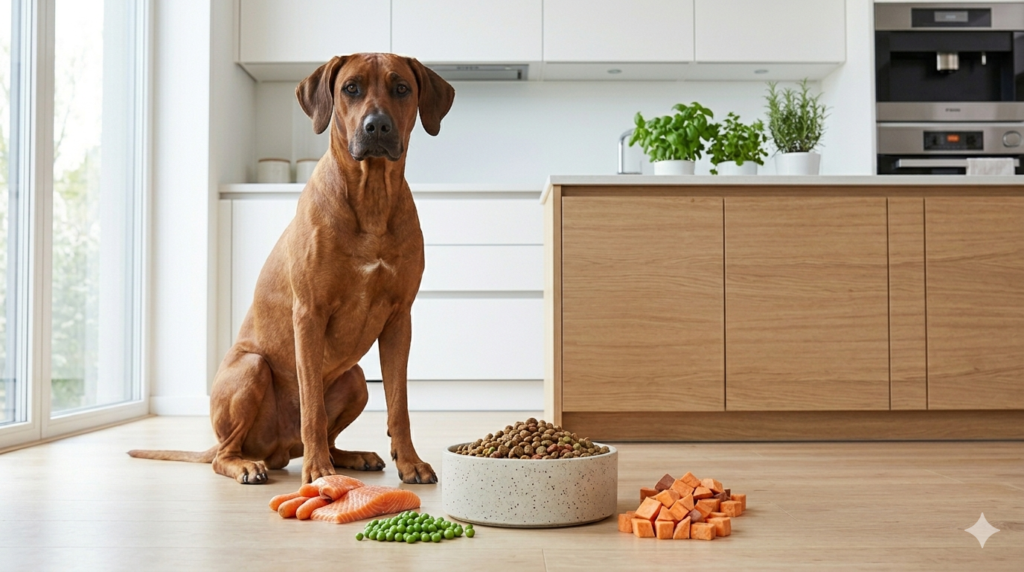
The puppy stage is arguably the most nutritionally sensitive period in a Rhodesian Ridgeback’s life, and finding the best dog food for Rhodesian Ridgeback puppies is not something to approach casually. Ridgeback puppies grow rapidly from birth to around 18 to 24 months, and the nutritional quality of their diet during this window has lifelong consequences for skeletal development, joint health, and immune function.
Why Large Breed Puppy Food Matters
Standard puppy foods — even high-quality ones — are often too calorie-dense and calcium-rich for large breed puppies like the Rhodesian Ridgeback. Excess calories promote rapid growth that the skeleton cannot keep pace with, increasing the risk of developmental orthopedic disease. The dog food for Rhodesian Ridgebacks during puppyhood should be specifically formulated for large breed puppies, with controlled calcium levels, a balanced calcium-to-phosphorus ratio, and moderate caloric density that supports steady, healthy growth rather than accelerated weight gain.
Key Nutritional Targets for Ridgeback Puppies
The ideal dog food for Rhodesian Ridgebacks in the puppy stage should provide:
- Crude protein of at least 28% to 32% from high-quality animal sources
- Crude fat of 12% to 16% — sufficient for energy and brain development without excessive caloric load
- Calcium between 1.0% and 1.8% with a calcium-to-phosphorus ratio of 1.2:1 to 1.4:1
- DHA from fish oil to support brain and vision development
- Natural glucosamine for early joint protection
- An AAFCO statement confirming the food is complete and balanced for growth of large breed dogs
Feeding Frequency for Puppies
Rhodesian Ridgeback puppies should receive their daily allowance of dog food for Rhodesian Ridgebacks divided across three meals per day from weaning until around 6 months of age. From 6 to 12 months, transition to two meals per day. This feeding frequency reduces the per-meal volume, lowering the risk of bloat and supporting more stable blood sugar and energy levels throughout the day.
Feeding Adult and Senior Rhodesian Ridgebacks
Adult Feeding Guidelines
Most Rhodesian Ridgebacks reach full maturity between 18 and 24 months. At this point, transition from puppy to adult dog food for Rhodesian Ridgebacks — a process that should be gradual over 10 to 14 days to avoid digestive disruption. Active adult Ridgebacks generally require between 3 and 5 cups of a quality dry kibble per day, divided into two meals, depending on caloric density and individual metabolism. Always use your dog’s body condition score — rather than the chart on the bag alone — to calibrate portions of dog food for Rhodesian Ridgebacks accurately.
Senior Rhodesian Ridgeback Nutrition
Rhodesian Ridgebacks are typically considered seniors from around 7 to 8 years of age. Senior dogs benefit from a dog food for Rhodesian Ridgebacks with slightly reduced caloric density to account for decreased activity levels, elevated omega-3 content for joint and cognitive support, easily digestible proteins to maintain muscle mass despite natural metabolic changes, and enhanced antioxidant profiles to combat cellular aging. Many senior Ridgebacks also benefit from added joint supplements — either included in the formula or provided separately — as the cumulative wear of their athletic lives begins to make itself felt.
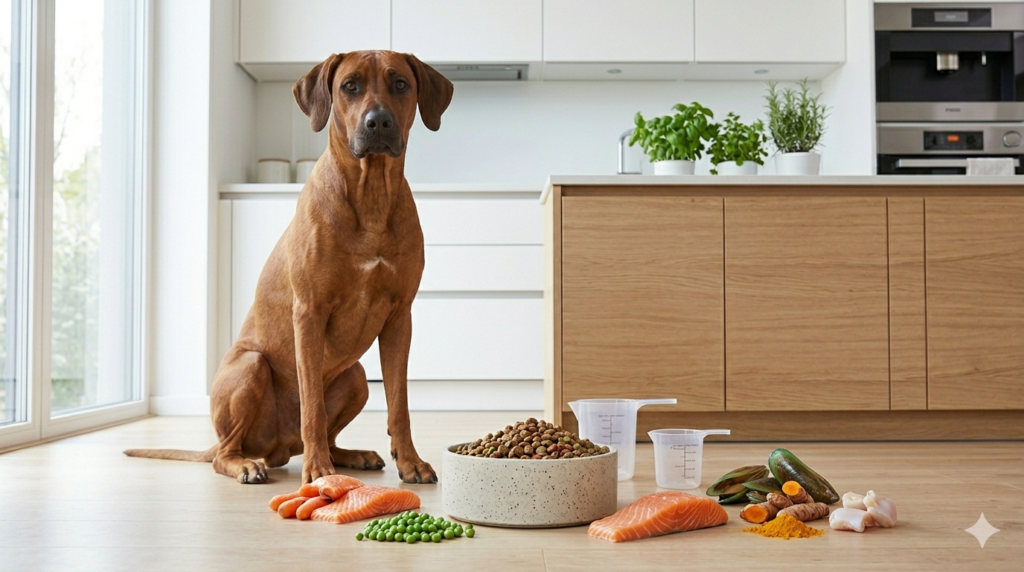
Dry vs. Wet vs. Raw: Choosing the Right Format
Beyond ingredients, the format of your dog food for Rhodesian Ridgebacks shapes palatability, digestibility, and practicality in daily feeding.
Dry Kibble
Dry kibble is the most practical and nutritionally well-researched format for dog food for Rhodesian Ridgebacks. It is convenient, calorie-controlled, cost-effective at scale for a large breed, and widely available in large-breed specific formulations. The mechanical action of chewing kibble also provides mild dental health benefits. For most Ridgeback owners, a high-quality large breed dry kibble is the optimal primary diet.
Wet and Fresh Food
Wet or fresh food used as a topper or partial meal alongside dry kibble adds moisture, palatability, and nutritional variety to your dog food for Rhodesian Ridgebacks routine. This can be particularly beneficial for selective eaters or dogs recovering from illness. Full wet food diets are significantly more expensive for a breed of this size and may make portion control more challenging.
Raw Feeding
Raw diets — whether commercially prepared or owner-formulated — are a popular choice among dedicated Ridgeback owners as a form of dog food for Rhodesian Ridgebacks. When nutritionally balanced, raw feeding can deliver exceptional results in muscle tone, coat quality, and digestive efficiency for this naturally lean, high-performance breed. However, raw diets carry risks including bacterial contamination and nutritional imbalance if not carefully managed. Consult a board-certified veterinary nutritionist before transitioning your Ridgeback to a raw diet.
Frequently Asked Questions About Dog Food for Rhodesian Ridgebacks
How much should I feed my Rhodesian Ridgeback?
Daily portions of dog food for Rhodesian Ridgebacks vary based on age, activity level, and caloric density of the chosen formula. As a general guide, a moderately active 85-pound adult male typically requires 3.5 to 5 cups of quality dry kibble per day, split into two meals. Always assess body condition regularly and adjust accordingly.
Is grain-free dog food safe for Rhodesian Ridgebacks?
Grain-free dog food for Rhodesian Ridgebacks is not necessary unless your individual dog has a confirmed grain sensitivity. The FDA has investigated a potential association between grain-free diets high in peas and lentils and dilated cardiomyopathy (DCM) in dogs. Until this research is fully resolved, discuss the grain-free question with your veterinarian before committing to a grain-free formula for your Ridgeback.
What is the best dog food for Rhodesian Ridgeback with joint issues?
For Ridgebacks with confirmed joint issues, prioritize a dog food for Rhodesian Ridgebacks with high omega-3 content from fish oil, natural glucosamine and chondroitin, and a caloric level that supports a lean body weight. Excess weight is one of the most damaging factors in joint disease progression.
When should I switch my Ridgeback puppy to adult food?
Transition from puppy-specific to adult dog food for Rhodesian Ridgebacks at around 18 to 24 months of age, when the breed reaches skeletal maturity. Switching too early removes the large-breed-specific calcium and growth controls that protect developing bones and joints.
Final Thoughts: The Right Dog Food for Rhodesian Ridgebacks Is a Lifelong Commitment
The Rhodesian Ridgeback is a breed of extraordinary physical capability, quiet dignity, and profound loyalty. They ask little of their owners beyond consistent training, regular exercise, and genuine affection — but they ask a great deal of their food. The right dog food for Rhodesian Ridgebacks must be as serious and well-constructed as the dog it is designed to nourish.
Start with a high-quality named animal protein, support it with healthy fats rich in omega-3 fatty acids, pair it with digestible complex carbohydrates, and ensure the formula addresses the breed’s joint, bone, and digestive needs at every life stage. Choose a large-breed-specific formula during puppyhood, calibrate portions carefully throughout adulthood, and adapt the diet thoughtfully as your dog ages into its senior years.
With the right dog food for Rhodesian Ridgebacks in their bowl every single day, your Ridgeback will have the nutritional foundation they need to live a long, healthy, and fully expressed life — whether that means running beside you on the trail, watching over your family at home, or simply doing what Ridgebacks do best: being magnificently, unforgettably themselves.
Looking for more breed-specific nutrition guides, expert feeding advice, and in-depth dog food reviews? Explore our blog for comprehensive resources designed to help you make the very best choices for your dog’s health at every stage of life.