Dog Food Bag Guide 2026 : Yellow Bags, Red Bags, and the Cheapest 50 lb Bags Worth Buying
Walk into any farm store, pet supply retailer, or feed shop and you'll immediately notice something: dog food bag color is not random.
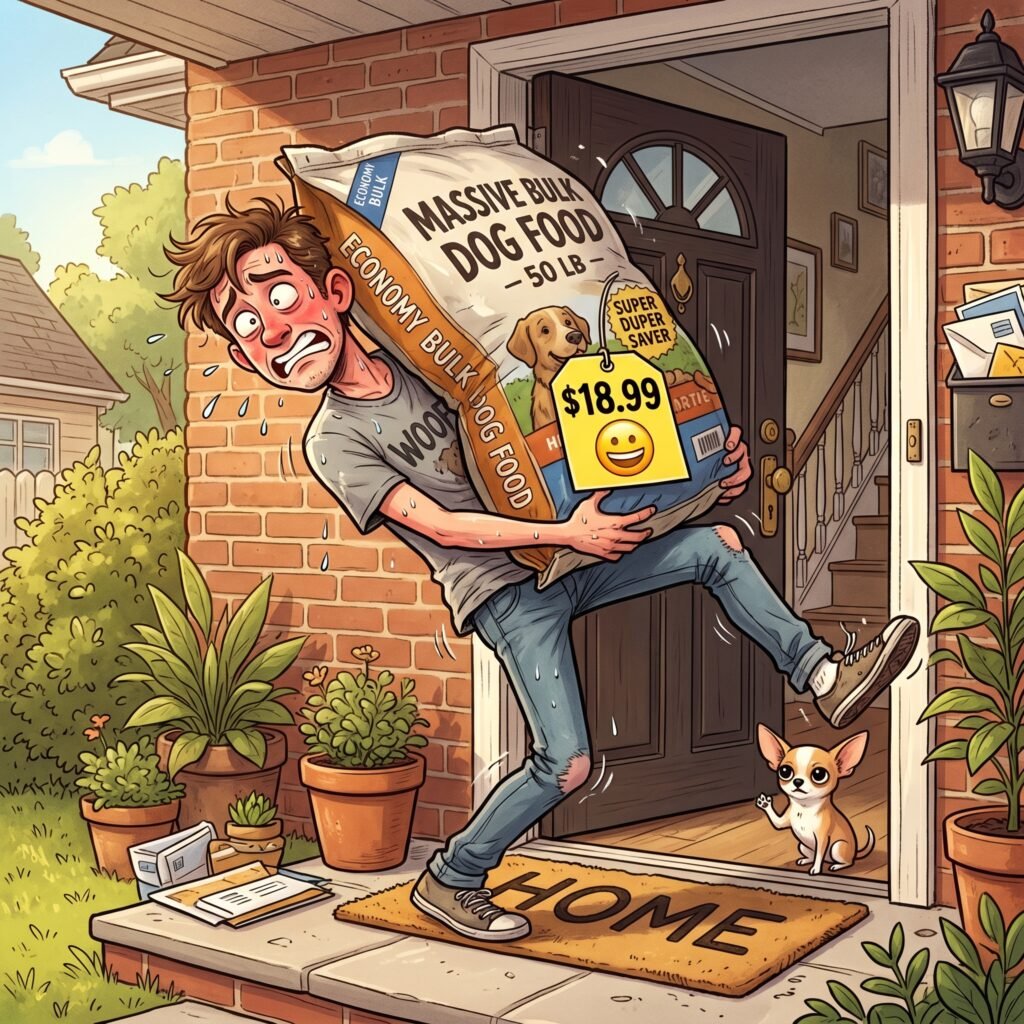
The yellow bags are grouped together. The red bags are in their own section. The giant 50-pound bags line the bottom shelf. If you’ve ever stood in that aisle wondering what the color of a dog food bag actually signals — or searched for the cheapest 50 lb bag of dog food that doesn’t compromise your dog’s health — this guide is exactly what you need.
This is the most comprehensive guide to dog food bags by color, size, and value in 2025. We’ll cover what the most famous yellow and red bag brands actually contain, how to find the cheapest 50 lb bag of dog food with genuine nutritional value, how dog food bag size affects freshness and cost-per-serving, and what every label element on a dog food bag actually means. Whether you’re buying for one dog or a multi-dog household, this guide gives you everything you need to shop smarter.
Why Dog Food Bag Color Matters More Than You Think
Before diving into specific brands and sizes, it’s worth understanding the psychology and practicality behind dog food bag color. This isn’t superficial — color coding in the pet food aisle is a deliberate marketing and organizational strategy that genuinely helps buyers navigate a crowded, confusing category.
Pet food companies use color to communicate at a glance. Yellow bags typically signal premium or performance nutrition — the color is associated with energy, sunshine, and warmth, and brands use it to suggest high-quality ingredients and natural sourcing. Red bags more commonly signal energy-dense, high-performance formulas designed for active, working, or sporting dogs — red conveys power, intensity, and strength. Blue bags are associated with trust and calm, which is why Blue Buffalo built an entire brand identity around the color.
Understanding what’s inside the dog food bag behind the color, however, requires going beyond the packaging design and reading the actual ingredient list, guaranteed analysis, and AAFCO nutritional adequacy statement. The color of a dog food bag will tell you what a brand wants you to feel — the label will tell you what your dog is actually eating.
The Dog Food Yellow Bag: Which Brands Use It and What’s Inside
The dog food yellow bag is one of the most recognized packaging conventions in the pet food industry. Several major brands have built strong customer recognition around their distinctive yellow packaging — to the point where longtime customers often refer to the product simply as “the yellow bag” without mentioning the brand name at all.
CANIDAE All Life Stages — The Most Recognized Dog Food Yellow Bag
When experienced dog owners refer to “the dog food yellow bag,” they are most often talking about CANIDAE All Life Stages Chicken Meal & Rice Formula. This formula has been packaged in its iconic yellow bag for years and has built one of the most loyal followings in the specialty pet food market.
The CANIDAE All Life Stages formula in the yellow bag is notable for several reasons. First, it genuinely meets AAFCO nutritional standards for all life stages — including puppy growth — which means it’s appropriate for households with dogs of different ages. Second, the dog food yellow bag from CANIDAE uses chicken meal as the primary protein source, which is a concentrated, high-bioavailability protein that delivers more protein per pound than fresh chicken. Third, the formula includes a blend of whole grains (brown rice, white rice, oatmeal), omega fatty acids, and probiotics.
The CANIDAE yellow bag is available in multiple bag sizes from small trial packs up to large 44-pound bags, making it flexible for households of different sizes. It is widely available through specialty pet retailers and online, though not typically found in grocery stores or farm supply chains.
Who it’s best for: Multi-dog households, dogs of mixed ages, owners who want a trustworthy mid-premium formula in an easy-to-recognize package.
Victor Dog Food — The Yellow Bag for High-Performance Feeding
Victor is another brand strongly associated with the dog food in yellow bag category, particularly among the working dog and hunting dog communities. Victor’s Classic Multi-Pro formula — one of their flagship products — comes in a distinctive yellow bag and has earned significant loyalty from owners of active breeds, sporting dogs, and kennels.
The Victor yellow bag contains a protein-dense, multi-meat formula built around beef meal, chicken meal, and pork meal — a three-protein approach that delivers a broad amino acid spectrum and high overall protein content. The Classic Multi-Pro formula contains 26% protein and 18% fat on a dry matter basis, making it energy-dense and appropriate for active adult dogs.
Victor is manufactured by Mid America Pet Food in Texas — a company that has maintained a strong safety record and produces food exclusively in the United States. Victor’s yellow bag formulas are available in large sizes, including 40-pound and 50-pound options, making them a practical and cost-effective choice for high-volume feeding situations. The price-per-pound on Victor’s dog food yellow bag in larger sizes is among the most competitive in the mid-premium segment.
Who it’s best for: Working dogs, active breeds, kennels, multi-dog households feeding large quantities regularly.
Purina Beneful — The Mainstream Dog Food Yellow Bag
At the more widely accessible end of the market, Purina Beneful’s Healthy Weight formula comes in a distinctive yellow dog food bag available at Walmart, Target, and most grocery stores. The yellow color signifies the weight management line — differentiating it from Beneful’s other formulas.
The Beneful yellow bag is manufactured by Purina, one of the most rigorously tested pet food companies in the world with its own research facilities and veterinary nutrition staff. While Beneful is not positioned as a premium product — it contains some lower-quality ingredient choices compared to the CANIDAE or Victor yellow bags — it meets AAFCO standards and is backed by Purina’s manufacturing rigor.
For budget-conscious owners who want a widely available option in a dog food yellow bag format, Beneful Healthy Weight represents the most accessible mainstream choice.
The Red Bag Dog Food: High Performance in a Bold Package
The red bag dog food category is dominated by performance-oriented formulas specifically designed for active, working, and sporting dogs. Red bag positioning almost universally signals high protein, high fat, and energy-dense nutrition — the dietary requirements of dogs that work hard, hunt, compete, or simply have naturally high metabolisms.
Valu-Pak 24/20 — The Iconic Red Bag Dog Food
If there is one formula that defines the red bag dog food category, it is Valu-Pak 24/20. This formula has been feeding working dogs, hunting dogs, kennel dogs, and active breeds for decades and is one of the most enduringly popular high-performance formulas in the rural and farm supply market.
The Valu-Pak red bag dog food is named for its protein and fat ratios: 24% protein and 20% fat — a combination that delivers the sustained energy output demanded by dogs working in the field, competing, or maintaining high activity levels through multiple daily exercise sessions. The formula is built on pork meal and chicken by-product meal as primary protein sources, with ground whole grain corn, whole sorghum, and ground soft wheat as carbohydrate sources.
The 50-pound red bag dog food from Valu-Pak is manufactured by Specialty Feeds — a family-owned company operating for over 50 years — in the USA. It contains natural sources of glucosamine and chondroitin from pork meal, omega-3 and omega-6 fatty acids from flaxseed meal, and is free from artificial colors, flavors, and preservatives. The formula is also available in a Valu-Pak FREE version made without corn, wheat, soy, or gluten for dogs with grain sensitivities.
The red bag dog food from Valu-Pak is one of the most discussed formulas on hunting dog forums, kennel community boards, and farm supply communities. At roughly $0.60–0.80 per pound in the 50-pound bag size, it represents outstanding value for the performance nutrition segment.
Who it’s best for: Hunting dogs, working breeds, sporting dogs, kennels, and any active dog with high daily caloric requirements.
IAMS Large Breed — Red Bag Dog Food for Big Dogs
The IAMS Large Breed formula comes in a recognizable red bag dog food format and is one of the most widely sold large-breed formulas in the US market. Available at Walmart, Target, Chewy, and most pet supply chains, the IAMS red bag is accessible to virtually any dog owner regardless of location.
The formula contains chicken as the first ingredient, with whole grain corn and corn grits as primary carbohydrate sources. IAMS backs its large breed formula with specific calcium and phosphorus ratios designed to support large breed bone health, and includes L-carnitine for fat metabolism — a meaningful addition for large dogs prone to weight gain.
At around $0.70–0.90 per pound in the largest available sizes, IAMS red bag dog food for large breeds is a credible mid-market option. It is not the highest-quality formula in the red bag category, but it is widely available, well-studied, and manufactured by Mars Petcare with access to significant research infrastructure.
Purina Dog Chow — The Classic Red Bag Dog Food
Purina Dog Chow’s original formula comes in its classic red bag dog food packaging — one of the most recognizable bags in the history of the pet food industry. Purina Dog Chow has been feeding American dogs for over 90 years and remains one of the best-selling dog foods in the country by volume.
The Purina Dog Chow red bag dog food is positioned at the value end of the market — it is broadly available, affordably priced, and manufactured by Purina to consistent quality standards. At roughly $0.55–0.65 per pound in the 44-pound bag size, it is one of the most affordable quality-assured options available. While the ingredient list does not match the premium standards of specialty brands, Purina’s manufacturing controls, feeding trial data, and AAFCO compliance make it a defensible choice for healthy adult dogs whose owners prioritize accessibility and value above premium nutrition.
The Cheapest 50 lb Bag of Dog Food Worth Actually Buying
The search for the cheapest 50 lb bag of dog food is one of the most common budget-focused queries in the pet food category — and for good reason. Buying in bulk at the 50-pound size delivers the best cost-per-pound value across virtually every brand that offers it. But “cheapest” and “best value” are not the same thing, and the difference matters for your dog’s long-term health.
Here is the truth about the cheapest 50 lb bag of dog food market: the lowest price-per-pound options are almost always lower-quality formulas that offset their cheap ingredients with higher carbohydrate filler content, corn syrup binders, and lower-bioavailability protein sources. Your dog may eat more of a cheap food to meet their nutritional needs — which closes the cost gap faster than most owners expect.
The genuinely best value in the cheapest 50 lb bag of dog food category comes from brands that offer high nutritional density at a competitive price point. Here are the options that deliver the best combination of quality and affordability:
Purina Dog Chow — Best Budget 50 lb Dog Food Bag
The most accessible entry point in the cheapest 50 lb bag of dog food segment is Purina Dog Chow Complete. Available in 44-pound bags (close enough to 50 for practical purposes) at Walmart, Target, and grocery stores for approximately $25–$28, this formula delivers complete nutrition at roughly $0.57–$0.64 per pound.
For an owner whose dog is healthy, has no specific dietary needs, and whose household budget is genuinely constrained, Purina Dog Chow is the most defensible option in the budget dog food bag category. It is AAFCO-compliant, manufactured by Purina with strong quality controls, and has fed millions of American dogs for generations without issue.
Pedigree Complete Nutrition — Affordable 50 lb Dog Food Bag
Pedigree Complete Nutrition Adult Dry Dog Food is available in configurations close to 50 pounds from Walmart, Chewy, and Amazon at prices ranging from $28–$38 depending on size and retailer. At roughly $0.60–$0.75 per pound, it sits slightly above Purina Dog Chow on the price spectrum while offering real chicken or beef as primary protein.
The Pedigree dog food bag is one of the most frequently purchased in the US by volume — driven by wide availability, consistent palatability, and competitive pricing. It is not a premium formula by any clinical standard, but for healthy adult dogs in average-activity households, it provides adequate complete and balanced nutrition.
Victor Classic Multi-Pro 40 lb — Best Value Premium Dog Food Bag
For owners willing to spend slightly more per pound to access genuinely premium nutrition, Victor Classic Multi-Pro in the 40-pound dog food bag (the largest size widely available) delivers exceptional nutritional density at a price point well below comparable premium brands.
At approximately $45–$55 for the 40-pound bag — roughly $1.12–$1.38 per pound — Victor is not the cheapest 50 lb bag of dog food on a raw price basis. However, the higher nutritional density means dogs typically eat less per serving to meet their needs, which narrows the effective cost difference significantly. Victor’s three-protein formula, clean manufacturing record, and performance reputation make it the strongest value play in the mid-premium dog food bag segment for owners who can stretch slightly beyond the budget tier.
Diamond Naturals — 50 lb Bag at Premium Price for Budget
Diamond Naturals offers one of the few genuinely premium-positioning formulas available at a price point competitive with the cheapest 50 lb bag of dog food options. Diamond Naturals Large Breed Adult in the 40-pound bag runs approximately $38–$48 from Chewy or Walmart — about $0.95–$1.20 per pound — delivering real meat protein, whole grain carbohydrates, and superfoods like blueberries and pumpkin at a price significantly below comparably formulated premium brands.
Diamond is manufactured in facilities that have experienced recalls in the past (2012 and 2019 being the most notable), which is worth knowing. Their manufacturing has been significantly upgraded since those events, and no recalls have occurred in recent years. For budget-conscious owners who want a cleaner ingredient profile than Purina or Pedigree but cannot sustain the cost of brands like Orijen or Merrick, Diamond Naturals in the large dog food bag format is a credible middle-ground choice.
How to Read a Dog Food Bag Label: Everything That Matters
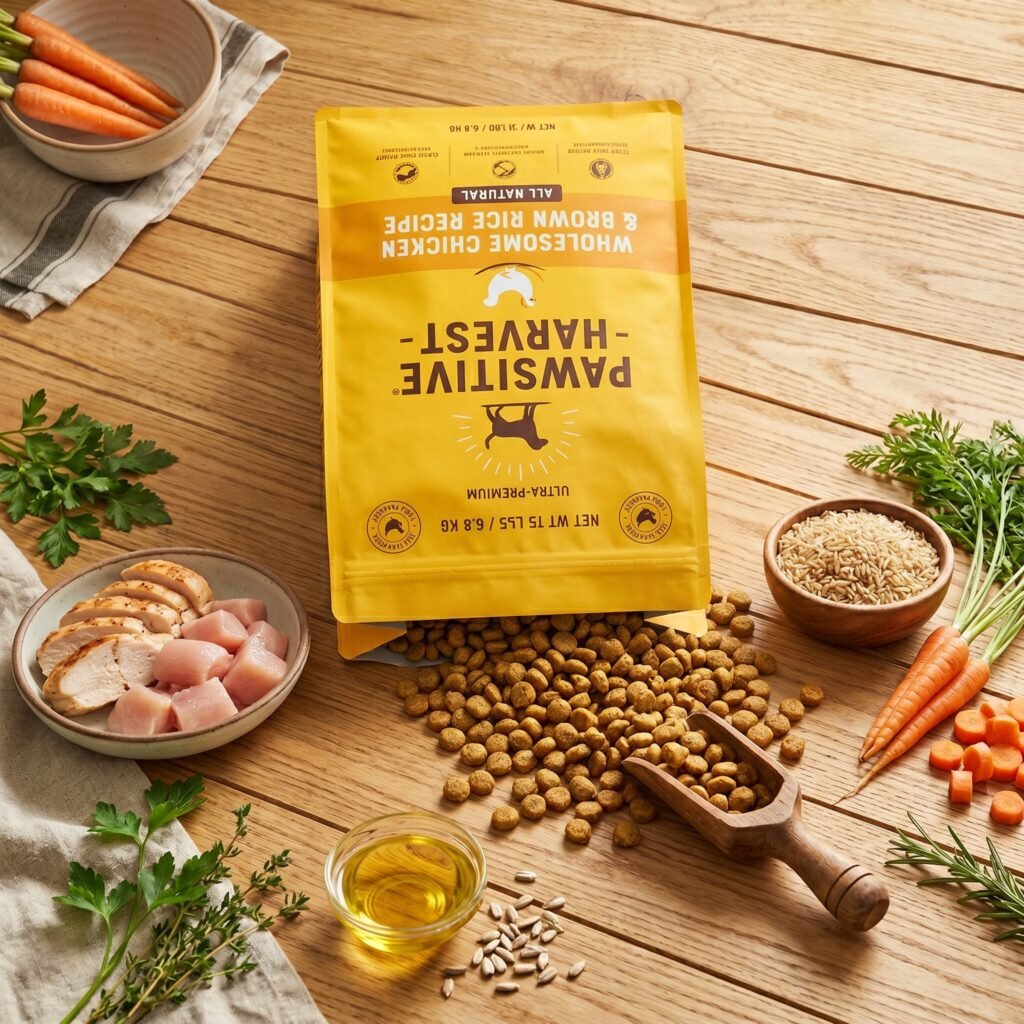
Regardless of the color, size, or brand of the dog food bag you’re considering, the label contains everything you need to evaluate whether the food is appropriate for your dog. Here’s how to read it correctly:
The Ingredient List
The first ingredient on any dog food bag is the one present in the greatest weight at the time of mixing — which means fresh meat (which contains up to 75% water) will appear before dry ingredients even if it contributes less protein to the finished product. Look for:
- A named animal protein (chicken, beef, salmon, turkey) as the first ingredient
- A named meat meal as the second or third ingredient for concentrated protein contribution
- Whole grains or identifiable vegetables as primary carbohydrates
- Named fat sources (chicken fat, sunflower oil) rather than anonymous “animal fat”
Avoid dog food bags where the first two or three ingredients are grains or grain by-products before any animal protein appears.
The Guaranteed Analysis
Every dog food bag must display minimum percentages for crude protein and crude fat, and maximum percentages for crude fiber and moisture. These numbers are on an as-fed basis — to compare foods meaningfully, you need to convert to a dry matter basis by dividing by (1 minus the moisture percentage). This matters most when comparing dry kibble to wet food, but is useful for comparing any two formulas.
For most adult dogs:
- Protein: aim for 22–30%+ (dry matter basis)
- Fat: 12–20% depending on activity level
- Fiber: 3–8% for digestive health
The AAFCO Nutritional Adequacy Statement
This statement on the dog food bag is mandatory for any food sold as complete and balanced nutrition. It will say either “formulated to meet the nutritional levels established by AAFCO Dog Food Nutrient Profiles” or “animal feeding tests using AAFCO procedures.” The feeding test statement indicates the food has been tested on actual dogs — a higher standard than formulation alone.
If a dog food bag does not carry this statement, the product is a complement or treat, not a complete diet. Never feed a product without this statement as your dog’s sole food source.
The Calorie Statement
Since 2013, the FDA has required that all dog food labels include a caloric content statement — expressed as kcal per kilogram and kcal per common household measure. This information on the dog food bag is essential for calculating portion sizes accurately and managing your dog’s weight.
A 50-pound bag of a high-calorie, nutrient-dense formula like Victor will require smaller portions per meal than a 50-pound bag of a lower-density formula like Pedigree — which is why cost-per-pound alone does not tell the full story when comparing the cheapest 50 lb bag of dog food options.
Dog Food Bag Size: How to Choose the Right Amount
Beyond color and content, dog food bag size is one of the most important practical decisions a dog owner makes — and one that affects both cost and food freshness in ways most owners don’t fully consider.
The 50-Pound Bag: When It Makes Sense
The cheapest 50 lb bag of dog food option makes economic sense only when your dog will consume the contents within four to six weeks of opening. Dry dog food begins to oxidize and lose nutritional potency from the moment the dog food bag is opened. Beyond six weeks, fat oxidation can produce rancid compounds that reduce palatability and may contribute to digestive upset.
A 50-pound bag is appropriate for:
- Large single dogs (80+ pounds) eating 4–6 cups daily
- Multi-dog households with two or more medium to large dogs
- Kennels and working dog operations with multiple dogs eating daily
The 30-Pound Bag: The Sweet Spot for Most Households
For a single medium-sized dog (30–60 pounds), the 30-pound dog food bag typically represents the best combination of cost efficiency and freshness. The larger the bag, the lower the price per pound — but only if the food is consumed before it goes stale.
Storing Your Dog Food Bag Properly
Regardless of the size of dog food bag you purchase, proper storage dramatically affects food quality and safety:
Keep the food in its original dog food bag inside an airtight container. The original bag is lined with materials that protect against moisture and oxygen; transferring food to an unlined plastic container removes this protection. Store in a cool, dry location away from direct sunlight. Keep the original dog food bag even if you use an external container — the lot number and best-by date on the bag are essential for tracking recall alerts.
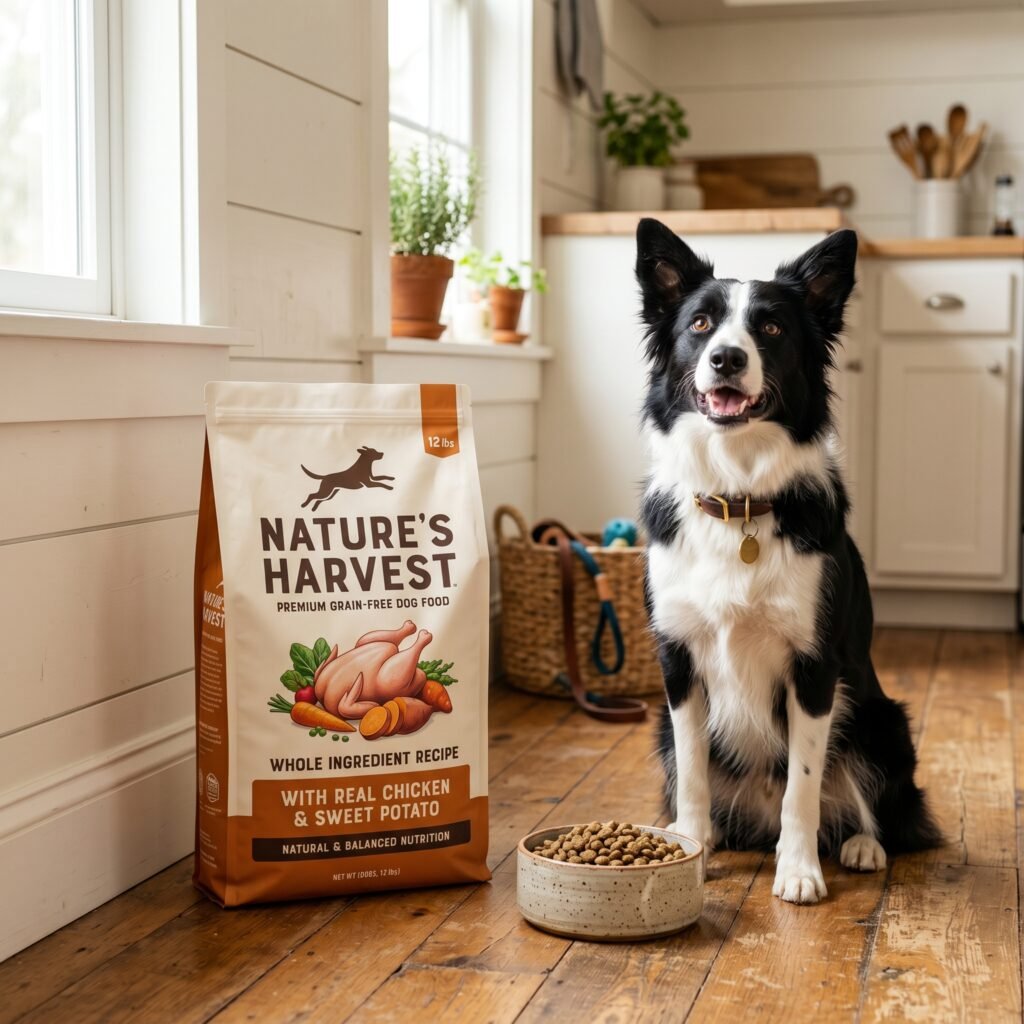
Dog Food Bag Buying: Retailer Comparison
Where you buy your dog food bag affects both price and freshness. Here’s a quick breakdown of the major retailer options:
Chewy: The best overall value for premium and mid-premium dog food bag purchases. Autoship discounts of 5–10% reduce the effective cost significantly. Fresh inventory turnover is high, and the selection of large bag sizes is broad.
Walmart: The best option for budget dog food bag purchases in the Purina, Pedigree, and IAMS categories. Prices are among the lowest available for mainstream brands, and same-day pickup eliminates shipping delays.
Amazon: Competitive on Subscribe & Save pricing for medium-sized dog food bags, but selection of large 50-pound bags is more variable. Some third-party sellers on Amazon may have older inventory — check the best-by date on arrival.
Tractor Supply / Farm Supply Stores: The best source for working-dog and farm-community brands like Valu-Pak, Victor, and similar red bag dog food and dog food yellow bag options that are not widely stocked in standard pet stores. Prices are often competitive with online retailers for large bags.
Costco: Carries select dog food bag brands (Kirkland Signature, Nature’s Domain) at outstanding value for bulk buyers. The 35–40-pound Kirkland bags represent some of the best cost-per-pound ratios for quality dog nutrition available from any retailer.
Frequently Asked Questions About Dog Food Bags
What dog food comes in a yellow bag? The most recognized dog food yellow bag brands include CANIDAE All Life Stages (Chicken Meal & Rice), Victor Classic formulas, and Purina Beneful Healthy Weight. The yellow dog food bag is commonly associated with premium or performance nutrition.
What is the red bag dog food everyone talks about? The most widely discussed red bag dog food is Valu-Pak 24/20 — a 50-pound performance formula for active and working dogs made by Specialty Feeds. Purina Dog Chow and IAMS Large Breed also come in recognizable red packaging.
What is the cheapest 50 lb bag of dog food that’s still good quality? The cheapest 50 lb bag of dog food with genuine nutritional value is Purina Dog Chow Complete at approximately $0.57–$0.64 per pound. For owners who can spend slightly more, Valu-Pak 24/20 in the red bag and Diamond Naturals offer significantly better ingredient quality at still-competitive prices.
Does dog food in a yellow bag mean better quality? Not automatically. The dog food in yellow bag format is a marketing convention — quality is determined by the ingredient list and AAFCO statement, not the packaging color. CANIDAE’s yellow bag contains genuinely premium nutrition; Beneful’s yellow bag is mid-market. Always read the label.
How long does a 50 lb dog food bag last? A 50-pound dog food bag lasts approximately four to six weeks for a single large dog eating 4–6 cups daily, two to three weeks for two large dogs, and up to eight weeks for a single medium dog eating 2–3 cups daily. Never keep an opened dog food bag beyond six weeks regardless of how much remains.
Is it safe to transfer dog food out of the original bag? Store the dog food bag original liner inside your airtight container — don’t transfer the food directly into plastic. The original dog food bag material provides moisture and oxygen barriers that unlined storage containers don’t replicate.
Final Verdict: The Best Dog Food Bags for Every Situation in 2025
The dog food bag you choose should match your dog’s nutritional needs, your household’s consumption rate, and your budget — in that order of priority. Color gives you a starting point for navigation; the label gives you the truth.
For the dog food yellow bag category, CANIDAE All Life Stages is the gold standard for multi-dog households and owners who want proven mid-premium nutrition. For high-performance needs, Victor’s yellow bag delivers exceptional protein density at a competitive price.
For red bag dog food, Valu-Pak 24/20 is the most respected performance formula available in a large dog food bag format — a 50-year track record in the working dog community is a meaningful endorsement. For mainstream accessibility, IAMS Large Breed and Purina Dog Chow red bags deliver reliable quality at the widest possible distribution.
For the cheapest 50 lb bag of dog food with real nutritional value, Purina Dog Chow wins on raw price and availability, while Valu-Pak 24/20 and Diamond Naturals win on ingredient quality per dollar spent.
Whatever dog food bag you select, buy the largest size your dog will consume within six weeks, store it properly in the original liner inside an airtight container, and check the lot number against the FDA recall database before first use. Those three habits will serve your dog’s health far better than any single brand decision.
This article is for informational purposes only. Always consult your veterinarian before making significant changes to your dog’s diet, particularly if your dog has existing health conditions or specific nutritional requirements.