Can Humans Eat Dog Food? Is It Safe or Dangerous?
Can humans eat dog food safely? Learn what dog food contains, potential risks, and whether it’s okay in emergencies.
Can Humans Eat Dog Food? Safety, Farmer’s Dog, and What to Do in an Emergency
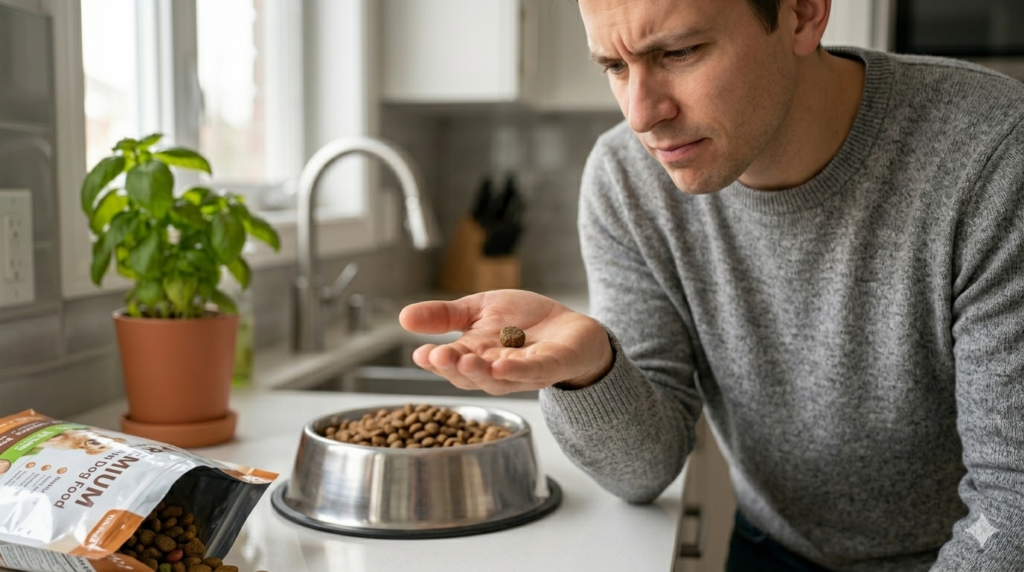
People search can humans eat dog food for all kinds of reasons—curiosity, a toddler grabbing kibble, travel mishaps, or true emergencies. You’ll also see related questions like can dog food be eaten by humans, can humans eat Farmer’s Dog food, and can humans eat dog food in an emergency.
Here’s the honest, practical answer: Most dog food won’t poison a healthy adult if a small amount is eaten, but it’s not made for human nutrition or food-safety standards in the same way. It should not be a regular food choice.
Can Humans Eat Dog Food?
Yes, humans can physically eat dog food, and a small accidental amount is usually not dangerous for most healthy people. But “not instantly dangerous” does not mean “good” or “safe to eat often.”
Dog food is designed for dogs, which means:
It’s formulated for canine nutrient needs, not human needs
It may contain ingredients, additives, or processing steps intended for pets
It’s not always produced under the same standards and expectations as human food
So the better question is: Should humans eat dog food?
In normal life: no.
Can Dog Food Be Eaten by Humans? What’s the Risk?
If someone eats dog food occasionally, the biggest concerns are usually:
1) Foodborne bacteria
Dog food (especially raw or fresh pet foods) can carry bacteria that may cause human illness. Even dry kibble can be contaminated if stored improperly or if a batch has a contamination issue.
Higher-risk people include:
infants and toddlers
pregnant people
older adults
people with weakened immune systems
2) Nutritional imbalance
Dog food is balanced for dogs. Humans need different amounts and ratios of:
sodium
fiber
certain vitamins/minerals
calories
Eating dog food as a regular “meal replacement” can lead to poor nutrition over time.
3) High vitamin/mineral levels (not ideal for humans)
Some pet foods may contain nutrient levels that are fine for dogs but unnecessary or excessive for humans if eaten repeatedly.
Can Humans Eat Dog Food in an Emergency?
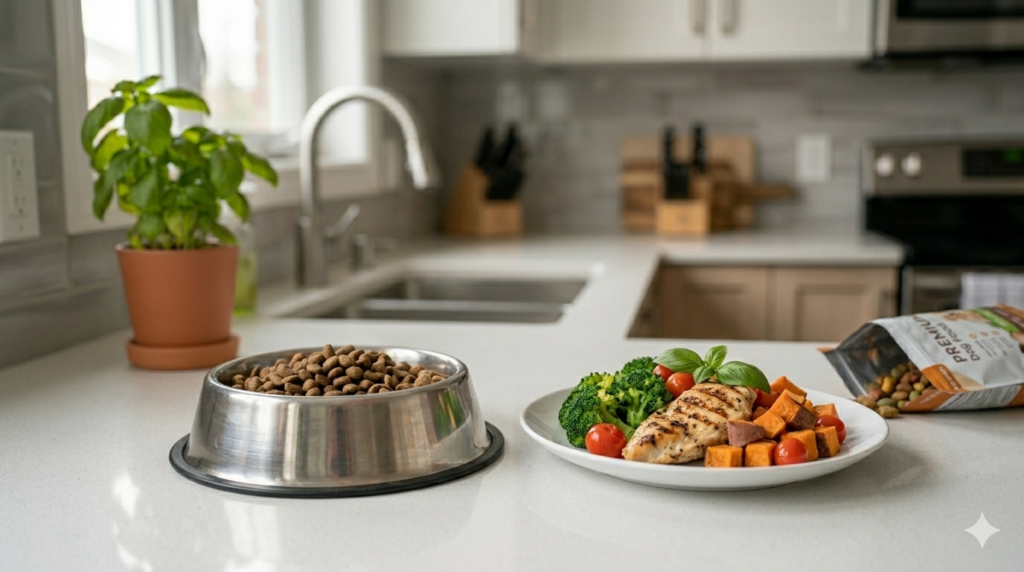
If it’s truly an emergency and there’s no other food available, a small amount of dog food is generally safer than eating nothing, but there are best practices.
Best emergency choice
Dry kibble or canned dog food from a sealed container
Avoid anything spoiled, wet left open, or stored in heat
Avoid in emergencies
Raw dog food (higher pathogen risk)
Any dog food that smells rancid, is moldy, or expired
Foods stored in humid conditions or contaminated containers
If you eat it, keep it minimal
Dog food is often salty and heavy. It can cause nausea or stomach upset in humans—especially if you’re not used to it.
Can Humans Eat Farmer’s Dog Food?
Many people ask can humans eat Farmer’s Dog food because it’s marketed as “fresh” and often described as “human-grade” ingredients.
Here’s the practical answer:
It may be made from ingredients that are safe for humans, but it is still pet food, not a human product.
It isn’t labeled, regulated, or intended as a human meal.
Taste and seasoning are designed for dogs (often bland to humans).
So can you eat it? Technically yes, many people probably could without immediate harm—but it’s not recommended as a human food choice.
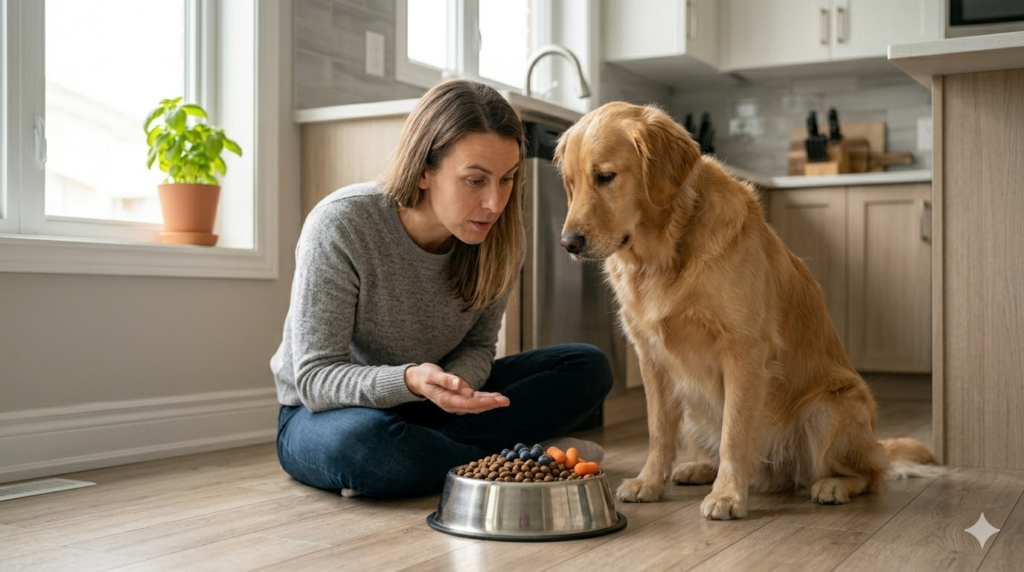
What Foods Can Dogs Eat That Humans Eat?
This keyword is the “better direction” for most people: instead of humans eating dog food, share safe human foods with dogs.
Common dog-safe human foods (plain, small portions):
cooked chicken or turkey (no seasoning, no bones)
eggs (cooked)
carrots, cucumbers, green beans
pumpkin (plain)
blueberries, apple slices (no seeds), banana (small amounts)
plain rice
Avoid sharing:
onions/garlic
grapes/raisins
chocolate
xylitol (sugar-free gum/candy, some peanut butters)
cooked bones
alcohol
Accidental Eating: What to Do If a Human Eats Dog Food
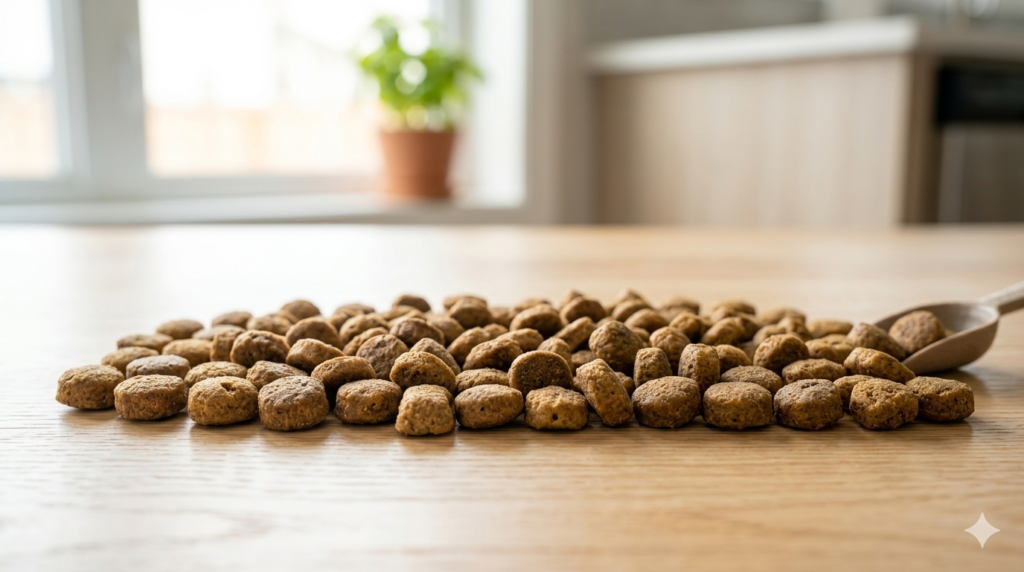
If an adult ate a bite of kibble or a spoon of canned food:
Usually no action is needed.
Drink water and monitor for stomach upset.
Call a medical professional if you have:
severe vomiting/diarrhea
fever
bloody stool
signs of allergy (swelling, hives, trouble breathing)
you’re in a high-risk group (pregnant, immunocompromised, very young/old)
If a toddler ate dog food, it’s usually still not an emergency, but toddlers are more sensitive—monitor closely and consider calling your pediatrician if symptoms appear.
Why Dog Food Is Not a “Human Food Substitute”
Even the highest-quality dog food is made to meet dog requirements. Humans need different:
fiber targets
micronutrient ratios
sodium expectations
food safety expectations
Using dog food as a regular emergency pantry item is not a good plan. Better emergency foods for humans include:
canned beans
tuna/sardines
peanut butter (regular)
oats
rice
shelf-stable soups
Why Dog Food Isn’t Treated the Same as Human Food
When people ask can dog food be eaten by humans, they often assume pet food is made under the same rules as human food. In reality, pet food is produced for animals, and while many manufacturers follow strong safety programs, the expectations and usage are different.
Key differences include:
Target consumer: Dog food is designed for canine biology, not humans.
Taste and seasoning: Dog food is usually bland or unseasoned by human standards, but may still contain ingredients not ideal for people.
Handling practices: Pet food is often handled around pets (bowls, floors, hands that touched raw meat, etc.), increasing contamination risk if humans eat it.
Even if a dog food product contains ingredients that look “human-like,” it is still not a product intended for human consumption.
The Biggest Real Risk: Foodborne Illness
Most of the danger in humans eating dog food comes from bacteria, not from the nutrients.
Potential contamination risks can include organisms like:
Salmonella
Listeria
E. coli
This risk is higher with:
Raw dog food
Fresh refrigerated dog food
Wet food that sits open too long
Kibble stored in humid conditions
Bowls that are not cleaned regularly
Even dry kibble can carry contamination if a batch has an issue or if storage is poor.
Can Humans Eat Dog Food in an Emergency? A Practical Safety Guide
If it’s truly an emergency and dog food is the only available option, it’s better to approach it like you would any risky food source: minimize exposure and choose the lowest-risk form.
Lowest-risk emergency choice
Dry kibble from a sealed bag
Canned dog food from an unopened can
These are typically more shelf-stable and less likely to carry high bacterial load compared with raw diets.
Higher-risk emergency choice
Fresh refrigerated dog food
Freeze-dried raw diets (still raw-based)
Homemade raw pet food
Raw or fresh foods can carry higher pathogen risk, especially if not stored perfectly cold.
Emergency portion rule
Eat the smallest amount necessary to get through the situation. Dog food is not balanced for humans and may cause nausea if eaten in large amounts.
Can Humans Eat Farmer’s Dog Food? The “Human-Grade” Confusion
Many people ask can humans eat Farmer’s Dog food because it is often described using “fresh food” language. This creates the impression it’s safe for humans.
Here’s the key point:
It may be made using ingredients that are safe for humans.
But it is still made, packaged, labeled, and regulated as pet food, not as a human meal.
It is not designed to meet human nutrition needs, and it is not marketed as a human product.
So while a healthy adult may not be harmed by a small taste, it’s not recommended to treat it as a human food source.
Who Should NOT Eat Dog Food (Even Small Amounts)
For some groups, the risk is higher even with small exposures.
Avoid eating dog food if you are:
Pregnant
Immunocompromised
Elderly
A young child
Someone with severe food allergies
Someone recovering from stomach illness
If you are in one of these groups and you accidentally ate dog food, it’s usually still not a guaranteed emergency—but you should be more cautious and monitor symptoms closely.
What Happens If a Person Eats Dog Food?
In many cases, nothing serious happens. But possible outcomes include:
Mild effects
Nausea
Stomach cramps
Mild diarrhea
Bad taste / reflux
More serious effects (uncommon)
Fever
Persistent vomiting
Severe diarrhea
Dehydration
Blood in stool
Those serious symptoms are more likely if food is contaminated or the person is high-risk.
What to Do After Accidental Eating (Step-by-Step)
If a human eats dog food accidentally:
Rinse mouth and drink water
Do not panic (most small exposures don’t cause severe issues)
Monitor for 24–48 hours for:
vomiting
diarrhea
fever
stomach pain
If symptoms become severe, contact a healthcare provider.
When to seek medical advice sooner
Infant/toddler ate it
Person is immunocompromised
Symptoms appear quickly or worsen
Suspected raw food exposure
Why Eating Dog Food Regularly Is a Bad Idea
Even if someone eats dog food without immediate illness, regular consumption is not smart because:
Dog foods can have nutrient ratios not suitable for humans
Some foods may contain high mineral levels meant for dogs
It may be too low in human-required fiber patterns
Calories and sodium may not match human needs
Long-term, it can contribute to poor diet balance.
Better Emergency Foods Than Dog Food
If you’re preparing for emergencies, dog food should not be your plan. Better shelf-stable human foods include:
Canned beans
Oats
Tuna
Peanut butter
Rice
Shelf-stable soups
Crackers
These are safer, more balanced, and made for human consumption.
What Foods Can Dogs Eat That Humans Eat? (Better Alternative)
Instead of humans eating dog food, the safer everyday question is: what foods can dogs eat that humans eat?
Good shared options (plain, no seasoning):
Cooked chicken
Eggs
Carrots
Cucumbers
Green beans
Pumpkin
Blueberries
Rice
Avoid shared foods that are toxic to dogs:
Grapes/raisins
Onion/garlic
Chocolate
Xylitol
Alcohol
Cooked bones
Extended Conclusion
So, can humans eat dog food? Most healthy adults can tolerate a small accidental bite without serious harm, and can humans eat dog food in an emergency? Technically, yes—especially sealed kibble or canned food—though it’s not ideal. The biggest concern is foodborne bacteria and poor nutrition fit, not immediate toxicity. Even fresh pet foods like Farmer’s Dog may use human-like ingredients, but they are still pet products and not intended as human meals.