Can Food Cause Anal Gland Issues in Dogs? Full Guide
Can food cause anal gland issues in dogs? Learn how diet affects anal glands and what foods may help or worsen the problem.
Can Food Cause Anal Gland Issues in Dogs? Diet Links, Common Triggers, and What Helps
If your dog is scooting, licking their rear, or has a fishy smell, you might wonder: can food cause anal gland issues in dogs? The short answer is yes—diet can contribute, but it’s usually not the only factor. Anal gland problems are most often linked to stool quality, and stool quality is strongly influenced by what your dog eats.
This article explains how anal glands work, how food can affect them, what diet changes may help, and when to see a veterinarian.
What Are Anal Glands and Why Do They Get Problems?
Dogs have two small anal sacs (anal glands) located on either side of the rectum. These glands produce a smelly fluid that normally empties when a dog passes a firm stool.
Anal glands may become an issue when:
The glands don’t empty properly
The fluid thickens
The glands get impacted (blocked)
The sac becomes inflamed or infected
The most common reason glands don’t empty well is soft stool.
Can Food Cause Anal Gland Issues in Dogs?
Yes—food can play a role because diet directly affects:
Stool firmness
Stool volume
Gut inflammation
Food intolerances and allergies
When stool is too soft, it may not press firmly enough against the glands to empty them naturally. Over time, fluid builds up and can lead to impaction or infection.
So while food may not “cause” anal gland problems in every case, it can strongly contribute by causing chronic soft stools or digestive upset.
How Diet Affects Anal Glands (The Stool Connection)
1) Soft stool doesn’t empty glands well
Firm stool applies pressure inside the rectum, which helps squeeze the glands. Loose stool doesn’t do this effectively.
2) Low fiber can reduce stool bulk
Some dogs produce smaller stool volume on low-fiber diets. Less stool bulk may reduce the mechanical pressure needed to express glands.
3) Too much fat can cause diarrhea
High-fat foods and rich treats can trigger loose stool in many dogs. Soft stools increase anal gland problems.
4) Food sensitivities cause inflammation
Dogs with food intolerance may develop chronic loose stool, mucus stool, or frequent bowel movements, increasing anal gland stress.
Food Triggers That May Contribute to Anal Gland Problems
Not every dog reacts the same way, but common dietary triggers include:
High-fat foods (greasy treats, table scraps, rich formulas)
Frequent diet switching
Too many treats (especially soft treats)
Dairy (for dogs that can’t tolerate lactose)
Low-quality diets with poor digestibility
Proteins your dog doesn’t tolerate (chicken for some dogs, beef for others)
If your dog’s anal gland issues started after a new food, the diet change may be a major clue.
Signs Anal Gland Issues May Be Diet-Related
You’re more likely dealing with a diet/stool link if your dog has:
Chronic soft stool or diarrhea
Frequent bowel movements
Stool that changes often with food/treats
Gas and digestive upset
Anal gland issues that flare after diet changes
If the glands are filling repeatedly and your dog’s stool is never firm, diet is often part of the problem.
What Foods May Help Anal Gland Issues?
The goal is to create consistent, firm stools and reduce digestive irritation.
1) A highly digestible diet
Foods that agree with your dog create stable stool and reduce inflammation.
2) Moderate fiber (not extreme)
Balanced fiber helps bulk stool. Too much fiber can cause gas, while too little may reduce stool formation.
Common fiber sources:
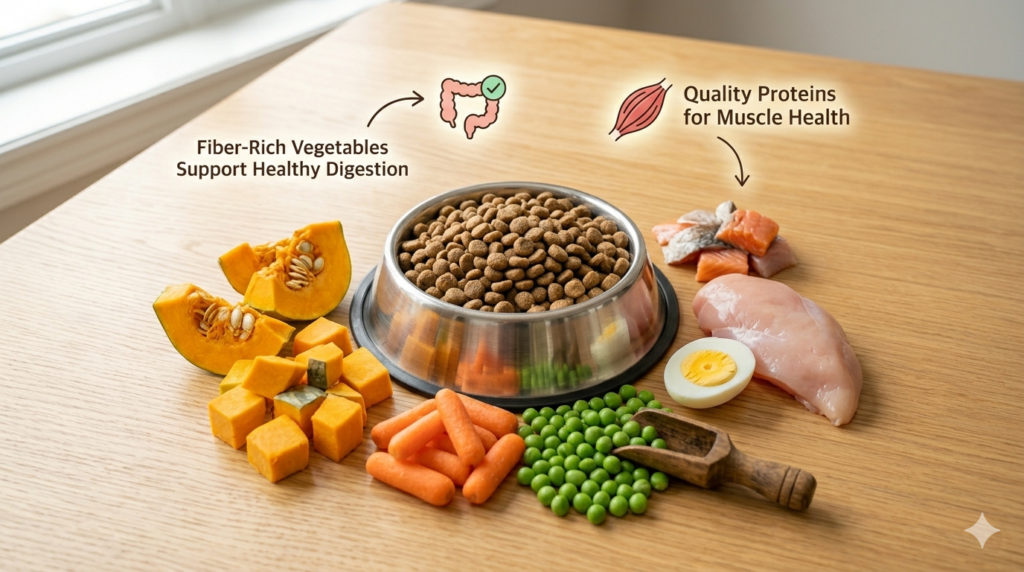
Pumpkin (plain)
Beet pulp
Psyllium (vet-guided)
Certain prescription GI diets
3) Controlled fat levels
If your dog gets loose stool easily, a moderate-fat formula may reduce flare-ups.
4) Single-protein or limited ingredient diets
If food sensitivity is suspected, simplified diets help identify triggers.
Home Diet Add-Ons (Safe, Simple Options)
These can help some dogs, but always start small:
Plain canned pumpkin (not pie filling)
Plain cooked fiber foods like small amounts of sweet potato
Veterinary probiotics for stool stability (if recommended)
If your dog has recurring problems, it’s best to confirm with your vet before adding supplements.
Other Causes of Anal Gland Issues (Not Food)
Even if food contributes, other factors can cause or worsen the problem:
Small breed anatomy (common in small dogs)
Obesity (pressure changes and less tone)
Low activity (reduced muscle tone)
Allergies (skin inflammation around the area)
Chronic skin infections
Anal gland structure problems
So diet isn’t always the only fix.
When to See a Vet (Very Important)
See a veterinarian promptly if you notice:
Swelling near the anus
Pain when sitting or pooping
Blood or pus
Strong foul odor suddenly worsening
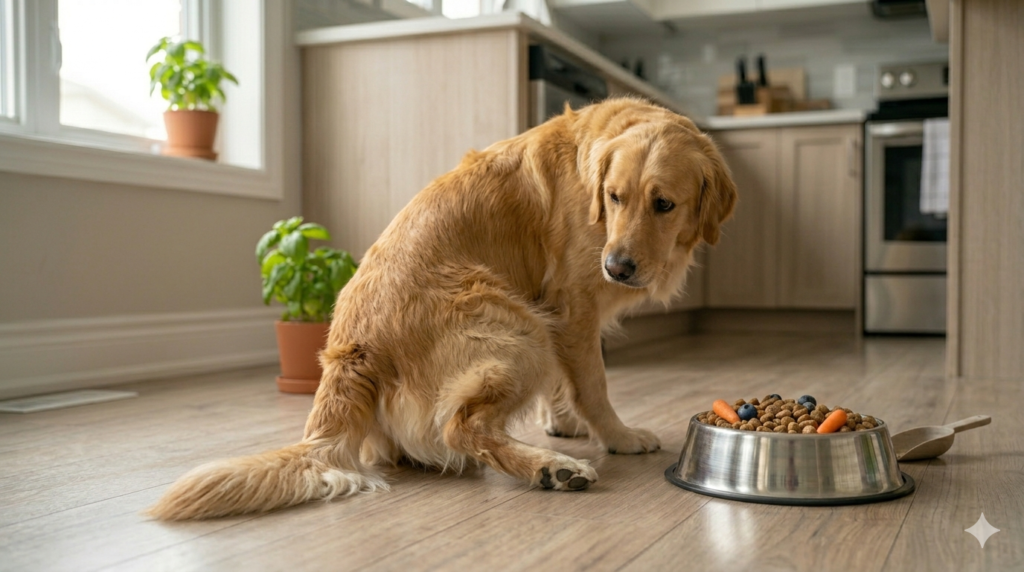
Your dog cries, bites, or won’t sit
Repeated scooting for more than a day or two
Anal gland infections and abscesses can become serious and often need medical treatment.
Preventing Recurring Anal Gland Issues With Diet
If your dog has recurring gland problems, these strategies often help:
Stop frequent food switching
Reduce high-fat treats
Maintain healthy weight
Feed a consistent diet that produces firm stools
Consider fiber support if stool is soft
Track flare-ups with a food/stool journal
Consistency is one of the most effective prevention tools.
Frequently Asked Questions
Can food cause anal gland issues in dogs?
Yes—especially if it causes soft stool or chronic digestive upset.
What diet helps anal gland problems?
A diet that produces firm, consistent stools with balanced fiber and moderate fat.
Does pumpkin help anal glands?
It may help some dogs by improving stool bulk, but results vary.
Are anal gland issues always food-related?
No. Anatomy, obesity, and allergies can also be major factors.
How Anal Glands Normally Empty (Why Stool Consistency Matters So Much)
Anal glands are designed to empty during normal bowel movements. When stool passes through the rectum, it applies pressure against the anal sacs and helps squeeze out the gland fluid. This means the “natural expression system” depends heavily on:
Stool firmness (soft stool doesn’t press enough)
Stool volume (tiny stool doesn’t create strong pressure)
Regular bowel pattern (consistent elimination helps prevent buildup)
- This is why the most common diet-related link is not one specific ingredient—it’s the stool outcome.
If your dog’s poop is frequently soft, poorly formed, or inconsistent, the glands may not empty well, leading to repeated impactions.
Can Food Cause Anal Gland Issues in Dogs Through Diarrhea?
Yes. Repeated loose stool episodes are one of the biggest triggers. Even mild soft stool (“soft serve”) can be enough to reduce gland expression over time.
Food-related causes of diarrhea that can lead to gland problems include:
sudden food changes
too many treats
fatty scraps (meat skin, bacon, greasy leftovers)
dairy (for lactose-sensitive dogs)
rich chews that upset digestion
formulas that are too high in fat for that dog’s tolerance
Even if a dog’s diarrhea resolves quickly, frequent flare-ups can still keep glands from emptying properly.
Fiber: The Most Common Diet Tool for Anal Gland Problems
Fiber is often used because it can improve stool bulk and firmness. But fiber isn’t one thing—different fibers behave differently.
Insoluble fiber (adds bulk)
This can help create more “push” during bowel movements.
Soluble fiber (holds water and stabilizes stool)
This can help both loose stool and constipation when used appropriately.
A balanced fiber approach can improve:
stool texture
stool shape
regularity
gland emptying consistency
Important: Too much fiber can cause gas and loose stool in some dogs, so the goal is “enough to firm stool,” not “as much as possible.”
Why “Pumpkin Works” for Some Dogs (and Not Others)
Pumpkin is often recommended because it contains fiber that may help stool form better. It can be useful when the problem is mild stool softness.
However, pumpkin doesn’t fix every case because:
some dogs need different fiber types
some dogs have food intolerance, not just fiber imbalance
some dogs have gland anatomy issues
Pumpkin can be a tool, but it’s not a guaranteed solution.
Food Sensitivities and Allergies: A Hidden Cause
For some dogs, recurring anal gland problems are linked to chronic inflammation from food intolerance or allergies. This can cause:
frequent soft stool
mucus in stool
recurring itchiness or ear infections
licking the rear end more often
anal area inflammation
If anal gland issues occur along with skin itching, ear problems, or ongoing GI upset, a food sensitivity may be part of the bigger picture.
In those cases, switching to a:
limited-ingredient diet
novel protein diet
vet-guided elimination diet
can sometimes reduce symptoms over several weeks.
Fat Content: Why It’s Often the Real Trigger
High-fat foods can cause loose stool in many dogs, and loose stool increases anal gland problems. Dogs commonly get extra fat from:
table scraps
greasy treats
cheese
fatty meats
rich chews
Even if the main kibble is fine, extra fat from snacks can keep stool soft and prevent gland emptying.
A smart strategy is to:
reduce rich treats
keep snacks consistent
use low-fat treat options (like small lean meat bits or low-calorie veggie treats)
Weight and Anal Gland Problems
Obesity is a major risk factor for anal gland issues. Extra fat around the rear end can affect muscle tone and reduce the natural pressure needed for gland expression.
Weight-related factors include:
reduced activity (slower gut movement)
lower muscle tone
altered posture while pooping
softer stool from overfeeding
Even small weight loss can improve stool quality and gland emptying in some dogs.
The Treat Trap: Why “Just a Few Treats” Can Still Cause Issues
Many dogs with anal gland issues are very treat-sensitive. Common problems include:
frequent soft training treats
multiple treat types in one day
high-fat treats (jerky, cheese, processed snacks)
If your dog has recurring gland issues, try a 2-week test:
treat reduction
consistent kibble only
controlled fiber add-on if recommended
You may be surprised how much stool firmness improves.
How Long Does It Take for Diet Changes to Help Anal Glands?
This depends on whether the root cause is stool softness or something else.
Typical timeline:
Mild stool-related issue: improvement may show within 3–7 days once stool firms
Food intolerance/allergy link: often requires 4–8 weeks of consistent diet testing
Chronic gland anatomy issue: diet may help stool but may not fully prevent refilling
The biggest mistake owners make is switching foods too often. Diet changes only work when they are consistent long enough for the gut to stabilize.
Tracking Symptoms Like a Pro (Simple Home Journal)
If you want to figure out whether food is causing anal gland issues in dogs, track these for 2–3 weeks:
stool firmness (firm / soft / watery)
number of poops per day
treats given
any table scraps
scooting episodes
licking behavior
gland expression frequency
Patterns usually become clear when written down.
When Diet Isn’t Enough
Diet helps many dogs, but some cases require veterinary treatment because the glands may be:
impacted (blocked)
infected
abscessed
structurally poor at draining
If your dog has repeated swelling, pain, or strong odor, diet alone will not solve it—medical care is needed.
Extra Warning Signs (Do Not Wait)
Seek veterinary help quickly if you see:
swelling on one side of the anus
bleeding or pus
sudden severe fishy odor
your dog cries when sitting
your dog refuses to poop or strains in pain
These signs may indicate infection or abscess, which needs treatment.
Extended Conclusion
So, can food cause anal gland issues in dogs? Yes—diet can be a major contributor because anal gland emptying relies on firm, well-formed stools. Foods or feeding habits that trigger soft stool, diarrhea, or chronic gut irritation can lead to recurring gland impaction. Balanced fiber, moderate fat intake, treat control, consistent feeding, and healthy weight are the most common diet-based solutions. However, if the glands are infected, impacted, or structurally unable to drain well, veterinary care is essential.