
Can Dogs Eat Mint? Why the Answer Depends on Which Mint You Mean
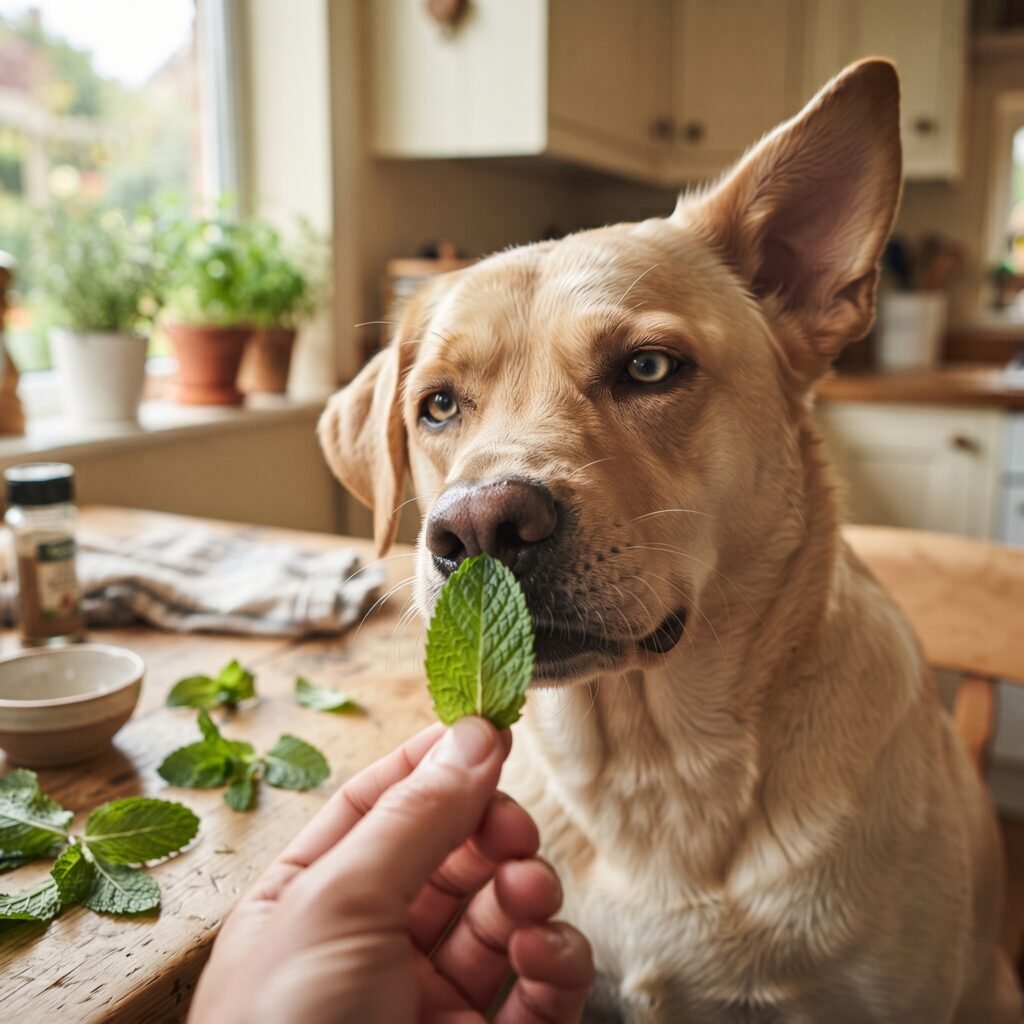
Quick answer: Yes, dogs can eat mint — but only certain kinds, and only in small amounts. Culinary mint like peppermint and spearmint is generally safe in tiny quantities, while pennyroyal, a different plant in the mint family, is genuinely toxic. Mint-flavored products like gum, breath mints, and chocolate carry separate risks from xylitol, theobromine, or concentrated essential oils.
If your dog just grabbed a mouthful of something minty off the counter or out of the garden, “can dogs eat mint” isn’t really one question — it’s at least four different ones, and they have very different answers. I’ve fielded this exact panic call from friends more times than I can count, and the first thing I always ask isn’t “how much,” it’s “what kind.” That single question changes everything about whether you’re dealing with a non-event or a genuine emergency.
Recommended Products

Best Dog Food in 2026
Why does “can dogs eat mint” depend so much on which mint you mean?
The word “mint” covers a genus with dozens of species, and lumping them together is where most generic advice goes wrong. Culinary garden mint — peppermint (Mentha piperita) and spearmint (Mentha spicata) — is the kind most people picture, and it’s the variety most commonly grown in home herb gardens and used in cooking. Whether dogs can eat mint like this safely comes down almost entirely to quantity and form, since the plant itself isn’t considered toxic in the way many other common garden plants are.
Pennyroyal is a different story entirely, and it’s also technically part of the mint family, which is exactly why the blanket question “can dogs eat mint” needs a more specific answer than a single yes or no. Confusing culinary mint with pennyroyal, or assuming all “mint family” plants carry the same safety profile, is the single most common mistake I see in dog owner forums asking this question.
Is garden peppermint or spearmint actually safe for a dog to eat?
In small amounts, yes — dogs can eat mint from the peppermint or spearmint varieties without it being a toxic event, and a lot of commercial dog treats even include a small amount of mint as a breath-freshening ingredient. I’ve grown both varieties in a yard shared with two dogs for years, and an occasional nibble of a leaf off the plant has never caused more than mild, temporary stomach upset in either dog.
That said, “safe in small amounts” isn’t the same as “fine in any quantity,” and this is where I’d push back on overly reassuring generic answers. A large amount of fresh mint, especially on an empty stomach, can cause vomiting or diarrhea in some dogs simply because of the concentrated essential oils in the leaves, even though the plant itself isn’t classified as toxic. I’d treat a small nibble very differently from a dog who got into an entire mint plant and ate most of it in one sitting.
What about pennyroyal — the mint that changes this answer completely?
This is the exception that makes a blanket “can dogs eat mint” answer genuinely dangerous if taken at face value. Pennyroyal, sold both as a plant and as a concentrated essential oil, contains a compound that can cause serious liver damage in dogs, and historically it’s been one of the more dangerous “natural” products used inappropriately as a flea repellent. Ingesting pennyroyal, or even topical exposure to concentrated pennyroyal oil, has caused documented cases of liver failure in dogs, and this is not a “monitor at home” situation.
If you’re not sure whether the mint plant in question is culinary mint or pennyroyal, I’d treat any uncertainty as a reason to call a vet or a pet poison control line rather than guessing based on smell or appearance, since the plants can look similar to an untrained eye. This is exactly the kind of nuance a quick generic search tends to flatten — most people asking “can dogs eat mint” have never heard of pennyroyal at all, and that gap is where real risk hides.

My dog ate mint gum, not the plant — does that change everything?
Completely, and this is probably the single most common real-world version of this question I hear. Sugar-free mint gum very often contains xylitol, an artificial sweetener that’s genuinely dangerous for dogs even in small amounts, causing a rapid, dangerous drop in blood sugar and, in larger amounts, potential liver damage. The mint flavoring itself is almost never the concern here — the xylitol is, and it has nothing to do with whether dogs can eat mint as an herb.
I’d check the packaging or ingredient list immediately if your dog got into gum or mints, because xylitol-containing products require a vet call regardless of how small the amount seems, while a xylitol-free breath mint is a much lower-urgency situation closer to the plain herb question. This distinction matters enormously and gets lost constantly when people search “can dogs eat mint” after finding an empty gum wrapper on the floor.
Are mint chocolates like Thin Mints or Andes riskier than the plant itself?
Yes, meaningfully so, and for a completely different reason than xylitol. Chocolate contains theobromine, a compound dogs metabolize far more slowly than humans do, and dark chocolate mint products carry more theobromine per ounce than milk chocolate versions. A small dog eating a handful of dark chocolate mints is dealing with a chocolate toxicity risk that has essentially nothing to do with the mint flavoring itself, and it’s a genuinely more urgent situation than a dog eating fresh mint leaves from a garden.
I’d never let a “well, mint is generally fine” mindset lead an owner to underreact to a chocolate mint ingestion, because the mint framing on the product name can create a false sense of security. When people ask me whether dogs can eat mint chocolates specifically, my honest answer is that the chocolate is doing all the heavy lifting on risk, not the mint.
Comparison: mint-related products and their actual risk level for dogs
Here’s how the most common “my dog ate something minty” scenarios stack up, based on the ingredient actually responsible for risk rather than the mint flavor itself.
| Item | Risky ingredient | Typical urgency level | Amount that raises concern |
|---|---|---|---|
| Fresh peppermint or spearmint leaves | Concentrated essential oils | Low — monitor at home | More than a small handful for a small dog |
| Pennyroyal plant or oil | Pulegone (hepatotoxic compound) | Emergency — call a vet immediately | Any ingestion or concentrated topical exposure |
| Sugar-free mint gum | Xylitol | Emergency — call a vet immediately | As little as one or two pieces for a small dog |
| Sugar-based breath mints (no xylitol) | Excess sugar, minor GI upset | Low to moderate | A handful or more, especially in a small dog |
| Dark chocolate mint candy (e.g., Andes, Thin Mints) | Theobromine | Urgent — call a vet or poison control | A few pieces for a small dog, more for larger dogs |
| Mint essential oil (concentrated, undiluted) | High essential oil concentration | Urgent if ingested or applied to skin | Any direct ingestion or skin application |
| Mint toothpaste | Xylitol (in some formulas) or fluoride | Moderate to urgent depending on ingredients | Check the label for xylitol before assuming it’s low-risk |
Looking at this table, the pattern is clear: whether dogs can eat mint safely almost never depends on the mint itself once you move past the plain garden herb. It depends on what else came along with it.

How much fresh mint is actually safe, and how much is too much?
I don’t think there’s a universal gram-for-gram number that applies to every dog, because body size, individual sensitivity, and whether the stomach is empty all play a role. As a rough guide from my own experience and conversations with vets, a few leaves for a small or medium dog is very unlikely to cause anything beyond mild, short-lived stomach upset, if anything at all. A large amount — think most of a garden plant, or a dog who raided a bag of mint intended for cooking — is a different situation and worth a call to your vet, mainly to rule out pancreatitis risk from a sudden high-volume plant ingestion in a sensitive dog.
I’d also factor in whether the mint was plain or came with anything else attached, like a mint-flavored sauce, a cocktail garnish sitting in alcohol, or a dessert with added sugar and dairy. In those cases, the other ingredients often matter more for a dog’s digestive reaction than the mint itself does, and treating the whole incident as “the mint” oversimplifies what actually happened.
Can a dog with a sensitive stomach or existing health condition eat mint safely?
This is where I’d genuinely slow down before giving a blanket yes. A dog with a history of pancreatitis, for instance, doesn’t necessarily react to mint itself, but a sudden ingestion of any unusual plant material, mint included, can trigger digestive upset in a pancreas that’s already working with less margin. I wouldn’t treat a pancreatitis-prone dog eating a large handful of mint the same way I’d treat a healthy dog doing the same thing, since the honest answer to whether dogs can eat mint safely shifts once an existing condition is in the picture.
Dogs on certain medications are another edge case worth mentioning specifically. Mint, and peppermint in particular, has mild effects on smooth muscle and digestion that are generally trivial in small amounts, but a dog on medication for a chronic GI condition is exactly the kind of case where I’d rather a vet weigh in before assuming the small-amount safety guidance applies the same way. This isn’t a common scenario, but it’s the kind of edge case that a generic “yes dogs can eat mint” answer glosses over completely.
My honest experience: a mint mistake that didn’t go as planned
I want to be upfront about a situation where my own assumption about mint safety didn’t hold up the way I expected. I’d always treated a nibble of garden mint as essentially a non-event based on how my dogs had reacted to it in the past, so when one of them got into a much larger patch of mint that had spread aggressively through a garden bed, I didn’t think twice about it.
Within a few hours, she had loose stools and noticeably reduced appetite for about a day and a half, which was a more significant reaction than the mild upset I’d always associated with mint in small amounts. It wasn’t an emergency, and she recovered fully without treatment, but it taught me that “dogs can eat mint in small amounts” doesn’t automatically scale to “a large amount is just a bigger version of fine.” Volume genuinely changes the calculation, even with a plant that isn’t classified as toxic.
What about mint essential oil diffusers and topical products?
This is a separate category from eating mint, but it comes up often enough that it’s worth addressing directly. Concentrated mint essential oils, whether peppermint or the more dangerous pennyroyal, are a different risk profile than the whole plant, because the active compounds are far more concentrated in oil form. A diffuser used briefly in a well-ventilated room is generally considered low-risk, but undiluted essential oil applied directly to a dog’s skin, or ingested from a spilled bottle, is a real concern regardless of which mint species the oil came from.
I keep any essential oils, mint included, somewhere a curious dog genuinely cannot reach, rather than relying on a diffuser being “probably fine” as the only safety measure, since that single habit prevents most of the worst-case versions of this question. This is a case where I’d rather be overly cautious, since concentrated oil ingestion is a meaningfully different event from a dog eating a few fresh leaves off a plant, and it’s a distinction worth remembering any time you’re weighing whether dogs can eat mint in a particular form.

Does a dog’s size change whether mint is actually safe?
Body size plays a bigger role in this question than most owners assume, and it’s part of why “can dogs eat mint” doesn’t have a single answer that applies equally to a five-pound Chihuahua and an eighty-pound Mastiff. The same handful of fresh mint leaves that barely registers for a large breed dog represents a proportionally much bigger dose for a small dog, which is exactly why small-breed owners tend to see more noticeable digestive reactions from the same quantity of mint.
This matters even more once you move past plain mint leaves into mint-flavored products. A single stick of xylitol gum can be genuinely dangerous for a ten-pound dog while representing a smaller relative dose for a much larger one, though I’d never suggest any amount of xylitol is truly “safe” regardless of size. When people ask me whether dogs can eat mint gum specifically, my first question is almost always the dog’s weight, because that number changes the urgency of the answer dramatically.
Can puppies eat mint the same way adult dogs can?
I’d be more cautious with a puppy than with an adult dog when it comes to mint, mostly because puppies are smaller, more likely to eat larger relative amounts out of curiosity, and generally more sensitive to GI upset in general. A puppy that gets into a garden mint patch is more likely to eat an amount that’s proportionally excessive compared to an adult dog encountering the same plant, simply because puppies tend to explore by eating rather than sniffing and moving on.
Whether puppies can eat mint safely in small amounts follows the same general logic as adult dogs — the plain herb itself isn’t considered toxic — but I’d treat any puppy ingestion of an unknown quantity more seriously than I would with a mature, stable-weight adult dog. A puppy’s smaller size means the same volume of mint that would barely register for an adult dog represents a much larger relative dose, and their digestive systems tend to be less predictable in general during the first year, so the “can dogs eat mint” question deserves extra caution at this stage of life.
Does it matter if the mint came from a grocery store bunch versus a wild patch?
Store-bought culinary mint is almost always going to be a known, single species — peppermint or spearmint — grown and sold specifically for cooking, which removes the plant-identification risk entirely. Whether dogs can eat mint from a grocery store bunch comes down purely to quantity at that point, since you know exactly what species you’re dealing with.
Wild mint growing in a yard, along a trail, or in an unmanaged garden bed is a different situation, because mint family plants spread aggressively and can crossbreed or grow alongside less common relatives, including pennyroyal in some regions. I’d be considerably more cautious about a dog eating from an unidentified wild patch than from a bunch of mint clearly bought for a recipe, precisely because the “which mint” question becomes much harder to answer with confidence outdoors.
Does cooking, drying, or freezing mint change whether it’s safe?
Dried mint, like the kind sold in spice jars for cooking, is more concentrated by volume than fresh mint since the water content has been removed, so a teaspoon of dried mint represents considerably more actual plant material than a teaspoon of fresh leaves. Whether dogs can eat mint in dried form comes down to that concentration difference — a small amount is still generally fine, but “small amount” means less volume than it would with fresh leaves.
Cooking mint into a sauce, jelly, or dessert usually introduces other ingredients — sugar, butter, vinegar, sometimes alcohol in the case of a mint sauce or cocktail syrup — that matter more for a dog’s safety than the mint itself does. I wouldn’t worry much about whether dogs can eat mint that’s been lightly cooked into a dish, but I would look closely at everything else in that dish before deciding it’s fine to share.
Is mint tea or mint-infused water okay for a dog to drink?
A small amount of plain mint tea, cooled and without any added sweetener, caffeine, or artificial flavoring, is generally considered low-risk, and some owners use it in tiny amounts to help settle mild stomach upset. Whether dogs can eat mint in this diluted, brewed form is really a non-issue compared to the plant itself, since brewing further dilutes the concentrated oils that cause most of the mild reactions seen with large amounts of fresh leaves.
I’d still avoid anything marketed as an herbal tea blend without checking the full ingredient list first, since some blends combine mint with other herbs that aren’t necessarily dog-safe, or include xylitol-sweetened versions marketed for human weight loss. The mint portion of a plain, single-ingredient tea is the least concerning part of that question; the blend and sweetener are where I’d focus attention instead when deciding whether dogs can eat mint tea specifically.
What if the mint came from a cocktail, like a mojito garnish?
This scenario comes up more than you’d think, especially around parties, and it’s worth separating from the plain-garden-mint question because a mojito or another mint-garnished cocktail brings alcohol into the picture. Alcohol is genuinely toxic to dogs even in small amounts, and it’s a far bigger concern than whether dogs can eat mint that happens to be floating in the glass. A dog lapping up spilled mojito or grabbing a mint garnish soaked in liquor should be treated as an alcohol exposure first, with the mint itself being essentially irrelevant to the urgency of the response — whether dogs can eat mint garnish safely genuinely isn’t the operative question in that moment.
If the mint garnish is dry and hasn’t been sitting in the drink, the calculation shifts back toward the plain mint-safety guidance covered earlier, since a dry garnish carries a much smaller amount of alcohol than one that’s been soaking. I’d still keep an eye on the dog for a few hours afterward either way, mainly because the sugar and citrus often paired with a mojito can also cause mild stomach upset independent of the mint or the alcohol.
Claims about pennyroyal’s hepatotoxic compound and its documented history of causing liver damage in dogs reflect established veterinary toxicology consensus rather than a single specific study. Xylitol’s effects on canine blood sugar and liver function, and theobromine’s slower metabolism in dogs compared to humans, reflect widely cited veterinary toxicology sources rather than an invented statistic. I did not attach specific numeric toxicity thresholds to fresh mint ingestion because reliable, dog-specific dosing data for plain culinary mint isn’t well established in the veterinary literature, so those sections are described in general, experience-informed terms rather than precise figures.
Product ingredient information for gum, mints, and chocolate candies was checked against manufacturer ingredient lists rather than assumed from memory, since formulations change and xylitol content varies significantly between products marketed similarly.
What’s the most common mistake owners make with this question?
The biggest one is treating “can dogs eat mint” as a single yes-or-no question instead of asking what form the mint actually came in. An owner who confirms fresh garden mint is generally fine often mistakenly extends that same reassurance to a mint-flavored product with an entirely different risk profile, like gum or dark chocolate, without realizing the mint flavor has nothing to do with what’s actually dangerous in those cases.
The second common mistake is assuming a small reaction the first time means every future exposure will be equally mild, as if the answer to whether dogs can eat mint safely were a fixed, permanent fact about that individual dog. My own experience with a larger mint ingestion showed that volume changes outcomes even with a plant that’s broadly considered safe, and I wouldn’t assume a dog’s past tolerance guarantees the same result with a bigger quantity.
Frequently asked questions
Can dogs eat mint leaves straight from a garden without any preparation? Yes, a small number of fresh peppermint or spearmint leaves is generally fine for most dogs without any preparation needed. Wash the leaves first if they’ve been treated with any garden chemicals or pesticides, since that risk is separate from the mint itself.
Can dogs eat mint chocolate chip ice cream? The chocolate and sugar content are bigger concerns than the mint flavoring, and a small taste is unlikely to cause serious harm in most healthy adult dogs. Repeated or large servings aren’t a good idea because of the dairy, sugar, and chocolate combined, regardless of the mint flavor.
Can dogs eat mint if they have a xylitol allergy or sensitivity? Xylitol sensitivity isn’t really an allergy — it’s a universal toxic reaction in dogs, not something only certain dogs experience. Plain mint itself doesn’t contain xylitol, so the concern only applies to sugar-free mint-flavored products, not the herb.
Is peppermint oil safe to put directly on a dog’s skin for fleas or itching? Undiluted peppermint essential oil applied directly to skin can cause irritation or, in larger amounts, more serious effects, so it shouldn’t be used without a heavily diluted, vet-approved formulation. There are purpose-made, dog-safe flea and itch products that avoid this risk entirely.
How do you tell the difference between pennyroyal and regular garden mint? Pennyroyal has a distinctly different, more pungent scent than peppermint or spearmint and typically has smaller, more rounded leaves, but visual identification alone isn’t reliable enough to bet your dog’s safety on. If there’s any doubt about which mint plant is growing in a yard or garden, treating it as pennyroyal until confirmed otherwise is the safer default.
Can dogs eat mint leaves if they’re mixed into a salad with other greens? The mint itself usually isn’t the concern in that scenario — check the rest of the salad for ingredients like onions, garlic, grapes, or a dressing containing xylitol, all of which are more dangerous to dogs than mint. If the rest of the salad is dog-safe, a small amount of mint mixed in isn’t likely to cause a problem on its own.
Is it true that dogs can eat mint to help with bad breath? Small amounts of fresh mint can have a mild, temporary effect on breath odor, which is why some commercial dental chews and treats include it as an ingredient. It’s not a substitute for actual dental care, and relying on mint alone to manage chronic bad breath in a dog usually means an underlying dental issue is going unaddressed.
The bottom line
Can dogs eat mint? For plain culinary peppermint or spearmint in small amounts, yes, and it’s rarely a cause for panic. But the same question gets a completely different answer once pennyroyal, xylitol-containing gum, chocolate mint candy, or concentrated essential oils enter the picture, and treating all of those the same way is where real risk hides behind a reassuring-sounding plant name.
Before deciding dogs can eat mint safely in any given situation, always figure out exactly what was eaten — the plain herb, a product, or a concentrated oil — because that single distinction matters far more than the word “mint” itself. When in doubt about quantity, plant identification, or ingredients in a mint-flavored product, a quick call to your vet or a pet poison control line beats guessing every time.