
Benadryl for Dogs – What Pet Owners Should Know 2026
Learn common uses, safety considerations, and what pet owners often ask about benadryl for dogs.

What Is Benadryl and Why Is It Used in Dogs?
Benadryl is the brand name for diphenhydramine, an antihistamine commonly used to treat allergic reactions. In dogs, veterinarians may recommend it for mild allergic symptoms.
Common uses include:
Seasonal allergies
Skin itching
Insect bites
Mild swelling
Hives
Environmental allergies
It works by blocking histamine, a chemical released during allergic reactions.
Can I Give My Dog Benadryl for Itching?
Yes, in many cases veterinarians approve Benadryl for mild itching in dogs. It is commonly used for:
Pollen allergies
Contact allergies
Flea reactions
Bug bites
Mild skin irritation
However, it is not effective for all causes of itching, especially infections or chronic skin disease. Persistent itching should always be evaluated by a veterinarian.
Benadryl Dosage for Dogs: General Veterinary Guideline
The commonly cited veterinary guideline is:
1 mg of diphenhydramine per pound of body weight, given every 8–12 hours.
This equals:
2–4 mg per kilogram of body weight
This is considered the standard Benadryl dose for dogs in veterinary practice.
How Much Benadryl for Dogs by Weight
Approximate dosing examples:
10 lb dog → 10 mg
25 lb dog → 25 mg
50 lb dog → 50 mg
75 lb dog → 75 mg
100 lb dog → 100 mg
Tablets commonly come in 25 mg strength, so many dogs receive doses in 25 mg increments.
Always confirm with a veterinarian before first use.
Benadryl Dose for Dogs: Frequency and Timing
Typical dosing schedule:
Every 8 hours (3× daily)
Or every 12 hours (2× daily)
Frequency depends on symptom severity and veterinary guidance.
When Benadryl Works Best in Dogs
Benadryl is most effective for:
Acute allergic reactions
Insect stings
Mild swelling
Sudden itching
Seasonal allergies
It is less effective for chronic skin conditions or yeast infections.
When Benadryl May Not Help
Benadryl may be ineffective if itching is caused by:
Skin infection
Parasites
Food allergies
Chronic dermatitis
Hormonal disorders
In these cases, veterinary diagnosis is necessary.
Forms of Benadryl Safe for Dogs
Safe forms include:
Plain diphenhydramine tablets
Capsules
Liquid without added ingredients
Avoid formulas containing:
Decongestants
Alcohol
Xylitol
Combination cold medications
These can be dangerous for dogs.
Potential Side Effects in Dogs
Most dogs tolerate Benadryl well, but side effects can occur.
Possible effects include:
Drowsiness
Dry mouth
Urinary retention
Mild sedation
Gastrointestinal upset
Some dogs may show the opposite reaction (hyperactivity).

Dogs That Should Not Take Benadryl
Benadryl should be avoided or used cautiously in dogs with:
Glaucoma
Heart disease
High blood pressure
Thyroid disorders
Prostate enlargement
Always consult a veterinarian if your dog has medical conditions.
Benadryl for Dogs During Allergic Emergencies
Benadryl may be used for mild allergic reactions such as:
Bee stings
Mild swelling
Hives
However, severe reactions (anaphylaxis) require emergency veterinary care immediately.

Signs of emergency:
Facial swelling
Difficulty breathing
Collapse
Severe vomiting
Benadryl alone is not sufficient for severe reactions.
Can Puppies Take Benadryl?
Puppies can sometimes receive Benadryl under veterinary guidance. Dosing must be calculated carefully due to small body size.
Never give medication to puppies without veterinary approval.
Liquid Benadryl for Dogs: Dosing Caution
Liquid formulas may contain different concentrations. Always check:
mg per mL concentration
Added sweeteners
Alcohol content
Incorrect measurement is a common dosing error.
Benadryl vs Other Allergy Treatments for Dogs
Benadryl is considered:
Mild antihistamine
Short-term relief
First-line for acute reactions
Chronic allergy management may require:
Prescription antihistamines
Apoquel
Cytopoint
Steroids
Allergy testing
Veterinary treatment depends on cause.
How Long Does Benadryl Take to Work in Dogs?
Benadryl typically begins working within:
30–60 minutes
Peak effect occurs around:
1–2 hours
Duration:
6–12 hours
If no improvement occurs after several doses, consult a veterinarian.
Monitoring Your Dog After Giving Benadryl
After dosing, watch for:
Symptom improvement
Sedation level
Breathing changes
Gastrointestinal upset
If adverse effects occur, contact your veterinarian.
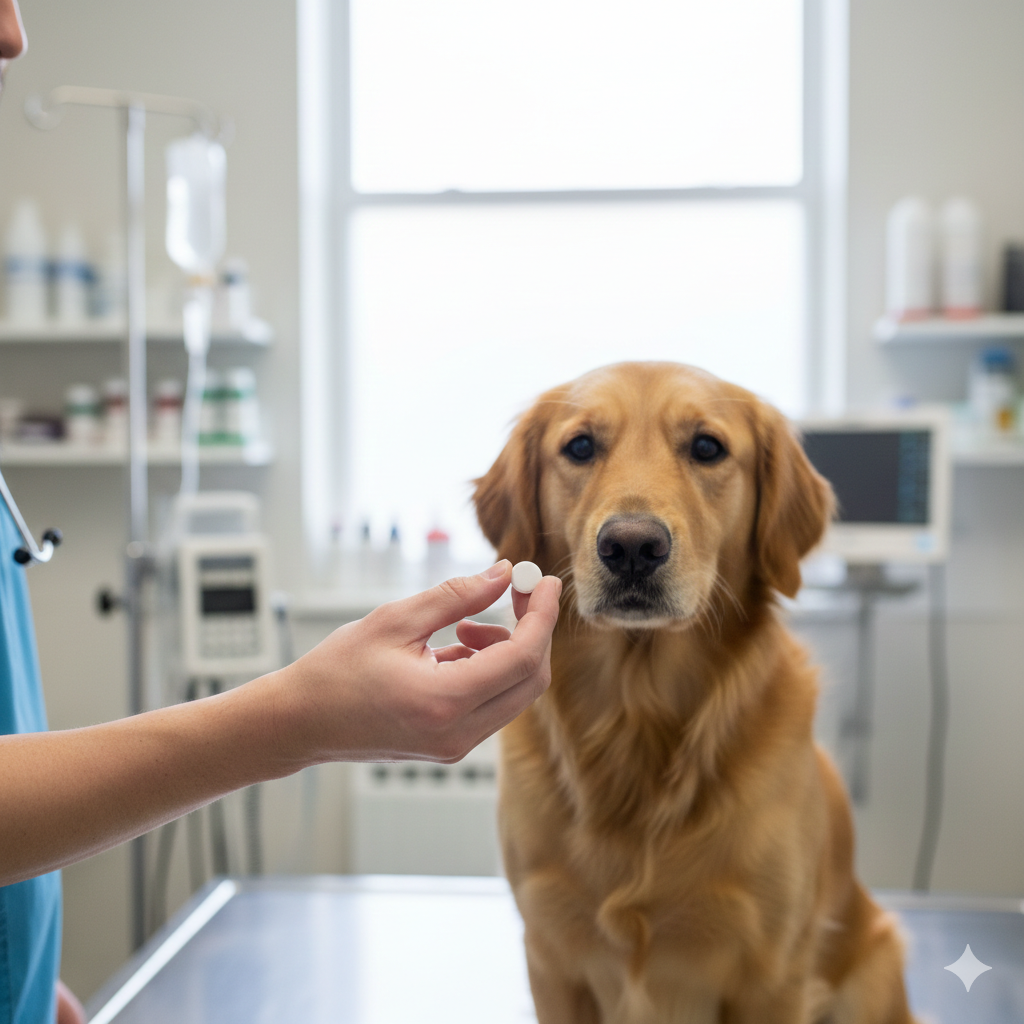
Safe Administration Tips
To give tablets:
Hide in food
Use pill pockets
Place gently at back of tongue
Ensure full dose is swallowed.
Frequently Asked Questions
Can I give my dog Benadryl for itching?
Yes, for mild allergic itching under veterinary guidance.
How much Benadryl for dogs?
About 1 mg per pound of body weight.
What is the Benadryl dosage for dogs?
Typically 1 mg per lb every 8–12 hours.
Is Benadryl safe for dogs?
Generally safe when properly dosed.
Can dogs take human Benadryl?
Plain diphenhydramine without additives is usually safe.
Understanding Why Dogs Itch: Allergy vs Infection
Many owners reach for Benadryl when their dog scratches, but itching has multiple causes.
Common reasons dogs itch include:
Environmental allergies
Flea bites
Contact irritation
Food sensitivities
Bacterial infection
Yeast overgrowth
Benadryl helps mainly with histamine-related allergies. If itching persists, infection or parasites are more likely than simple allergy.
Acute vs Chronic Itching in Dogs
Benadryl works best for short-term allergic itching.
Acute Itching
Sudden onset
Bug bites
Pollen exposure
Mild swelling
Often responds to antihistamines.
Chronic Itching
Ongoing scratching
Ear infections
Paw licking
Skin odor
Usually requires veterinary diagnosis and treatment beyond antihistamines.
Benadryl Dose for Dogs: Precision Tips
The standard guideline (1 mg per pound) is general. More precise dosing considers:
Exact body weight
Health status
Other medications
Age
Breed sensitivity
For example, very small dogs may require liquid measurement rather than tablet division to avoid overdosing.
How Often Can Dogs Take Benadryl Safely?
Most dogs receive Benadryl:
Every 8 hours for acute reactions
Every 12 hours for mild symptoms
Long-term daily use should only occur under veterinary supervision. Chronic antihistamine use without diagnosis may mask underlying disease.
Sedation Effects: Normal vs Concerning
Drowsiness is the most common side effect.
Normal sedation:
Mild sleepiness
Calm behavior
Reduced activity
Concerning signs:
Extreme lethargy
Weakness
Disorientation
Collapse
If excessive sedation occurs, discontinue and consult a veterinarian.
Can I Give My Dog Benadryl for Itching From Fleas?
Benadryl may reduce itching from flea allergy temporarily, but it does not treat the cause.
Proper flea allergy management requires:
Flea prevention medication
Environmental treatment
Skin infection control
Antihistamines alone are insufficient for flea allergy dermatitis.
Benadryl for Dogs With Seasonal Allergies
Dogs with seasonal allergies often show:
Paw licking
Face rubbing
Ear scratching
Belly redness
Benadryl may help mild cases, but moderate to severe seasonal allergies often require prescription therapies.
Combining Benadryl With Other Medications
Never combine Benadryl with medications without veterinary guidance, especially:
Sedatives
Antidepressants
Antihistamines
Heart medications
Drug interactions can increase sedation or cardiovascular effects.
Senior Dogs and Benadryl Use
Older dogs may metabolize medications differently.
Extra caution is needed if the dog has:
Kidney disease
Liver disease
Heart conditions
Cognitive dysfunction
Veterinary dosing adjustments may be required.
Benadryl and Anxiety in Dogs
Some owners use Benadryl for travel or grooming anxiety. While mild sedation can occur, Benadryl is not a true anti-anxiety medication.
For significant anxiety, veterinarians typically recommend behavior therapy or specific calming medications instead.
Signs Benadryl Is Working
Improvement may include:
Reduced scratching
Less redness
Decreased swelling
Calmer behavior
Improved comfort
If no improvement occurs after several doses, itching is likely not histamine-mediated.
When Benadryl Should Not Be Used for Itching
Avoid relying on antihistamines when itching involves:
Open sores
Hair loss patches
Skin odor
Recurrent ear infections
Persistent paw chewing
These signs suggest infection or chronic dermatitis requiring veterinary care.
Liquid vs Tablet Benadryl Accuracy
Tablets are often easier to dose correctly. Liquid formulations require careful measurement because:
Concentration varies
Overdose risk is higher
Additives may be unsafe
Veterinarians often recommend plain tablets when possible.
Emergency Allergy vs Routine Allergy
Benadryl is appropriate for:
Mild swelling
Bug stings
Hives
Mild itching
It is not adequate for:
Anaphylaxis
Breathing difficulty
Severe facial swelling
Collapse
Emergency reactions require immediate veterinary treatment.
Long-Term Allergy Management in Dogs
Dogs with ongoing allergies often need comprehensive care:
Veterinary diagnosis
Allergy control medication
Skin infection treatment
Diet evaluation
Environmental management
Benadryl alone rarely controls chronic canine allergies.
Frequently Asked Questions (Additional)
How fast does Benadryl help itching in dogs?
Usually within 30–60 minutes.
Can dogs take Benadryl daily?
Only under veterinary guidance for chronic conditions.
Is Benadryl safe for long-term use?
Occasional use is generally safe; long-term use requires supervision.
Can Benadryl stop severe itching?
Only mild allergic itching. Severe cases need veterinary treatment.
What if my dog keeps itching after Benadryl?
Consult a veterinarian to identify the cause.
Final Extended Conclusion
Benadryl can be a helpful short-term antihistamine for mild allergic itching, insect bites, and swelling in dogs when properly dosed. Understanding safe dosing, knowing when antihistamines are appropriate, and recognizing when itching signals a deeper condition are essential for responsible use. While Benadryl may relieve temporary discomfort, persistent itching, infections, or severe reactions always require veterinary evaluation to protect your dog’s health.