
Best Low Phosphorus Dog Food (For Kidney Health)
Low phosphorus dog food supports dogs with kidney issues. Discover the best options and safe feeding tips.
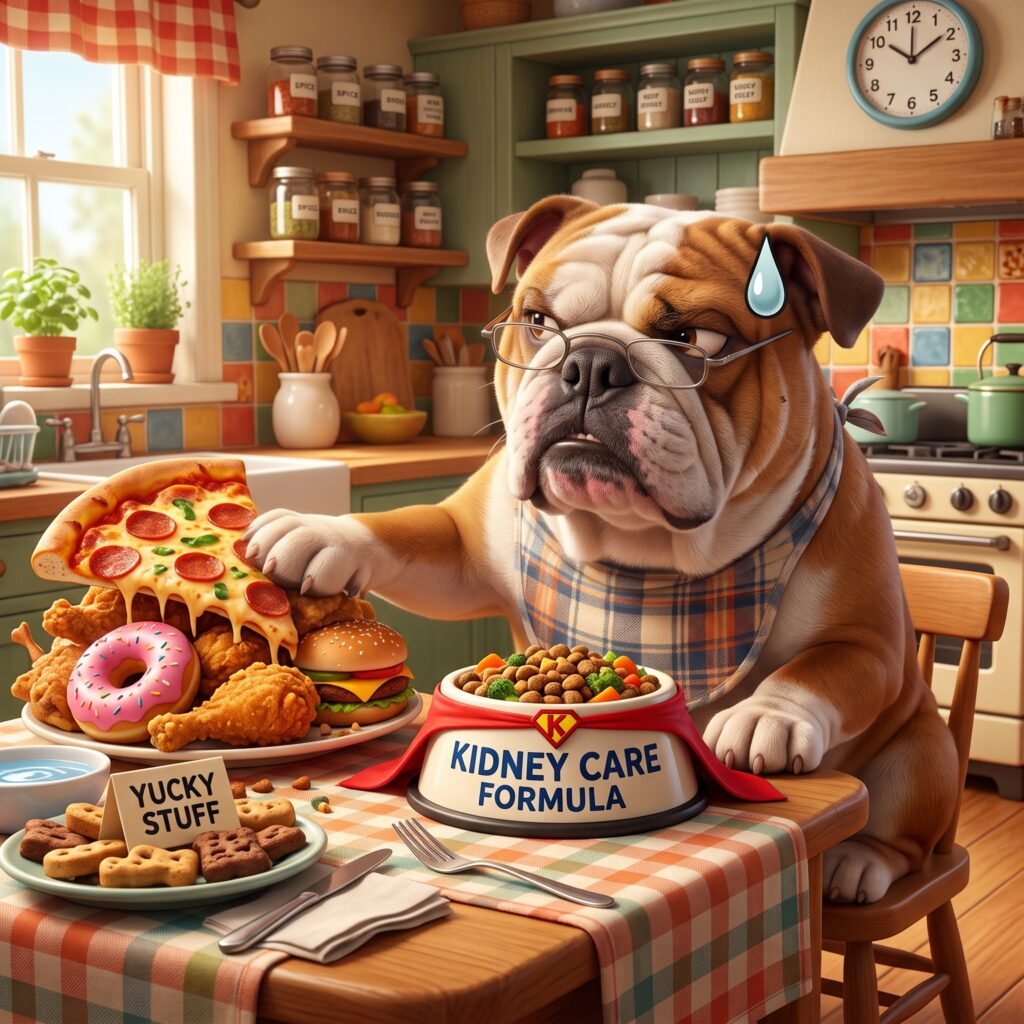
Low Phosphorus Dog Food: Complete 2026 Vet-Backed Guide & Best Brands Reviewed
When a veterinarian diagnoses your dog with chronic kidney disease (CKD) or a related condition affecting renal function, one of the first and most critical dietary recommendations they will make is to transition to a low phosphorus dog food. Research consistently shows that reducing dietary phosphorus is one of the two most effective nutritional interventions available for slowing the progression of kidney disease in dogs — the other being the addition of omega-3 fatty acids from fish oil. Getting this right matters enormously: the food your dog eats every day can meaningfully extend their comfortable, functional life when kidney function is compromised.
Why Phosphorus Matters So Much in Kidney Disease
Understanding why low phosphorus dog food is so critical for dogs with kidney disease requires a brief explanation of how healthy kidneys and compromised kidneys handle this essential mineral differently.
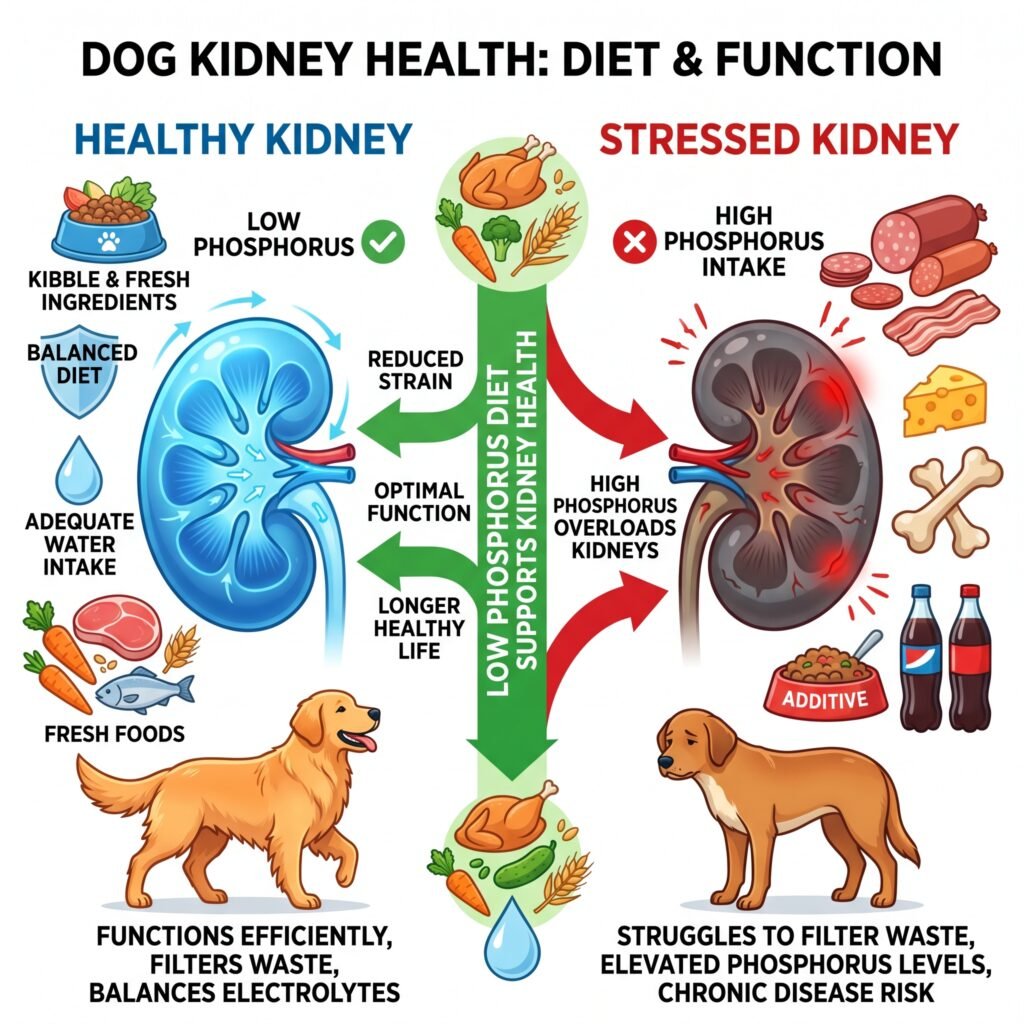
Phosphorus is a mineral that plays important roles in bone development, energy metabolism, and cellular function in healthy dogs. Under normal conditions, the kidneys filter excess phosphorus from the bloodstream and excrete it efficiently through urine. But when kidney function is compromised — as occurs in CKD, a disease affecting the kidneys’ ability to filter waste products from the blood — this filtration capacity is reduced. Phosphorus that the kidneys can no longer efficiently excrete accumulates in the bloodstream, a condition called hyperphosphatemia.
Elevated blood phosphorus creates a cascade of harmful effects: it disrupts the body’s calcium-phosphorus balance, increases parathyroid hormone secretion, and directly accelerates the progression of kidney tissue damage. According to VCA Animal Hospitals, limiting dietary phosphorus in dogs with CKD “appears to help delay disease progression” — a well-supported clinical finding that has made the transition to low phosphorus dog food a cornerstone of kidney disease management across veterinary practice globally.
DogAware.com’s kidney disease nutrition resource, drawing on established veterinary research, notes that the two factors demonstrated most consistently to slow kidney disease progression and prolong life are: reducing dietary phosphorus and adding omega-3 fatty acids. This is why every conversation about kidney-friendly nutrition eventually centers on low phosphorus dog food as the most impactful dietary change an owner can make.
When Does a Dog Actually Need Low Phosphorus Dog Food?
Not every dog needs a low phosphorus dog food formula — and in fact, severely restricting phosphorus before it is clinically necessary can cause its own nutritional imbalances. Understanding when restriction becomes appropriate is essential for making the right dietary decision:
Early Stage Kidney Disease
According to veterinary nutrition guidance compiled by DogAware.com, phosphorus restriction begins to be clinically meaningful once creatinine levels exceed 2.0 and fasted blood phosphorus rises above 4.5 mg/dL. Before this threshold, normal commercial adult dog food may be adequate, and switching to low phosphorus dog food prematurely provides no demonstrated benefit and may actually reduce quality of life by limiting protein intake unnecessarily.
For dogs at early stage kidney disease (creatinine below approximately 2.6 and fasted blood phosphorus below 4.5 mg/dL), some high-quality senior or light commercial dog foods may contain sufficiently low phosphorus to be appropriate — targeting no more than 0.6% phosphorus on a dry matter basis, or no more than 30 mg of phosphorus per pound of body weight per day. Your veterinarian should guide this assessment.
Moderate to Advanced Kidney Disease
As kidney disease progresses and blood phosphorus levels rise above 5.0 mg/dL, the phosphorus restriction required goes below what standard AAFCO nutritional minimums allow — meaning only a prescription low phosphorus dog food can deliver the level of phosphorus restriction clinically required. At this stage, trying to manage with commercial over-the-counter food becomes inadequate, and prescription veterinary therapeutic diets become necessary.
Other Conditions Benefiting from Low Phosphorus Diets
Beyond CKD, low phosphorus dog food may also be recommended for dogs managing hypoparathyroidism, certain bone disorders, or conditions where the body’s calcium-phosphorus balance needs active dietary management. As always, veterinary diagnosis and nutritional guidance are essential before implementing any restricted diet.

Understanding Phosphorus Levels in Dog Food: Reading the Numbers
One of the most practically important skills for any owner managing a dog’s phosphorus intake through diet is understanding how to read and compare phosphorus content across different low phosphorus dog food products. The numbers on labels require careful interpretation:
Dry Matter vs. As-Fed Percentage
Phosphorus content is typically listed as a percentage on the guaranteed analysis panel. When comparing wet food to dry food, always convert both values to a dry matter basis by removing the moisture content — otherwise the comparison is meaningless. Wet food typically has 75 to 82% moisture, which dramatically dilutes the as-fed phosphorus percentage relative to kibble. A wet food showing 0.18% phosphorus as-fed may actually contain more phosphorus on a dry matter basis than a kibble showing 0.45%.
Phosphorus Thresholds by Disease Stage
Hepper’s veterinary-reviewed guidance on low phosphorus dog food specifies that once kidney disease has progressed to the point where phosphorus restriction is clinically meaningful, experts recommend keeping phosphorus below 0.6% on a dry matter basis for early-stage disease. As disease advances further, this threshold must be reduced. Most regular commercial adult dog foods contain approximately 1% to 2% phosphorus on a dry matter basis — well above what a kidney-compromised dog can safely handle.
Mg per 100 Calories: The Most Useful Comparison Metric
DogAware.com recommends using milligrams of phosphorus per 100 calories as the most precise and comparable metric for evaluating any low phosphorus dog food, particularly when comparing products with different moisture contents or caloric densities. This metric normalizes phosphorus across different food formats and serving sizes, giving the most accurate picture of actual phosphorus delivery per unit of energy consumed.
Best Low Phosphorus Dog Food: Prescription Veterinary Diets
For dogs with moderate to advanced kidney disease requiring strict phosphorus control below AAFCO minimum standards, prescription veterinary therapeutic diets are the clinical gold standard. These formulas have been developed and tested by veterinary nutritionists specifically for renal support and are only available through veterinary authorization:
Hill’s Prescription Diet k/d Kidney Care
Hill’s k/d is one of the most extensively studied and longest-established prescription kidney support diets in veterinary medicine. Available in both dry kibble and wet food formats — including a popular Chicken & Vegetable Stew and Beef & Vegetable Stew canned format — Hill’s k/d provides carefully controlled phosphorus restriction alongside reduced sodium and adjusted protein levels appropriate for CKD management. VCA Animal Hospitals specifically references kidney support therapeutic diets like k/d as formulated to deliver “reduced or restricted levels of phosphorus, sodium, and protein” with “increased levels of potassium and omega-3 fatty acids.”
Dogster ranks Hill’s k/d among the top prescription low phosphorus dog food recommendations for dogs with kidney disease, noting its comprehensive kidney line including multiple formulas for different stages of disease severity and different protein sensitivities.
Purina Pro Plan Veterinary Diets NF Kidney Function
Purina Pro Plan’s NF Kidney Function formula provides 12% restricted protein and 0.4% phosphorus — one of the lower phosphorus levels available in prescription dry low phosphorus dog food. It also delivers reduced sodium, fish oils for omega-3 fatty acid support, antioxidants for immune function, and energy-dense formulation to ensure dogs maintain caloric intake even as appetite may decline with advancing kidney disease. Hepper notes this formula’s protein and phosphorus restriction profile as appropriate for kidney function management, though the corn-first ingredient list is a limitation in ingredient quality terms.
Royal Canin Veterinary Diet Renal Support
Royal Canin’s renal support line includes multiple texture options — soft loaf, dry, and a unique palatability-focused formulation — designed to entice dogs with reduced appetite that often accompanies advanced kidney disease. The formula delivers low phosphorus alongside a precise antioxidant complex and omega-3 fatty acids from fish oil. The multiple texture formats give veterinarians flexibility in tailoring the feeding approach to individual dogs who may resist certain food presentations as their condition progresses.
JustFoodForDogs Veterinary Diet Renal Support
Dogster specifically ranks JustFoodForDogs Veterinary Diet Renal Support as the best overall prescription low phosphorus dog food for dogs with kidney disease — a significant endorsement given the fresh food format’s superiority in palatability and moisture content. This fresh, human-grade frozen formula is developed by board-certified veterinary nutritionists and features lamb as the primary protein source alongside sushi rice and cauliflower, with controlled levels of phosphorus, potassium, and sodium appropriate for CKD management. The fresh format’s high moisture content provides meaningful additional hydration support — a significant clinical benefit since kidney disease dogs often suffer from dehydration due to their kidneys’ reduced ability to concentrate urine.

Low Phosphorus Dog Food Without a Prescription: Commercial Options
For dogs with early-stage kidney disease whose phosphorus restriction requirement falls within AAFCO-allowable nutritional ranges, certain high-quality commercial low phosphorus dog food options may be appropriate under veterinary guidance:
Dave’s Pet Food Restricted Phosphorus Crumbles
Dave’s Pet Food offers a non-prescription low phosphorus dog food specifically formulated by board-certified veterinary nutritionists to support kidney function without requiring a prescription. The Restricted Phosphorus Crumbles formula delivers very low phosphorus levels and is designed to be used alone or in conjunction with Dave’s low-phosphorus, low-protein tuna pâté. The formula is intentionally labeled as “for intermittent and supplemental feeding” because the phosphorus levels are below AAFCO minimums for healthy adult maintenance — owners should understand this distinction and use it only under veterinary supervision for dogs with confirmed kidney disease requiring phosphorus restriction.
Blue Buffalo Kidney Support
Blue Buffalo’s Kidney Support formula provides phosphorus levels appropriate for dogs with renal disease alongside real chicken as the primary protein source, high moisture content for hydration support, and cranberries and dried dandelion for additional kidney function support. Wag! specifically recommends this formula for its high moisture content and appropriate phosphorus level for renal-compromised dogs, though the brand has experienced past recalls (none since 2017) and the product availability can be inconsistent through online channels.
Senior and Light Commercial Formulas for Early-Stage Disease
DogAware.com notes that some commercially available senior and light (reduced calorie) dog foods contain phosphorus levels low enough to be appropriate for dogs with early-stage kidney disease — specifically those maintaining creatinine below 2.6 and fasted blood phosphorus below 4.5 mg/dL. High-quality senior formulas from brands like Hill’s Science Diet, Purina Pro Plan Senior, and Royal Canin Senior may have phosphorus levels at or below 0.6% dry matter — the threshold for early-stage restriction. Always verify the specific phosphorus content directly with the manufacturer before using any commercial formula for kidney management, as formulations change.
Low Phosphorus Foods for Dogs: Natural Whole Food Additions
Beyond commercial formulas, certain whole foods can be incorporated into a dog’s diet to manage phosphorus intake — particularly useful for owners trying to add variety, improve palatability, or supplement prescription diets that dogs may find unpalatable. Hepper’s veterinary-reviewed list of low phosphorus foods for dogs that can safely supplement a kidney-supportive diet includes:
- White rice and pasta: Two of the most phosphorus-poor carbohydrate sources available. Plain cooked white rice or unsalted plain pasta provide easily digestible energy with minimal phosphorus contribution — making them excellent fillers for bulking out a kidney diet without adding phosphorus load
- Potatoes and sweet potatoes: Both are naturally low in phosphorus and high in digestible carbohydrate energy. Plain cooked potatoes (boiled or baked, unseasoned, without skin for digestibility) provide filling, palatable energy that dogs find appealing
- White bread: While not a nutritional powerhouse, plain white bread contains very low phosphorus and can be useful as a treat vehicle or palatability enhancer for dogs refusing their therapeutic diet
- Fruits: Many fruits — including apples (without seeds), blueberries, strawberries, and watermelon — are naturally low in phosphorus and can be offered as treats alongside a kidney diet
- Certain vegetables: Cauliflower, cabbage, kale, and green beans are among the low-phosphorus vegetables that can be added to a kidney diet for fiber, vitamins, and palatability without significant phosphorus contribution
Natural Low Phosphorus Food for Dogs: What to Avoid
Understanding which natural foods are high in phosphorus is equally important for owners managing kidney disease through diet. High-phosphorus foods to avoid as additions to a low phosphorus dog food diet include: dairy products (particularly cheese and milk), organ meats (liver, kidney, heart — which are high in phosphorus despite being nutritionally dense), most legumes (lentils, chickpeas, beans), whole grains (oats, wheat, barley), fish and fish-based treats, and bone-based chews or raw bone feeding. These should be discussed with your veterinarian individually, as the specific phosphorus restriction target varies with disease stage.
Low Protein Low Phosphorus Dog Food: Understanding the Connection
Many owners searching for low protein low phosphorus dog food do so because they’ve been told that reducing protein helps manage kidney disease. The relationship between protein and phosphorus in kidney management is nuanced and clinically important to understand correctly:
Phosphorus and protein are tightly linked in dog food because phosphorus is found primarily in animal protein sources — meat, dairy, and organ ingredients. When you reduce protein content in a formula, you almost invariably reduce phosphorus as well. This is why prescription kidney diets — which are specifically formulated to restrict phosphorus — also tend to be lower in protein than standard adult dog foods.
However, VCA Animal Hospitals and DogAware.com both emphasize that restricting dietary protein specifically (beyond what is necessary to achieve phosphorus restriction) is not always beneficial and can actually be harmful. Unnecessary protein restriction can lead to muscle wasting and reduced quality of life. Current veterinary thinking increasingly focuses on phosphorus restriction as the primary goal, with protein reduction as a secondary consequence of achieving that goal — not as an independent therapeutic target except in dogs experiencing uremia (waste product buildup causing nausea and illness).
The practical implication: when selecting a low phosphorus dog food, prioritize the phosphorus content as your primary evaluation criterion rather than simply choosing the lowest-protein option available. Your veterinarian will guide you on the appropriate protein level for your individual dog’s stage of disease.
Transitioning Your Dog to Low Phosphorus Dog Food
Switching to a low phosphorus dog food formula requires the same gradual approach recommended for any dietary change — but with additional care because dogs with kidney disease often have reduced appetite and increased digestive sensitivity. VCA Animal Hospitals notes that palatability is a critical consideration in kidney diet selection: “These products are designed to be palatable because it is important for dogs with CKD to eat adequately and maintain a stable body weight and body condition.”
If your dog resists the new low phosphorus dog food, VCA recommends adding water, low-sodium tuna juice, or low-sodium broth to improve flavor and palatability. Warming wet food slightly also enhances aroma, which is one of the primary drivers of food acceptance in dogs whose appetite may be suppressed by advancing kidney disease. Transitioning slowly over 10 to 14 days — mixing increasing proportions of the new food with decreasing portions of the old — reduces the risk of food aversion developing before the dog has had time to accept the new formula.
Frequently Asked Questions About Low Phosphorus Dog Food
When should I start my dog on low phosphorus dog food?
The transition to low phosphorus dog food becomes clinically meaningful when your dog’s creatinine exceeds 2.0 and/or fasted blood phosphorus rises above 4.5 mg/dL — specific thresholds your veterinarian will monitor through regular blood work. Before these levels are reached, phosphorus restriction provides no demonstrated benefit and may be counterproductive. Always implement dietary changes based on your veterinarian’s specific recommendation and monitoring results rather than on generic guidelines.
Can I feed low phosphorus dog food without a prescription?
For early-stage kidney disease with phosphorus levels that remain within AAFCO nutritional minimums for adult dogs, some high-quality senior or light commercial formulas and products like Dave’s Pet Food Restricted Phosphorus Crumbles may be appropriate under veterinary guidance. For dogs with more advanced disease requiring phosphorus below AAFCO minimums, a prescription low phosphorus dog food is clinically necessary. Never implement a severely phosphorus-restricted diet without veterinary supervision, as the diet must be carefully balanced to avoid other nutritional deficiencies.
Is wet or dry low phosphorus dog food better for kidney disease?
Hepper and VCA Animal Hospitals both recommend wet food for dogs with kidney disease wherever possible, because the high moisture content supports hydration — a critical concern given that compromised kidneys produce dilute urine, increasing dehydration risk. If using dry low phosphorus dog food, adding water at each serving meaningfully improves hydration delivery alongside the food. Your veterinarian will guide the specific format recommendation based on your dog’s disease stage, appetite, and individual preferences.
How do I add phosphorus binders alongside low phosphorus dog food?
In dogs with more advanced kidney disease, dietary phosphorus restriction alone may not be sufficient to control blood phosphorus levels. In these cases, veterinarians often add phosphorus binders — medications that bind dietary phosphorus in the digestive tract before it can be absorbed — alongside low phosphorus dog food. Common phosphorus binders include aluminum hydroxide, calcium carbonate, and lanthanum carbonate. The specific binder, dose, and administration timing relative to meals must be determined by your veterinarian based on blood phosphorus monitoring results.
Final Thoughts: Managing Your Dog’s Health Through Low Phosphorus Dog Food
A kidney disease diagnosis is serious — but it is not a reason to despair. Dogs whose kidney disease is identified early and managed proactively with the appropriate low phosphorus dog food, omega-3 fatty acid supplementation, adequate hydration, and regular veterinary monitoring frequently maintain excellent quality of life for extended periods beyond what was possible before these dietary interventions were established.
The most important step any owner can take is working closely with their veterinarian to determine the right phosphorus target for their dog’s specific disease stage, selecting a low phosphorus dog food formula that achieves that target, and monitoring blood phosphorus and creatinine regularly to adjust the dietary approach as the disease progresses. Prescription formulas from Hill’s, Purina Pro Plan, and Royal Canin are the most clinically validated options for moderate to advanced disease. JustFoodForDogs Veterinary Diet leads in palatability and fresh food quality. Dave’s Pet Food offers a prescription-free entry point for early-stage management. And natural low-phosphorus foods like white rice, potatoes, and certain fruits can meaningfully supplement any formula while improving daily palatability for reluctant eaters.
Your dog’s kidneys are working hard even when compromised. The right low phosphorus dog food gives them every possible advantage in that effort — and gives you more valuable, comfortable time with the companion who depends on you most.
Looking for more expert guides on therapeutic dog nutrition, kidney-friendly feeding strategies, and evidence-based dietary management for chronic conditions? Browse our blog for comprehensive, vet-informed resources designed to help every dog owner make the most confident decisions possible for their dog’s long-term health.