
Best Diabetic Dog Food (Vet-Recommended Picks for 2026)
Diabetic dog food helps control blood sugar and improve health. Discover the best options and what to look for.
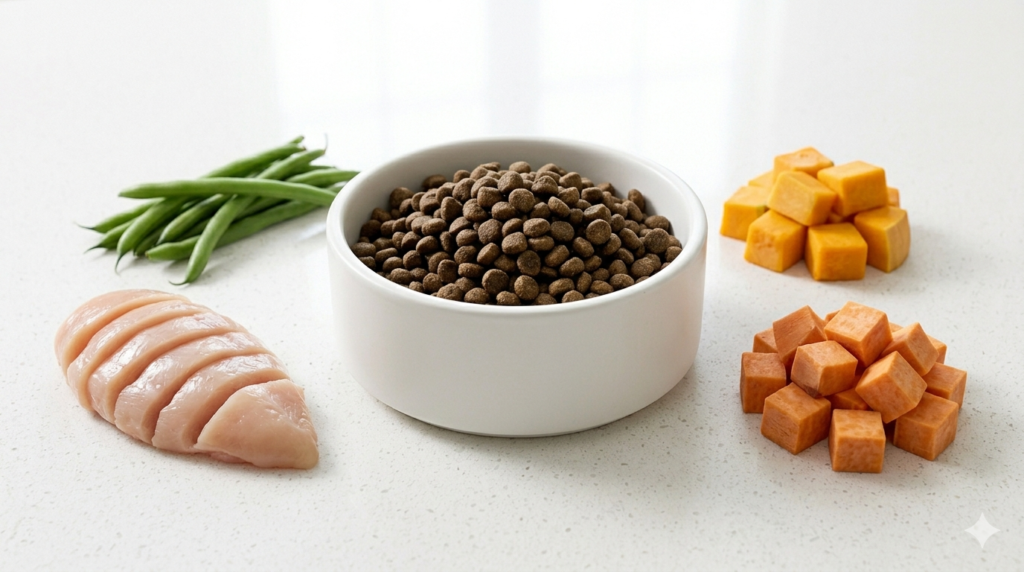
A diagnosis of canine diabetes is understandably alarming for any dog owner. But here’s what every veterinarian will tell you: with the right management strategy — and above all, with the right diabetic dog food — dogs living with diabetes can thrive, maintain excellent quality of life, and enjoy many happy, active years ahead. Diet is not a secondary concern in canine diabetes management. It is a primary pillar of treatment, working hand in hand with insulin therapy and consistent feeding routines to keep blood glucose stable and symptoms controlled.
This comprehensive guide covers everything you need to know about choosing and using diabetic dog food correctly — from understanding the disease itself and its nutritional implications, to navigating the best commercial formulas available in 2026, identifying ingredients that help and those that harm, and building a feeding routine that supports long-term glucose stability. Whether your dog was just diagnosed or you’ve been managing canine diabetes for years and are looking to optimize their diet, this is the most complete diabetic dog food resource you’ll find.
Important: Always work with your veterinarian when making dietary changes for a diabetic dog. This guide is intended to educate and inform — not to replace professional veterinary advice or medical treatment.
Understanding Canine Diabetes and Why Diet Is Everything
To choose the right diabetic dog food, you first need to understand what diabetes does to your dog’s body and why every meal matters so deeply. Canine diabetes occurs when the pancreas either fails to produce sufficient insulin or when the body cannot effectively utilize the insulin it does produce. Insulin is the hormone responsible for transporting glucose from the bloodstream into cells, where it is used as fuel. Without adequate insulin function, glucose accumulates dangerously in the blood — a state called hyperglycemia — while the body’s cells are simultaneously starved of energy.
The most common form in dogs is Type 1 (insulin-dependent) diabetes, in which the pancreas has been damaged — often by chronic pancreatitis or immune-mediated destruction — and can no longer produce enough insulin. This form requires lifelong insulin therapy alongside carefully managed diabetic dog food. Type 2 diabetes, where the body produces insulin but resists its effects, is far less common in dogs than in cats or humans, though obesity is a significant risk factor for its development in both species.
Every meal a diabetic dog eats directly impacts blood glucose levels. Foods that are high in simple carbohydrates and sugars cause rapid, dramatic spikes in blood glucose that overwhelm insulin therapy and are extremely difficult to manage. By contrast, diabetic dog food formulated with complex carbohydrates, high fiber, and quality protein creates slow, predictable glucose absorption — allowing insulin to work efficiently and reducing the risk of both dangerous highs and life-threatening hypoglycemic lows.
Recognizing the Signs of Diabetes in Dogs
Understanding what symptoms prompted a diabetes diagnosis helps contextualize why a precise diabetic dog food strategy is so critical. The classic clinical signs of canine diabetes include:
- Excessive thirst (polydipsia): Diabetic dogs drink significantly more water than usual as the body attempts to dilute excess blood glucose
- Frequent urination (polyuria): Often the first sign owners notice — the kidneys excrete excess glucose through the urine, carrying large amounts of water with it
- Increased appetite (polyphagia): Despite eating normally or more, the dog loses weight because cells cannot access glucose for energy
- Weight loss: The body begins breaking down muscle and fat as alternative fuel sources when glucose cannot enter cells
- Lethargy and decreased activity: Cellular energy deprivation manifests as fatigue and reduced interest in exercise or play
- Cloudy eyes: Diabetic cataracts develop rapidly in many affected dogs due to the accumulation of sorbitol in the lens
- Recurring infections: Elevated blood glucose suppresses immune function, making diabetic dogs more vulnerable to urinary tract infections and skin infections
If your dog is displaying several of these signs, consult your veterinarian immediately. Early diagnosis and prompt implementation of appropriate diabetic dog food and insulin therapy significantly improve long-term prognosis.
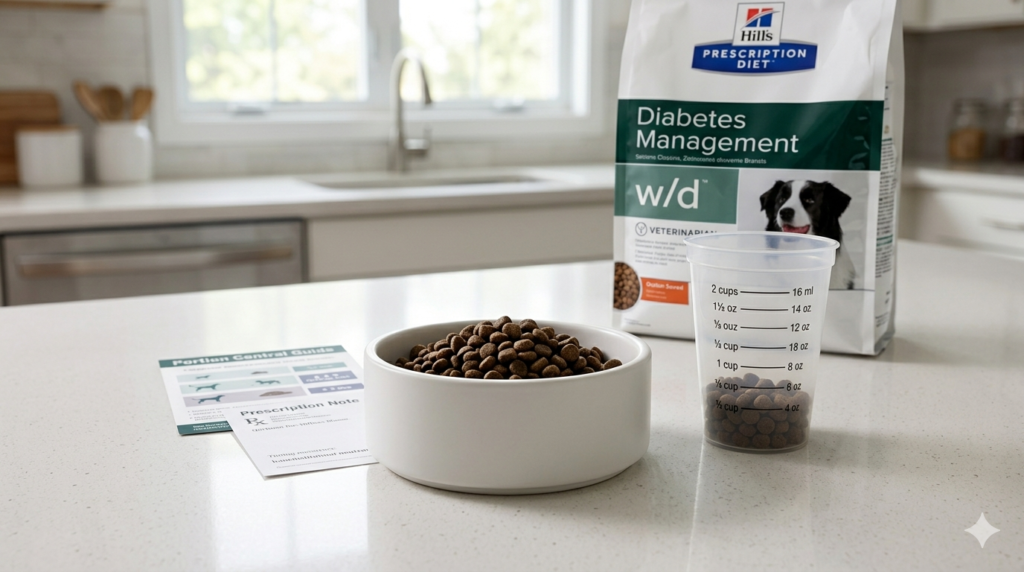
The Core Nutritional Principles of Diabetic Dog Food
The ideal diabetic dog food is built around four fundamental nutritional principles, each supported by extensive veterinary research and clinical practice. Understanding these principles empowers you to evaluate any commercial or prescription formula intelligently.
Principle 1: High Dietary Fiber for Glucose Regulation
Fiber is arguably the single most important nutritional component in any quality diabetic dog food. Dietary fiber slows the digestion and absorption of carbohydrates, smoothing out the glucose curve after each meal and preventing the sharp post-meal spikes that destabilize insulin therapy. Both soluble and insoluble fiber serve important roles in managing blood glucose: soluble fiber forms a gel in the digestive tract that delays glucose absorption, while insoluble fiber accelerates gastrointestinal transit time and reduces the total carbohydrate load entering the bloodstream at once.
Excellent fiber sources to look for in a diabetic dog food include beet pulp, flaxseed, psyllium husk, pumpkin, brown rice, oats, sweet potato, and fiber-rich vegetables like green beans, broccoli, and spinach. Veterinarians consistently emphasize fiber’s critical importance for diabetic dogs — it is the nutritional feature that transforms a good diabetic dog food into a genuinely therapeutic one.
Principle 2: High-Quality Protein to Preserve Muscle Mass
Diabetes causes muscle wasting as the body catabolizes lean tissue for energy when glucose metabolism is impaired. A good diabetic dog food provides moderate to high protein content — typically 15% to 30% of the diet — from easily digestible, high-quality animal sources. This protein intake supports muscle maintenance, immune function, and sustainable energy without significantly impacting blood glucose levels.
Quality protein sources to prioritize in diabetic dog food include chicken breast, turkey, lean beef, salmon, white fish, eggs, and lamb. Avoid diabetic dog food formulas that rely heavily on plant-based proteins or generic “meat by-products” — the amino acid profiles of these sources are inferior and the digestibility is typically lower.
Principle 3: Complex Carbohydrates with a Low Glycemic Index
Not all carbohydrates are equal in their impact on blood glucose, and this distinction is critical when selecting a diabetic dog food. According to veterinary nutritionist Dr. Jeff Werber, DVM, the ideal diabetic dog food should have between 20% and 25% carbohydrate on a dry matter basis — anything above 30% is considered high-carb for a diabetic dog and is likely to cause management difficulties.
Complex, low-glycemic carbohydrates like sweet potatoes, lentils, barley, oats, peas, and brown rice digest slowly, releasing glucose into the bloodstream gradually rather than in sudden flood. Avoid diabetic dog food that relies on white rice, white potatoes, corn, or wheat as primary carbohydrate sources, as these have high glycemic indices that cause rapid blood sugar elevation — exactly what insulin therapy is struggling to prevent.
Principle 4: Controlled, Moderate Fat Content
Fat does not directly raise blood glucose, but excessive dietary fat in a diabetic dog food presents a serious secondary risk: pancreatitis. Because damaged or compromised pancreatic function is often associated with the development of diabetes in dogs, feeding a high-fat diabetic dog food can trigger or worsen pancreatitis, compounding the dog’s health challenges significantly. Most veterinary recommendations suggest targeting a fat content of 10% to 15% in a diabetic dog food for maintenance, unless your veterinarian has directed otherwise for a specific clinical reason.
Healthy fats — particularly omega-3 fatty acids from fish oil — are beneficial in modest amounts within a diabetic dog food formula, as they reduce systemic inflammation, may improve insulin sensitivity, and support overall cardiovascular health.
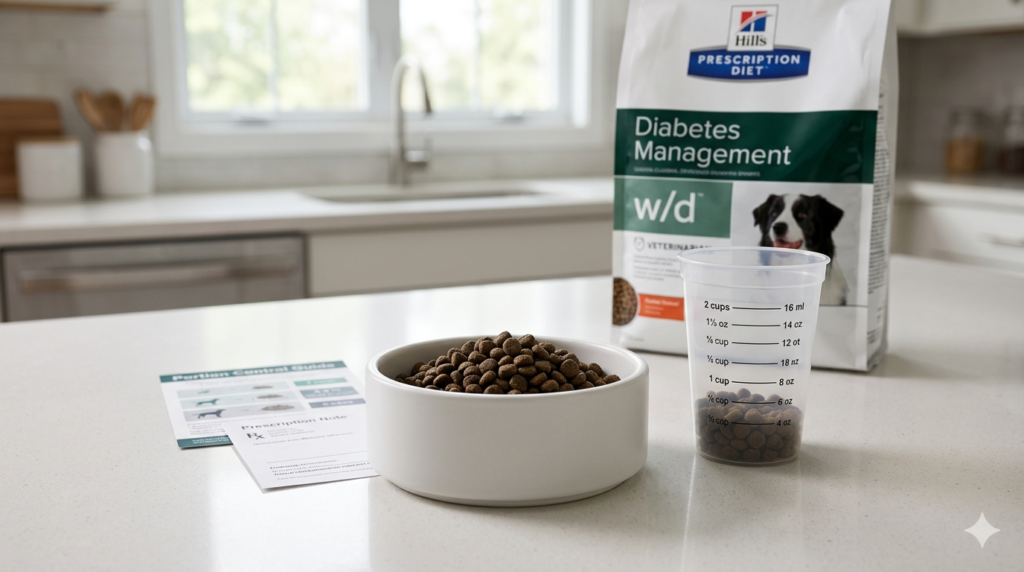
Ingredients to Avoid in Diabetic Dog Food
Knowing what to exclude from your dog’s diet is just as important as knowing what to include. The following ingredients should be avoided in any diabetic dog food and eliminated from treats and supplements as well:
- Corn syrup and cane sugar: Direct blood glucose elevators with zero nutritional value
- Molasses and honey: Natural but high-glycemic sweeteners that cause rapid glucose spikes
- White rice and white flour: Refined carbohydrates with high glycemic indices
- Corn as a primary ingredient: High starch content causes rapid glucose release
- High-fat meats and animal fats as primary ingredients: Pancreatitis risk in predisposed dogs
- Artificial preservatives and colorings: BHA, BHT, propylene glycol, and artificial dyes have no place in any quality diabetic dog food
- Highly digestible “sensitive stomach” formulas (unless specifically directed by your vet): These are designed for rapid nutrient absorption, which can cause faster glucose release
- Excessive fruit ingredients: Even natural fruit sugars can destabilize blood glucose when present in significant quantities
Best Dog Food for Diabetic Dogs: Prescription vs. Commercial Options
When choosing the dog food for diabetic dogs, the market divides broadly into two categories: veterinary prescription diets and high-quality commercial foods that naturally support blood glucose stability. Understanding the distinction helps you make the most informed choice for your individual dog.
Veterinary Prescription Diabetic Diets
Prescription diabetic dog food formulas are developed by veterinary nutritionists specifically to support glucose management in dogs with confirmed diabetes. They undergo extensive clinical testing to demonstrate consistent, predictable glucose responses and are available only through veterinary clinics or with a valid prescription.
The leading prescription options for diabetic dog food in 2026 include:
- Hill’s Prescription Diet w/d Multi-Benefit: One of the most widely recommended diabetic dog food formulas by veterinarians globally. This formula is rich in fiber, clinically tested for blood glucose management, and carefully balanced for weight maintenance — critical since overweight diabetic dogs have significantly poorer insulin sensitivity. It supports healthy digestion and has a decades-long track record of clinical efficacy
- Royal Canin Glycobalance: Scientifically formulated for precise carbohydrate control and designed to work in close coordination with insulin therapy. This diabetic dog food contains a carefully engineered blend of both soluble and insoluble fibers for optimal glucose regulation and is a top choice for dogs requiring strict dietary control alongside their insulin regimen
- Purina Pro Plan Veterinary Diets OM (Overweight Management): A high-protein, controlled-calorie option that supports weight loss and lean muscle preservation — ideal as a diabetic dog food for overweight diabetic dogs where weight management is a co-priority alongside glucose control
High-Quality Commercial Diabetic Dog Food
Not every diabetic dog requires a prescription diet. Many dogs with well-managed diabetes can thrive on high-quality commercial diabetic dog food that naturally delivers the right nutritional profile. The key is knowing what to look for on the label.
When evaluating the best dog food for diabetic dogs in the commercial space, consistently top-performing options in 2026 include:
- Just Food for Dogs Pantry Fresh Turkey & Whole Wheat Macaroni: A fresh, human-grade formula with high fiber content specifically noted by Dog Food Advisor as one of the leading diabetic dog food options for 2026. It contains no preservatives, no growth hormones, and no artificial coloring
- Spot & Tango UnKibble (Chicken & Brown Rice or Turkey & Sweet Potato): Vet-endorsed by Dr. Georgia Jeremiah, a certified veterinary nutritionist, this low-temperature dehydrated formula preserves nutrient profiles while delivering a consistent macronutrient composition ideal for stable glucose management. Made with 100% fresh ingredients and zero artificial preservatives or fillers
- Raised Right Turkey & Pumpkin Pate: A fresh, high-fiber formula combining turkey, pumpkin, and flaxseed oil — three ingredients consistently recommended for supporting blood sugar balance. Real-world reviews from diabetic dog owners report meaningful reductions in insulin requirements after switching to this formula
- Orijen Six Fish: For lean, active diabetic dogs that require a high-protein, very low-carbohydrate approach, Orijen’s fish-based formula delivers a biologically appropriate profile with a naturally low glycemic index and exceptional omega-3 content
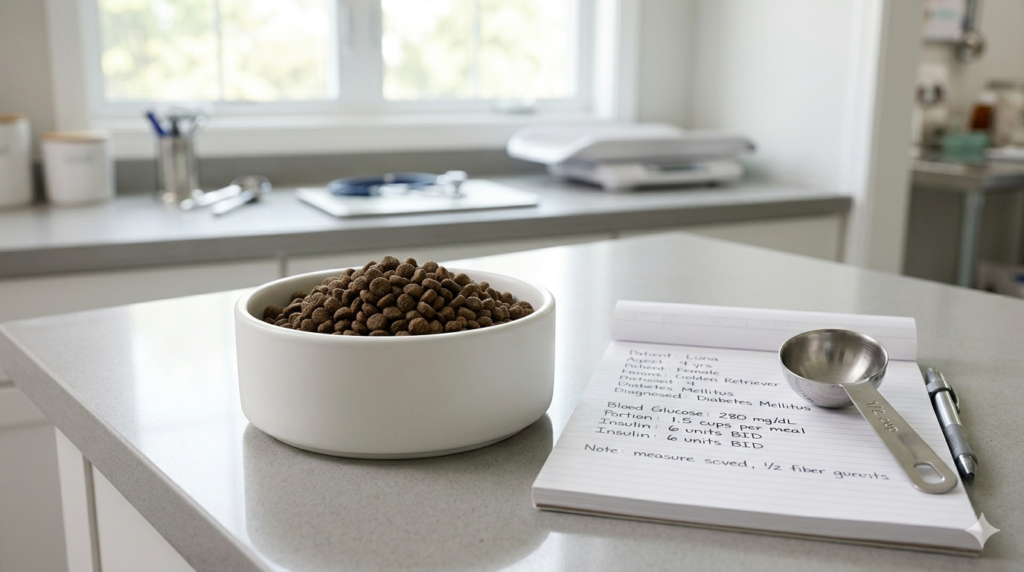
The Best Food for Diabetic Dog at Home: Homemade Diet Considerations
Some owners prefer preparing their own best food for diabetic dog at home, attracted by the ability to control every ingredient and portion precisely. When done correctly — with full veterinary oversight and nutritional balancing — a homemade diabetic dog food diet can be highly effective.
A balanced homemade diabetic dog food meal typically includes:
- Lean protein (50–60% of the meal): Boiled chicken breast, ground turkey, cooked salmon, or lean beef — plain, unseasoned, and trimmed of excess fat
- Complex carbohydrate (20–25%): Cooked sweet potato, barley, lentils, or oats — never white rice or white pasta
- Fiber-rich vegetables (15–20%): Cooked green beans, broccoli, spinach, pumpkin, or carrots, which add bulk and slow gastric emptying
- Healthy fat (small amount): A drizzle of salmon oil or flaxseed oil for omega-3 support
The critical caveat with homemade diabetic dog food is that a recipe approved by a board-certified veterinary nutritionist is absolutely essential. Homemade diets that are nutritionally unbalanced can cause serious deficiencies or exacerbate metabolic problems in diabetic dogs. Never attempt a homemade diabetic dog food diet based on online recipes alone — always have your veterinarian or a veterinary nutritionist verify and refine the plan for your specific dog.
Diabetic Dog Foods and Safe Treat Options
Many dog owners worry that a diabetes diagnosis means treating their dog is off-limits. The good news is that safe treats absolutely exist within a well-managed diabetic dog food plan — the key is choosing appropriately and limiting treats to no more than 10% of your dog’s total daily calorie intake.
The safest treat options to complement a diabetic dog food regimen include:
- Baby carrots: Low in sugar, high in fiber and beta-carotene — one of the most universally recommended treat options by veterinarians for diabetic dogs
- Green beans: Very low calorie, high fiber, and naturally sweet enough to satisfy most dogs without affecting blood glucose
- Plain cucumber slices: Almost entirely water and fiber, virtually zero impact on blood glucose
- Cooked plain chicken pieces: Pure protein, no carbohydrates, minimal impact on blood glucose
- Vet-approved diabetic dog treats: Several commercial treat brands now formulate diabetic-specific treats with controlled carbohydrate and sugar content
Always avoid biscuits with added sugar, corn syrup, honey, or fruit syrups as treats alongside your diabetic dog food regimen. Even occasional high-sugar treats can undo days of careful glucose management and require insulin dosage recalculation.
Building a Diabetic Feeding Schedule: Consistency Is Everything
The best diabetic dog food in the world will not achieve its full potential without a consistent feeding schedule built around your dog’s insulin administration routine. Veterinary nutritionist Dr. Lindsey Bullen, DVM, DACVN, explains that the most common and effective feeding method for diabetic dogs is two evenly spaced meals per day, served just before insulin administration.
This timing ensures that blood glucose rises predictably — exactly when the administered insulin is most active — creating the stable glucose curve that effective diabetes management depends on. Follow these key feeding principles alongside your chosen diabetic dog food:
- Feed at the exact same times every day: Variability in meal timing causes unpredictable glucose fluctuations that complicate insulin management
- Always feed before giving insulin: Never administer insulin to a dog that hasn’t eaten — this risks life-threatening hypoglycemia
- Measure every portion precisely: Use a kitchen scale or calibrated measuring cup for every meal — even small portion variations can cause meaningful blood glucose shifts
- Divide the daily allowance into two equal meals: Never free-feed a diabetic dog
- Consider a slow-feeder bowl: Extending mealtime promotes better digestion and more gradual, even glucose absorption from your chosen diabetic dog food
- Never change the formula abruptly: Any transition to a new diabetic dog food must be gradual over 10 to 14 days, with close monitoring of blood glucose throughout the transition period
Monitoring Progress: Signs Your Diabetic Dog Food Is Working
After introducing the right diabetic dog food and establishing a consistent feeding routine, monitoring your dog’s response is essential. Positive signs that your diabetic dog food strategy is working effectively include:
- Stabilizing or reducing insulin dosage requirements (always under veterinary supervision)
- Reduced water consumption and urination frequency
- Steady, healthy body weight and improved body condition score
- Increased energy levels and renewed interest in activity
- Consistent, firm stools indicating good digestive function
- Improved coat condition and healthier skin
- Stable glucose curves on home monitoring or veterinary blood glucose testing
Schedule regular veterinary check-ins — typically every one to three months — to review glucose curves, assess body weight, and fine-tune insulin dosing alongside your diabetic dog food plan. Diabetes management is not a set-and-forget process; it requires ongoing observation and adjustment.
Frequently Asked Questions About Diabetic Dog Food
What is the best type of diabetic dog food for daily feeding?
The best diabetic dog food for daily feeding is high in dietary fiber, provides moderate to high-quality protein from named animal sources, uses complex low-glycemic carbohydrates, and maintains moderate fat content. Whether prescription (Hill’s w/d, Royal Canin Glycobalance) or commercial (Just Food for Dogs, Raised Right, Spot & Tango UnKibble) depends on your dog’s specific glucose management needs — always confirm the choice with your veterinarian.
Can diabetic dogs eat grain-free food?
Some diabetic dogs do well on grain-free diabetic dog food, but whole grains like oats and barley are actually beneficial when properly balanced — they provide fiber and slow glucose release. If considering grain-free, ensure the formula substitutes grains with fiber-rich, low-glycemic alternatives like lentils or sweet potato rather than high-starch fillers. Discuss the grain-free question with your vet given the ongoing FDA investigation into potential cardiac links.
How often should I feed my diabetic dog?
Most diabetic dogs should receive two equal meals of their diabetic dog food per day, timed to coincide with insulin injections. This consistent two-meal-per-day schedule aligns insulin activity with the predictable glucose rise from food, creating the most stable blood sugar patterns possible.
Can the right diabetic dog food reduce insulin requirements?
In some dogs, switching to an appropriately formulated diabetic dog food — particularly one with significantly higher fiber content — has been associated with reduced insulin requirements over time. This should never be assumed or managed independently; any adjustment to insulin dosage based on dietary changes must be made under close veterinary supervision with glucose monitoring to prevent hypoglycemia.
Final Thoughts: The Right Diabetic Dog Food Changes Everything
A diabetes diagnosis is not a death sentence for your dog — it is a management challenge, and diet is your most powerful tool in meeting it. The right diabetic dog food, fed at the right time, in the right amount, alongside appropriate insulin therapy, gives your dog the best possible chance of living a long, comfortable, and genuinely fulfilling life.
Prioritize high fiber, quality protein, complex low-glycemic carbohydrates, and moderate fat in every diabetic dog food you consider. Work closely with your veterinarian to determine whether a prescription formula or a high-quality commercial option is most appropriate for your dog’s individual situation. Build a consistent, twice-daily feeding routine around insulin administration. And monitor your dog’s response continuously — adjusting and optimizing as you go.
Thousands of dogs live happily with well-managed diabetes every day. With the right diabetic dog food in their bowl and the right team in your corner, yours can too.
If you found this guide helpful, explore our blog for more vet-informed articles on canine nutrition, breed-specific feeding guides, and expert reviews of the leading dog food brands available in 2026.