Can Dogs Eat Cat Food Safely? Here's What Vets Say
Can dogs eat cat food? Learn if can dogs eat cat food safely and what happens if they do.
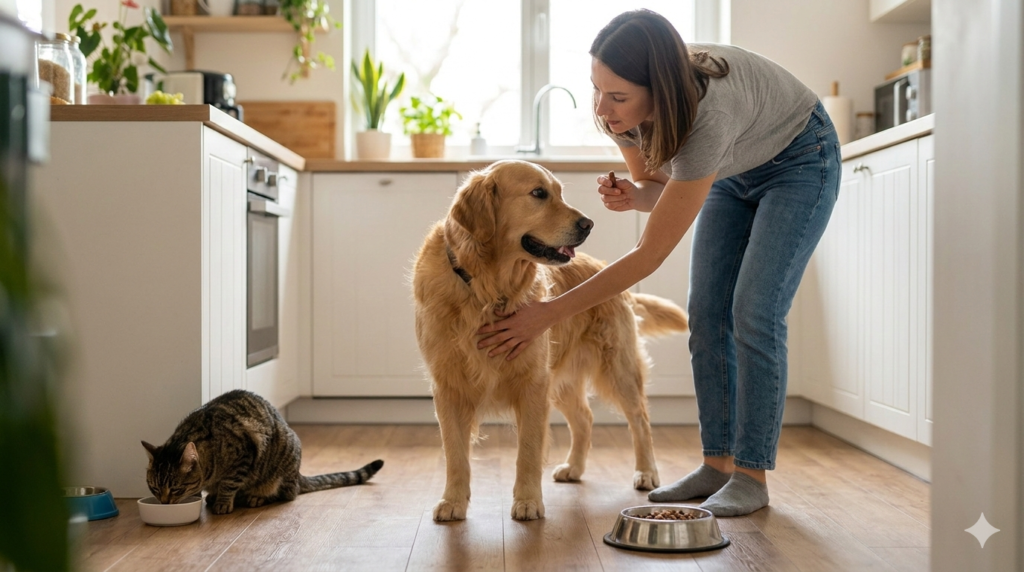
Can Dogs Eat Cat Food? Safety, Risks, and What Happens If a Dog Eats Cat Food
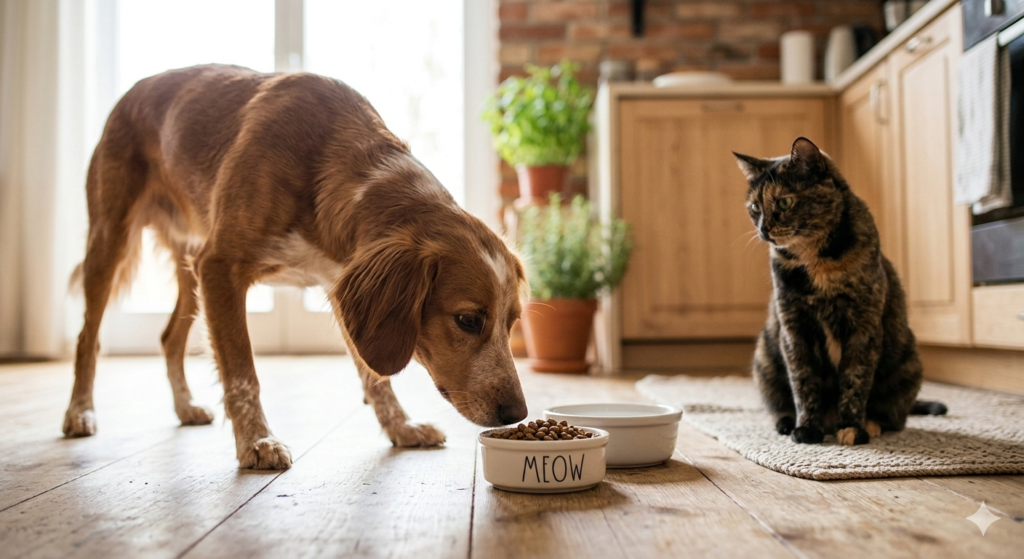
Pet owners often ask can dogs eat cat food when their dog sneaks food from a cat’s bowl. Because cat and dog foods look similar, it’s easy to assume they are interchangeable. However, feline diets are formulated very differently from canine nutrition. This guide explains can a dog eat cat food, whether dogs can eat canned cat food, and addresses concerns like can a dog die from eating cat food.
Can Dogs Eat Cat Food?
Dogs can physically eat cat food, and small accidental amounts are usually not immediately dangerous. However, cat food is not nutritionally appropriate for dogs and should not be fed regularly.
Dogs and cats have different dietary needs:
Dogs → omnivorous balance
Cats → obligate carnivores
Cat food is designed to meet feline metabolism, not canine nutrition.
Why Cat Food Is Different From Dog Food
Cat food contains higher levels of protein and fat because cats require concentrated animal nutrients to survive. Dogs do not need such dense protein levels and may experience digestive upset if fed cat food frequently.
Key differences:
Higher protein
Higher fat
More calories
Different nutrient ratios
This imbalance makes cat food unsuitable for dogs long-term.
Can Dogs Eat Canned Cat Food?
Many owners ask can dogs eat canned cat food specifically. Wet cat food is even richer than dry cat food, often containing higher fat content and strong aroma that attracts dogs.
Occasional small intake is unlikely to cause harm, but regular feeding may lead to:
Digestive upset
Weight gain
Nutritional imbalance
Dogs should not rely on cat food as a meal.
Can a Dog Die From Eating Cat Food?
A common concern is can a dog die from eating cat food. In normal situations, accidental consumption does not cause death. However, long-term feeding of cat food instead of dog food can contribute to serious health problems over time.
Potential risks of chronic feeding:
Obesity
Pancreatitis
Digestive disease
Nutritional imbalance
Health issues arise from prolonged inappropriate diet, not single exposure.
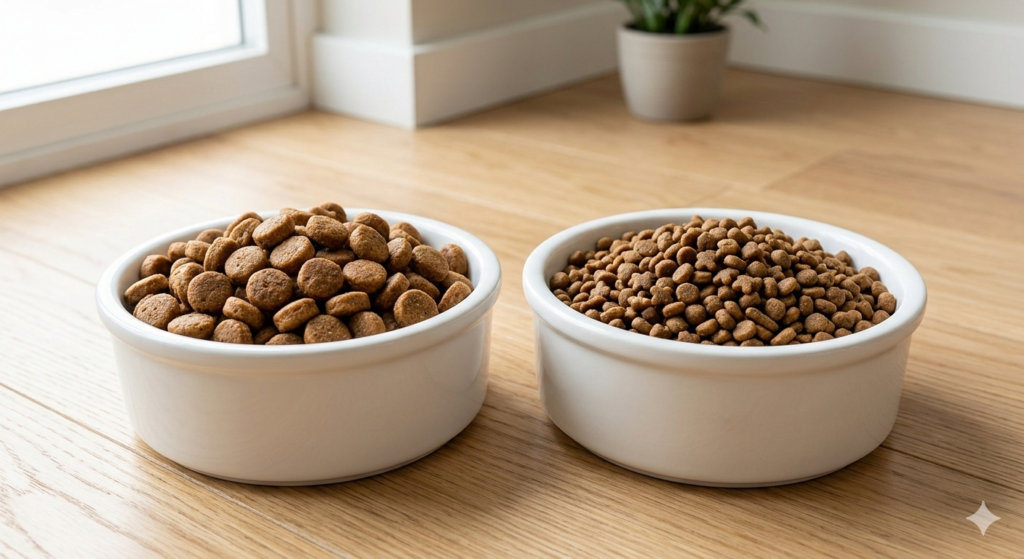
Digestive Effects of Cat Food in Dogs
Because cat food is richer than dog food, it can upset a dog’s digestive system. Dogs are adapted to more balanced macronutrient ratios, so high fat intake may cause gastrointestinal discomfort.
Possible short-term symptoms:
Vomiting
Diarrhea
Gas
Stomach upset
These effects usually resolve once normal diet resumes.
Why Dogs Are Attracted to Cat Food
Dogs often seek cat food because of its higher fat and protein content. Rich aroma and flavor make it appealing compared with many dog foods.
Attraction factors:
Strong smell
High fat
Animal protein
Dense calories
Dogs may prefer it even though it is unsuitable nutritionally.
Long-Term Feeding Risks
Regular consumption of cat food can disrupt canine nutrition balance. Dogs require specific nutrient ratios tailored to their metabolism, growth, and organ function.
Long-term feeding may lead to:
Excess calorie intake
Fat overload
Nutrient imbalance
Digestive strain
Balanced dog food is necessary for health maintenance.
Puppies and Cat Food
Puppies should never be fed cat food intentionally. Their growth requires specific nutrient ratios designed for canine development. Cat food lacks appropriate balance for growing dogs.
Feeding incorrect diet during growth may affect development.
What to Do If a Dog Eats Cat Food
If a dog eats cat food occasionally:
Remove access
Monitor digestion
Provide normal food
Ensure fresh water
Mild digestive upset may occur but usually resolves quickly.
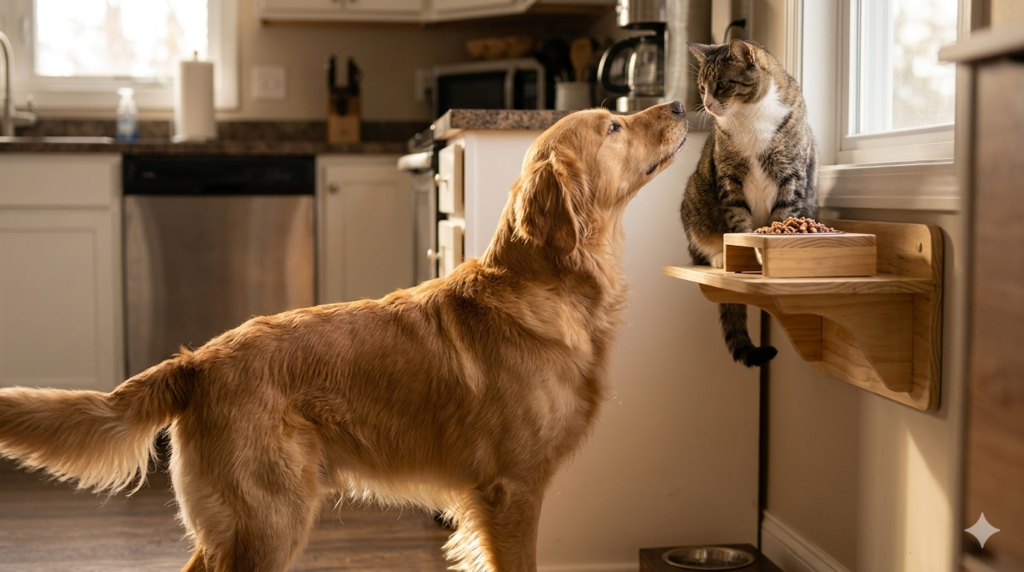
Preventing Dogs From Eating Cat Food
In multi-pet households, dogs may access cat bowls easily. Separation strategies help prevent diet mixing.
Prevention methods:
Elevated cat feeding area
Separate feeding rooms
Scheduled feeding times
Bowl removal after meals
Controlled access protects both pets’ diets.
Nutritional Balance Matters
Dogs require balanced proportions of protein, fat, carbohydrates, vitamins, and minerals. Cat food does not match these ratios for canine metabolism.
Feeding species-appropriate food supports:
Digestive health
Weight balance
Organ function
Energy regulation
Species-specific diets are essential.
Frequently Asked Questions
Can dogs eat cat food safely?
Small accidental amounts are usually safe.
Can dogs eat canned cat food?
Occasionally yes, but not regularly.
Can a dog die from eating cat food?
Single exposure is unlikely to be fatal.
Can a dog eat cat food daily?
No, it is nutritionally inappropriate.
Why do dogs like cat food?
It is richer in fat and protein.
Why Cat Food Is Too Rich for Dogs
Cat food is formulated for obligate carnivores, meaning cats rely heavily on animal protein and fat for energy. Dogs, however, evolved to digest a more balanced diet that includes carbohydrates and moderate fat levels. This difference explains why owners asking can dogs eat cat food are often warned against regular feeding.
Because feline diets are concentrated, they deliver more calories per portion. Dogs eating cat food frequently may consume excess fat and protein relative to their metabolic needs.
Fat Content and Pancreatic Stress
One major concern when dogs eat cat food regularly is fat load. Cat food often contains significantly higher fat levels than dog food. Dogs that ingest high-fat meals may place stress on the pancreas, the organ responsible for fat digestion.
Excess fat intake can contribute to:
Digestive upset
Pancreatic inflammation
Abdominal discomfort
Reduced appetite
This is why the question can a dog eat cat food long-term has a clear answer: it should be avoided.
Protein Density Differences
Cats require higher protein intake for essential amino acids like taurine. Dogs synthesize many amino acids internally and therefore need less dietary protein density. When dogs consume cat food regularly, protein levels exceed typical canine requirements.
Excess protein itself is not always harmful, but imbalance with other nutrients may disrupt dietary proportion. Balanced canine diets maintain specific ratios designed for long-term health.
Can Dogs Eat Canned Cat Food: Digestive Impact
Wet cat food is particularly rich and aromatic. Many owners notice dogs actively seeking it, leading to questions like can dogs eat canned cat food. While occasional licking or small ingestion is usually tolerated, repeated intake may overwhelm digestive enzymes adapted for moderate fat levels.
Wet formulas often contain:
Higher fat concentration
Dense meat content
Strong flavor oils
These features increase palatability but also digestive load for dogs.
Can a Dog Die From Eating Cat Food: Real Risk Context
Concern about can a dog die from eating cat food usually arises after accidental ingestion. In most cases, single exposure does not cause life-threatening effects. However, chronic feeding of inappropriate diets can contribute to serious medical conditions over time.
Long-term risks may include:
Obesity
Chronic pancreatitis
Metabolic imbalance
Digestive disease
These conditions develop gradually rather than from a single incident.
Dogs in Multi-Pet Homes
Dogs living with cats often gain access to feline food bowls. Because cat food is more calorie-dense and aromatic, dogs may actively seek it out. Preventing repeated access helps maintain species-appropriate nutrition.
Management strategies include:
Elevated feeding stations
Separate feeding areas
Scheduled feeding
Removing leftover cat food
Consistent feeding separation protects both animals.
Puppies and Nutritional Imbalance
Young dogs require carefully balanced nutrition for bone growth, organ development, and energy regulation. Cat food does not provide appropriate mineral ratios or calorie balance for canine growth stages.
Feeding cat food during development may disrupt:
Calcium-phosphorus balance
Energy regulation
Digestive adaptation
Puppies should always receive food formulated specifically for canine growth.
Taste Preference vs Nutritional Suitability
Dogs often prefer cat food due to its richer aroma and fat content. Preference does not equal suitability. Many dogs would choose higher-fat foods instinctively because they provide concentrated energy.
However, dietary choice for pets must prioritize:
Nutritional balance
Digestive tolerance
Long-term health
Palatability alone should not determine feeding decisions.
Occasional Exposure vs Regular Feeding
Accidental consumption is common in shared households. Understanding the difference between occasional exposure and routine feeding helps clarify safety.
Occasional exposure:
Usually tolerated
Mild digestive upset possible
No lasting harm
Regular feeding:
Nutritional imbalance
Digestive strain
Long-term health risk
Consistency determines impact.
Signs a Dog Has Eaten Too Much Cat Food
If a dog consumes a large quantity of cat food, temporary digestive symptoms may appear.
Possible signs:
Vomiting
Diarrhea
Gas
Lethargy
Symptoms usually resolve once normal diet resumes, but repeated episodes should be avoided.
Nutritional Design for Species Differences
Dog and cat foods are formulated differently because the species evolved distinct digestive strategies. Dogs process mixed nutrients efficiently, while cats depend on concentrated animal nutrients.
Key canine diet features:
Moderate protein
Controlled fat
Digestible carbohydrates
Balanced minerals
Cat food does not match this structure.
Extended Conclusion
Dogs may occasionally consume cat food without immediate danger, but feline diets are significantly richer in fat and protein than canine nutritional requirements. Regular intake can overload digestion, disrupt nutrient balance, and contribute to long-term health problems such as obesity or pancreatic stress. Puppies and sensitive dogs are particularly vulnerable to inappropriate dietary composition.
Maintaining separate feeding routines and species-appropriate diets ensures each pet receives nutrition suited to its biology. While dogs may be attracted to cat food due to aroma and energy density, balanced canine food remains essential for digestive stability and long-term health.