
Benadryl for Dogs: What to Know 2026
Learn about benadryl for dogs, common uses, safety considerations, and when to talk to a vet.
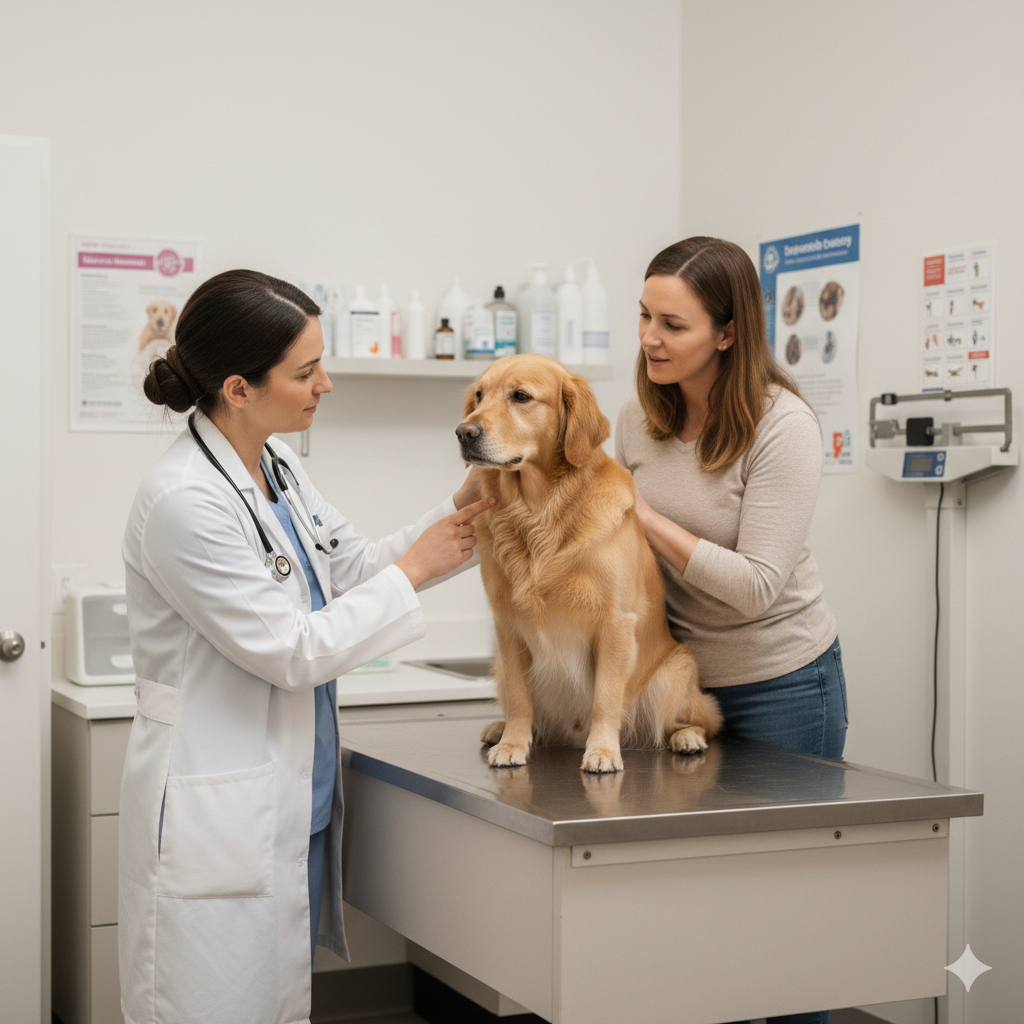
Benadryl for Dogs: Complete Safety, Dosage, Uses, Side Effects, and Veterinary Guidance
When dogs experience itching, allergic reactions, or insect bites, many owners search for solutions like Benadryl for dogs. Questions such as is Benadryl safe for dogs, Benadryl dosage for dogs, or Benadryl dose for dogs are extremely common in pet care. While diphenhydramine (Benadryl’s active ingredient) is sometimes used in veterinary medicine, it must be given correctly and cautiously. This comprehensive guide explains when Benadryl may help dogs, proper dosing principles, risks, and when veterinary care is essential.
What Is Benadryl and How It Works in Dogs
Benadryl contains diphenhydramine, an antihistamine that blocks histamine receptors in the body. Histamine is a chemical released during allergic reactions that causes itching, swelling, redness, and inflammation.
In dogs, diphenhydramine may help reduce:
Itching from allergies
Mild skin irritation
Insect bite reactions
Localized swelling
Environmental allergy symptoms
It does not treat infection, parasites, or severe allergic emergencies.
Is Benadryl Safe for Dogs?
Yes, diphenhydramine is generally considered safe for many dogs when used appropriately and under veterinary guidance. Veterinarians commonly use it for mild allergic reactions.
However, safety depends on:
Correct dosage
Dog weight
Medical history
Medication formulation
Concurrent conditions
Giving incorrect doses or unsuitable formulations can cause harm.
Benadryl Dosage for Dogs: Veterinary Principles
The commonly referenced veterinary guideline for Benadryl dosage for dogs is approximately 1 mg of diphenhydramine per pound (about 2 mg per kg) of body weight per dose. However, this is a general guideline, not a universal prescription.
Actual dosage may vary depending on:
Symptom severity
Dog sensitivity
Health conditions
Age
Medication form
Always confirm dosing with a veterinarian before administering.
Benadryl Dose for Dogs by Weight Example
Because dosing is weight-based, tablet size must match body weight rather than convenience.
Approximate examples (illustrative only):
10 lb dog → about 10 mg
25 lb dog → about 25 mg
50 lb dog → about 50 mg
75 lb dog → about 75 mg
These examples demonstrate proportional scaling but are not substitutes for veterinary advice.

Benadryl for Dogs Dosage Forms: What’s Safe
Diphenhydramine is available in many human formulations. Only plain versions are appropriate.
Safer options:
Plain diphenhydramine tablets
Capsules
Dye-free liquid without additives
Avoid:
Combination cold medicines
Decongestant formulas
Alcohol-containing liquids
Artificial sweeteners (xylitol is toxic)
Additives can be dangerous for dogs.
Conditions Where Benadryl May Help Dogs
Veterinarians sometimes recommend Benadryl for:
Seasonal allergies
Environmental allergies
Insect sting reactions
Mild hives
Post-vaccination swelling
Motion-related nausea (limited cases)
It provides symptomatic relief, not cure.
Benadryl for Dogs and Itching
Itching is one of the most common reasons owners consider Benadryl. Antihistamines may reduce itch intensity in some dogs, especially when histamine is involved.
However, many canine allergies involve multiple pathways, so response varies. Some dogs show clear improvement, while others show little change.
How Quickly Benadryl Works in Dogs
After oral administration, effects typically begin within 30–60 minutes. Peak effects occur later depending on metabolism.
Duration of action varies but often lasts several hours. Sedation may appear earlier than allergy relief.
Common Side Effects of Benadryl in Dogs
Most dogs tolerate diphenhydramine well, but side effects are possible.
Common effects:
Drowsiness
Sedation
Dry mouth
Mild digestive upset
Less common:
Hyperactivity
Urinary retention
Increased heart rate
Individual response varies.
Dogs That Should Not Receive Benadryl
Some dogs require caution or avoidance. Veterinary consultation is essential if the dog has:
Glaucoma
Cardiovascular disease
High blood pressure
Thyroid disease
Prostate enlargement
Seizure disorders
Medication interactions are also possible.
Benadryl for Dogs Dosage Frequency
Diphenhydramine may be given at intervals determined by a veterinarian depending on symptoms and dog metabolism. Frequency varies by case, so professional guidance is recommended rather than fixed schedules.

When Benadryl Is Not Enough
Benadryl only treats mild allergic symptoms. Severe allergic reactions require emergency veterinary care.
Emergency signs:
Facial swelling
Breathing difficulty
Collapse
Vomiting with swelling
Severe hives
These situations are life-threatening and not treatable with home medication alone.
Puppies and Benadryl
Young dogs have immature metabolism and greater sensitivity to medications. Benadryl should only be given to puppies under veterinary direction.
Senior Dogs and Benadryl
Older dogs may have underlying health conditions or slower drug metabolism. Dosing may need adjustment and monitoring.
Giving Benadryl to Dogs Safely
Administration tips:
Confirm correct dose
Use plain diphenhydramine only
Give with small food portion
Monitor for sedation
Observe for adverse reaction
Always watch the dog after first dose.
Why Weight-Based Dosing Matters
The concept behind Benadryl dose for dogs is pharmacokinetics — how the body absorbs and processes medication. Smaller dogs reach higher blood concentration from the same tablet than larger dogs.
Weight-based dosing ensures:
Safe concentration
Predictable effect
Reduced toxicity risk
Appropriate duration
Never estimate dose visually.
Veterinary Alternatives to Benadryl
Veterinarians may recommend other treatments depending on cause:
Prescription antihistamines
Anti-itch medications
Steroids
Allergy immunotherapy
Topical treatments
Benadryl is only one option.
When to Call a Veterinarian
Consult a veterinarian if:
First-time allergic reaction
Persistent itching
Recurrent hives
Skin infection signs
Swelling
No response to medication
Chronic symptoms require diagnosis.
Frequently Asked Questions
Is Benadryl safe for dogs?
Yes, when plain diphenhydramine is used at appropriate veterinary-guided doses.
What is Benadryl dosage for dogs?
Common guideline is about 1 mg per pound, but confirm with a veterinarian.
What is Benadryl dose for dogs for itching?
Weight-based dosing under veterinary advice.
Can all dogs take Benadryl?
No, dogs with certain conditions should avoid it.
Is Benadryl for dogs dosage the same for every dog?
No, it varies by weight and health status.

Understanding Allergies in Dogs
Before using any medication, it helps to understand why dogs develop allergic symptoms. Allergies occur when the immune system overreacts to normally harmless substances such as pollen, dust mites, mold spores, or insect saliva.
Common canine allergy triggers include:
Environmental allergens
Flea bites
Food proteins
Contact irritants
Seasonal pollens
These triggers cause histamine release, leading to itching, redness, and swelling — the symptoms Benadryl may help reduce.
Histamine and Itching in Dogs
Histamine is a chemical released by immune cells during allergic reactions. It binds to receptors in skin and tissue, producing inflammation and itch sensation.
Diphenhydramine works by blocking these receptors, which may:
Reduce itch intensity
Decrease swelling
Limit redness
Calm mild reactions
However, not all canine itching is histamine-driven, which is why Benadryl effectiveness varies between dogs.
Why Benadryl Works for Some Dogs but Not Others
Owners often report mixed results with Benadryl. This is because canine allergies involve multiple inflammatory pathways beyond histamine alone.
It may help when:
Insect sting reactions
Acute hives
Mild environmental allergy
It may help less when:
Chronic atopic dermatitis
Food allergy inflammation
Secondary skin infections
Veterinary diagnosis helps determine appropriate treatment.
Benadryl for Dogs and Insect Stings
One of the most common emergency uses of Benadryl in dogs is after bee or wasp stings. Antihistamines may reduce localized swelling and discomfort.
Signs Benadryl may help:
Localized swelling
Mild redness
Paw or muzzle sting
Mild itching
Severe swelling or breathing difficulty still requires emergency care.
Post-Vaccination Reactions in Dogs
Some dogs experience mild swelling or itching after vaccinations. Veterinarians may occasionally recommend antihistamines to reduce minor reactions.
Mild vaccine reactions include:
Local injection swelling
Itching
Facial puffiness
Restlessness
Benadryl may be used under veterinary advice in these cases.
Motion Sensitivity and Sedation Effects
Diphenhydramine causes mild sedation in many dogs. This sedative effect is sometimes used in situations such as travel anxiety or motion sensitivity, though response varies.
Sedation may:
Reduce restlessness
Promote calmness
Improve tolerance of travel
Not all dogs become sleepy; some may become excitable instead.
Drug Interactions and Medication Safety
Dogs receiving other medications require caution when considering Benadryl.
Possible interaction categories:
Sedatives
Antidepressants
Anticholinergic drugs
Heart medications
Veterinary guidance prevents adverse interactions.
Overdose Risks and Signs
Excess diphenhydramine can cause toxicity. Because tablets come in human doses, incorrect administration can occur if weight-based calculation is ignored.
Signs of overdose may include:
Extreme sedation
Agitation
Rapid heart rate
Tremors
Seizures
Immediate veterinary care is required in suspected overdose.
Liquid Benadryl Considerations
Liquid formulations may contain alcohol, flavoring agents, or sweeteners unsuitable for dogs. Xylitol, a common sweetener in human medicines, is highly toxic to dogs.
Only formulations confirmed safe by a veterinarian should be used.
Chronic Allergy Management vs Benadryl
Chronic itching rarely responds well to antihistamines alone. Long-term allergy management often requires:
Allergen avoidance
Prescription anti-itch therapy
Medicated baths
Flea control
Diet evaluation
Benadryl is generally a short-term or mild-case tool rather than primary long-term therapy.
Monitoring Response After Giving Benadryl
When administering Benadryl for the first time, monitoring is important.
Observe for:
Sedation level
Breathing changes
Heart rate changes
Behavioral reaction
Symptom improvement
This helps assess safety and effectiveness.
Environmental Allergy Season Considerations
Dogs with seasonal allergies may show symptoms during pollen-heavy months. Antihistamines sometimes provide mild relief during flare periods.
Seasonal signs include:
Paw licking
Face rubbing
Ear scratching
Belly itching
Veterinary guidance determines if antihistamines are appropriate.
When Benadryl Should Not Be Used Alone
Some symptoms require veterinary treatment rather than antihistamines alone.
Examples include:
Persistent itching
Skin infection odor
Hair loss patches
Open sores
Chronic ear infections
These indicate underlying disease.
Practical Safety Checklist
Before giving Benadryl to a dog:
Confirm veterinary approval
Verify plain diphenhydramine
Calculate weight-based dose
Check for health conditions
Monitor after dosing
Safety depends on correct preparation.
Extended Conclusion
Benadryl for dogs can provide temporary relief for mild allergic reactions, insect stings, or localized itching when used correctly and under veterinary guidance. Understanding how antihistamines work, when they are effective, and when they are insufficient helps owners make safer decisions. Because canine allergies vary widely in cause and severity, Benadryl should be viewed as a supportive option rather than a universal solution.
Proper dosing, formulation selection, and monitoring ensure safe use. Persistent or severe symptoms always require veterinary evaluation to identify underlying conditions and provide appropriate treatment. With informed use and professional guidance, Benadryl may play a limited but useful role in managing certain mild allergic symptoms in dogs.