
Why Does My Dog Drink So Much Water? Causes, Warning Signs & When to Worry
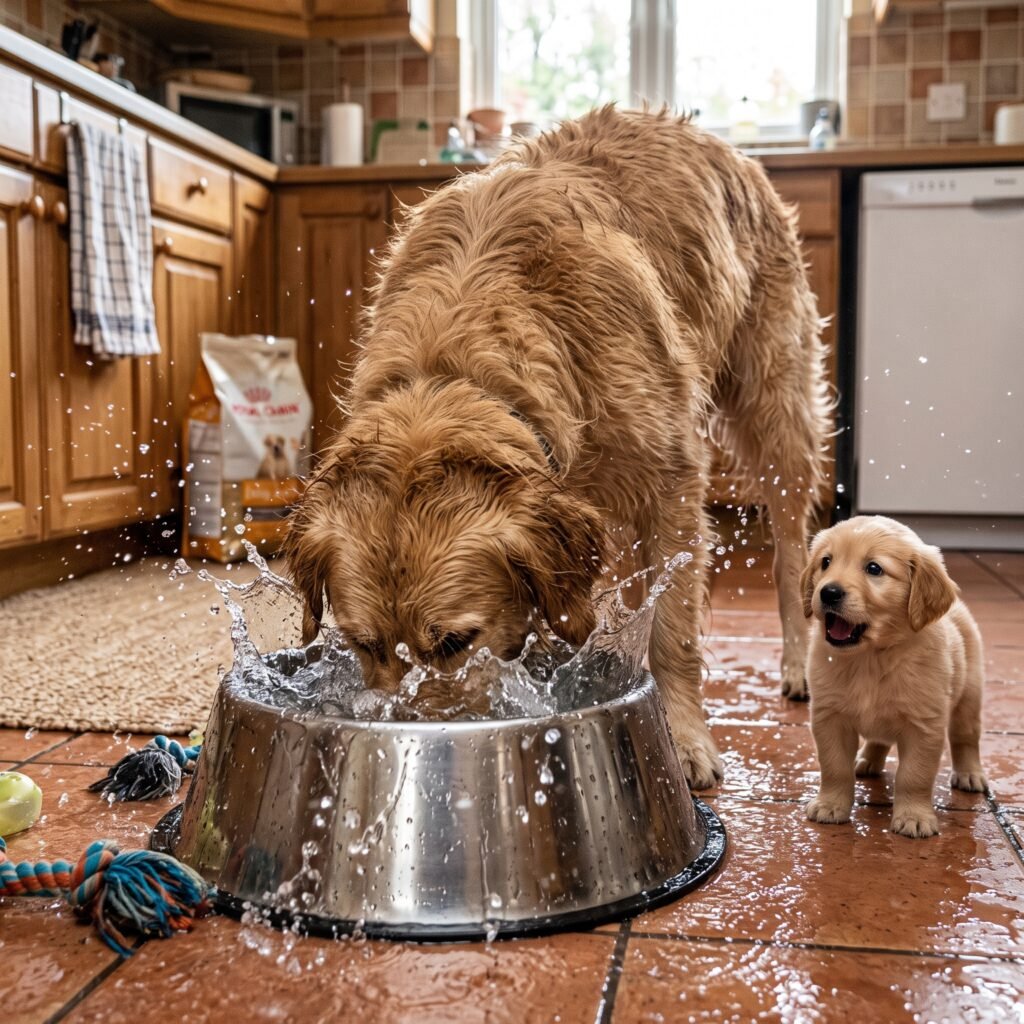
You fill the water bowl, walk away for twenty minutes, and come back to find it already empty again.
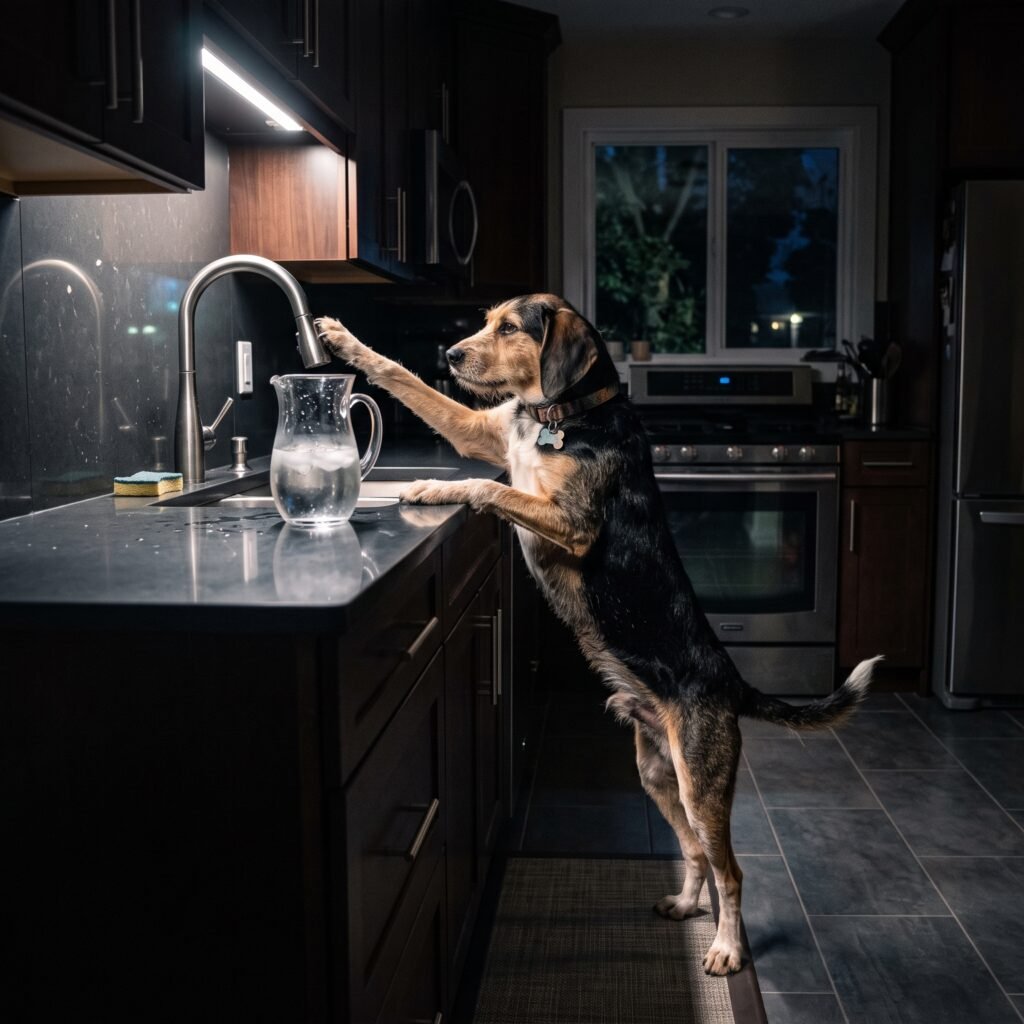
If this is starting to feel like a daily pattern rather than a one-off, you’re probably asking yourself the same question a lot of concerned owners eventually search for: why does my dog drink so much water?
It’s a fair question, and an important one to take seriously. While it’s completely normal for a dog’s water intake to increase after exercise, on a hot day, or after eating something salty, a consistent pattern of excessive drinking is something veterinarians want owners to pay close attention to. In veterinary terms, this is called polydipsia, and it can range from a harmless quirk to one of the earliest warning signs of a serious underlying health condition.
In this guide, we’ll walk through exactly why does my dog drink so much water from a medical standpoint, how to tell normal thirst from a genuine red flag, the most common (and some less common) causes, and what to expect if you bring this concern to your veterinarian. If you’re noticing your dog’s water bowl emptying faster than usual, this is the place to get real answers.
Table of Contents
- Why Does My Dog Drink So Much Water? Quick Overview
- How Much Water Should a Dog Normally Drink?
- What Counts as “Too Much” Water?
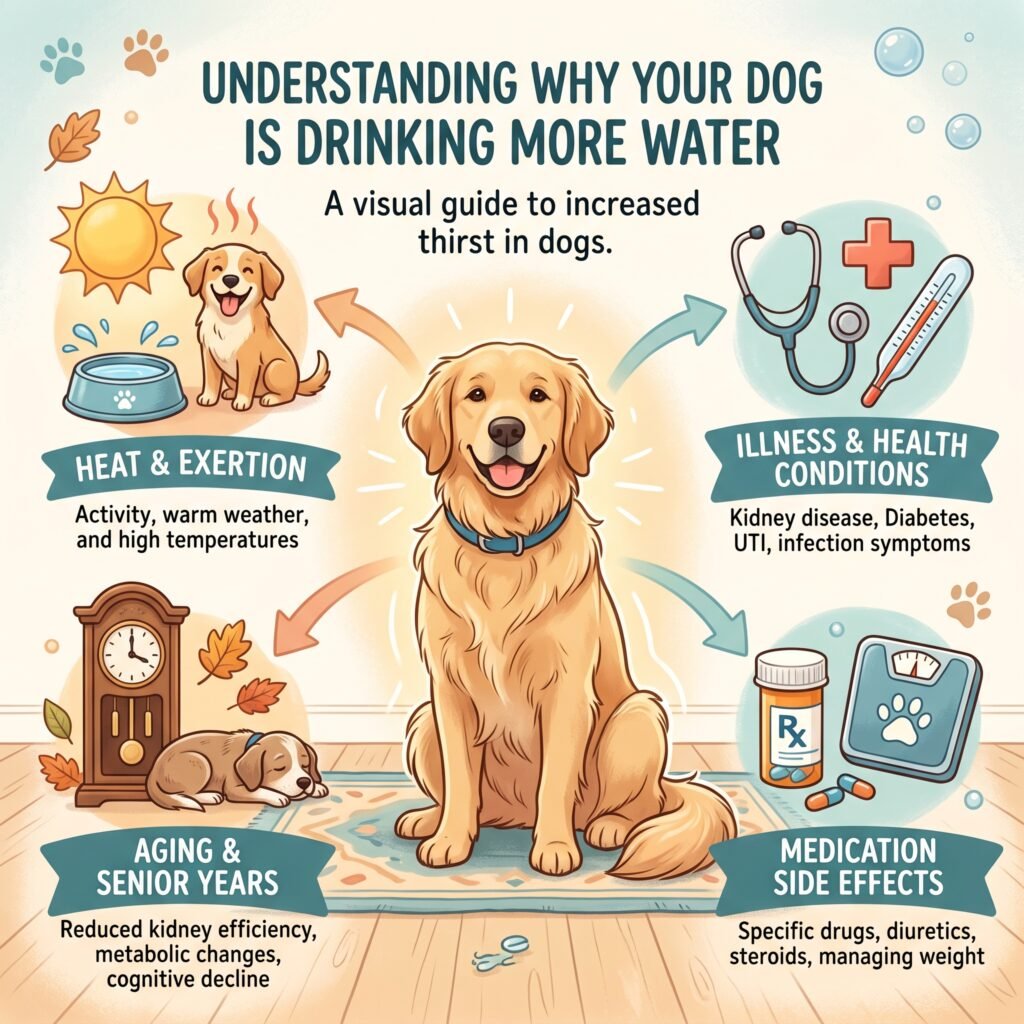
- Harmless, Everyday Reasons for Increased Thirst
- Medical Causes Behind Excessive Water Drinking
- Diabetes Mellitus: One of the Most Common Culprits
- Kidney Disease and Water Intake
- Cushing’s Disease (Hyperadrenocorticism)
- Other Medical Conditions That Increase Thirst
- Medication-Related Increased Thirst
- Psychogenic Polydipsia: When It’s Behavioral, Not Medical
- Warning Signs That Mean You Should See a Vet Soon
- How Veterinarians Diagnose the Underlying Cause
- How to Track Your Dog’s Water Intake Accurately
- What NOT to Do
- FAQ: Why Does My Dog Drink So Much Water
- Conclusion
Why Does My Dog Drink So Much Water? Quick Overview
If you’re searching why does my dog drink so much water, here’s the honest, direct answer: it could be something completely benign, like hot weather, recent exercise, or a salty meal — or it could be an early sign of a medical condition that genuinely needs veterinary attention.
The challenge is that increased thirst alone doesn’t tell you which one you’re dealing with. According to veterinary experts, there are more than 30 recognized underlying medical causes of excessive drinking and urination in dogs, which is exactly why a pattern of increased thirst should never be dismissed without at least some basic observation, and ideally, a conversation with your vet if the pattern persists.
How Much Water Should a Dog Normally Drink?
Before you can determine whether your dog is drinking too much, it helps to know what “normal” actually looks like.
General Water Intake Guidelines
A widely used general guideline is that healthy dogs typically drink approximately 1 ounce of water per pound of body weight per day (roughly equivalent to 100 ml per kilogram). For example:
- A 10-pound dog: roughly 10 ounces of water daily
- A 30-pound dog: roughly 30 ounces of water daily
- A 60-pound dog: roughly 60 ounces of water daily
Factors That Naturally Increase This Baseline
- Hot or humid weather
- Increased exercise or activity level
- A diet higher in dry kibble versus wet or fresh food
- Pregnancy or nursing
- Salty treats or table scraps
These guidelines are useful starting points, but every dog has their own individual baseline, which is exactly why noticing a change from your dog’s normal pattern matters more than comparing against a generic chart alone.
What Counts as “Too Much” Water?
Veterinarians use the term polydipsia to describe clinically excessive thirst. According to veterinary sources, including experts at Cornell University’s College of Veterinary Medicine, polydipsia is generally considered when a dog drinks more than roughly 100 ml per kilogram of body weight daily — but even smaller increases can be meaningful if they represent a significant change from your individual dog’s normal baseline.
Signs Your Dog May Be Drinking Excessively
- Needing to refill the water bowl noticeably more often than usual
- An increase in how frequently your dog needs bathroom breaks
- Accidents in the house, even in a previously well house-trained dog
- Waking up at night specifically to drink or go outside
- Changes in appetite or energy level alongside the increased thirst
If several of these patterns sound familiar, it’s a strong signal that whatever’s driving the question why does my dog drink so much water deserves a closer look rather than being brushed off.
Harmless, Everyday Reasons for Increased Thirst
Not every instance of increased drinking points to something serious. Here are common, benign explanations worth ruling out first.
Common Non-Medical Causes
- Hot weather or warm indoor temperatures — dogs naturally drink more to stay cool and hydrated
- Increased exercise or activity — more physical exertion means more fluid loss through panting
- A recent diet change, especially a switch from wet food to dry kibble, which contains far less natural moisture
- Salty foods or treats, which increase thirst the same way they do in humans
- Pregnancy or nursing, which significantly increases a dog’s fluid needs
- Simply liking water more than usual on a given day, particularly in young, playful, or water-loving breeds
If the increased drinking lines up clearly with one of these everyday explanations and resolves within a day or two, it’s generally nothing to worry about. The concern arises when there’s no obvious explanation, or when the pattern continues for several days or longer.
Medical Causes Behind Excessive Water Drinking
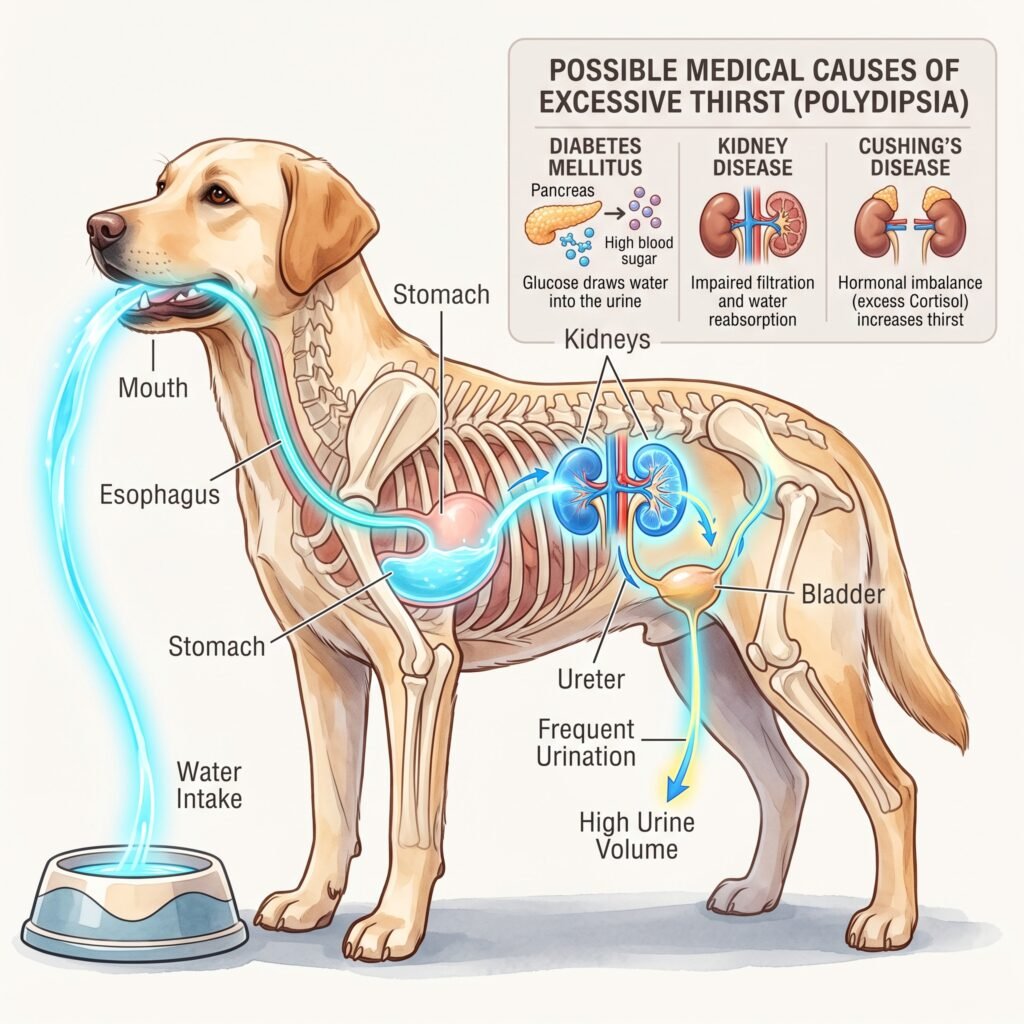
When increased thirst doesn’t have an obvious everyday explanation, medical causes become the more likely answer to why does my dog drink so much water. Veterinary sources point to dozens of possible underlying conditions, but a handful show up far more often than the rest.
Most Common Medical Causes
- Diabetes mellitus
- Kidney disease (acute or chronic)
- Cushing’s disease (hyperadrenocorticism)
- Urinary tract infections
- Liver disease
- Certain medications
- Psychogenic (behavioral) polydipsia
We’ll walk through each of these individually in the sections below, since understanding the specific mechanism behind each one helps explain why excessive thirst shows up as a symptom in such a wide range of conditions.
Diabetes Mellitus: One of the Most Common Culprits
Diabetes is one of the most frequently cited answers to why does my dog drink so much water, particularly in middle-aged and older dogs.
How Diabetes Causes Increased Thirst
When a dog has diabetes, excess glucose builds up in the bloodstream rather than being properly absorbed into cells for energy. This excess glucose draws water out of the body’s tissues and into the bloodstream, which the kidneys then filter out as urine — leading to both increased urination and, as a direct compensatory response, increased thirst.
Other Signs That Often Accompany Diabetes
- Increased urination
- Weight loss despite a normal or increased appetite
- Lethargy
- Cloudy eyes (in more advanced or long-standing cases)
- Increased hunger
If excessive thirst is paired with any of these additional symptoms, diabetes becomes a meaningfully more likely explanation, and a veterinary visit for bloodwork is the appropriate next step.
Kidney Disease and Water Intake
Kidney disease is another leading explanation, and one that veterinarians describe as one of the most commonly overlooked causes behind excessive thirst and urination.
How Kidney Disease Affects Thirst
Healthy kidneys are responsible for concentrating urine and conserving water in the body. When kidney function declines — whether due to age-related decline, chronic disease, or acute injury — the kidneys lose their ability to effectively concentrate urine. This means more water is lost through urination, triggering a compensatory increase in thirst as the body attempts to stay properly hydrated.
Additional Signs of Kidney Disease
- Increased urination
- Decreased appetite
- Vomiting
- Weight loss
- Bad breath with an unusual, sometimes ammonia-like odor
- Lethargy
Kidney disease is especially common in senior dogs, which is part of why veterinarians pay particularly close attention to increased thirst in older patients, even when the dog otherwise seems to be doing fine.
Cushing’s Disease (Hyperadrenocorticism)
Cushing’s disease is a hormonal disorder that’s frequently mentioned alongside diabetes and kidney disease as a top explanation for why does my dog drink so much water.
What Cushing’s Disease Actually Is
Cushing’s disease occurs when the body produces excessive amounts of cortisol, a hormone normally involved in stress response and metabolism regulation. This excess cortisol affects multiple body systems, including kidney function and water regulation, often resulting in significantly increased thirst and urination as one of the earliest and most noticeable symptoms.
Other Common Symptoms of Cushing’s Disease
- A pot-bellied appearance
- Thinning coat or hair loss
- Increased appetite
- Muscle weakness
- Lethargy
- Thin, fragile-looking skin
Because Cushing’s disease develops gradually, increased water intake is sometimes one of the only early clues before more visible symptoms appear, making it a particularly important condition to rule out when investigating excessive thirst.
Other Medical Conditions That Increase Thirst
Beyond the three major conditions above, several additional medical issues can also explain why does my dog drink so much water.
Additional Possible Medical Causes
- Urinary tract infections (UTIs) — irritation and inflammation in the urinary tract can trigger both increased urination and compensatory thirst
- Liver disease — affects multiple body functions, including fluid regulation
- Pyometra (a serious uterine infection in unspayed female dogs) — often accompanied by increased thirst as one of several warning signs
- Electrolyte imbalances — can disrupt the body’s normal thirst and fluid regulation signals
- Fever or infection — the body’s response to illness can increase fluid needs
- Certain cancers, in some cases, depending on how they affect hormone regulation or kidney function
This wide range of possibilities is exactly why veterinarians emphasize that clinical signs alone — including excessive thirst by itself — usually aren’t enough to pinpoint a diagnosis. Testing is almost always needed to narrow things down accurately.
Medication-Related Increased Thirst
Sometimes the answer to why does my dog drink so much water isn’t an underlying illness at all, but rather a side effect of medication your dog is already taking.
Common Medications Linked to Increased Thirst
- Corticosteroids (such as prednisone), commonly prescribed for allergies, inflammation, or autoimmune conditions
- Diuretics, sometimes used to manage heart conditions
- Certain anti-seizure medications
If your dog recently started a new medication and you’ve noticed a corresponding increase in water intake, it’s worth mentioning to your prescribing veterinarian, since this is often an expected and manageable side effect rather than a sign of a new problem.
Psychogenic Polydipsia: When It’s Behavioral, Not Medical
Not every case of excessive drinking has a medical root cause. In some dogs, increased thirst stems from a behavioral pattern known as psychogenic polydipsia.
What Psychogenic Polydipsia Looks Like
This condition describes dogs who drink excessive amounts of water not because of an underlying medical issue, but due to behavioral factors such as boredom, anxiety, or simply enjoying the sensation of drinking. It’s considered a relatively uncommon explanation compared to the medical causes above, but it does happen, particularly in dogs who are left alone for long stretches or lack sufficient mental stimulation.
Common Triggers
- Boredom or insufficient mental enrichment
- Separation-related anxiety, sometimes specifically triggered by an owner’s departure or return
- Simply being a water-loving individual dog or breed
Important Caveat
Psychogenic polydipsia is generally a diagnosis of exclusion, meaning veterinarians typically only land on this explanation after ruling out the more common medical causes through proper testing. It’s not something to self-diagnose at home, since assuming a behavioral cause without testing risks missing a genuine underlying medical condition.
Warning Signs That Mean You Should See a Vet Soon
While occasional fluctuations in water intake are normal, certain patterns and accompanying symptoms warrant a prompt veterinary visit rather than a wait-and-see approach.
See a Veterinarian If You Notice:
- Increased thirst lasting more than a couple of days without an obvious explanation
- Increased thirst paired with increased urination, accidents in the house, or nighttime bathroom needs
- Noticeable weight loss or weight gain alongside the increased drinking
- Lethargy, weakness, or reduced interest in normal activities
- Vomiting or diarrhea occurring alongside increased thirst
- Changes in appetite, either increased or decreased
- Your dog is a senior, since age-related conditions linked to increased thirst become significantly more common later in life
Seek Urgent Veterinary Care If:
- Increased thirst appears suddenly and is accompanied by vomiting, lethargy, or very low urine output
- Your dog seems to be in obvious distress or discomfort
- You notice signs of dehydration alongside excessive drinking, which can paradoxically occur in certain underlying conditions
How Veterinarians Diagnose the Underlying Cause
Because so many different conditions can cause excessive thirst, your veterinarian will typically follow a structured diagnostic process to narrow down the actual cause behind why does my dog drink so much water in your specific dog.
Typical Diagnostic Steps
- Detailed history-taking, including how long the increased thirst has been happening, any other symptoms, current medications, and recent diet changes
- Physical examination, checking for signs like weight changes, coat condition, and abdominal abnormalities
- Urinalysis, to evaluate how concentrated or dilute the urine is, which offers important clues about kidney function and other conditions
- Bloodwork, including glucose levels, kidney values, and liver enzymes
- Additional specialized testing, such as specific hormone panels for Cushing’s disease, if initial results point in that direction
- Imaging, such as ultrasound, in certain cases where structural issues are suspected
As one veterinary expert puts it, clinical signs alone simply aren’t enough to confirm a diagnosis — proper testing is almost always necessary to identify the true underlying cause with confidence.
How to Track Your Dog’s Water Intake Accurately
If you suspect your dog is drinking more than usual, tracking actual intake gives your veterinarian much more useful information than a general impression alone.
Practical Tracking Tips
- Measure water added to the bowl each time you refill it, rather than estimating
- Note the time of day water is consumed, especially if nighttime drinking has increased
- Track urination frequency and volume alongside water intake
- Record any other symptoms you notice, even ones that seem unrelated, like appetite changes or energy shifts
- Keep a simple daily log for at least a week before your veterinary visit, since patterns over time are far more useful than a single day’s snapshot
This kind of tracking helps your vet distinguish a true, consistent pattern from normal day-to-day variation, and can meaningfully speed up the diagnostic process.
What NOT to Do
In an effort to manage the situation, some well-meaning owners make choices that can actually complicate diagnosis or harm their dog. Avoid these common mistakes.
Avoid These Actions
- Don’t restrict your dog’s water access without explicit veterinary guidance, even if the drinking seems excessive — dehydration can be dangerous and may worsen certain underlying conditions
- Don’t assume it’s “just behavioral” without ruling out medical causes first through proper veterinary testing
- Don’t wait indefinitely to see if it resolves on its own, especially if the pattern persists beyond a few days or other symptoms appear
- Don’t change your dog’s diet drastically on your own as a way to “test” whether diet is the cause, since this can introduce new variables that make diagnosis more difficult
FAQ: Why Does My Dog Drink So Much Water
1. Why does my dog drink so much water all of a sudden?
A sudden increase in thirst can stem from many causes, ranging from hot weather or recent exercise to underlying conditions like diabetes, kidney disease, or Cushing’s disease. If the change is sudden and persistent without an obvious explanation, it’s worth contacting your veterinarian.
2. How much water is considered too much for a dog?
A general guideline is about 1 ounce per pound of body weight daily, though individual variation exists. Veterinarians generally consider intake above roughly 100 ml per kilogram of body weight daily as clinically excessive, though any noticeable change from your dog’s normal baseline is worth paying attention to.
3. Can stress or anxiety cause a dog to drink more water?
Yes, in some cases. A behavioral condition called psychogenic polydipsia can cause increased drinking due to boredom, anxiety, or habit rather than an underlying medical issue, though this is typically diagnosed only after medical causes have been ruled out.
4. Is increased water drinking always a sign of a serious problem?
Not always. Hot weather, exercise, and dietary changes can all cause temporary increases in thirst. However, a persistent, unexplained increase — especially in middle-aged or senior dogs — should always be evaluated by a veterinarian, since it’s one of the most common early signs of several serious conditions.
5. What tests will my vet run to figure out why my dog is drinking so much water?
Typically, a urinalysis and bloodwork (including glucose and kidney values) are the starting point, with additional specialized testing, such as hormone panels, added if those initial results suggest a specific condition like Cushing’s disease.
6. Should I restrict my dog’s water if they seem to be drinking too much?
No, not without direct veterinary guidance. Restricting water access can be dangerous, particularly if an underlying medical condition is driving the increased thirst, since the body may genuinely need that extra fluid intake to stay properly hydrated.
7. Are older dogs more likely to drink excessive water for medical reasons?
Yes. Many of the most common underlying causes — including diabetes, kidney disease, and Cushing’s disease — become significantly more common in middle-aged and senior dogs, which is why increased thirst in an older dog warrants particularly prompt veterinary attention.
Conclusion
So, why does my dog drink so much water? The honest answer is that it depends — sometimes it’s nothing more than a hot afternoon or a particularly active day, and sometimes it’s one of the earliest and most important warning signs of a genuine underlying health condition.
Here’s what to keep in mind:
- Why does my dog drink so much water doesn’t have one universal answer — over 30 recognized medical causes exist, alongside several harmless everyday explanations
- Diabetes, kidney disease, and Cushing’s disease are among the most common medical culprits, particularly in middle-aged and senior dogs
- Tracking actual water intake and accompanying symptoms gives your veterinarian far more useful information than a general impression alone
- Never restrict water access without veterinary guidance, even if drinking seems excessive
- Persistent, unexplained increased thirst — especially alongside other symptoms — always warrants a veterinary visit rather than a wait-and-see approach
If you’ve noticed your dog’s water bowl emptying faster than usual and it doesn’t have an obvious explanation, trust that instinct. Catching the underlying cause early, whatever it turns out to be, generally leads to a much better outcome and a far simpler treatment path than waiting until additional symptoms develop.
If this guide was helpful, check out our companion article on recognizing early signs of kidney disease in senior dogs, or our deeper breakdown of diabetes management and diet for dogs newly diagnosed with the condition.