
Why Your Dog Pees on Your Bed (And How to Stop It)
Why does my dog pee on my bed? Learn common reasons why does my dog pee on my bed and what to do.
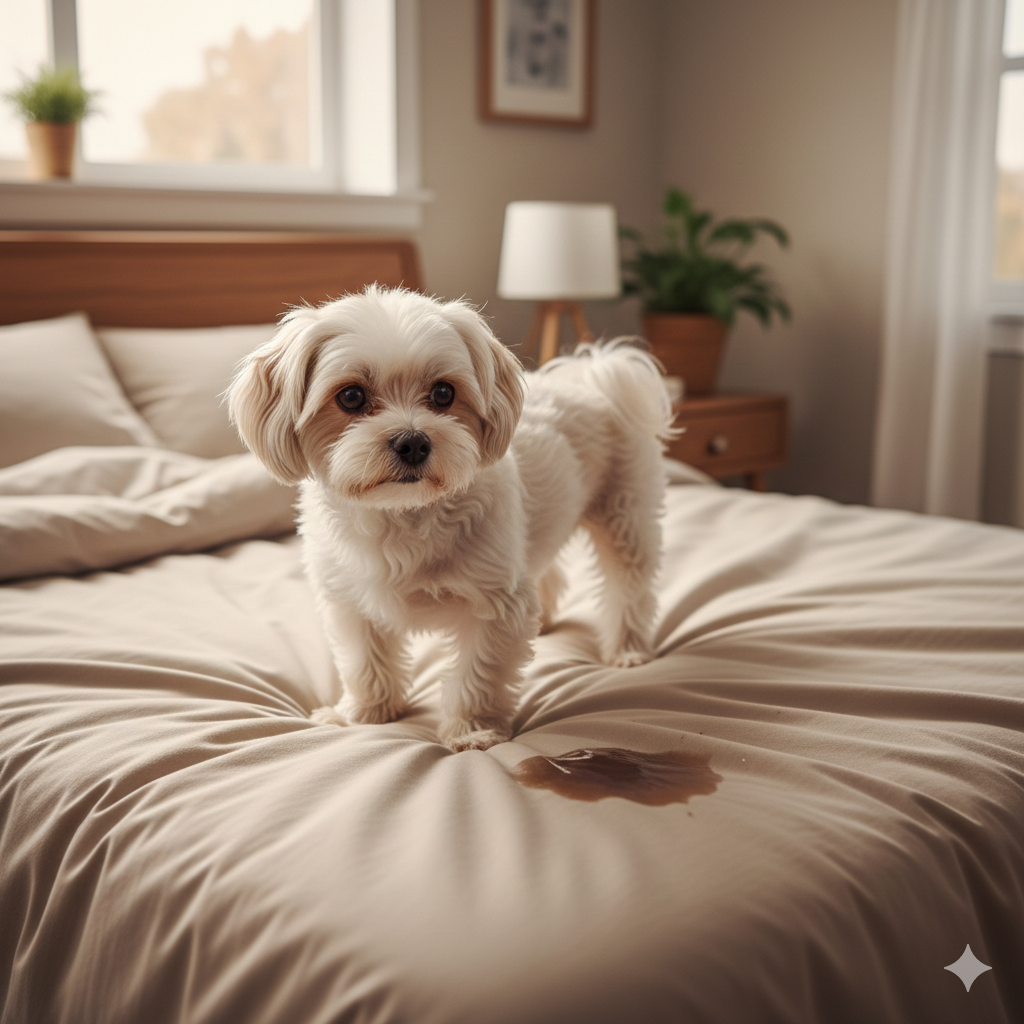
Why Does My Dog Pee on My Bed? Causes, Meaning, and How to Stop It
Finding urine on your bed can be frustrating and confusing, leading many owners to ask: why does my dog pee on my bed? Whether you’re wondering why does my dog keep peeing on my bed, why does my dog pee on the bed, or even why does my dog pee on his bed, this behavior usually has clear emotional, medical, or behavioral causes.
This guide explains why dogs urinate on beds, what it means, and how to stop it effectively and safely.
Why Beds Attract Dogs for Urination
Beds carry strong scent cues. They smell intensely like the owner, making them emotionally significant to dogs. This makes beds a common target for stress-related or scent-marking urination.
Reasons beds are targeted:
Strong owner scent
Soft absorbent surface
Elevated location
Emotional association
Territorial value
The behavior is rarely random.
Scent Marking Behavior
One of the most common reasons dogs pee on beds is scent marking. Dogs use urine to deposit their scent and claim territory.
A dog may mark a bed to:
Reinforce bond with owner
Claim sleeping area
Mix scent with owner scent
Respond to new smells
This is especially common in intact males but can occur in any dog.
Anxiety and Emotional Stress
Stress often triggers inappropriate urination. Beds provide comfort and security, so anxious dogs may urinate there when distressed.
Common triggers:
Separation anxiety
Schedule change
New pet or person
Moving home
Loud events
Urination can be a self-soothing response.
Why Does My Dog Keep Peeing on My Bed?
Repeated incidents suggest an underlying cause rather than accident.
Likely reasons include:
Habit formation
Persistent anxiety
Scent residue
Medical issue
Access opportunity
Dogs often return to previously soiled areas due to lingering odor.
Territorial or Social Marking
Dogs may mark bedding if they perceive competition or environmental change.
Triggers include:
New pet in home
Visiting animals
New partner scent
Rearranged furniture
The dog attempts to re-establish ownership through scent.
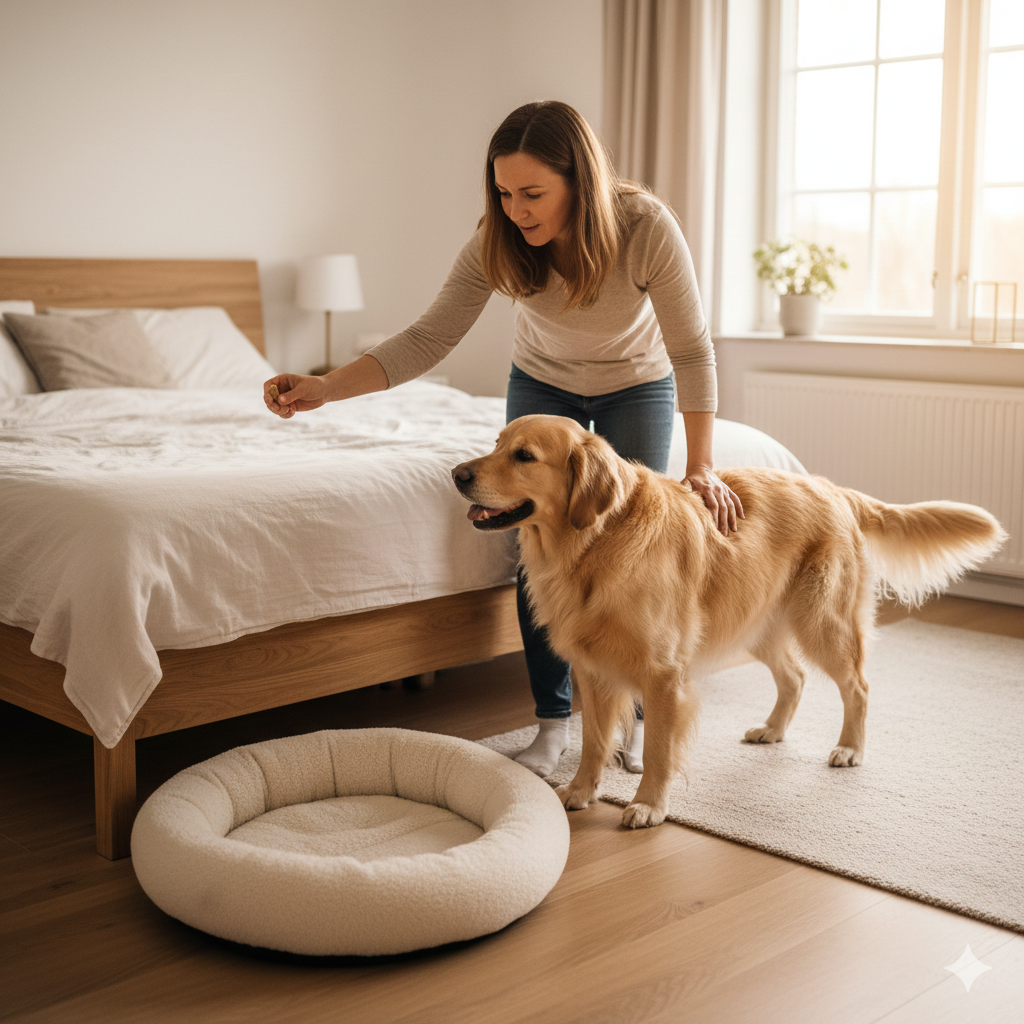
Medical Causes of Bed Urination
Urination on bedding can signal health problems.
Possible medical issues:
Urinary tract infection
Bladder inflammation
Kidney disease
Diabetes
Incontinence
If urination is frequent or uncontrolled, veterinary evaluation is essential.
Why Does My Dog Pee on the Bed Suddenly?
Sudden changes in behavior often indicate:
Stress event
Illness onset
Aging change
Hormonal shift
Environmental disruption
New behavior always warrants investigation.
Why Does My Dog Pee on His Bed?
Dogs may also urinate on their own bedding. Causes differ slightly.
Common reasons:
Anxiety
Scent mixing
Incontinence
Illness
Puppy training stage
Self-bed urination often indicates comfort-seeking or medical issues.
Puppies and House Training
Young dogs may urinate on beds due to incomplete training.
Factors include:
Weak bladder control
Soft surface confusion
Lack of routine
Night accidents
Puppies often mistake bedding for grass-like absorbent surfaces.
Separation Anxiety and Owner Beds
Dogs with separation anxiety may urinate specifically on the owner’s bed when left alone.
Reasons:
Strong scent presence
Emotional attachment
Stress relief
Comfort seeking
This pattern strongly suggests anxiety-related urination.
Hormonal Marking
Intact male dogs often mark territory through urine. Beds may be chosen because they are high-value locations.
Neutering often reduces this behavior but may not eliminate learned marking.
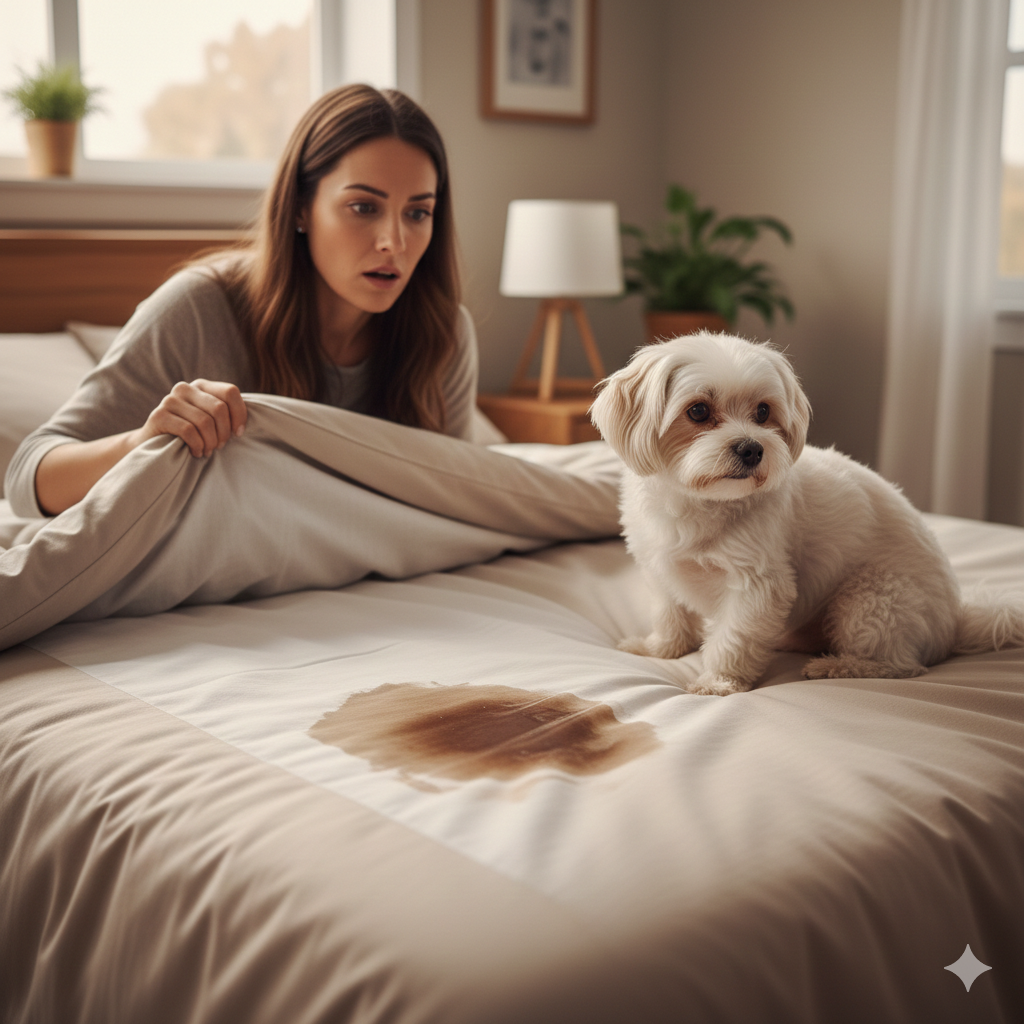
Aging and Incontinence
Older dogs sometimes lose bladder control.
Signs include:
Urine during sleep
Wet bedding
No awareness of accident
Reduced mobility
Senior dogs may need veterinary management or protective bedding.
Why Dogs Return to the Same Spot
Dogs repeatedly urinate in the same place because scent molecules remain even after cleaning. The odor signals that the location is acceptable for elimination.
Standard cleaning often fails to remove scent completely.
How to Stop a Dog From Peeing on the Bed
Effective solutions depend on the cause.
Key steps:
Veterinary check
Enzyme cleaning
Restrict access
Anxiety reduction
Training reinforcement
Addressing root cause prevents recurrence.
Proper Cleaning Is Essential
Use enzyme-based cleaners that break down urine proteins. Regular cleaners leave scent traces detectable to dogs.
Cleaning steps:
Blot moisture
Apply enzyme cleaner
Air dry
Repeat if needed
Odor removal reduces repeat behavior.
Managing Anxiety-Related Urination
If anxiety is involved:
Increase exercise
Provide enrichment
Maintain routine
Offer safe resting area
Consider behavior training
Reducing stress reduces urination triggers.
Training Reinforcement
Reinforce correct elimination habits.
Methods:
Frequent outdoor breaks
Reward correct urination
Consistent schedule
Supervision indoors
Re-establishing routine helps retrain behavior.
Preventing Bed Access
While training:
Close bedroom door
Use barriers
Supervise access
Provide dog bed alternative
Prevention stops habit reinforcement.
When to See a Veterinarian
Seek veterinary advice if:
Frequent urination
Blood in urine
Pain signs
Sudden change
Senior dog accidents
Medical causes must be ruled out.
Frequently Asked Questions
Why does my dog pee on my bed?
Often due to anxiety, marking, or scent attraction.
Why does my dog keep peeing on my bed?
Repeated incidents suggest habit, scent residue, or stress.
Why does my dog pee on his bed?
May indicate anxiety, illness, or incontinence.
Is bed urination behavioral or medical?
It can be either; evaluation is needed.
How do I stop bed peeing?
Clean thoroughly, address cause, restrict access, retrain.
Why Dogs Choose Soft Surfaces Like Beds
Dogs often select soft, absorbent surfaces when urinating indoors. Beds, blankets, and upholstery resemble natural substrates such as grass or soil more than hard flooring does.
Soft materials:
Absorb urine quickly
Retain scent strongly
Feel natural under paws
Reduce splashback
This makes bedding especially attractive for repeat urination once an accident occurs.
Owner Scent and Emotional Attachment
Human beds contain the strongest concentration of owner scent in the home. Dogs form deep social bonds through scent recognition, so urinating there may reflect emotional conflict rather than defiance.
Possible motivations:
Seeking comfort during stress
Reinforcing social bond
Mixing scent with owner
Claiming attachment object
This explains why some dogs target the owner’s bed specifically rather than random locations.
Habit Formation After One Accident
Dogs have powerful scent memory. Even a single urination event can establish a location preference if odor remains.
Habit cycle:
Dog urinates on bed
Residual scent remains
Dog detects scent later
Dog returns to same spot
Without full odor removal, the behavior can become repetitive.
Stress-Triggered Urination Patterns
Stress urination often follows predictable triggers. Dogs may urinate on bedding when experiencing emotional tension.
Common triggers include:
Owner absence
Routine disruption
Travel or relocation
New household member
Environmental noise
Because beds feel safe, dogs may choose them during stress episodes.
Distinguishing Marking vs Full Urination
Not all bed urination has the same cause. Two distinct patterns exist.
Marking
Small amount
Targeted spot
Leg lift posture
Often repeated
Elimination
Full bladder release
Squatting posture
Larger wet area
May occur during rest
Marking suggests territorial or emotional motivation, while elimination suggests bladder or training factors.
Why Dogs Pee on Their Own Bed
When dogs urinate on their own sleeping area, causes differ from owner-bed incidents.
Possible reasons:
Anxiety spillover
Loss of bladder control
Illness
Cognitive decline
Puppy confusion
Dogs normally avoid soiling their sleeping space, so this behavior often indicates medical or developmental issues.
Medical Causes: How to Recognize Them
Medical urination differs from behavioral marking.
Signs suggesting health issue:
Frequent urination
Increased thirst
Dribbling urine
Accidents during sleep
No awareness of event
Conditions such as urinary tract infection or endocrine disease can increase urgency or reduce control.
Senior Dogs and Bed Urination
Aging dogs may develop urinary incontinence due to weakened bladder muscles or hormonal changes.
Characteristics:
Wet bedding after sleep
Leakage without posture
Gradual onset
Increased frequency
Veterinary treatment can often manage senior incontinence effectively.
Separation Anxiety and Bedding
Dogs with separation anxiety often urinate only when the owner is absent. Beds become the target because they smell most strongly of the owner.
Clues include:
Accidents only when alone
Destructive behavior
Vocalization
Pacing
Distress signs
Addressing anxiety reduces urination incidents.
Hormonal and Reproductive Factors
Intact dogs, especially males, may mark high-value objects such as beds. Hormonal influence increases territorial behavior.
Neutering often:
Reduces marking urge
Lowers scent marking frequency
Improves training response
However, learned habits may persist without retraining.
Cleaning Mistakes That Reinforce Behavior
Common cleaning products remove odor for humans but not for dogs. Ammonia-based cleaners may even mimic urine scent, encouraging repeat marking.
Effective cleaning requires:
Enzyme-based solution
Deep penetration
Complete drying
Multiple applications
True odor elimination is essential to break the cycle.
Environmental Management Strategies
Preventing access during retraining helps stop repetition.
Helpful steps:
Close bedroom door
Use washable bedding covers
Provide alternative dog bed
Supervise indoor time
Management reduces opportunity while training takes effect.
Training Reset for Bed Urination
If the behavior becomes habitual, reset house-training routines.
Steps:
Increase outdoor frequency
Reward outdoor elimination
Supervise indoors
Restrict bed access
Maintain schedule
Consistency helps dogs relearn appropriate elimination locations.
Emotional Reassurance Techniques
For anxiety-related urination, emotional stability is key.
Support methods:
Predictable routine
Pre-departure calmness
Enrichment toys
Exercise before leaving
Safe resting space
Reducing stress lowers urge to mark bedding.
Providing an Alternative Resting Area
Dogs sometimes choose owner beds due to comfort preference. Providing an appealing dog bed can reduce attraction.
Ideal alternative bed:
Comfortable cushioning
Owner-scented blanket
Quiet location
Consistent placement
Dogs often shift preference when comfort needs are met.
When Behavior Becomes Chronic
Repeated bed urination over weeks or months indicates entrenched habit or unresolved cause. Combined veterinary and behavioral intervention may be required.
Professional guidance may include:
Medical treatment
Behavior modification plan
Anxiety management
Environmental adjustments
Early intervention improves success.
Extended Conclusion
The question of why does my dog pee on my bed has multiple layers involving scent attraction, emotional bonding, stress response, habit formation, and possible medical issues. Beds carry intense owner scent and soft texture, making them high-value targets for marking or comfort-seeking urination. Dogs may return repeatedly if odor remains or anxiety persists.
Distinguishing between marking, elimination accidents, and medical causes is essential for effective correction. Thorough enzyme cleaning, access management, consistent training, and veterinary evaluation when needed can resolve most cases. With patience and proper intervention, dogs can relearn appropriate elimination behavior and maintain a healthy, stress-free routine.
Understanding Repeat Bed Urination in Dogs
If you’re asking why does my dog pee on my bed, you’re not alone. This behavior is one of the most common indoor elimination problems reported by dog owners. Beds combine strong human scent, soft absorbent fabric, and emotional significance, making them a frequent target when dogs experience stress, marking urges, or confusion about elimination habits.
Many owners also worry, why does my dog keep peeing on my bed even after cleaning or correcting the behavior. Repetition usually happens because dogs detect lingering scent molecules that humans cannot smell. Once a dog associates a location with urination, that surface becomes a preferred spot unless odor is fully removed and behavior retrained.
Another closely related concern is why does my dog keep peeing on the bed after previously being house trained. In many cases, the issue is not lost training but a change in emotional or physical state. Dogs may urinate on bedding when experiencing anxiety, routine disruption, or medical discomfort. Because beds feel safe and familiar, they become a place where the dog releases tension or seeks comfort.
Scent marking is another major factor behind why does my dog pee on my bed. Dogs naturally deposit scent in important locations to claim them. A human bed carries the strongest owner scent in the home, so a dog may mark it to reinforce attachment or territorial security. This is especially common in intact males, but females and neutered dogs can also display marking behavior when stressed or socially uncertain.
When owners ask why does my dog keep peeing on my bed despite discipline, it’s important to understand that punishment rarely stops scent-driven or anxiety-driven urination. Dogs do not connect delayed correction with past behavior, and stress can actually increase marking. Effective solutions require removing odor completely and addressing the underlying trigger.
Medical causes must also be considered when evaluating why does my dog keep peeing on the bed. Urinary tract infections, bladder inflammation, and age-related incontinence can all lead to accidents on soft surfaces. Bedding absorbs urine easily, so dogs with urgency or leakage often soil beds unintentionally rather than seeking them deliberately.
Another behavioral explanation for why does my dog pee on my bed involves attachment. Dogs with strong bonding tendencies sometimes urinate on owner belongings during separation distress. This is not spite — it is a coping behavior linked to anxiety and scent reassurance. When owners return, the scent mix can even comfort the dog temporarily, reinforcing repetition.
If you’re still wondering why does my dog keep peeing on my bed, consider environmental triggers. New pets, visitors, bedding changes, or rearranged furniture can prompt dogs to re-mark familiar scent zones. Even clean sheets can trigger marking because they remove the dog’s scent, motivating the dog to restore it.
Similarly, why does my dog keep peeing on the bed may relate to habit memory. Dogs remember elimination locations strongly. If a previous accident was not enzymatically cleaned, residual odor signals that the spot remains acceptable. Breaking this cycle requires deep enzyme treatment and restricted access during retraining.
Ultimately, understanding why does my dog pee on my bed requires viewing the behavior through canine instincts rather than human interpretation. Dogs urinate on meaningful scent objects, soft absorbent surfaces, and emotionally significant locations. Once owners identify whether the cause is marking, anxiety, habit, or medical change, targeted solutions can stop the behavior and restore healthy elimination patterns.