Canine Natural Food: The Complete Guide to Feeding Your Dog the Way Nature Intended
Is your dog truly thriving — or just surviving? There's a difference, and what goes into their bowl every single day is the deciding factor.
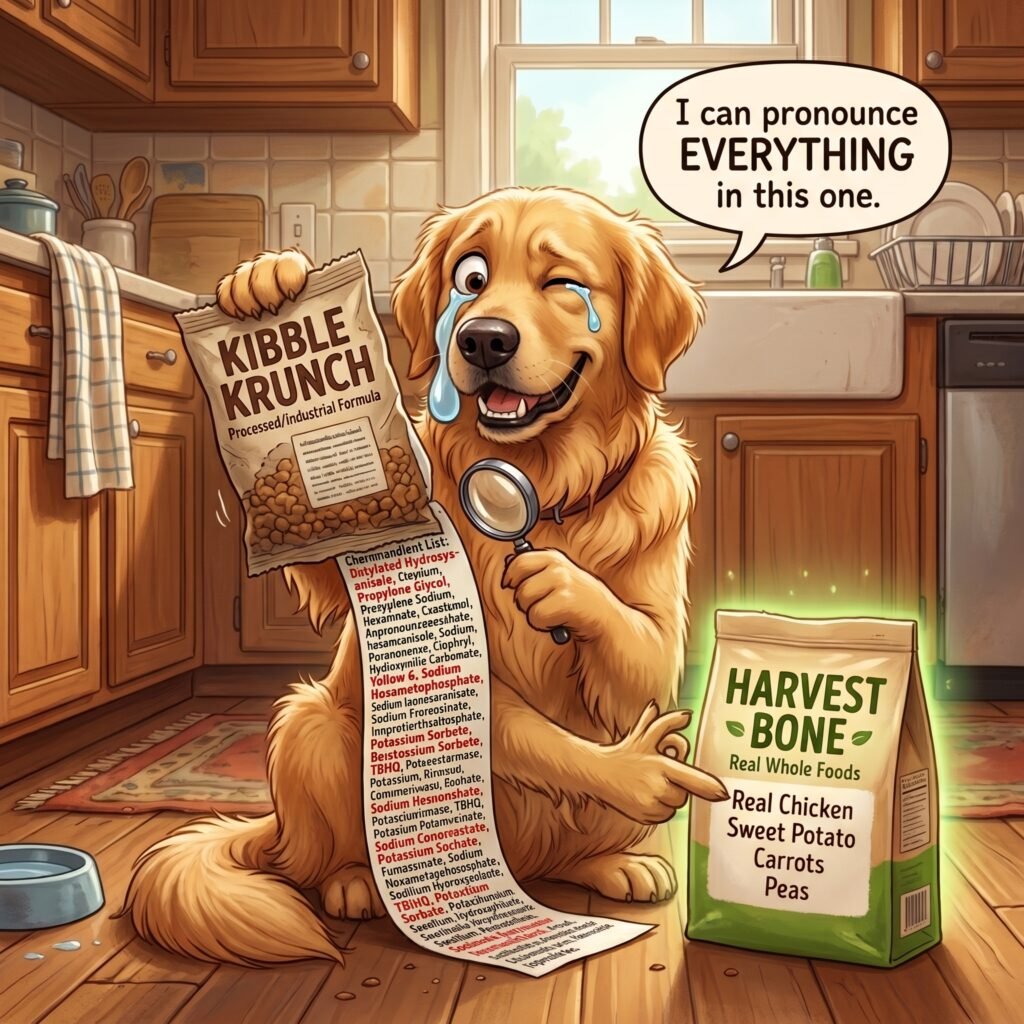
Is your dog truly thriving — or just surviving? There’s a difference, and what goes into their bowl every single day is the deciding factor.
Over the past decade, millions of pet owners have made the switch to canine natural food, and the results speak for themselves: shinier coats, healthier weight, better digestion, more energy, and longer lives. Yet with so many options on the market — kibble, raw, freeze-dried, grain-free, holistic blends — figuring out where to start feels overwhelming.
This guide cuts through the noise. Whether you’re exploring canine naturals dog food brands for the first time or looking to deepen your understanding of holistic natural canine dog food, you’ll walk away with everything you need to make the best choice for your four-legged family member.
Let’s dig in.
Table of Contents
- What Is Canine Natural Food?
- Why Natural Food Matters: The Science Behind the Bowl
- Canine Natural Dog Food vs. Conventional Kibble: A Head-to-Head Comparison
- Types of Natural Canine Dog Food
- How to Read a Dog Food Label Like a Pro
- Top Ingredients to Look For in Holistic Natural Canine Dog Food
- Ingredients to Avoid at All Costs
- How to Transition Your Dog to Natural Food Safely
- Natural Food for Dogs by Life Stage
- Common Myths About Canine Natural Food — Debunked
- How to Choose the Right Natural Canine Dog Food Brand
- Frequently Asked Questions
- Conclusion
1. What Is Canine Natural Food?
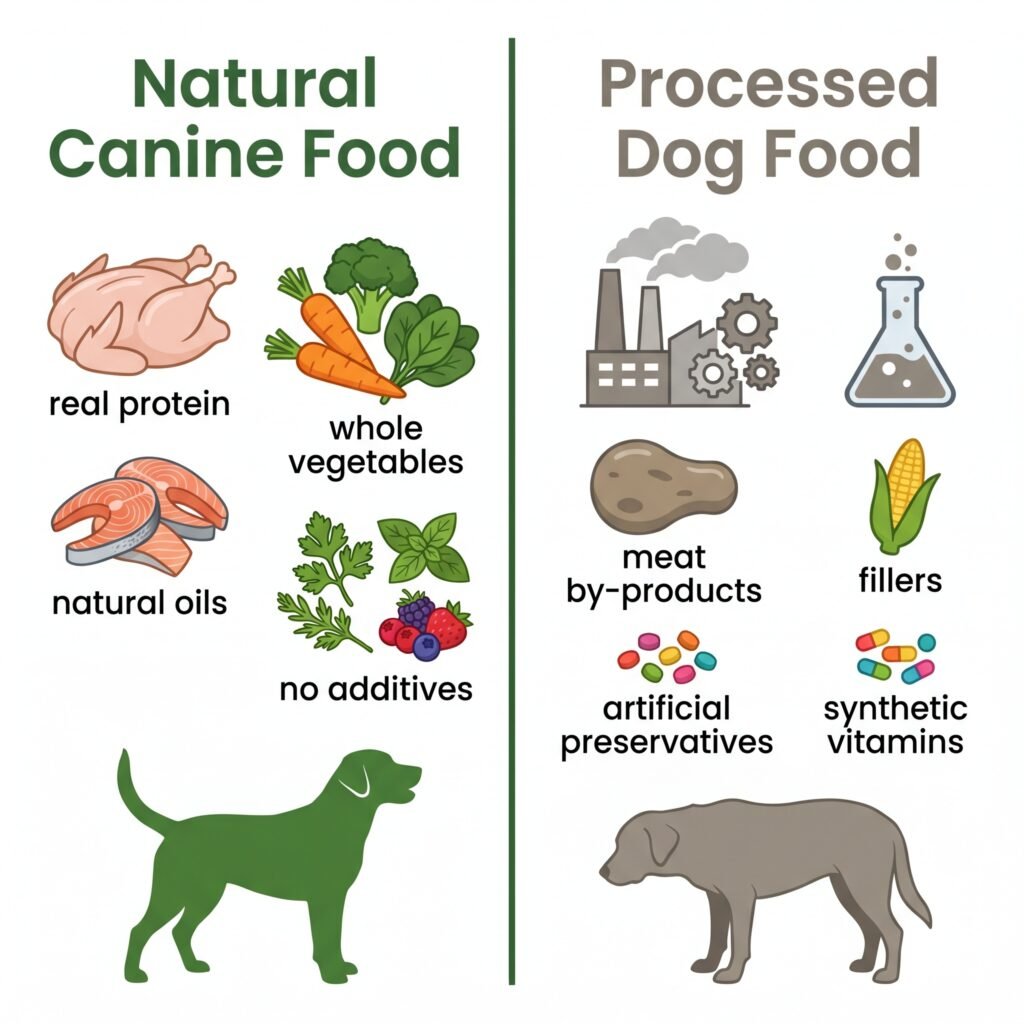
Canine natural food refers to dog diets made from minimally processed, whole-food ingredients that closely mirror what dogs would eat in the wild or in ancestral environments. These foods are free from artificial preservatives, synthetic colors, chemical flavor enhancers, and fillers like corn syrup, meat by-products of unknown origin, and rendered animal digest.
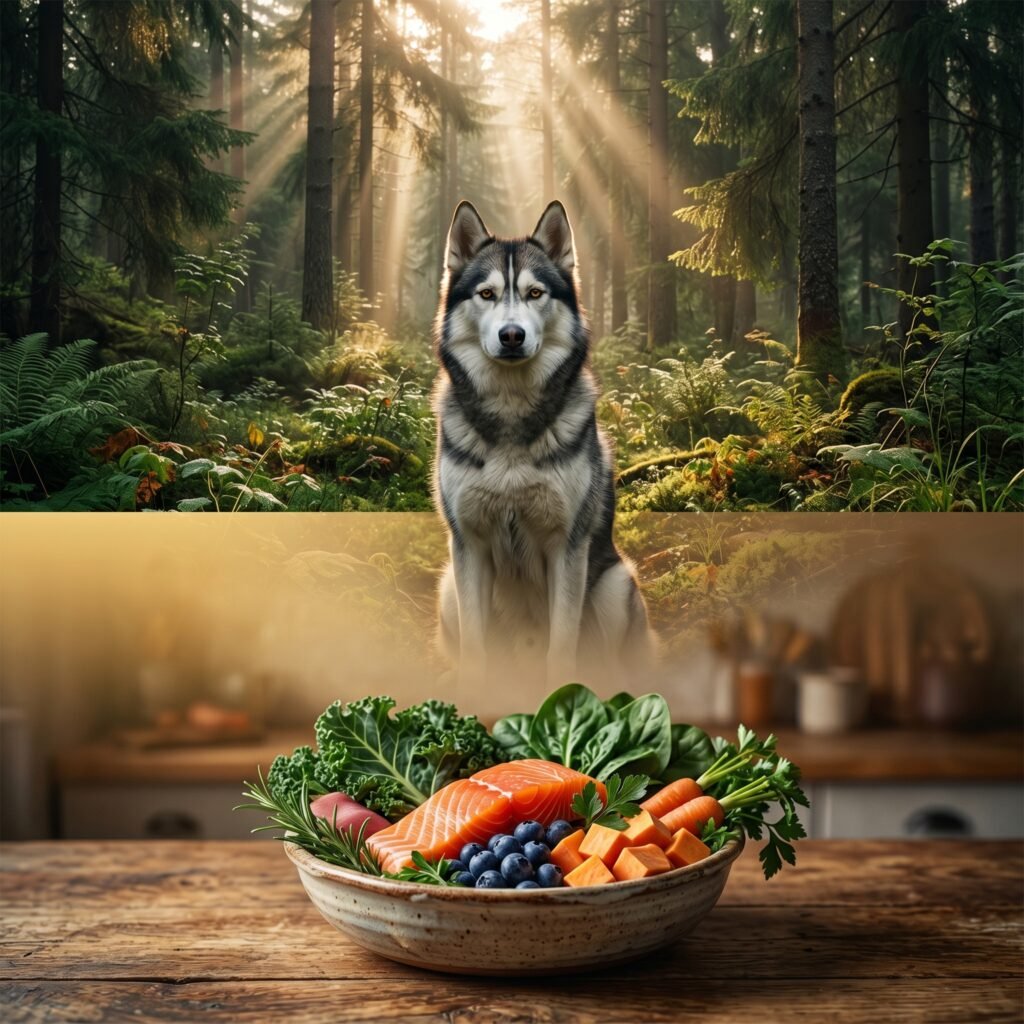
The concept isn’t a trend — it’s a return to basics. Dogs evolved over thousands of years eating real meat, organs, bones, seasonal vegetables, and occasional fruits. The ultra-processed pet food industry only emerged in the mid-20th century, and with it came a sharp rise in canine obesity, diabetes, allergies, and chronic disease.
Natural canine dog food aims to reverse this by putting real, recognizable nutrition back in the bowl.
What Makes a Dog Food “Natural”?
According to the Association of American Feed Control Officials (AAFCO), a natural pet food is one derived solely from plant, animal, or mined sources — either in an unprocessed state or having been subject only to physical processing, heat processing, rendering, purification, extraction, hydrolysis, enzymolysis, or fermentation.
In plain language: if you can picture where the ingredient came from — a chicken, a sweet potato, a blueberry — it’s natural. If it reads like a chemistry equation on the label, it’s not.
2. Why Natural Food Matters: The Science Behind the Bowl
Feeding your dog well isn’t just about love — it’s about biology. Dogs are facultative carnivores, meaning their digestive system is designed primarily around animal protein, with a limited ability to process grains and starches compared to humans.
Gut Health and Immunity
The gut is often called the “second brain,” and this is just as true for dogs as it is for people. A diet rich in natural proteins, healthy fats, and fiber-rich vegetables promotes a balanced microbiome — the community of beneficial bacteria living in your dog’s digestive tract.
A healthy microbiome means:
- Stronger immune response
- Reduced inflammation
- Better nutrient absorption
- Less gas, bloating, and diarrhea
Highly processed kibble, packed with starchy fillers, can disrupt this balance, feeding harmful bacteria while starving the beneficial ones.
Coat, Skin, and Joint Health
Omega-3 and Omega-6 fatty acids — found naturally in fish, flaxseed, and chicken fat — are essential for a glossy coat, supple skin, and healthy joints. Dogs eating holistic natural canine dog food regularly show measurable improvements in coat texture within just 4–8 weeks of dietary change.
Glucosamine and chondroitin, found naturally in cartilage and bone broth, support joint integrity — especially important for large breeds and senior dogs prone to arthritis.
Longevity
A landmark 2002 Purina study followed 48 Labrador Retrievers over their lifetimes and found that lean-fed dogs lived nearly two years longer on average than their overweight counterparts. More recent research consistently shows that diet quality — not just quantity — is a primary driver of longevity in dogs.
3. Canine Natural Dog Food vs. Conventional Kibble: A Head-to-Head Comparison
| Feature | Canine Natural Dog Food | Conventional Kibble |
|---|---|---|
| Protein source | Real, named meat (chicken, beef, salmon) | Meat by-products, meat meal |
| Processing level | Minimal | Highly processed (extruded at high heat) |
| Preservatives | Natural (tocopherols, rosemary extract) | Artificial (BHA, BHT, ethoxyquin) |
| Fillers | None or minimal | Corn, wheat, soy, corn syrup |
| Digestibility | High | Lower (especially starch-heavy formulas) |
| Cost | Higher upfront | Lower upfront |
| Long-term health outcomes | Better | More variable |
The upfront cost difference is real — but so is the long-term savings on vet bills. Chronic health issues like skin allergies, ear infections, obesity, and digestive disorders are far more common in dogs eating low-quality conventional diets.
4. Types of Natural Canine Dog Food
There’s no single “best” format for natural dog food. Different options suit different dogs, lifestyles, and budgets. Here’s a breakdown of the main types:
Raw Food Diets (BARF and Prey Model)
Raw feeding has two main philosophies:
- BARF (Biologically Appropriate Raw Food): Includes raw meat, raw meaty bones, organ meat, vegetables, and fruits — roughly mimicking what a dog might eat in the wild.
- Prey Model Raw (PMR): Focuses more strictly on animal-based foods — approximately 80% muscle meat, 10% bone, 10% organ — with little to no plant material.
Pros: Highly digestible, minimal processing, mirrors ancestral diet. Cons: Risk of bacterial contamination (Salmonella, E. coli) if not handled correctly; requires careful nutritional balancing.
Freeze-Dried and Dehydrated Natural Dog Food
These formats remove moisture from raw or gently cooked ingredients, preserving nutrition without artificial preservatives. They’re convenient, shelf-stable, and highly palatable.
Many canine naturals dog food brands offer freeze-dried options that can be fed as-is or rehydrated with warm water for a more food-like texture.
Pros: Nutritionally dense, lightweight, easy to store, great for travel. Cons: Expensive per serving; needs rehydration for optimal digestion.
Gently Cooked Natural Dog Food
Fresh-cooked dog food — typically delivered frozen or refrigerated — is made from human-grade ingredients cooked at low temperatures to preserve nutrients. Think of it as homemade dog food, made by professionals.
Brands in this space formulate meals with the guidance of board-certified veterinary nutritionists to ensure complete and balanced nutrition.
Pros: Highly palatable, easy to digest, human-grade quality. Cons: Requires refrigeration; higher cost; shorter shelf life.
High-Quality Natural Kibble
Not all kibble is created equal. Premium natural canine dog food brands produce dry kibble using real, named protein sources, limited fillers, and natural preservation methods.
Look for kibble that is cold-pressed or baked rather than extruded at extreme temperatures, as this preserves more of the natural nutrients in the ingredients.
Pros: Convenient, shelf-stable, cost-effective, widely available. Cons: Still more processed than raw or fresh; heat processing reduces some nutrient bioavailability.
Wet and Canned Natural Dog Food
High-quality canned food uses real meats and vegetables in a high-moisture format — great for dogs with dental issues, senior dogs, or picky eaters. Look for options with a named protein as the first ingredient and no artificial additives.
5. How to Read a Dog Food Label Like a Pro
The ingredient list on a dog food bag is legally required to list ingredients in descending order by weight. But there are tricks manufacturers use to make lower-quality foods look better — called “ingredient splitting.”
Ingredient Splitting: The Hidden Trick
A company might list “chicken,” “brown rice,” “white rice,” and “rice flour” separately on a label. Individually, each rice ingredient appears lower on the list than chicken. But if you combined all three, rice would outweigh the chicken — making it the dominant ingredient.
When evaluating natural canine dog food, check whether multiple forms of grains, fillers, or starches appear repeatedly. If so, the protein content may be lower than it appears.
What to Look For
- Named protein in the #1 spot: “Chicken,” “Beef,” “Salmon” — not “Poultry” or “Meat”
- Named fat source: “Chicken fat,” not just “animal fat”
- Whole vegetables and fruits: Sweet potato, peas, blueberries, carrots
- Natural preservatives: Mixed tocopherols (Vitamin E), rosemary extract
- AAFCO statement: Confirms the food is complete and balanced for your dog’s life stage
What to Avoid
- Generic “meat meal” or “animal by-products”
- Artificial colors (Red 40, Yellow 5, Blue 2)
- BHA, BHT, or ethoxyquin (synthetic preservatives)
- Corn syrup or sweeteners
- Excessive salt
6. Top Ingredients to Look For in Holistic Natural Canine Dog Food
Holistic natural canine dog food isn’t just about what’s excluded — it’s about the quality and synergy of what’s included. The best formulas treat the dog as a whole organism, not just a stomach to fill.
Premium Protein Sources
- Deboned chicken or turkey: Lean, highly digestible, complete amino acid profile
- Wild-caught salmon or sardines: Rich in Omega-3s, supports brain and joint health
- Grass-fed beef: Higher in CLA and Omega-3s compared to grain-fed beef
- Duck or venison: Excellent for dogs with chicken or beef allergies
Healthy Fats
- Salmon oil: The gold standard for Omega-3 fatty acids (EPA and DHA)
- Coconut oil: Contains lauric acid with antimicrobial properties
- Chicken fat: Provides Omega-6s essential for skin and coat health
Functional Vegetables and Fruits
- Sweet potato: Digestible carbohydrate, rich in beta-carotene and fiber
- Pumpkin: Excellent for digestive health; soluble fiber regulates bowel movements
- Blueberries: Packed with antioxidants that support brain and immune health
- Spinach and kale: Iron, calcium, and vitamins A, C, and K
- Carrots: Beta-carotene, fiber, and natural dental benefits
Superfoods and Functional Additions
Top holistic natural canine dog food brands often include:
- Turmeric: Anti-inflammatory properties
- Kelp: Natural iodine source supporting thyroid function
- Probiotics and prebiotics: Lactobacillus acidophilus, chicory root
- Bone broth: Collagen, glucosamine, and chondroitin for joints

7. Ingredients to Avoid at All Costs
Some ingredients have no place in quality canine natural food:
- Meat by-products: Undefined and potentially low-quality animal parts
- Corn, wheat, and soy: Common allergens; high glycemic index; often used as cheap protein boosters
- Propylene glycol: Keeps semi-moist foods soft but is toxic to cats and potentially harmful to dogs
- Artificial flavors: Mask the taste of poor-quality ingredients
- Carrageenan: A seaweed-derived thickener linked to gut inflammation in some studies
- Excessive salt: Can contribute to high blood pressure and kidney strain over time
8. How to Transition Your Dog to Natural Food Safely
Switching your dog’s food too quickly is a recipe for digestive upset — even when switching to better food. A dog’s microbiome needs time to adapt to new protein sources and nutrient profiles.
The 7-Day Transition Plan
| Day | Old Food | New Food |
|---|---|---|
| 1–2 | 75% | 25% |
| 3–4 | 50% | 50% |
| 5–6 | 25% | 75% |
| 7 | 0% | 100% |
Tips for a smooth transition:
- Add a digestive enzyme supplement during the transition period
- Include a probiotic (plain unsweetened kefir or a canine probiotic supplement)
- Watch for signs of intolerance: vomiting, loose stool, excessive gas, skin breakouts
- If symptoms appear, slow down the transition and consult your vet
Some dogs — especially those with sensitive stomachs or a history of digestive issues — may need a longer, 2–3 week transition.
9. Natural Food for Dogs by Life Stage
Nutritional needs change dramatically across a dog’s life. The best natural canine dog food formulas are life-stage appropriate.
Puppies (0–12 months, or up to 24 months for large breeds)
Puppies need more protein, fat, calcium, and phosphorus than adult dogs to support rapid growth and development. Look for formulas labeled “for puppies” or “for all life stages.”
Key nutrients: DHA (from fish oil) for brain development, calcium-to-phosphorus ratio of approximately 1.2:1, high-quality animal protein.
Caution: Feeding large-breed puppies an adult food designed for small breeds — or vice versa — can cause developmental issues. Size-specific formulas matter.
Adult Dogs (1–7 years)
Adult dogs need a balanced, maintenance-level diet that supports an active lifestyle without promoting weight gain. Protein should still be the primary macronutrient (at least 18–22% on a dry matter basis for most breeds).
Senior Dogs (7+ years)
Older dogs often benefit from:
- Higher protein: Contrary to old advice, senior dogs typically need more protein, not less, to maintain muscle mass
- Joint support: Glucosamine, chondroitin, and Omega-3s
- Reduced calories: To prevent obesity as activity levels decline
- Easily digestible formats: Wet food or rehydrated freeze-dried can be easier on aging digestive systems
10. Common Myths About Canine Natural Food — Debunked
Myth #1: “Raw food will make my dog aggressive.”
False. A dog’s temperament is shaped by genetics, socialization, and training — not diet. There is no scientific evidence linking raw food to aggression.
Myth #2: “Natural dog food isn’t nutritionally complete.”
Only if it’s not properly formulated. High-quality commercial canine naturals dog food products are formulated to meet AAFCO nutritional standards. DIY raw diets without professional guidance can be deficient — but that’s a formulation problem, not a natural food problem.
Myth #3: “Grain-free means natural and healthy.”
Not necessarily. Many grain-free foods replace grains with high-glycemic legumes like peas, lentils, and chickpeas — which were briefly linked to dilated cardiomyopathy (DCM) in dogs by the FDA in 2018. The science remains inconclusive, but the takeaway is: “grain-free” is not automatically better. Focus on overall ingredient quality, not a single attribute.
Myth #4: “Dogs are omnivores and can thrive on plant-based diets.”
While dogs can digest some plant material better than wolves, they are not true omnivores like humans. They have specific requirements for animal-based amino acids (like taurine and L-carnitine) and nutrients best obtained from animal sources. Vegan diets for dogs require very careful nutritional supplementation and veterinary oversight.
Myth #5: “Natural food is just a marketing gimmick.”
There’s certainly marketing spin in the pet food industry — but the underlying science supporting minimally processed, whole-food diets is solid. The difference between a dog eating real chicken and one eating “chicken by-product meal” is measurable and significant.
11. How to Choose the Right Natural Canine Dog Food Brand
With hundreds of brands claiming to be “natural,” “holistic,” or “premium,” here’s a practical checklist to evaluate any product:
The 7-Point Brand Evaluation Checklist
- Named protein as the first ingredient — Always.
- AAFCO complete and balanced statement — Non-negotiable for daily feeding.
- Transparent sourcing — Can you identify where the protein and vegetables come from?
- No artificial preservatives, colors, or flavors — Check every label.
- Formulated by a veterinary nutritionist — Look for this on the brand’s website.
- Positive safety record — Check the FDA’s pet food recall database before committing.
- Feeding trials conducted — Brands that perform AAFCO feeding trials (not just nutritional analysis) provide stronger evidence of real-world performance.
(Internal linking suggestion: Link to a detailed brand comparison article here — e.g., “Best Canine Naturals Dog Food Brands of [Year]: Our Top Picks Reviewed”)
Reputable Voices to Consult
- Board-certified veterinary nutritionists (DACVN) — The gold standard for dog nutrition advice
- The Association of American Feed Control Officials (AAFCO) — Sets minimum nutritional standards
- Tufts University Cummings Veterinary Medical Center — Publishes the “Your Dog” newsletter with evidence-based nutrition guidance
- World Small Animal Veterinary Association (WSAVA) — Provides global dog food manufacturer assessment guidelines
12. Frequently Asked Questions
Q1: Is canine natural food safe for all dogs?
For the vast majority of dogs, yes. However, dogs with specific medical conditions — kidney disease, pancreatitis, food allergies, or certain metabolic disorders — may have special dietary requirements. Always consult your veterinarian before making a significant dietary change, especially if your dog has an existing health condition.
Q2: How much does natural canine dog food cost compared to regular food?
On average, high-quality natural canine dog food costs 20–80% more per day than standard kibble. For a medium-sized dog (30 lbs), this might mean spending $2–$5/day on premium natural food versus $0.75–$1.50/day on conventional kibble. However, many pet owners report significant reductions in vet bills — particularly for allergy treatment, dental cleanings, and chronic condition management — that offset the cost over time.
Q3: Can I make canine natural food at home?
Yes, but it requires significant knowledge and planning. Homemade dog food diets are frequently found to be nutritionally deficient when analyzed — even those made with the best intentions. If you want to cook for your dog, work with a board-certified veterinary nutritionist to create a balanced recipe. Websites like BalanceIT.com allow you to build custom recipes with veterinary guidance.
Q4: What’s the difference between “natural” and “organic” dog food?
- Natural (per AAFCO): No artificial flavors, colors, or preservatives; ingredients derived from natural sources.
- Organic (per USDA): Ingredients grown or raised without synthetic pesticides, hormones, or antibiotics; requires USDA Organic certification.
Organic is a higher standard, but not all organic ingredients are necessarily more nutritious. A food can be natural without being organic, and organic without meeting AAFCO natural standards. Both labels, when legitimate, indicate higher-quality sourcing.
Q5: How do I know if natural food is working for my dog?
Look for these positive signs within 4–8 weeks:
- Coat: Shinier, less shedding, softer texture
- Energy: More consistent energy levels throughout the day
- Digestion: Smaller, firmer, less odorous stools (a sign of better nutrient absorption)
- Weight: Healthy, stable weight without excess body fat
- Skin: Reduced itching, flaking, or redness
- Breath: Improved breath and overall dental health (especially with raw diets)
- Mood: Many owners report dogs seem happier and more alert after switching
Q6: Are canine naturals dog food products better than homemade raw diets?
Not inherently better or worse — it depends on formulation. Commercial canine naturals dog food products from reputable brands are formulated to meet complete nutritional standards and are tested for safety. Homemade raw diets can be superior if properly designed by a veterinary nutritionist, but carry higher risk of nutritional imbalance and bacterial contamination if done incorrectly. For most busy pet owners, a high-quality commercial natural food product is the more practical and reliable choice.
Q7: Is grain-free the same as natural canine dog food?
No. Grain-free simply means a food does not contain grains like wheat, corn, or rice — but a grain-free food can still be loaded with artificial preservatives, poor-quality protein, and fillers. Conversely, some excellent natural canine dog food formulas include whole grains like oatmeal, brown rice, or barley, which provide beneficial fiber and nutrients. Evaluate the full ingredient list, not just one attribute.
Conclusion: Real Food for Real Health
Your dog can’t choose what goes in their bowl — that responsibility falls entirely to you. And the research is increasingly clear: the quality of what your dog eats every day shapes their health, happiness, and how many years you get to share together.
Canine natural food isn’t a luxury. It’s a return to the kind of nutrition dogs evolved to thrive on — real proteins, whole vegetables, healthy fats, and zero artificial junk.
Here’s a quick summary of what we covered:
- Natural dog food uses whole, minimally processed ingredients free from artificial additives
- Dogs benefit measurably in coat quality, digestion, immunity, energy, and longevity when eating higher-quality food
- The main types of natural dog food include raw, freeze-dried, gently cooked, premium kibble, and canned
- Read labels carefully — named proteins, AAFCO compliance, and natural preservatives are your key markers
- Transition slowly over 7–14 days to avoid digestive upset
- Life stage matters — puppy, adult, and senior dogs have meaningfully different nutritional needs
- When choosing a holistic natural canine dog food brand, prioritize transparency, veterinary formulation, and a clean safety record
(Internal linking suggestion: “Best Natural Dog Food Brands: Our Top 10 Picks for 2025” | “Raw vs. Kibble: Which Is Right for Your Dog?” | “Complete Guide to Reading Dog Food Labels”)
The switch to natural canine dog food might take a little research and a slightly bigger budget — but the payoff is a healthier, happier dog by your side for as long as possible. And that’s worth everything.
Disclaimer: This article is intended for informational purposes only and does not constitute veterinary advice. Always consult a licensed veterinarian or board-certified veterinary nutritionist before making significant changes to your dog’s diet, especially if your dog has existing health conditions.