Dog Food for Acid Reflux – Top Vet-Recommended Options
Is your dog vomiting bile or gulping after meals? The right dog food for acid reflux can stop symptoms fast. See vet-recommended low-fat, gentle recipes that actually work.
Dog Food for Acid Reflux: Complete 2026 Vet-Backed Guide & Top Brands Reviewed
Watching your dog struggle after a meal — hunching over, gulping repeatedly, licking the air, or vomiting bile — is one of the more distressing experiences a pet owner faces. If your dog is exhibiting these symptoms regularly, acid reflux may be the cause, and choosing the right dog food for acid reflux is one of the most powerful steps you can take to reduce their discomfort and improve their quality of life. According to the Veterinary Information Network, gastroesophageal reflux disease (GERD) affects between 1% and 7% of dogs, and veterinary research from UC Davis identifies dietary modification as one of the most effective management strategies available — often more impactful than medication alone.
nderstanding Acid Reflux in Dogs: Causes and Symptoms
Before selecting the right dog food for acid reflux, understanding what acid reflux actually is helps explain why certain nutritional approaches work and others don’t. Acid reflux — medically referred to as gastroesophageal reflux (GER) or, in more chronic cases, GERD — occurs when stomach acid leaks backward through the lower esophageal sphincter into the esophagus. The esophageal lining is not protected from acid the way the stomach lining is, making this backward flow genuinely painful and potentially damaging over time.
Common Causes of Acid Reflux in Dogs
The most frequently identified causes of acid reflux — all relevant when selecting the appropriate dog food for acid reflux — include:
- High-fat diets: Fat delays gastric emptying, meaning food sits in the stomach longer and produces more acid. This is the single most important dietary trigger for acid reflux and the primary reason low-fat formulation is the cornerstone of every quality dog food for acid reflux
- Large, infrequent meals: A full stomach puts pressure on the lower esophageal sphincter, making acid reflux more likely. Large portions are a significant trigger regardless of how good the food itself is
- Obesity: Excess body weight increases intra-abdominal pressure and directly elevates reflux risk
- Hiatal hernia: A structural abnormality where part of the stomach pushes through the diaphragm — requires surgical management alongside dietary adjustment
- Anesthesia: General anesthesia relaxes the lower esophageal sphincter and is a common trigger for acute reflux episodes, particularly in puppies and older dogs
- Certain medications: Some anti-inflammatory drugs and other medications can compromise the stomach lining and increase acid production
- Food sensitivities and allergies: Chronic gastrointestinal inflammation from dietary allergens can worsen reflux by disrupting normal motility and acid production patterns
Recognizing Acid Reflux Symptoms in Dogs
The symptoms that should prompt you to consider dog food for acid reflux as part of a management strategy include:
- Frequent regurgitation of undigested food — often without the nausea signs that precede true vomiting
- Vomiting yellow or foamy bile — especially on an empty stomach or early morning
- Excessive swallowing, lip licking, or gulping after meals
- Burping, gagging, or coughing — particularly after eating
- Reluctance to eat, especially after experiencing discomfort
- Excessive drooling as a response to esophageal irritation
- Grass eating as a self-soothing behavior
If chronic and untreated, acid reflux can lead to esophagitis — inflammation and damage to the esophageal lining — which significantly worsens discomfort and can cause complications requiring more intensive veterinary intervention. Starting the right dog food for acid reflux early is meaningfully more effective than waiting until esophageal damage has already accumulated.
The Core Nutritional Principles Behind Dog Food for Acid Reflux
The Merck Veterinary Manual recommends soft food that is low in fat for dogs with esophagitis and reflux — a guideline that underpins every evidence-based recommendation about dog food for acid reflux. Here are the five nutritional principles that should guide every formula evaluation:
Principle 1: Low Fat Content Is Non-Negotiable
Fat is the most powerful dietary trigger for acid reflux in dogs. High dietary fat delays the rate at which the stomach empties — meaning a high-fat meal sits in the stomach longer, stimulates more acid production, and puts prolonged pressure on the lower esophageal sphincter. The best dog food for acid reflux consistently delivers a crude fat content below 15% on a dry matter basis, with many veterinary-recommended formulas targeting 8% to 12% fat. This is the feature that separates genuinely therapeutic dog food for acid reflux from foods that merely market themselves as “sensitive stomach” options without addressing fat content specifically.
Principle 2: Highly Digestible Proteins Reduce Stomach Work
The lower the demand on the stomach to break down proteins, the fewer acid secretions are required and the faster the stomach empties — both of which reduce reflux risk. The best dog food for acid reflux uses highly digestible, easily processed protein sources: white-meat chicken breast, turkey, white fish, or eggs. Poorly digestible protein sources — heavily processed meat meals, generic by-products, or high-fiber plant proteins — increase stomach workload and should be avoided in formulas targeted at reflux management.
Principle 3: High Moisture Content Buffers Stomach Acid
Darwin’s Pet notes that moisture-rich fresh food helps buffer stomach acid naturally — a physiological advantage that makes wet food, fresh food, or gently cooked formats meaningfully superior to dry kibble as dog food for acid reflux. Wet food’s high moisture content dilutes gastric acid concentration and promotes faster gastric emptying compared to dry kibble. The Spot & Tango nutritional team specifically states that dry kibble can make reflux worse due to its low moisture content, and that dogs with reflux often benefit significantly from fresh or gently cooked formats that are easier on an irritated stomach lining.
Principle 4: Added Fiber Supports Gut Motility
Dietary fiber in the right amounts supports healthy gastrointestinal motility — ensuring food moves efficiently through the digestive tract rather than sitting in the stomach and generating prolonged acid exposure. Moderate soluble fiber from sources like pumpkin, sweet potato, and oatmeal makes the best dog food for acid reflux gentler on the digestive tract without the excessive fiber loading that can itself cause digestive irritation.
Principle 5: Probiotics and Prebiotics Support Microbiome Balance
Research published in Veterinary Record confirms that dietary supplementation with probiotics and prebiotics is a recognized strategy for modifying the gut microbiome and promoting host digestive health. The best dog food for acid reflux includes quality probiotic strains — Lactobacillus acidophilus, Bifidobacterium animalis — alongside prebiotic fiber sources that feed beneficial gut bacteria and support the consistent, efficient gastric motility that reduces acid reflux episodes.
Best Dog Food for Acid Reflux: Top Brands and Formulas for 2026
The following formulas represent the most consistently recommended and independently verified options for dog food for dogs with acid reflux in 2026, covering prescription, commercial, and fresh food categories:
1. Hill’s Prescription Diet i/d Low Fat — Best Overall Prescription Option
iHeartDogs names Hill’s Prescription Diet i/d Low Fat as their top recommendation for dog food for acid reflux with veterinary backing. Available in both wet and dry formats, this prescription formula is specifically designed for gastrointestinal support with low fat content, highly digestible proteins, clinically proven antioxidants, prebiotic fiber, and the addition of omega-3 and omega-6 fatty acids alongside ginger — a natural digestive support ingredient with documented anti-nausea properties. The formula is developed by Hill’s nutritionists and veterinarians, and clinical studies support its ability to calm and soothe the digestive tract. This is the most evidence-backed dog food for acid reflux option available, though a veterinary prescription is required for purchase.
2. Purina Pro Plan Sensitive Skin & Stomach (Salmon & Rice) — Best Commercial Kibble
AllThingsDogs.com consistently names Purina Pro Plan Sensitive Skin & Stomach as their top overall pick for dog food for acid reflux among mainstream commercial options — and the veterinary endorsement behind Purina Pro Plan’s research-based formulation adds meaningful credibility to this recommendation. Real salmon leads the ingredient panel, providing easily digestible high-quality protein alongside natural omega-3 fatty acids that help soothe inflamed digestive tracts. The rice base provides gentle, easily processed carbohydrate energy with a low gastric irritation profile. The formula includes a probiotic culture for digestive microbiome support and is available without a prescription through all major retailers.
3. Natural Balance L.I.D. Lamb & Brown Rice — Best for Acid Reflux with Food Allergies
For dogs whose acid reflux is complicated or worsened by food sensitivities — a common co-occurring problem — WoofWhiskers specifically recommends the Natural Balance Limited Ingredient Diet Lamb & Brown Rice as the best low fat dog food for acid reflux combined with allergy management. Lamb as a novel protein reduces immune-driven gut inflammation that can worsen reflux. The limited ingredient structure eliminates multiple potential allergen exposures simultaneously. Brown rice provides gentle dietary fiber and digestible carbohydrate energy. The “Feed with Confidence” batch testing program provides additional quality assurance for allergy-sensitive households.
4. Blue Buffalo Basics Limited Ingredient Turkey & Potato — Best Grain-Free Commercial Option
For dogs that benefit from both grain-free formulation and limited ingredient profiles, DogFoodSpecialist specifically recommends the Blue Buffalo Basics Turkey & Potato formula as a quality dog food for acid reflux option — featuring single-animal protein from deboned turkey, easily digestible potato carbohydrate, pumpkin for fiber and gut motility support, and Blue Buffalo’s proprietary LifeSource Bits antioxidant blend. The formula excludes chicken, beef, corn, wheat, soy, dairy, and eggs — one of the most comprehensive common allergen exclusion profiles in any mainstream commercial formula.
5. Spot & Tango UnKibble Turkey & Sweet Potato — Best Fresh/Dehydrated Option
The Spot & Tango nutritional team specifically recommends their fresh, gently processed recipes as superior dog food for acid reflux compared to conventional dry kibble. The Turkey & Sweet Potato UnKibble formula delivers real turkey as the primary protein, sweet potato for fiber and digestive gentleness, and a whole-food ingredient profile free from artificial additives and excessive fat. The low-temperature Fresh Dry™ processing preserves natural moisture content better than conventional extrusion — addressing the moisture deficit that makes standard kibble a problematic choice for reflux-prone dogs.
6. Purina Pro Plan Veterinary Diets EN Gastroenteric — Best Veterinary Prescription for Severe Cases
For dogs with more severe or chronic acid reflux and gastrointestinal inflammation, the Purina Pro Plan Veterinary Diets EN Gastroenteric formula provides a prescription-grade dog food for acid reflux with highly digestible protein, controlled fat, prebiotic fiber, and an electrolyte balance specifically calibrated for dogs with active gastrointestinal disease. This formula requires veterinary authorization and is particularly appropriate for dogs whose acid reflux is accompanied by diagnosed gastroenteritis or IBD.
7. Canidae PURE Goodness Wet Food (Salmon & Sweet Potato) — Best Wet Food Commercial Option
WoofWhiskers recommends Canidae PURE Goodness Wet Food as an excellent wet format dog food for acid reflux — featuring real salmon for high-quality digestible protein, sweet potato as a gentle digestible carbohydrate source, and a limited ingredient panel free from corn, wheat, soy, and artificial additives. The wet food format’s inherently high moisture content provides the acid-buffering benefit that makes it preferable to dry kibble for reflux management.
Ingredients to Avoid in Dog Food for Acid Reflux
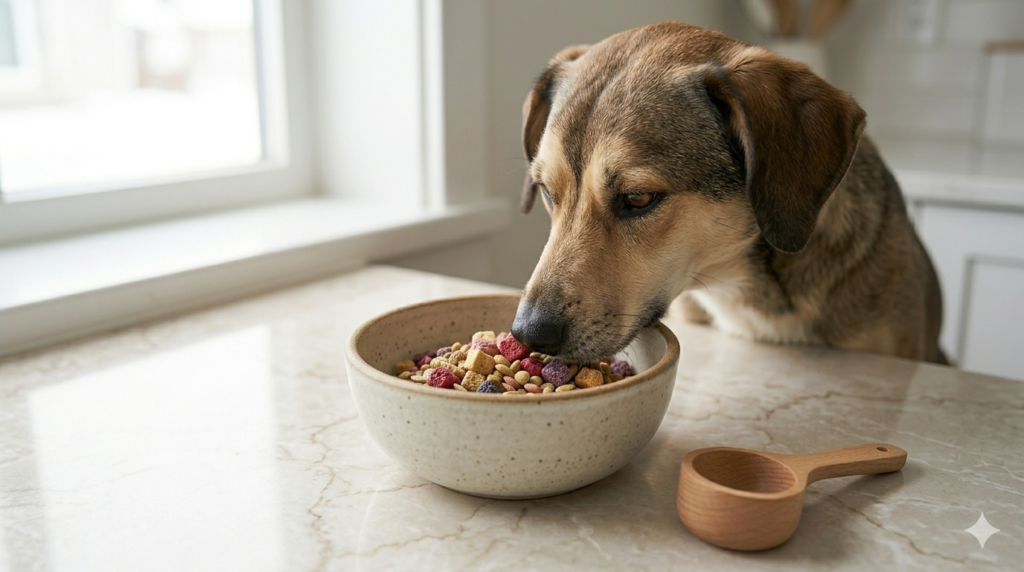
Knowing what to exclude from your dog’s diet is as important as knowing what to include. The following ingredients should be avoided in any dog food for acid reflux management plan:
- High-fat ingredients: Chicken fat, beef tallow, or animal fat listed high in the ingredient panel — these are the primary dietary acid reflux trigger and have no place in dog food for acid reflux formulas
- By-product meals and heavily processed proteins: Generic “meat meal,” “poultry meal,” or “animal by-product” — less digestible than whole named proteins, requiring more gastric work and acid production
- Corn, wheat, and soy: Potential allergens that can worsen gut inflammation in sensitive dogs, compounding reflux symptoms
- Artificial preservatives and colors: BHA, BHT, ethoxyquin, and synthetic dyes — gut irritants that increase inflammatory burden on an already compromised digestive system
- High-fiber insoluble sources in large quantities: While moderate fiber is helpful, excessive insoluble fiber can slow gastric motility — counterproductive in reflux management
- Table scraps and fatty human food: Even occasional fatty table scraps can trigger significant reflux episodes in sensitive dogs. All supplementary feeding should be from approved low-fat sources
- Citric acid: Used as a preservative in some pet foods and potentially problematic for gas-prone and reflux-susceptible dogs — Hepper specifically flags this ingredient in the context of digestive sensitivity
Feeding Schedule Changes That Reduce Acid Reflux Symptoms
Even the best dog food for acid reflux will not reach its full potential without the right feeding schedule. Research from UC Davis specifically identifies feeding smaller meals more frequently — rather than larger meals once or twice daily — alongside reduced-fat diets as among the most important strategies for managing acid reflux in dogs. Here is a practical feeding protocol to implement alongside any quality dog food for acid reflux:
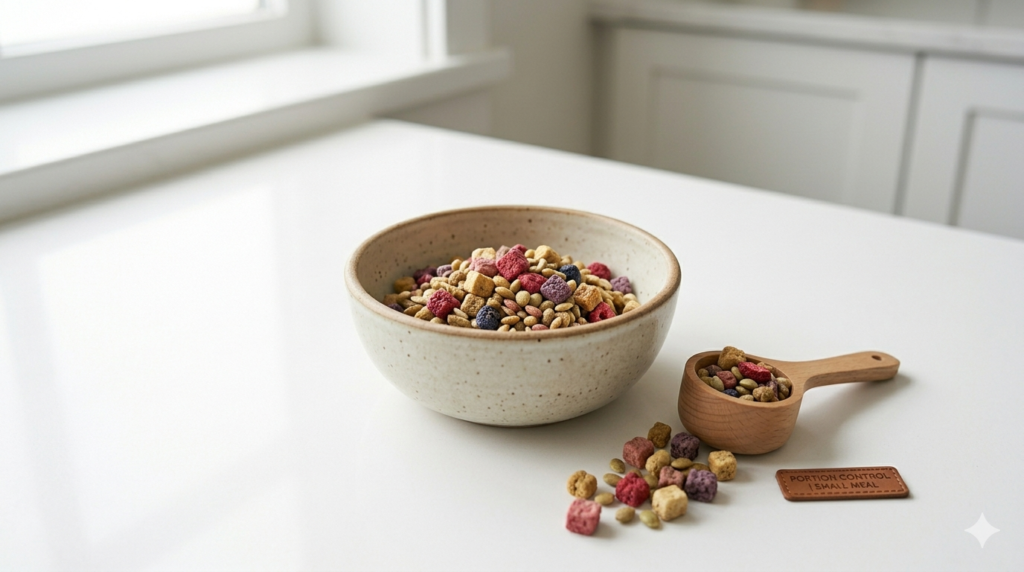
- Switch to 3 to 4 small meals daily: Divide your dog’s total daily food allowance into three or four equal portions rather than two large meals. Smaller stomach volume means less pressure on the lower esophageal sphincter and faster gastric emptying — both directly reducing reflux frequency
- Never feed immediately before or after exercise: Physical activity after eating increases intra-abdominal pressure and significantly elevates reflux risk. Allow at least 30 to 45 minutes between meals and vigorous activity
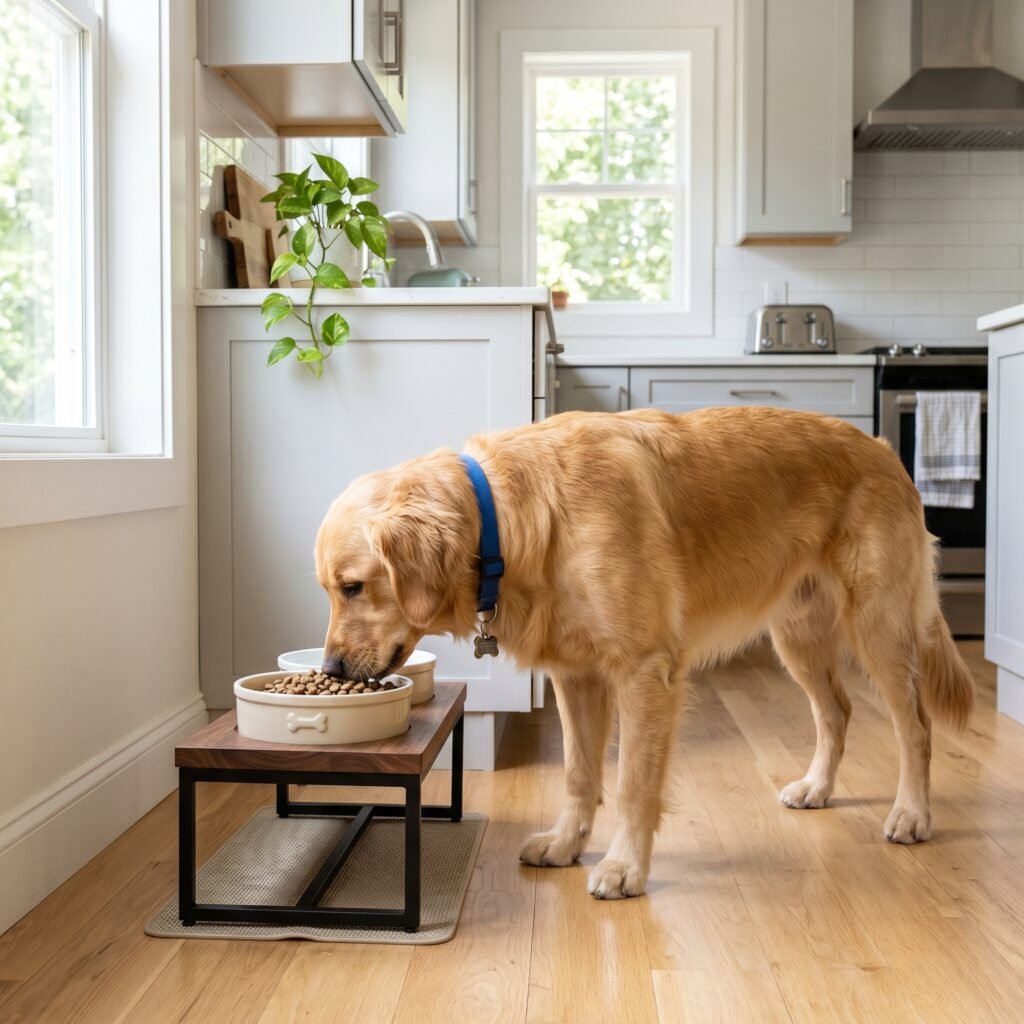
- Use an elevated food bowl: The American Animal Hospital Association and veterinary behavior researchers recommend elevated feeding bowls for reflux-prone dogs, as gravity assists in keeping food and acid moving downward rather than upward into the esophagus
- Use a slow-feeder bowl: Rapid eating causes air swallowing (aerophagia) and stomach distension — both acid reflux triggers. A slow-feeder bowl extends eating time, reduces air ingestion, and promotes more comfortable digestion
- Avoid feeding on an empty stomach for too long: Paradoxically, a completely empty stomach for extended periods increases bile reflux — the backward flow of bile from the small intestine into the stomach that causes the yellow morning vomiting many reflux-prone dogs display. A small snack before bed and feeding within 30 minutes of waking significantly reduces this
- Keep feeding times consistent: Regular, predictable meal timing helps the digestive system anticipate and prepare for food arrival — supporting more consistent gastric acid regulation throughout the day
Homemade Dog Food for Acid Reflux: Basic Principles
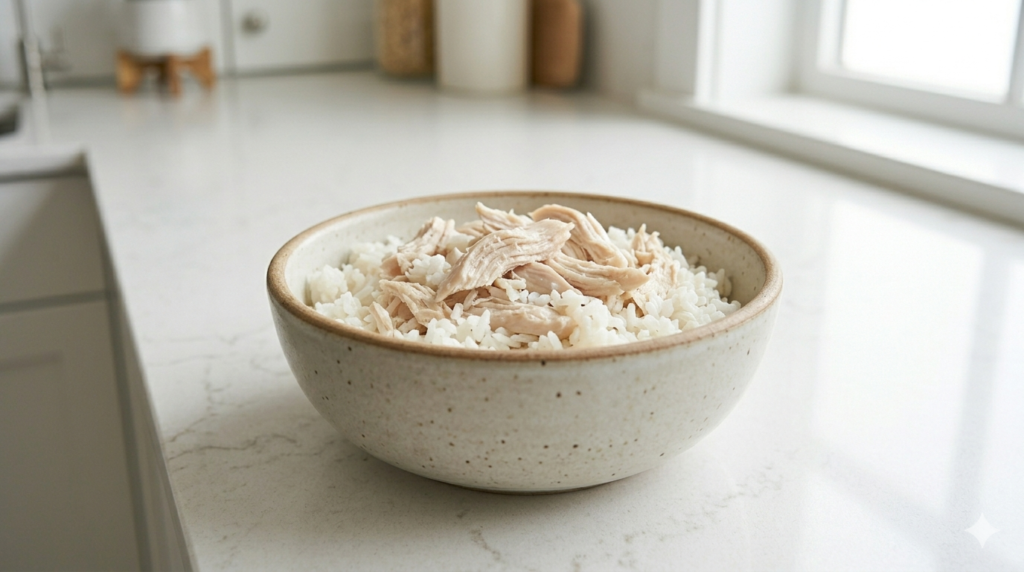
Some owners prefer to prepare homemade meals as dog food for acid reflux to maintain maximum control over ingredients and fat content. When done correctly under veterinary supervision, homemade feeding can be highly effective for reflux management. The foundational recipe framework recommended for reflux-prone dogs includes:
- Lean protein (50-60%): Plain boiled chicken breast (skinless), ground turkey (fat drained), or white fish — the leanest, most digestible protein sources available
- Digestible carbohydrate (30-35%): Plain white rice, boiled sweet potato, or cooked oatmeal — gentle, easily processed energy sources with minimal gastric irritation
- Fiber and digestive support (10-15%): Plain canned pumpkin (1-2 tablespoons), cooked green beans, or steamed broccoli — providing soluble fiber for gut motility without excessive bulk
- Probiotic supplement: A dog-specific probiotic capsule mixed into each meal supports microbiome balance
- Veterinarian-approved vitamin and mineral supplement: Essential to prevent nutritional deficiencies in homemade diets over time
The critical caveat: never use a homemade diet as your dog’s sole long-term nutrition without having it reviewed and balanced by a board-certified veterinary nutritionist. Nutritional deficiencies in homemade diets develop silently and can cause serious long-term health consequences that outweigh the benefits of reflux management.
Frequently Asked Questions About Dog Food for Acid Reflux
Is wet or dry dog food better for acid reflux?
Wet food is generally superior to dry kibble as dog food for acid reflux for two key reasons: it has significantly higher moisture content that helps buffer stomach acid, and it typically digests faster than dry kibble — reducing the time food and acid spend in the stomach. If feeding dry kibble, always add warm water to each serving to improve moisture delivery and digestibility. Gently cooked and fresh food formats offer the same moisture advantages as wet food with potentially superior ingredient quality.
How long does it take to see improvement after switching dog food for acid reflux?
Most dogs show noticeable improvement in acid reflux symptoms within one to three weeks of consistently eating an appropriate dog food for acid reflux combined with the recommended feeding schedule changes. Full resolution of symptoms — including resolution of any esophageal irritation that has accumulated — may take four to eight weeks in dogs with more established reflux patterns. If no improvement is apparent after three to four weeks on the new diet, consult your veterinarian to rule out underlying conditions including hiatal hernia, IBD, or other gastrointestinal disease.
What fat percentage should dog food for acid reflux contain?
The best dog food for acid reflux should contain less than 15% crude fat on a dry matter basis, with many veterinary-recommended formulas targeting 8% to 12% fat. Prescription formulas specifically designed for digestive care — such as Hill’s i/d Low Fat and Purina Pro Plan EN Gastroenteric — achieve the lowest fat levels, typically around 6% to 9% crude fat as-fed. For commercial over-the-counter options, always check the guaranteed analysis panel and convert to dry matter basis before comparing formulas.
Can puppies with acid reflux eat the same food as adult dogs?
Puppies with acid reflux require dog food for acid reflux that simultaneously addresses their reflux management needs AND their elevated developmental nutritional requirements. Standard adult reflux management formulas — including most prescription GI diets — may not meet AAFCO nutritional standards for growth. Consult your veterinarian before selecting a reflux management diet for a puppy, as the balance between digestive gentleness and growth-appropriate nutrition requires individual assessment for young dogs.
Final Thoughts: Managing Your Dog’s Acid Reflux Through the Right Diet
Acid reflux is uncomfortable for your dog and stressful for you to witness — but it is also one of the most diet-responsive conditions in veterinary medicine. The right dog food for acid reflux, combined with the right feeding schedule, can transform a dog’s daily experience from one of post-meal discomfort to comfortable, enthusiastic eating.
Focus on low fat above all else — it is the most powerful single dietary lever available for managing canine acid reflux. Prioritize highly digestible proteins and moisture-rich formats over dry kibble wherever possible. Implement a multi-small-meal feeding schedule. Use an elevated bowl. And work closely with your veterinarian to rule out the underlying conditions — hiatal hernia, IBD, food allergies — that can make reflux harder to manage through diet alone.
With the right dog food for acid reflux in your dog’s bowl and the right feeding protocol around every meal, the majority of reflux-prone dogs achieve meaningful, lasting symptom improvement — and reclaim the simple pleasure of looking forward to their food.
Looking for more vet-backed guides on therapeutic dog nutrition, digestive health management, and expert food reviews? Browse our blog for comprehensive resources designed to help every dog owner make confident, informed decisions for their dog’s long-term health and comfort.